Artwork
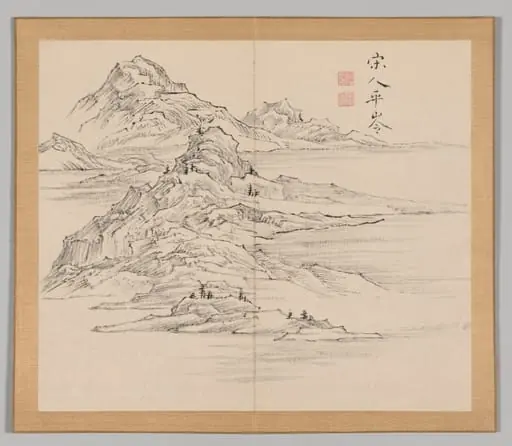
Reverberations of Taiga, Volume 2 (leaf 3)
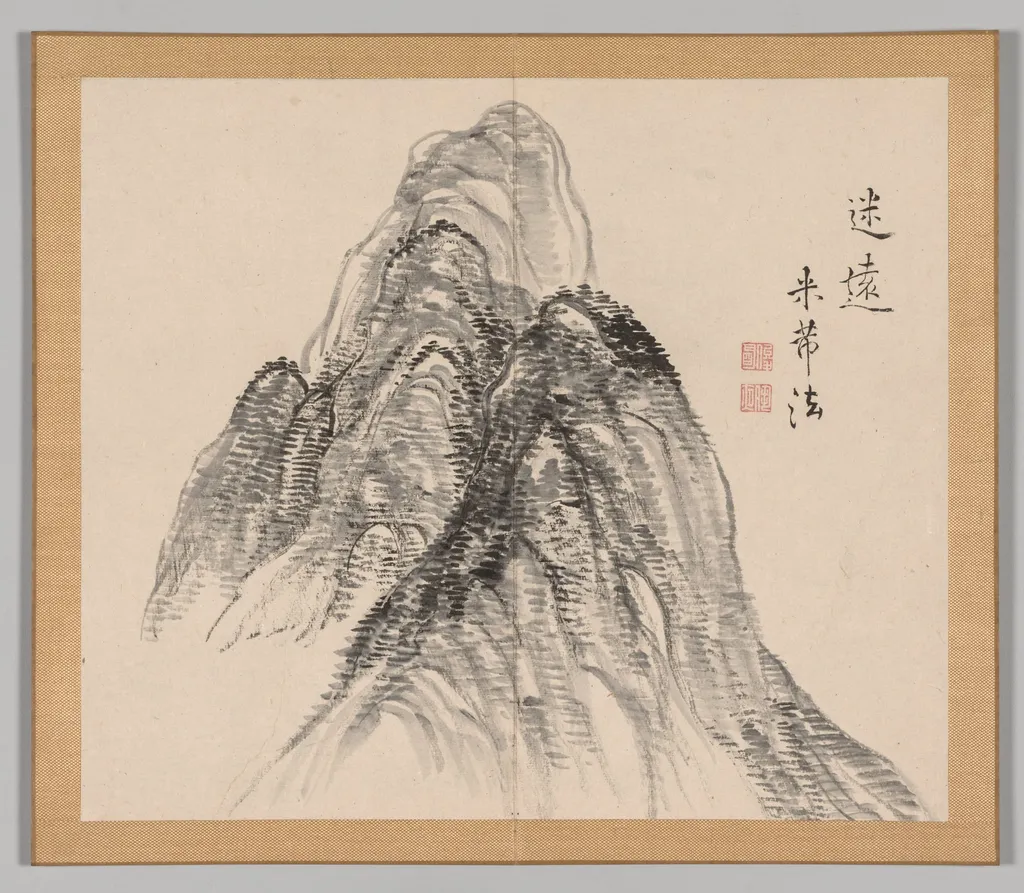
Reverberations of Taiga, Volume 2 (leaf 3) is a work on paper by the Baroque artist Aoki Shukuya. It dates from 1704 and is held in the collection of the Cleveland Museum of Art. This leaf is part of a portfolio created by a student artist studying under Ikeno Taiga, a prominent Kyoto painter.
About this work
Overview
This leaf is part of a portfolio created by a student artist studying under Ikeno Taiga, a prominent Kyoto painter. It contains ink sketches of natural elements—rocks, trees, and mountains—executed in a restrained, monochrome style. Such works were not intended as finished pieces but as exercises in observational and technical training, central to traditional Japanese artistic pedagogy.
Subject & Meaning
The subject matter—rock formations, gnarled trees, and distant peaks—reflects classical landscape motifs valued in East Asian ink painting. These elements were not chosen for symbolic depth but as structural studies, allowing the student to internalize compositional balance and natural form through repetition. The focus lies in the act of learning, not in expressing personal vision.
Technique & Style
The work employs diluted ink washes and controlled brushstrokes to suggest texture and volume with minimal lines. The style mirrors Taiga’s approach: economical, fluid, and grounded in observation rather than ornamentation. The artist’s hand is tentative yet deliberate, revealing the process of mastering brush control and tonal gradation through direct emulation.
History & Provenance
Created in the 18th century during the Edo period, this leaf belonged to a series of study sheets used in Taiga’s studio. Such portfolios were often retained by students or passed among peers as pedagogical tools. Its survival suggests it was preserved as a record of apprenticeship, possibly later collected by a connoisseur interested in artistic development.
Context
In Edo-period Japan, artistic training was hierarchical and centered on master-apprentice relationships. Young painters spent years copying their teacher’s works to internalize technique before developing individual styles. This practice ensured stylistic continuity across generations and reinforced the cultural value placed on disciplined imitation as the foundation of mastery.
Legacy
Works like this leaf illuminate the quiet, iterative process behind celebrated Japanese ink paintings. They reveal that artistic innovation often emerged not from sudden originality but from patient, repeated engagement with established forms. Today, such studies offer insight into the unseen labor of historical artists and the systems that shaped their craft.
Artist & collection

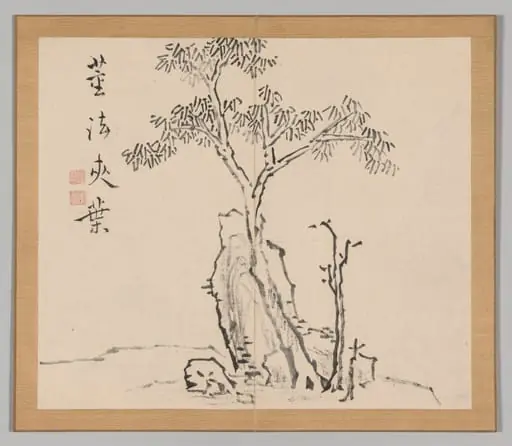 Reverberations of Taiga, Volume 1 (leaf 4)
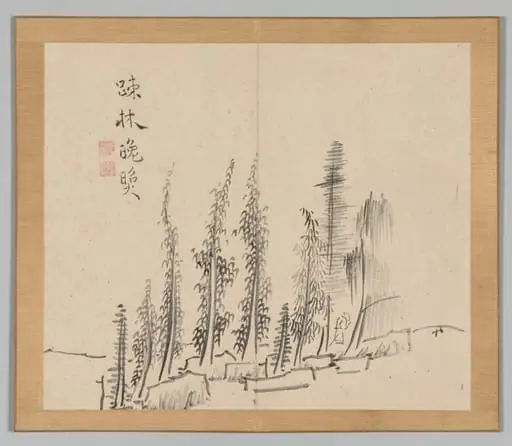 Reverberations of Taiga, Volume 2 (leaf 30)
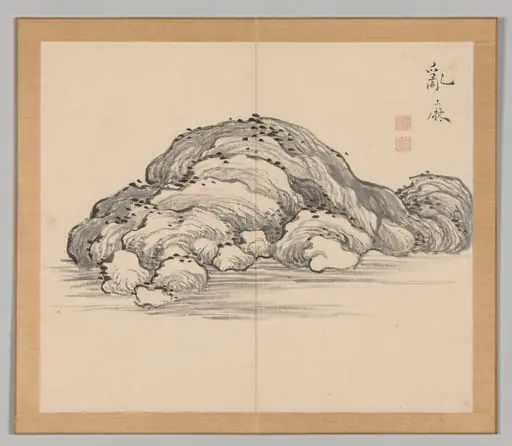 Reverberations of Taiga, Volume 1 (leaf 12)
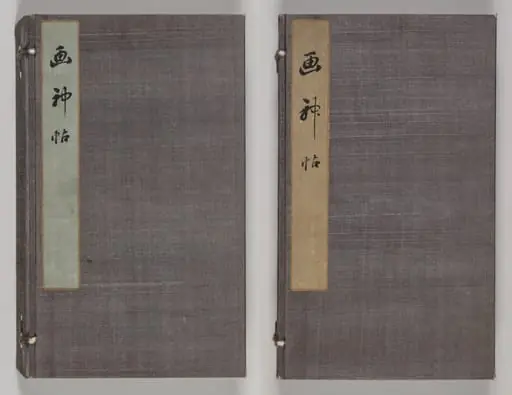 Reverberations of Taiga
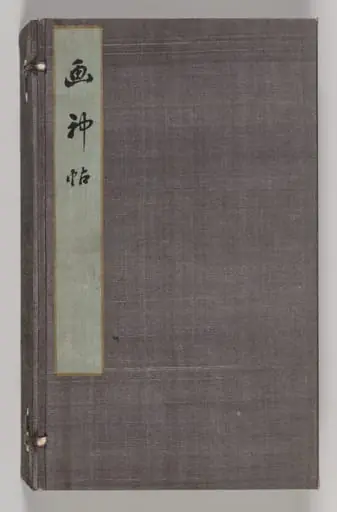 Reverberations of Taiga (Volume 1)
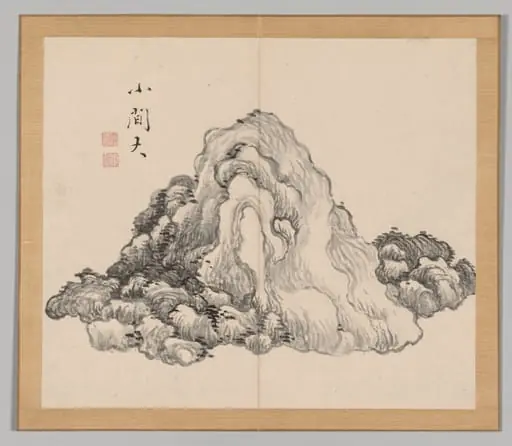 Reverberations of Taiga, Volume 1 (leaf 7)
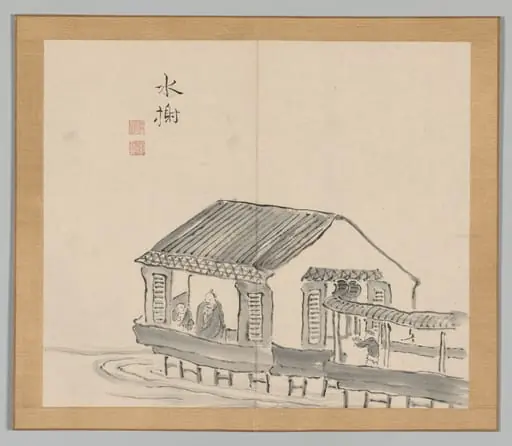 Reverberations of Taiga, Volume 2 (leaf 29)
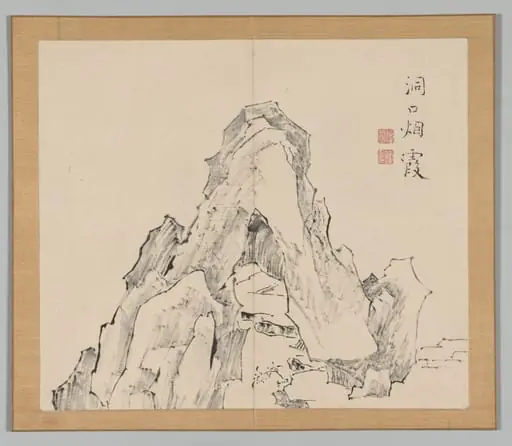 Reverberations of Taiga, Volume 2 (leaf 20)
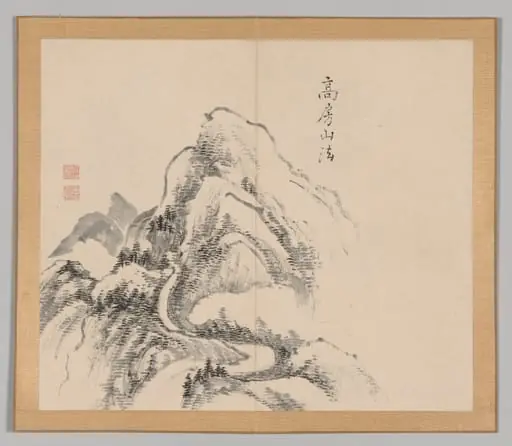 Reverberations of Taiga, Volume 1 (leaf 34)
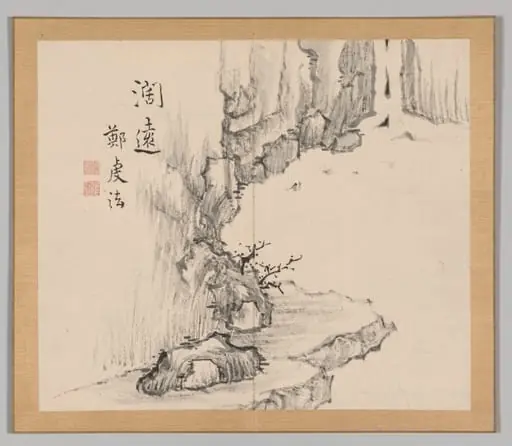 Reverberations of Taiga, Volume 2 (leaf 4)
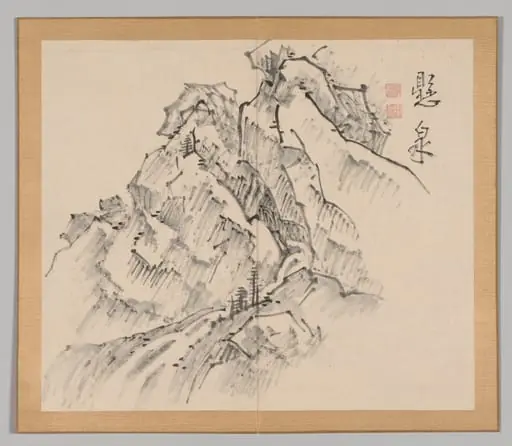 Reverberations of Taiga, Volume 1 (leaf 26)
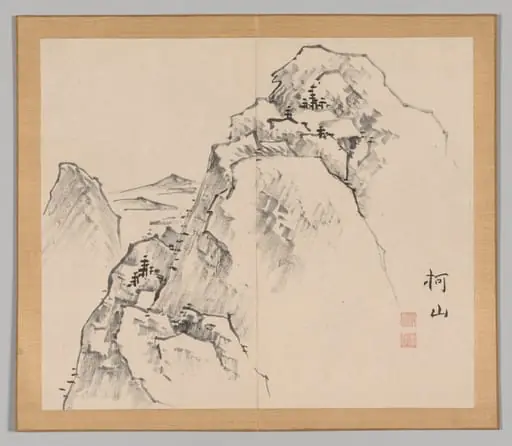 Reverberations of Taiga, Volume 1 (leaf 27)
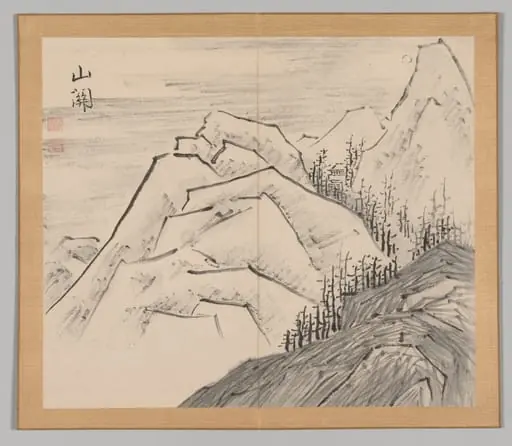 Reverberations of Taiga, Volume 1 (leaf 29)
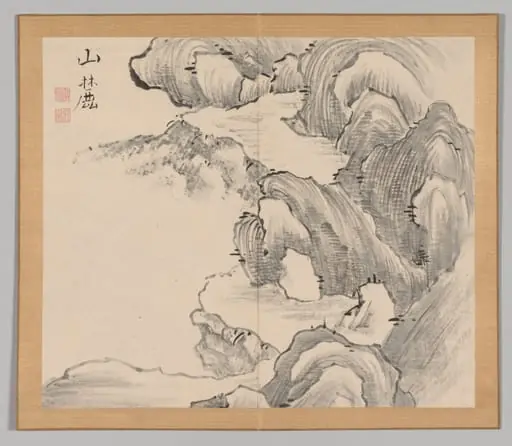 Reverberations of Taiga, Volume 1 (leaf 28)
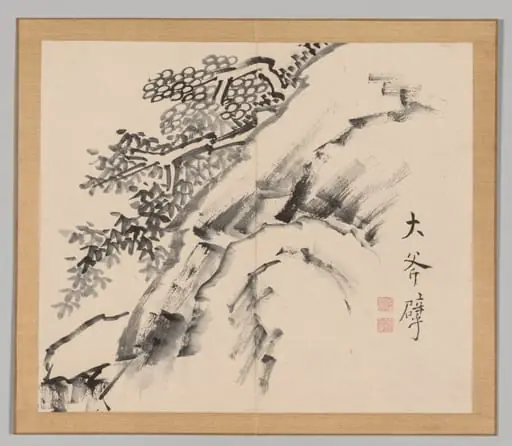 Reverberations of Taiga, Volume 1 (leaf 9)
 Reverberations of Taiga, Volume 1 (leaf 35)