Artwork
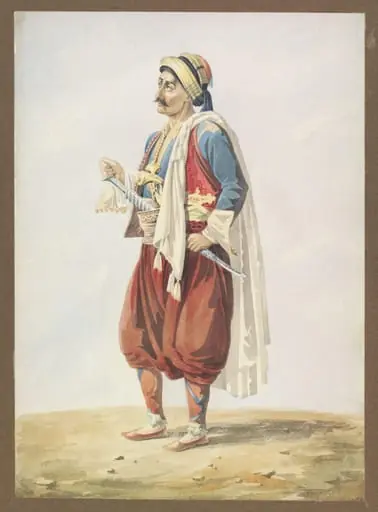
A Turk
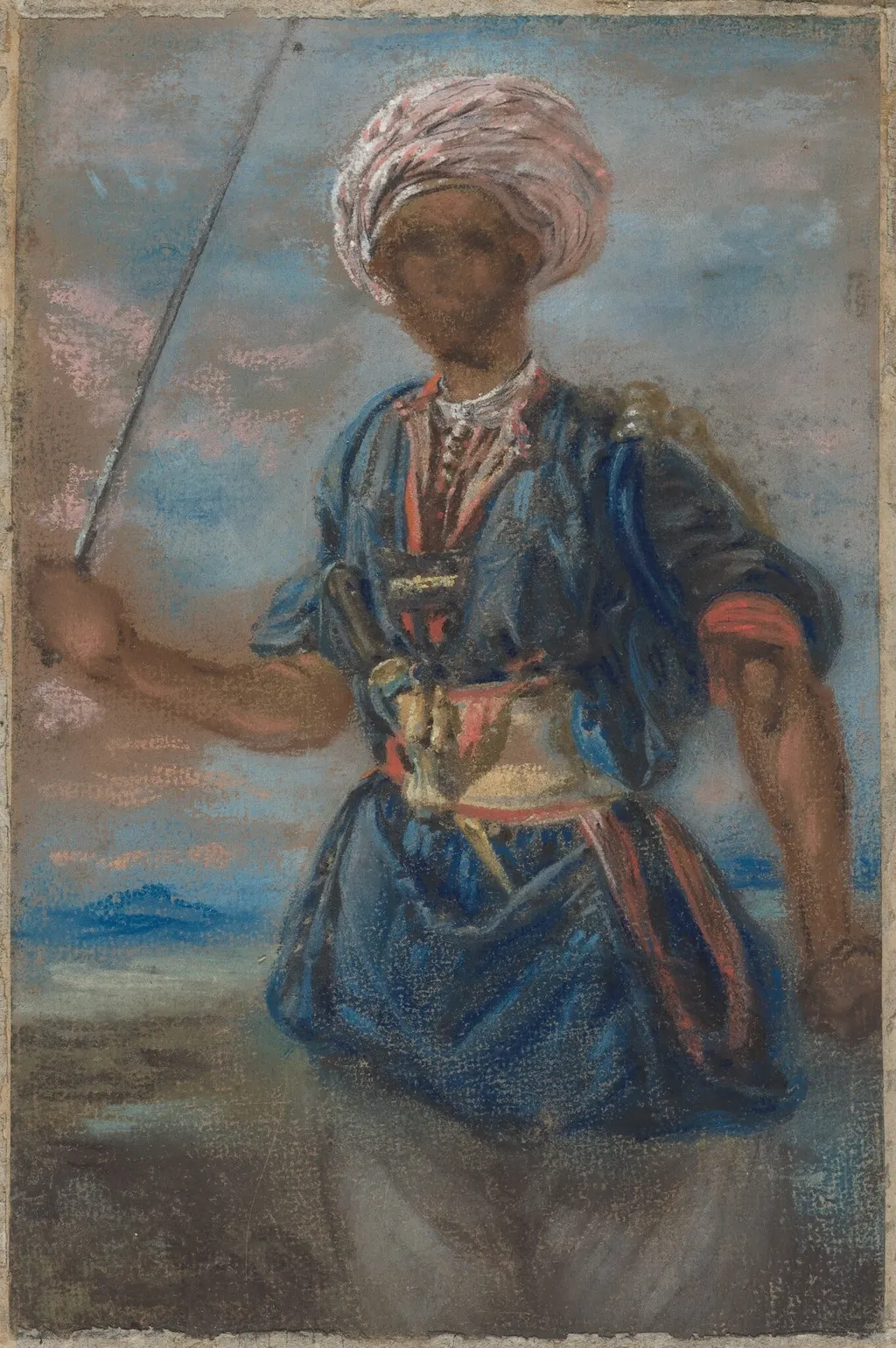
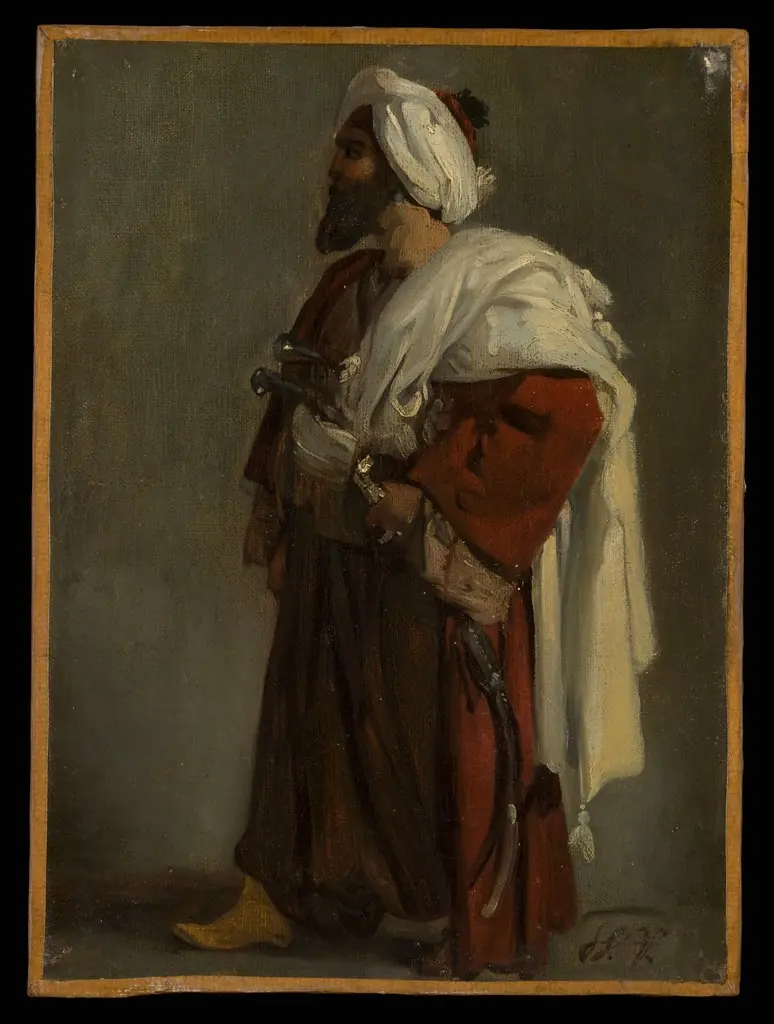
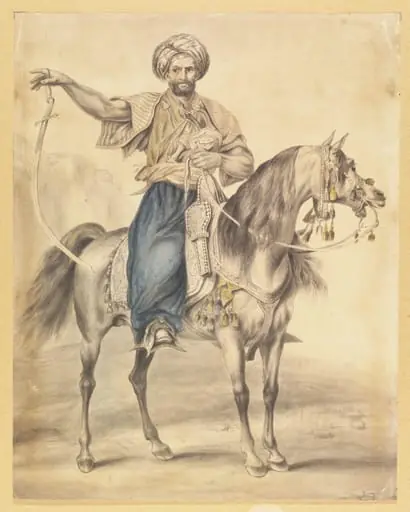
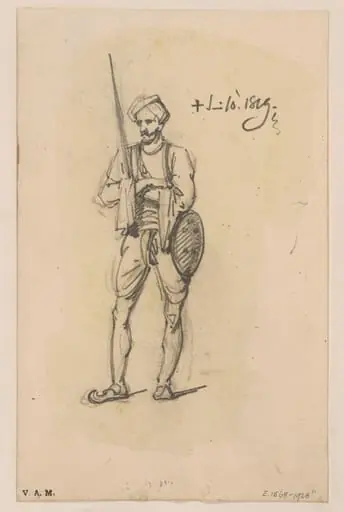
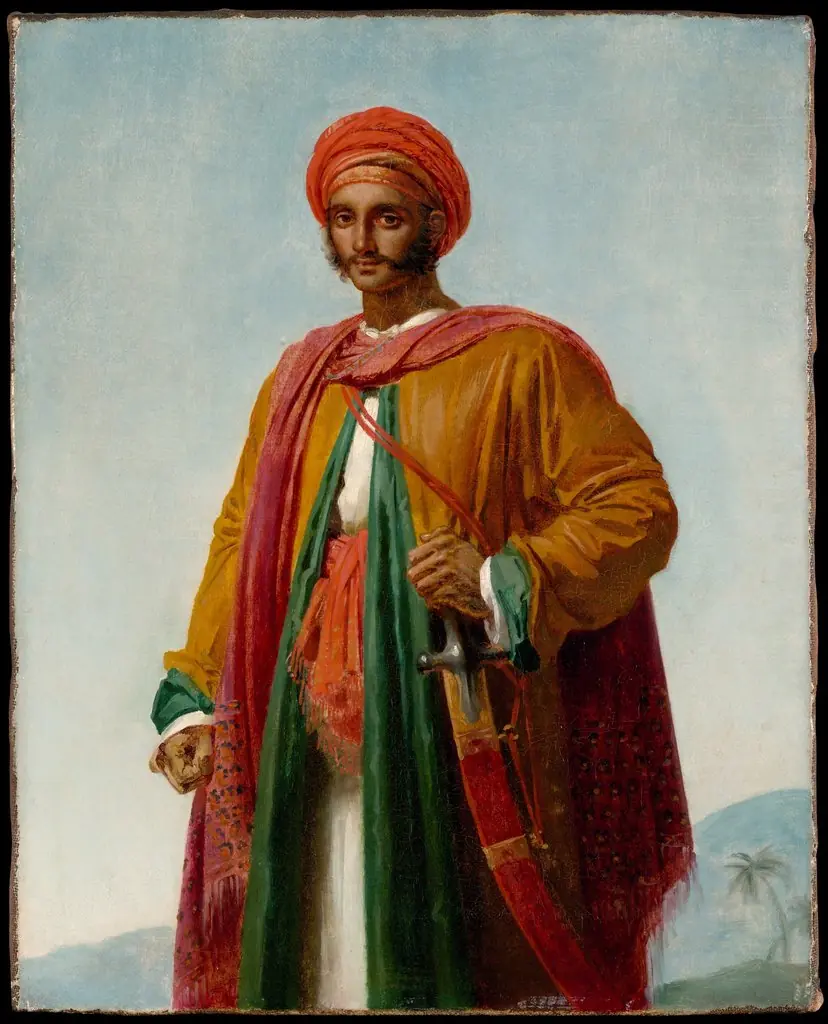
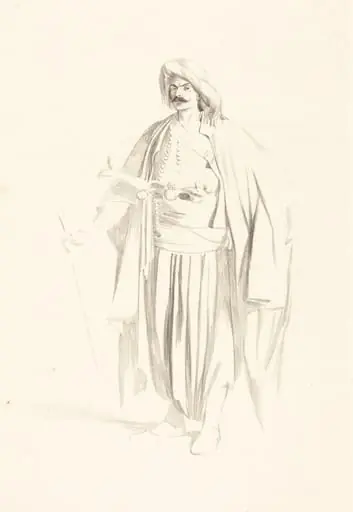
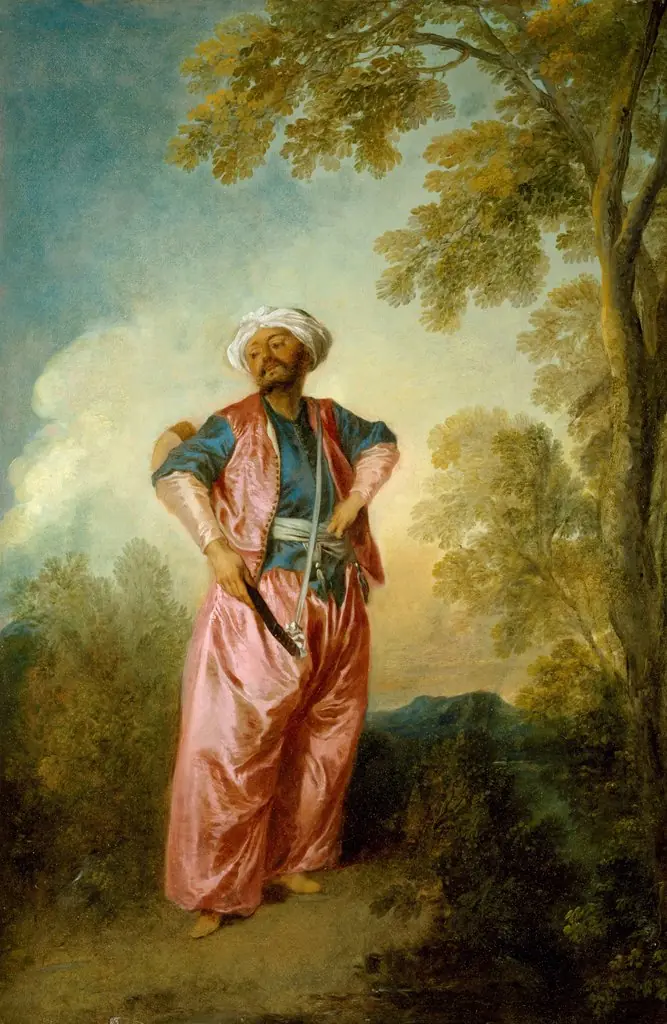
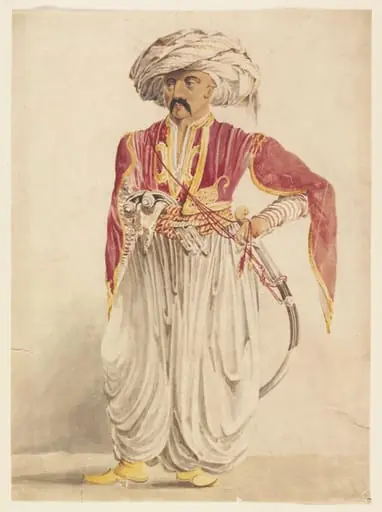
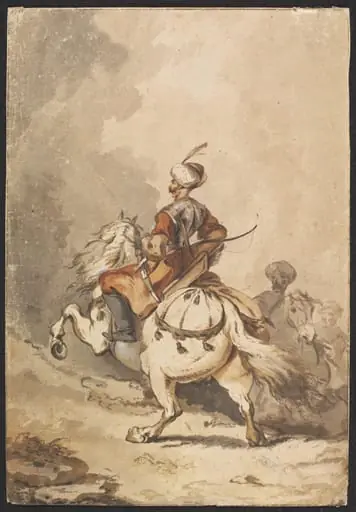
A Turk is a pastel drawing by the Romanticist artist Jules-Robert Auguste. It dates from 1816 and is held in the collection of the National Gallery of Art.
About this work
Overview
Created during the artist’s early career, it reflects his engagement with Eastern subjects following his studies in Rome and subsequent travels.
Jules-Robert Auguste’s *A Turk* (1816) is a pastel drawing on wove paper, mounted on board. Created during the artist’s early career, it reflects his engagement with Eastern subjects following his studies in Rome and subsequent travels. Auguste, originally trained as a sculptor, turned to drawing as a means of recording visual impressions from his journeys, producing works that bridged documentary observation and artistic interpretation.
Subject & Meaning
The figure is depicted in Ottoman-era dress—a blue robe, white turban, and red waist sash—accompanied by a slender, curved sword. His face is softly rendered, eyes directed forward, conveying stillness rather than narrative action. The image does not portray a specific individual but evokes a generalized presence associated with the Ottoman world, aligning with 19th-century European fascination with the East as both exotic and dignified.
Technique & Style
Auguste employed pastel for its ability to capture subtle tonal shifts and soft textures, particularly in fabric and skin. The wove paper allowed for delicate layering, while the mounting on board provided stability. The background—a pale blue sky with faint clouds—suggests open space without detail, focusing attention on the figure. The style blends classical precision in form with Romantic sensitivity to atmosphere and mood.
History & Provenance
Created shortly after Auguste’s 1810 Prix de Rome win, the work likely dates from his travels in the Mediterranean region between 1812 and 1816. As a French artist immersed in Orientalist themes, he produced numerous sketches and studies during this period, many later developed into finished works. *A Turk* remains among the few surviving pastels from this phase of his career, preserved as a personal record rather than a commissioned piece.
Context
In early 19th-century France, interest in the Ottoman Empire grew through diplomatic exchanges, military campaigns, and travel literature. Artists like Auguste responded to this cultural curiosity by depicting figures from the Eastern Mediterranean. While not overtly political, such works contributed to a visual vocabulary of the Orient that shaped European perceptions, blending observation with idealized conventions of dress and demeanor.
Legacy
Though Auguste is less widely known than his Romantic contemporaries, *A Turk* exemplifies the role of drawing in documenting cross-cultural encounters. His pastels, though modest in scale, offer a quieter counterpoint to large-scale Orientalist paintings. They reveal how artists translated firsthand experience into intimate studies, influencing later generations interested in ethnographic realism and the aesthetics of travel.
Artist & collection
Artist
Jules Robert Auguste (1789 – 15 April 1850) was a French painter associated with Romanticism and classicism.