Artwork
Bords de la Vie
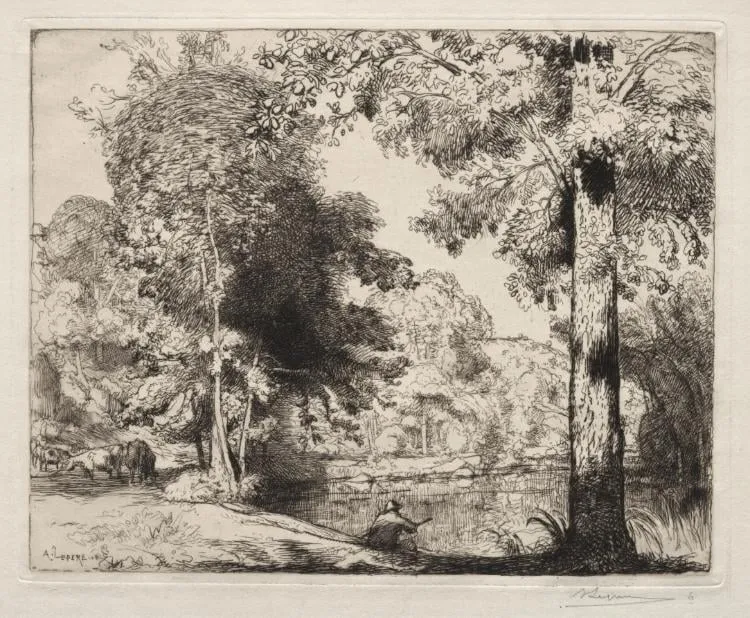
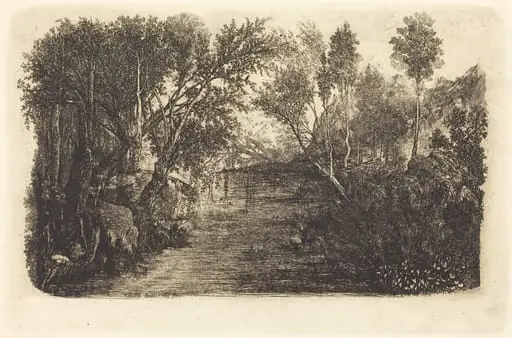
Bords de la Vie is a print by Auguste Lepère. It dates from 1908 and is held in the collection of the Cleveland Museum of Art.
About this work
Overview
The piece resides in the collection of The Cleveland Museum of Art, where it exemplifies his quiet, observational approach to natural landscapes.
Auguste Louis Lepère, a French artist instrumental in the early 20th-century revival of wood engraving, produced *Bords de la Vie* in 1908. Though often associated with woodcut techniques, this work is an etching, reflecting his broader engagement with printmaking. The piece resides in the collection of The Cleveland Museum of Art, where it exemplifies his quiet, observational approach to natural landscapes.
Subject & Meaning
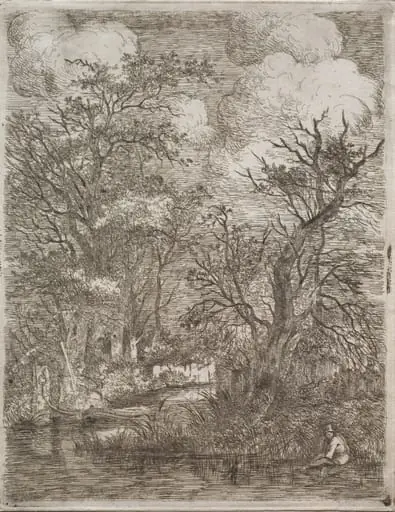
The scene depicts a tranquil riverside forest, with towering trees arching over still water. A solitary boat rests near the bank, suggesting human presence without narrative intrusion. The composition emphasizes stillness and solitude, evoking a meditative relationship between nature and the observer. Lepère avoids dramatic action, instead inviting contemplation through subtle atmospheric detail.
Technique & Style
Lepère employed etching to render fine textures: the roughness of bark, the tangle of roots, and the delicate interplay of light and shadow among leaves. His use of closely spaced, irregular lines creates a grainy, atmospheric effect, enhancing the sense of depth and moisture. The loose, expressive strokes suggest movement in the foliage while preserving the quietude of the scene.
History & Provenance
Created in 1908, *Bords de la Vie* emerged during Lepère’s mature period, when he was actively promoting traditional print methods in France. The work entered the Cleveland Museum of Art’s collection through documented acquisition, though specific provenance details prior to its museum ownership are not widely recorded. Its preservation reflects institutional recognition of his contributions to printmaking.
Context
In the early 1900s, European artists were re-examining handcrafted print techniques amid industrialization. Lepère stood among those reviving wood engraving and etching as serious artistic media, distinct from mass reproduction. His landscapes, like this one, aligned with broader trends favoring intimate, natural subjects over grand historical themes, resonating with contemporary interest in quietude and material authenticity.
Legacy
Lepère’s work, including *Bords de la Vie*, influenced later generations of printmakers by demonstrating the expressive potential of traditional methods. Though not widely known today, his dedication to technical precision and natural observation helped sustain interest in etching as a fine art form. His prints remain studied for their nuanced handling of texture and light in monochrome.
Artist & collection
Artist
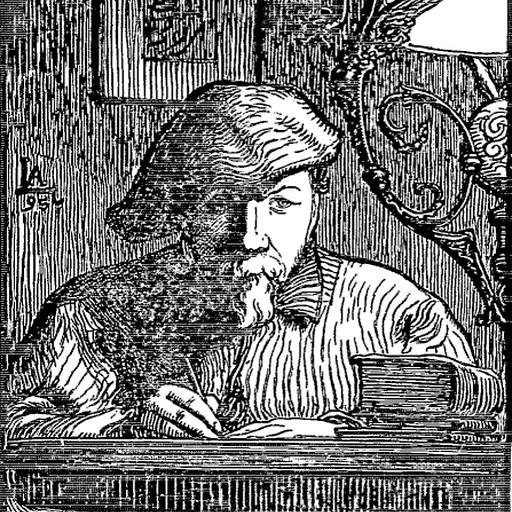
Louis-Auguste Lepère (30 November 1849 – 20 November 1918) was a French painter and etcher. Lepère is also considered a leader in the creative revival of wood engraving in Europe.

 The Little Longparish
 Back of the Mills
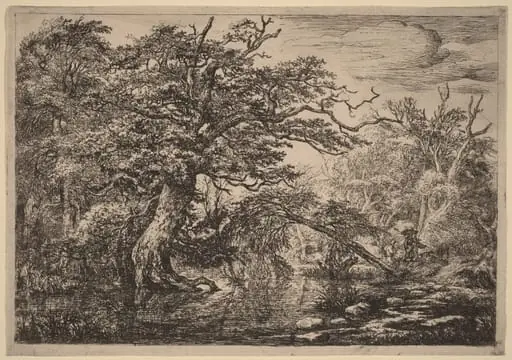 A Forest Marsh with Travelers on a Bank (The Travelers)
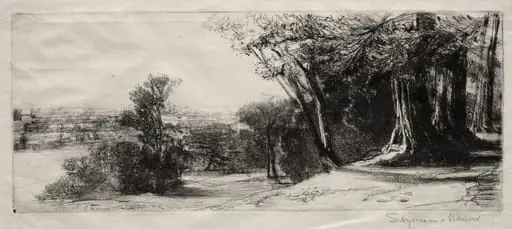 Early Morning, Richmond Park
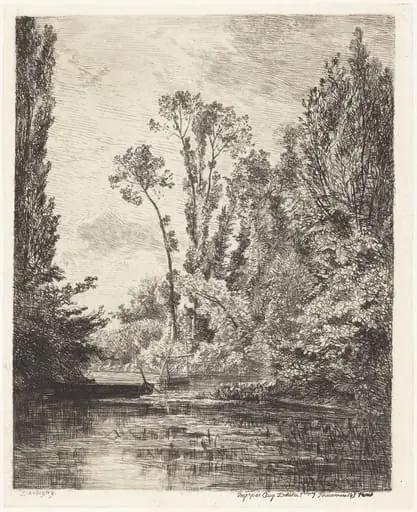 The Virgin Islands in Bezons (Les Iles vierges a Bezons)
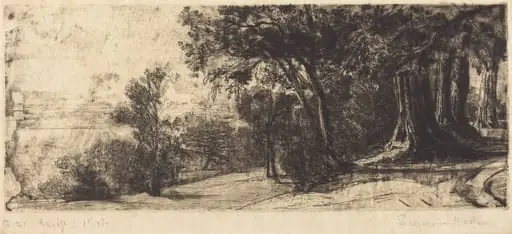 Early Morning - Richmond
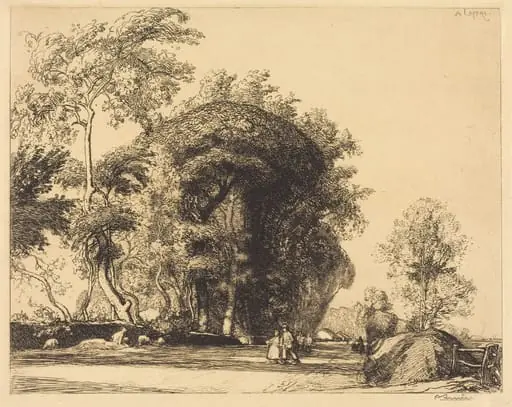 Path from St.-Gilles, St.-Jean-de-Monts (La route de St.-Gilles, St.-Jean-de-Monts)
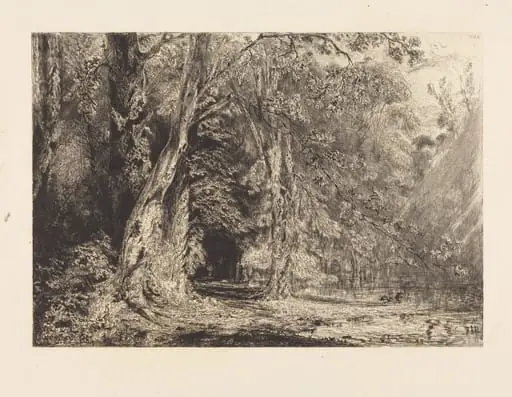 Flooding in the Forest of the Ile Séguin
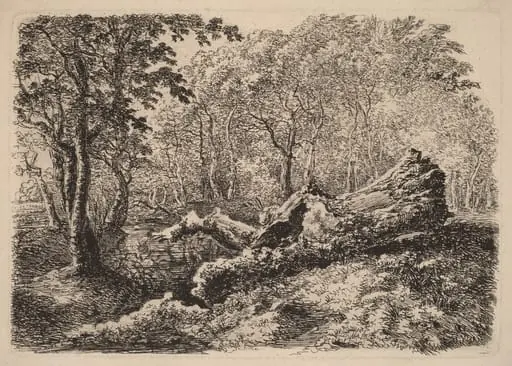 Mouldering Tree Trunk
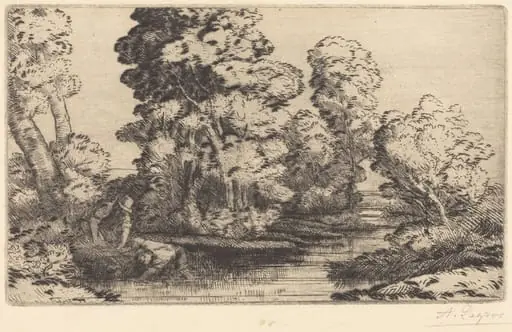 Valley in Bourgogne (Une vallee en Bourgogne)
 The Water's Course
 At Colney