Artwork
La Cathedrale de Rouen
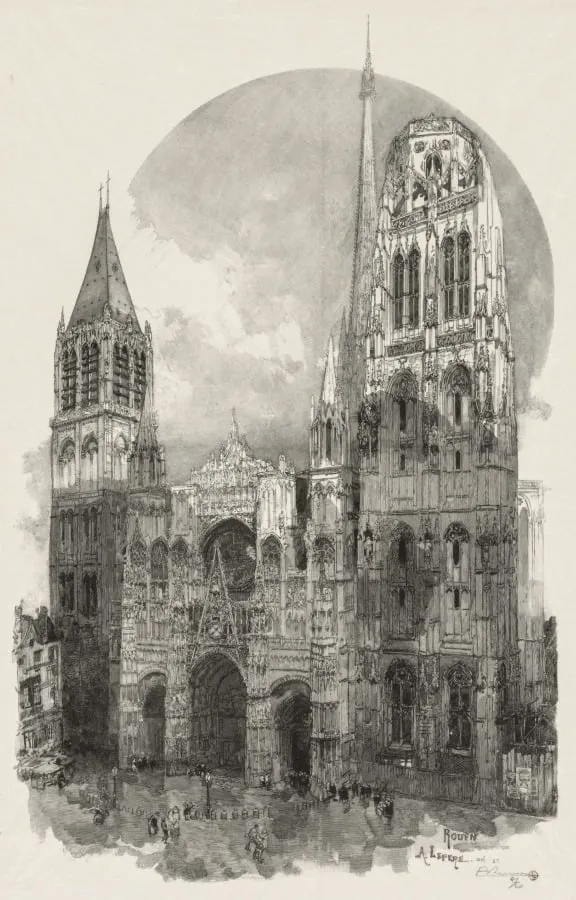
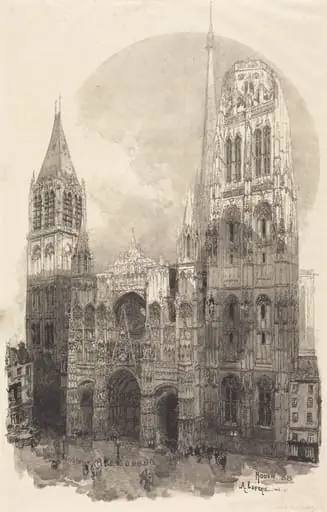
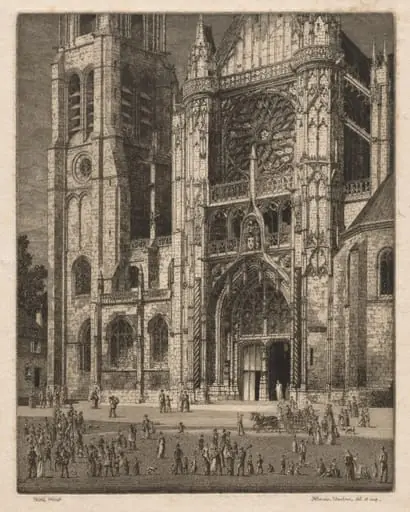
La Cathedrale de Rouen is a print by the Impressionist artist Auguste Lepère. It dates from 1888 and is held in the collection of the Cleveland Museum of Art.
About this work
Overview
Lepère’s technique transforms the rigid medium of wood into a fluid, tonal study that blurs the boundary between print and photographic realism.
La Cathedrale de Rouen is a wood engraving by Jules-Émile Lepère, created in the late 19th century. It captures the western facade of Rouen Cathedral with a focus on texture and atmosphere rather than architectural precision. The composition crops the upper portion of the building, emphasizing the lower arches and narrow windows. Lepère’s technique transforms the rigid medium of wood into a fluid, tonal study that blurs the boundary between print and photographic realism.
Subject & Meaning
The subject is the Rouen Cathedral’s facade, rendered not as a monument but as a study in light and mass. The cropped view and low angle suggest an intimate, almost accidental encounter with the structure. Shadows dominate, obscuring details and reducing the cathedral to its essential forms. This approach shifts focus from religious symbolism to the quiet presence of stone under changing light, reflecting a modern interest in perception over doctrine.
Technique & Style
Lepère employed fine, precise cuts and dense dotwork in wood to simulate gradations of tone rarely achieved in printmaking. His manipulation of ink density and line weight created soft transitions between light and shadow, mimicking the effect of atmospheric perspective. The result defies the medium’s typical hardness, producing a surface that reads as luminous and tactile, more akin to a photographic negative than a traditional engraving.
History & Provenance
Created around 1880, the print was part of a series documenting French architectural landmarks during a period of renewed interest in regional heritage. Lepère’s work gained recognition among printmakers for its technical innovation. The piece entered the Cleveland Museum of Art’s collection in the 20th century, where it remains a key example of late 19th-century French printmaking and the evolution of wood engraving beyond illustration.
Context
Lepère worked during a time when printmakers sought to elevate their craft beyond reproduction, aligning with broader artistic movements that valued subjective vision. His approach paralleled the Impressionists’ interest in light and transient effects, though executed through the labor-intensive medium of wood. Contemporary etchers like Félix Bracquemond acknowledged his ability to merge painterly sensitivity with printmaking discipline, influencing a generation of artists exploring tonal nuance.
Legacy
Lepère’s technique inspired later printmakers to push the limits of wood engraving, demonstrating that the medium could convey subtlety and depth previously reserved for painting or photography. While others attempted to replicate his tonal harmony, few achieved his level of control. His work remains a benchmark in the history of printmaking, illustrating how technical rigor could serve a poetic vision without sacrificing the integrity of the medium.
Artist & collection
Artist
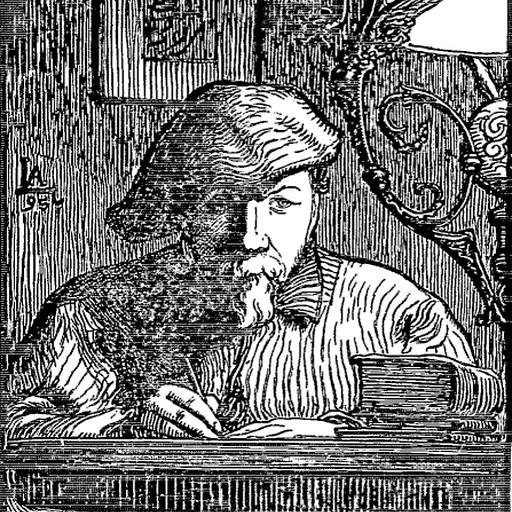
Louis-Auguste Lepère (30 November 1849 – 20 November 1918) was a French painter and etcher. Lepère is also considered a leader in the creative revival of wood engraving in Europe.

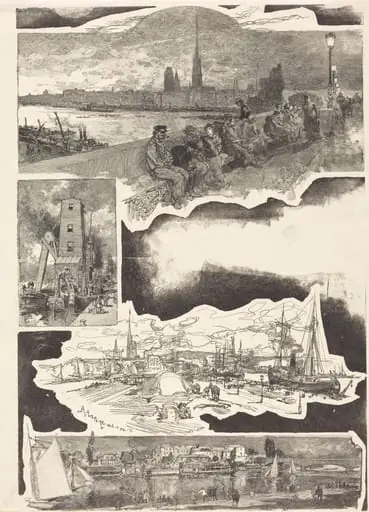
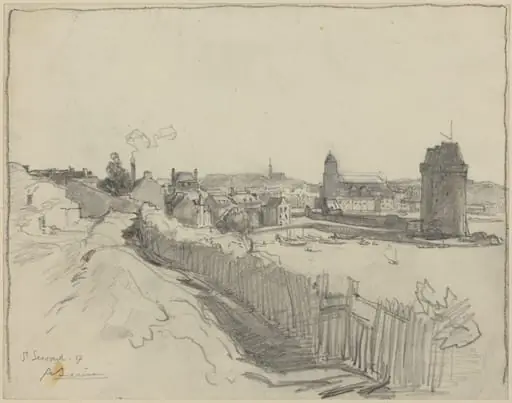
 Rouen Cathedral (La Cathedral de Rouen)
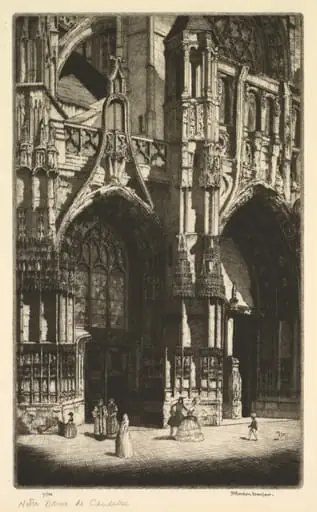 Notre Dame de Caudebec
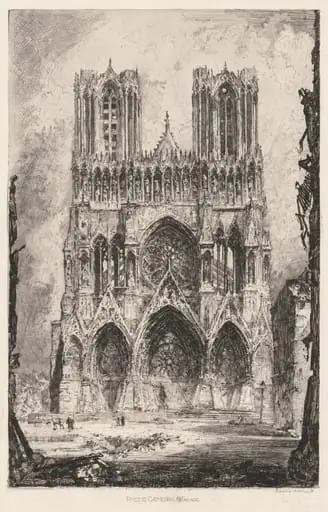 Rheims Cathedral, Facade
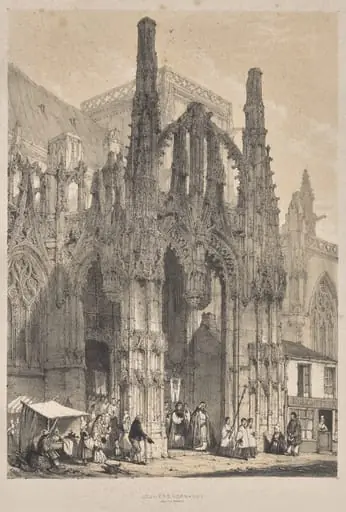 Architecture of the Middle Ages: Louviers, Normandy, South Porch
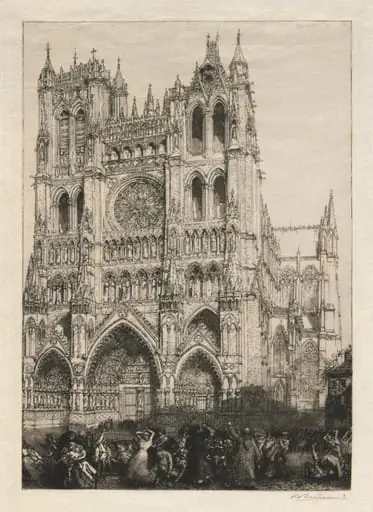 Amiens Cathedral, Inventory Day
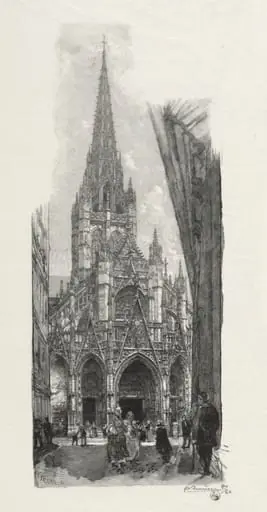 Rouen Illustré: Eglise Saint Maclon
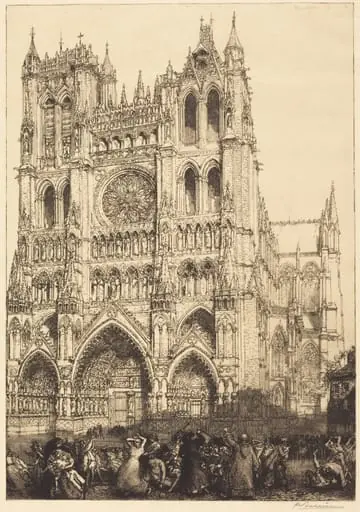 Amiens Cathedral (Cathedrale d'Amiens - Jour d'inventaire)
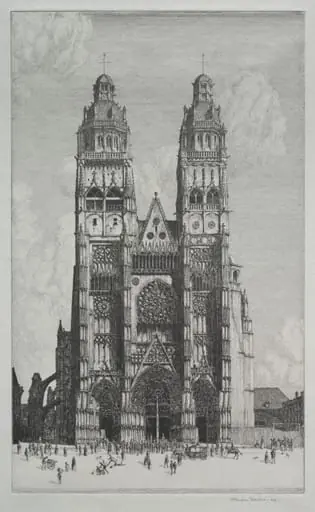 St. Gatiens, Tours
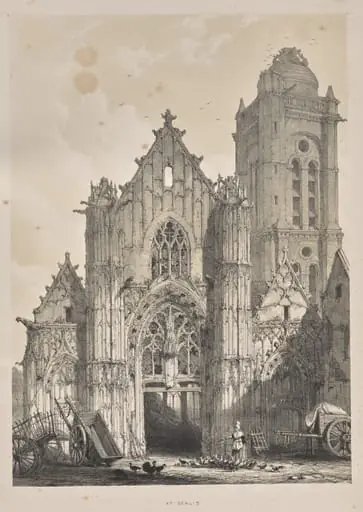 Architecture of the Middle Ages: At Senlis
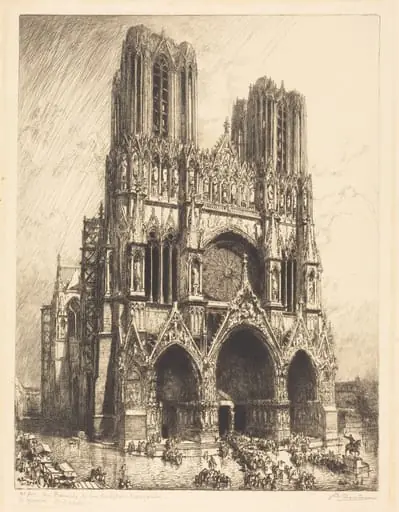 Reims Cathedral (Cathedrale de Reims)
 Sevins Cathedral
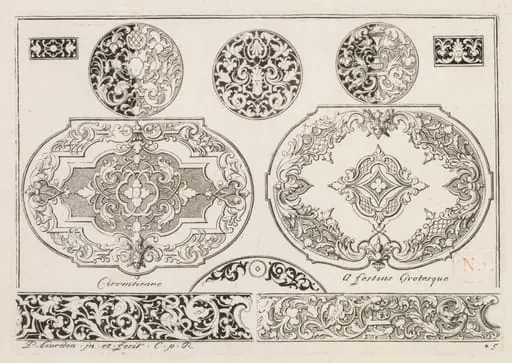 # 4 From " Livre sencond essais de gravjre " second book of Engraved designs