Artwork
La Tour Eiffel
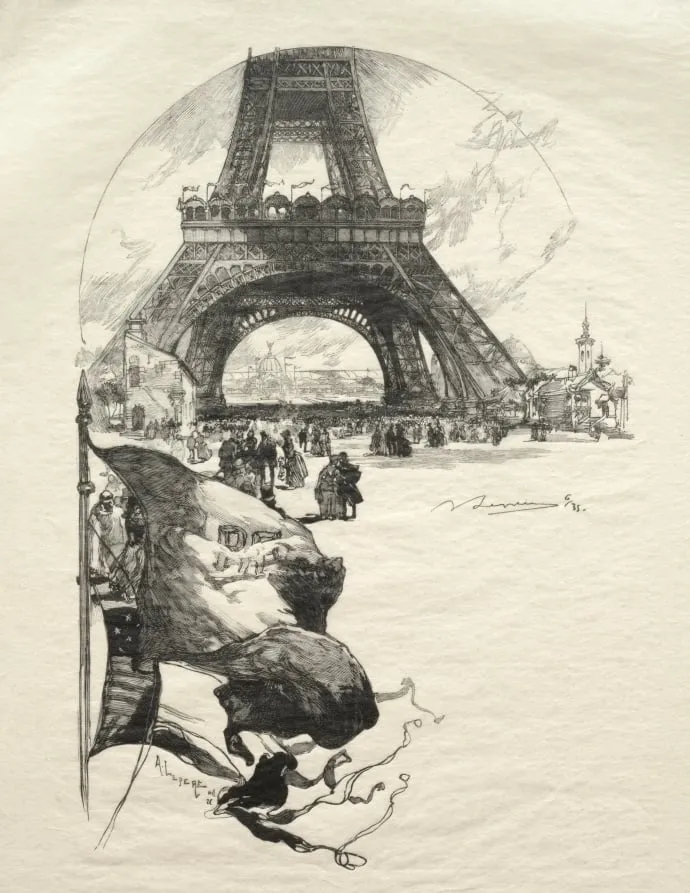
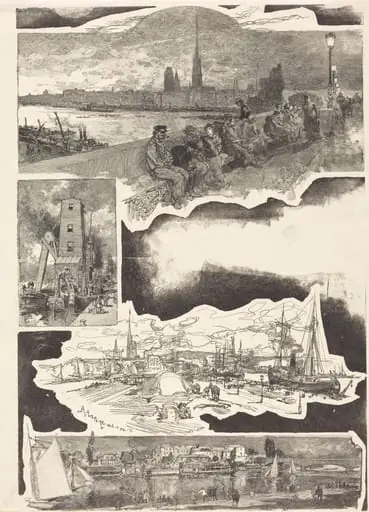
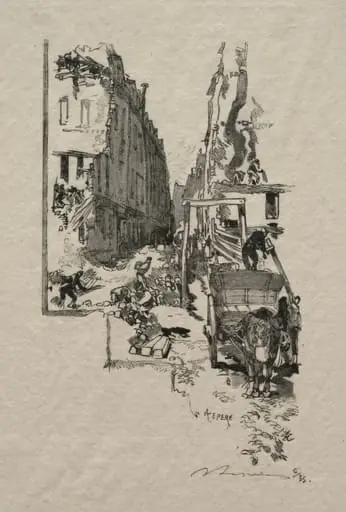
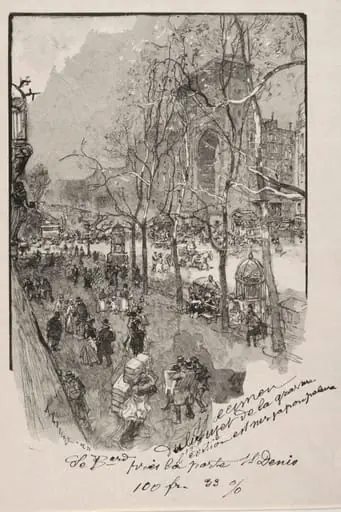
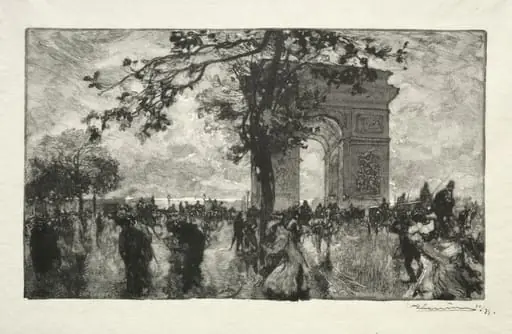
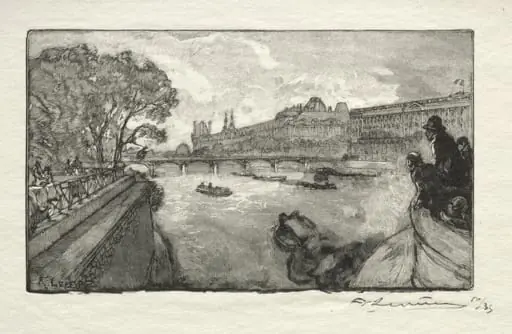
La Tour Eiffel is a print by the Impressionist artist Auguste Lepère. It dates from 1889 and is held in the collection of the Cleveland Museum of Art.
About this work
Overview
Created in 1889, *La Tour Eiffel* is a print by French artist Auguste Louis Lepère, who played a key role in the 19th‑century revival of wood engraving across Europe. The image captures the newly completed Eiffel Tower dominating a bustling Parisian scene, and it is part of the Cleveland Museum of Art’s collection.
Subject & Meaning
The composition centers on the iron lattice of the tower, which rises above a crowded plaza where pedestrians and a lone dog are depicted at its base. By emphasizing the structure’s sharp geometry against a lighter sky, Lepère highlights the contrast between industrial modernity and everyday life in late‑19th‑century Paris.
Technique & Style
Lepère employed the wood engraving process, a medium he helped reestablish, to render the tower’s intricate framework with crisp lines and pronounced shadows. The print’s tonal range, from deep blacks outlining the lattice to softer washes suggesting distant foliage and buildings, demonstrates his mastery of contrast and detail within a relatively flat surface.
History & Provenance
Produced the same year the Eiffel Tower opened to the public, the work reflects contemporary fascination with the new landmark. After changing hands over the decades, the print entered the Cleveland Museum of Art, where it remains accessible to scholars and visitors interested in the intersection of printmaking and urban modernity.
Artist & collection
Artist
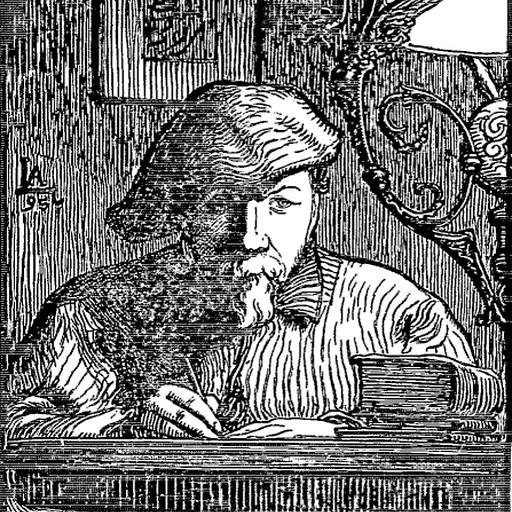
Louis-Auguste Lepère (30 November 1849 – 20 November 1918) was a French painter and etcher. Lepère is also considered a leader in the creative revival of wood engraving in Europe.