Artwork
Le Bas Bréau
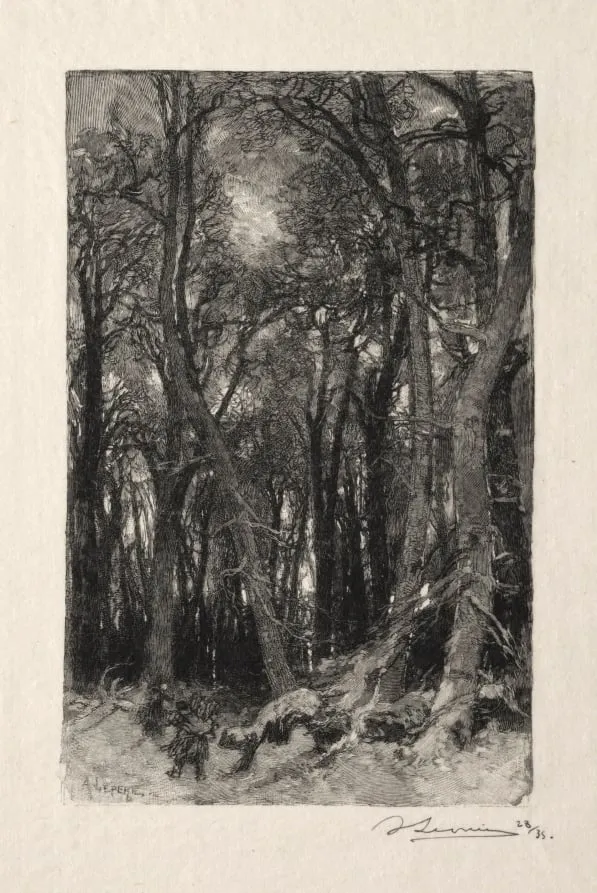
Le Bas Bréau is a print by the Impressionist artist Auguste Lepère. It dates from 1887 and is held in the collection of the Cleveland Museum of Art.
About this work
Overview
Le Bas Bréau, a print created by Auguste Louis Lepère in 1887, exemplifies the artist's dual proficiency in painting and innovative printmaking techniques, particularly in the revival of wood engraving in Europe.
Subject & Meaning
The print depicts a serene rural scene featuring a house and trees, capturing a mundane moment in time. The emphasis on detail and texture conveys a sense of realism, suggesting an exploration of everyday countryside life.
Technique & Style
Lepère employed meticulous detail to render the textures of both natural and architectural elements. While the style bears mention of sfumato for further study, the primary technique here is wood engraving, highlighting Lepère's contribution to its European revival.
History & Provenance
Created in 1887, *Le Bas Bréau* reflects Lepère's period engagement with revitalizing wood engraving, a medium he championed in Europe. Specific provenance details are not provided.
Context
Within the late 19th-century art landscape, *Le Bas Bréau* sits at the intersection of traditional techniques (wood engraving) and the broader artistic movement towards capturing everyday life, reflecting Lepère's unique position as both a painter and a print innovator.
Legacy
As part of Lepère's body of work in wood engraving, *Le Bas Bréau* contributes to the medium's resurgence in Europe during the late 19th century, influencing subsequent generations of printmakers.
Artist & collection
Artist
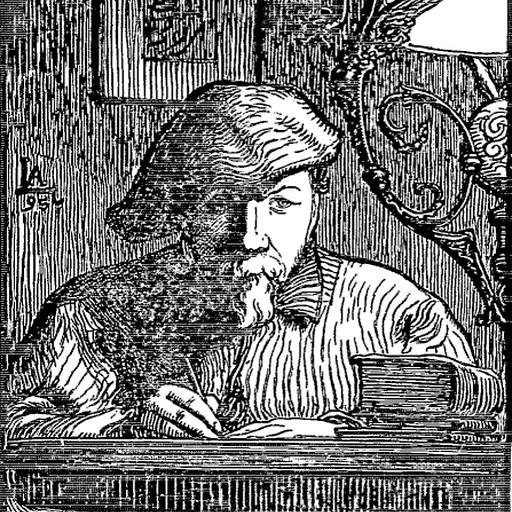
Louis-Auguste Lepère (30 November 1849 – 20 November 1918) was a French painter and etcher. Lepère is also considered a leader in the creative revival of wood engraving in Europe.

 Landscape at Bouleaux
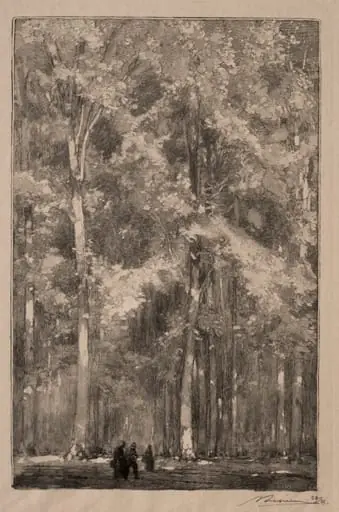 Le Matin, carrefour des Forts Marlotte
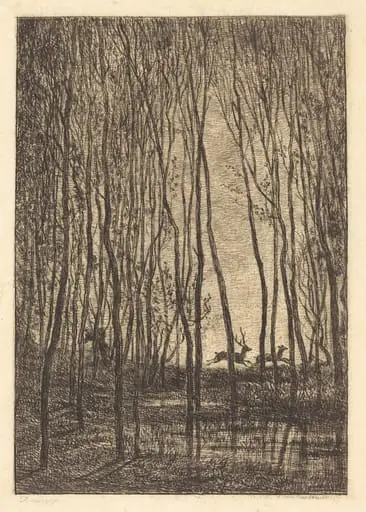 Deer in the Woods (Les Cerfs sous bois)
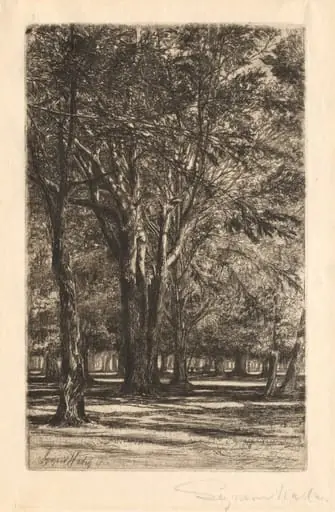 Kensington Gardens, No. 2 (Large Plate)
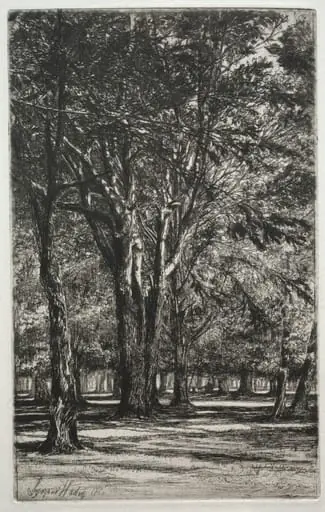 Kensington Gardens (The Large Plate)
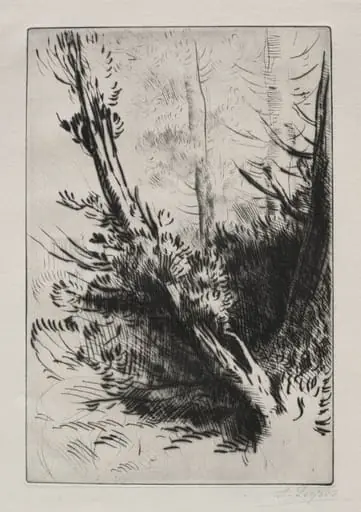 In the Woods
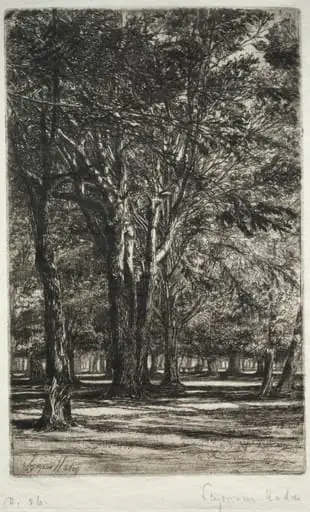 Kensington Gardens (The Larger Plate)
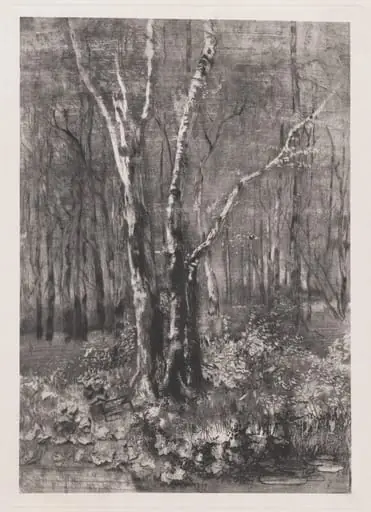 Woods in the Park near Monza
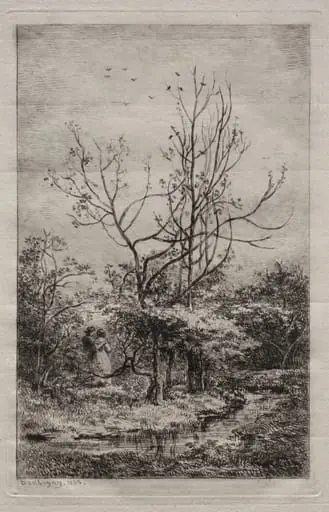 The Orchard
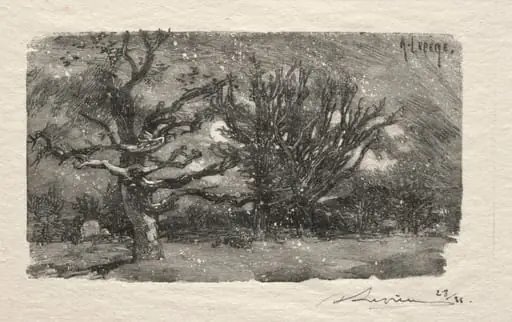 Au dormoir de Lantara
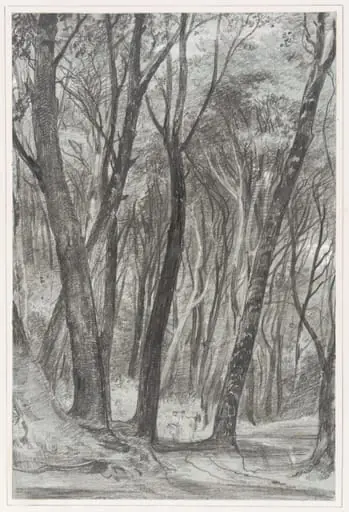 Study of trees, Wotton Woods, Abinger
![Bosco [Woods], by Mosè Bianchi](https://artifactworldgallery.com/img/mose-bianchi--bosco-woods--c857997776805c86-w320.webp) Bosco [Woods]
Bosco [Woods]