Artwork
Au dormoir de Lantara
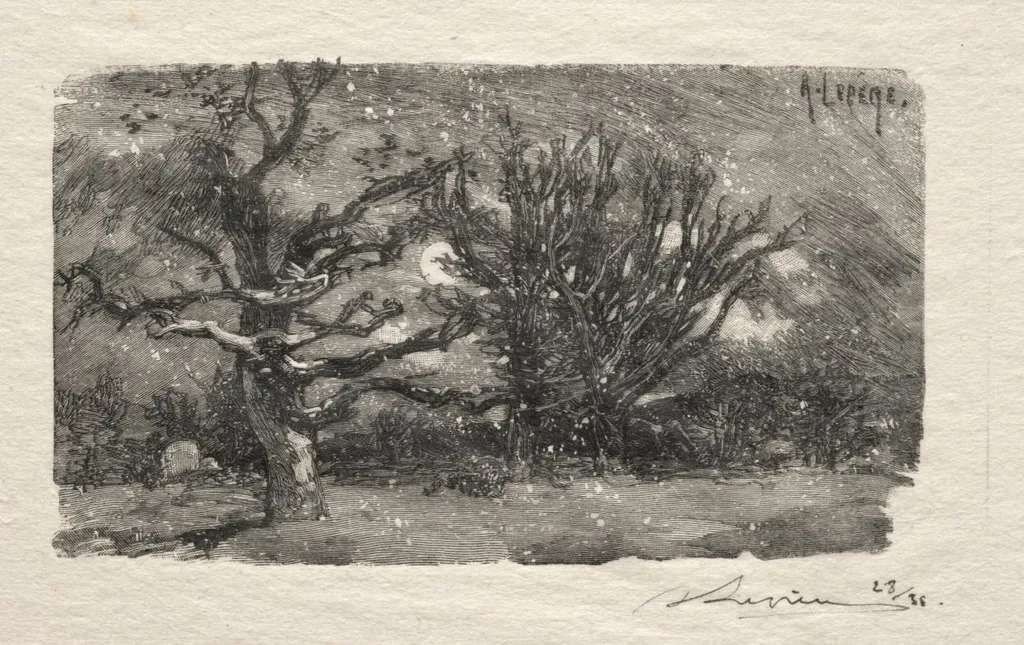
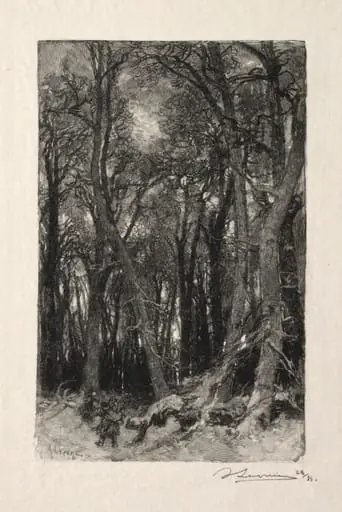
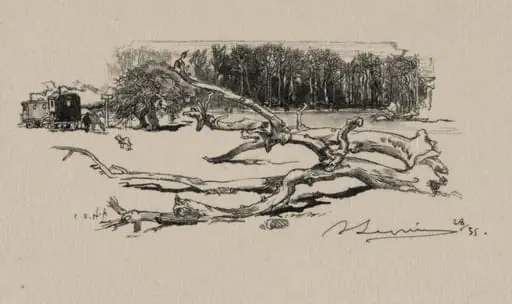
Au dormoir de Lantara is a print by the Impressionist artist Auguste Lepère. It dates from 1894 and is held in the collection of the Cleveland Museum of Art.
About this work
Overview
Auguste Louis Lepère, a French artist instrumental in the 19th-century revival of wood engraving, produced *Au dormoir de Lantara* in 1894. The print, held by The Cleveland Museum of Art, captures a solitary woodland scene in monochrome. Lepère’s technique emphasizes texture and atmosphere over detail, using fine, dynamic lines to evoke the quiet tension of a forest at twilight.
Subject & Meaning
No human figures appear, yet the composition implies an unspoken stillness—perhaps the hush of nightfall or the quiet of a place untouched by time.
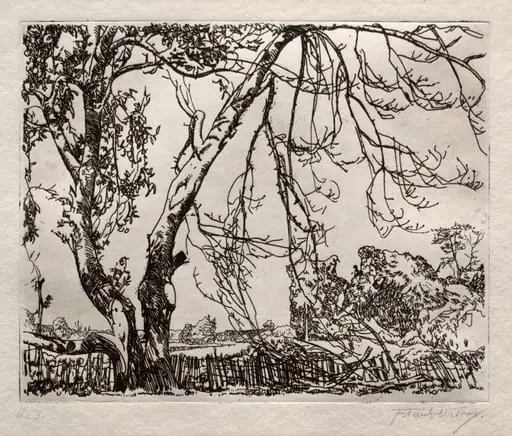
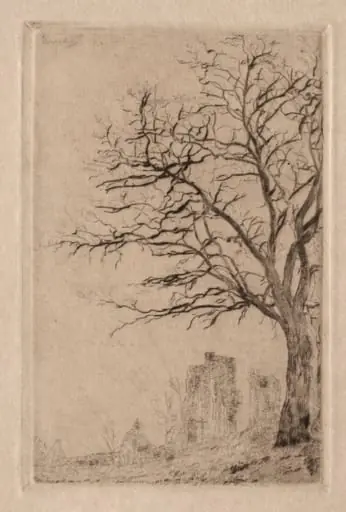
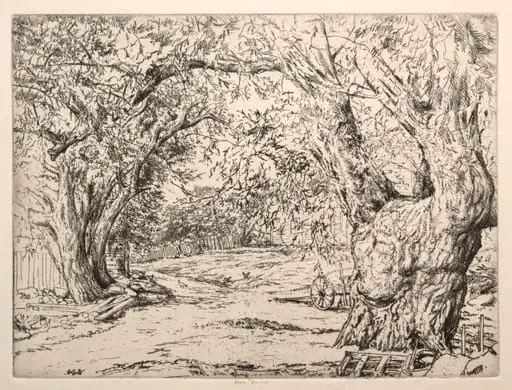
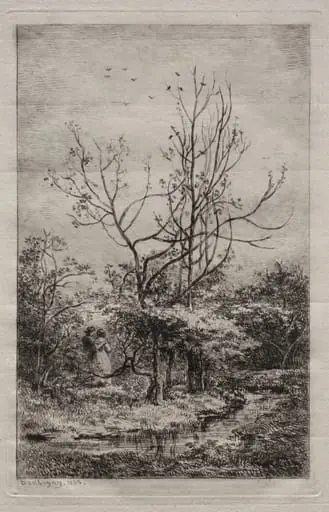
The scene depicts a secluded grove of gnarled, leafless trees whose twisted roots grip the earth. To the right, dense underbrush obscures a form in shadow, suggesting hidden movement or presence. No human figures appear, yet the composition implies an unspoken stillness—perhaps the hush of nightfall or the quiet of a place untouched by time. The ambiguity invites contemplation rather than narrative.
Technique & Style
Lepère employed wood engraving with a sketch-like immediacy, using rapid, varied incisions to model light and depth. The background’s rough, stippled strokes suggest distant trees and a low sky, while the central trunks are defined by sharp, angular lines. This approach, rooted in printmaking traditions, echoes the tonal experimentation of early Impressionism, translating its sensitivity to atmosphere into the medium of black-and-white relief.
History & Provenance
Created in 1894, the print emerged during a period when Lepère was actively promoting wood engraving as a fine art form in Europe, countering the dominance of photographic reproduction. It entered the collection of The Cleveland Museum of Art in the 20th century, where it remains as part of a broader effort to preserve the artistic potential of print media in the modern era.
Context
Lepère worked alongside other artists seeking to elevate printmaking beyond illustration. In an age of industrial reproduction, his hand-carved plates emphasized the artist’s hand and the materiality of the medium. *Au dormoir de Lantara* reflects broader European interests in nature’s subtleties, aligning with Symbolist and Impressionist currents that valued mood over literal representation.
Legacy
Though not widely known today, Lepère’s work contributed to the recognition of wood engraving as a legitimate artistic medium. His emphasis on tonal nuance and expressive line influenced later printmakers who sought to merge technical precision with emotional resonance. *Au dormoir de Lantara* stands as a quiet testament to the power of restraint in visual storytelling.
Artist & collection
Artist
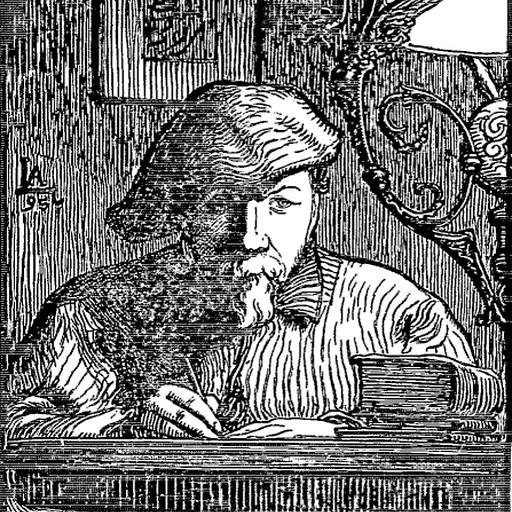
Louis-Auguste Lepère (30 November 1849 – 20 November 1918) was a French painter and etcher. Lepère is also considered a leader in the creative revival of wood engraving in Europe.