Artwork
Paris Almanac, 1897: Decorative Border, Autumn
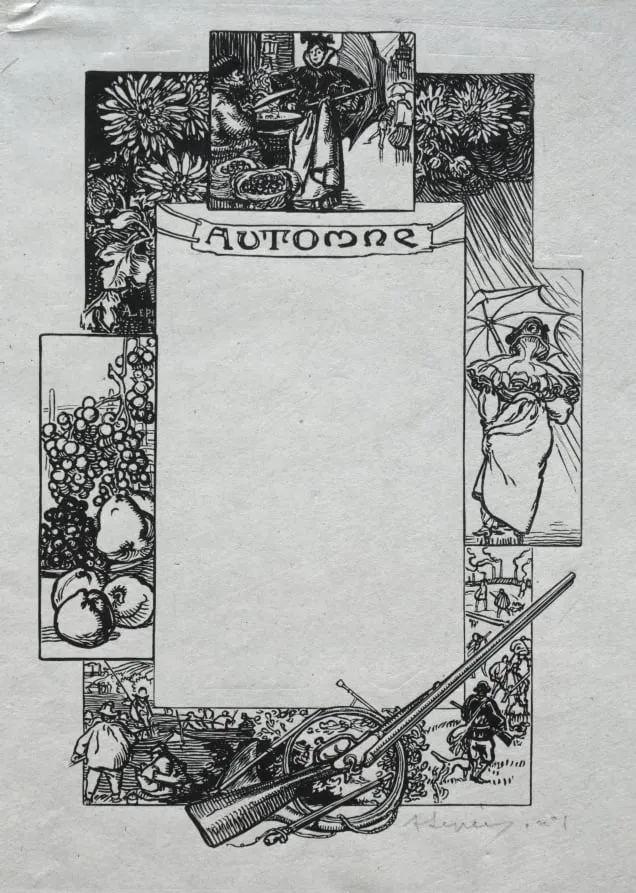
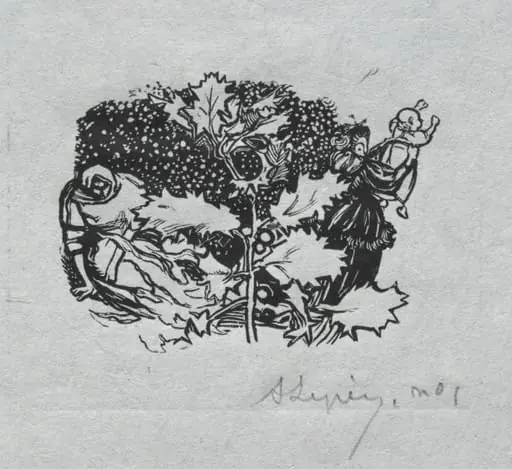
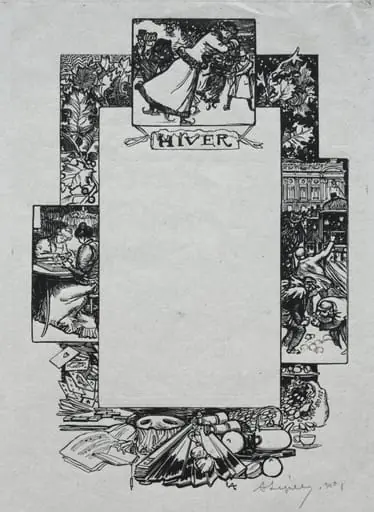
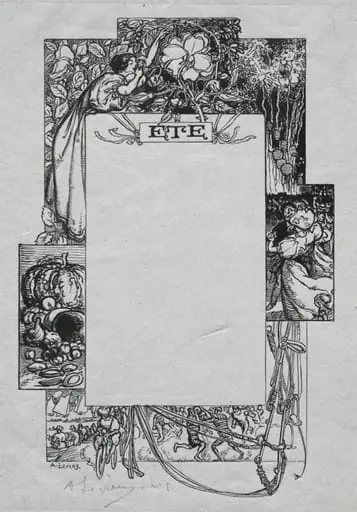
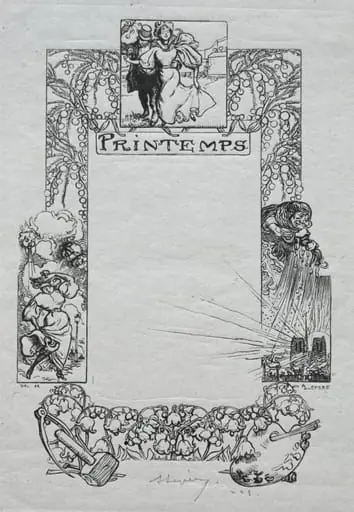
Paris Almanac, 1897: Decorative Border, Autumn is a print by the Impressionist artist Auguste Lepère. It dates from 1897 and is held in the collection of the Cleveland Museum of Art. Created in 1897 by Auguste Louis Lepère, this wood engraving forms part of a seasonal series commissioned for the Paris Almanac.
About this work
Overview
Created in 1897 by Auguste Louis Lepère, this wood engraving forms part of a seasonal series commissioned for the Paris Almanac. Lepère, instrumental in the European revival of wood engraving, used fine linear precision to craft a monochrome border design. The work exemplifies late 19th-century interest in decorative printmaking, blending artistic craft with functional publication design.
Subject & Meaning
These scenes reflect rural and domestic life, capturing quiet, cyclical labor without idealization.
The border depicts four vignettes symbolizing autumn’s rhythms: a woman sheltered under an umbrella amid falling leaves, a table laden with harvested fruit, a figure gathering firewood, and a farmer guiding a horse through a plowed field. The word 'AUTOMNE' anchors the composition, reinforcing the season’s thematic unity. These scenes reflect rural and domestic life, capturing quiet, cyclical labor without idealization.
Technique & Style
Executed in black ink on white paper, the piece relies entirely on line work to define form and texture. Lepère employed sharp, controlled engraving to render fine details—leaf veins, woven baskets, furrowed soil—without shading or color. The heavy outlines and flat tonal contrasts emulate pen-and-ink drawing, emphasizing clarity and structure over atmospheric effect.
History & Provenance
The print was produced as a decorative element for the 1897 edition of the Paris Almanac, a popular annual publication featuring illustrations and seasonal content. Lepère’s involvement reflects his role in elevating printmaking as a respected art form. While the original publication context is documented, the specific provenance of surviving impressions remains largely unrecorded in public archives.
Context
This work emerged during a period when French artists revisited traditional print techniques in response to industrialization and the rise of photography. Wood engraving, once a commercial medium, gained renewed artistic credibility. Lepère’s border aligns with broader trends in Art Nouveau and Realism, valuing craftsmanship and everyday observation over grand narrative.
Legacy
Lepère’s contributions helped reestablish wood engraving as a viable medium for fine art in Europe. Though this particular border was functional, its technical rigor and attention to seasonal life influenced later printmakers. It remains a quiet testament to the dignity of ordinary labor and the quiet aesthetic of late 19th-century graphic design.
Artist & collection
Artist
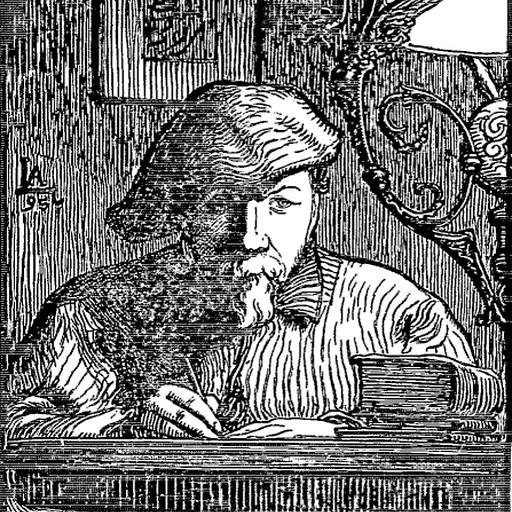
Louis-Auguste Lepère (30 November 1849 – 20 November 1918) was a French painter and etcher. Lepère is also considered a leader in the creative revival of wood engraving in Europe.