Artwork
Regardant la plaine du Rhin
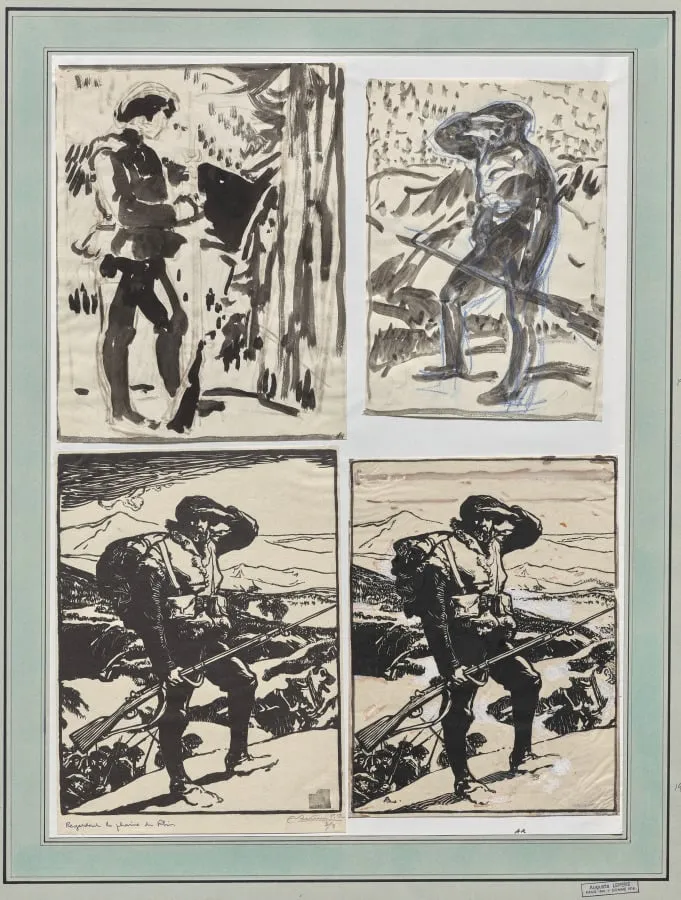
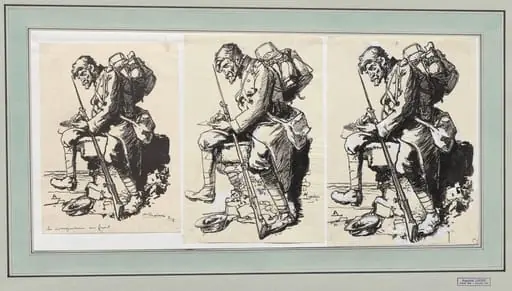
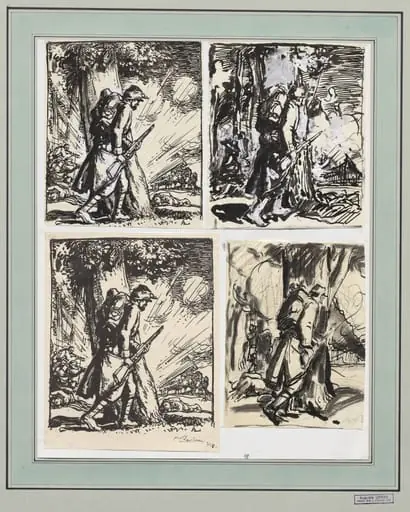
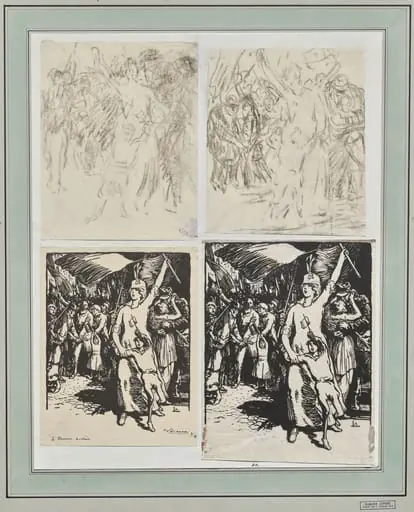
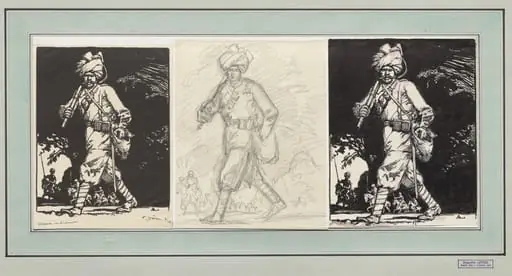
Regardant la plaine du Rhin is a drawing by Auguste Lepère. It dates from 1914 and is held in the collection of the Cleveland Museum of Art.
About this work
Overview
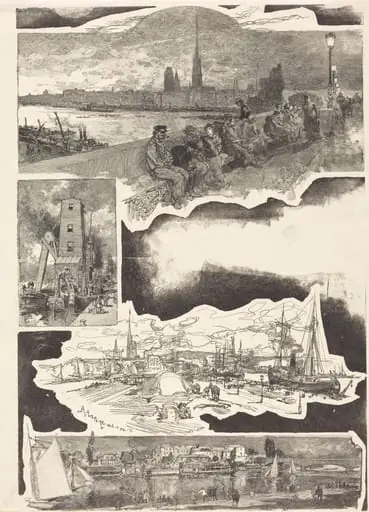
Lepère, known for revitalizing wood engraving as a fine art medium, employed bold, hand-carved lines to render four figures in varying postures.
Created in 1914 by French artist Auguste Louis Lepère, *Regardant la plaine du Rhin* is a wood engraving that captures a quiet moment among soldiers on the Rhine plain. Lepère, known for revitalizing wood engraving as a fine art medium, employed bold, hand-carved lines to render four figures in varying postures. The work is held in the collection of The Cleveland Museum of Art, reflecting its significance in early 20th-century printmaking.
Subject & Meaning
The drawing depicts four soldiers stationed outdoors, each in a distinct stance—some shielding their eyes, others adjusting headgear or holding rifles. Their gestures suggest vigilance or fatigue, evoking the stillness before conflict. No narrative is explicit, but the group’s quiet presence conveys the tension of wartime anticipation. The absence of landscape detail focuses attention on the human figures and their unspoken resolve.
Technique & Style
Lepère used wood engraving to achieve sharp contrasts between light and dark, employing thick, irregular strokes to model form and depth. The figures emerge from a field of white paper through dense, textured shadows, demonstrating a mastery of chiaroscuro. Lines are deliberately rough, avoiding polish to enhance emotional immediacy. Facial features and hands are simplified yet expressive, relying on tone rather than detail to convey character.
History & Provenance
The work was produced in 1914, just as Europe edged toward war, and reflects Lepère’s continued engagement with printmaking during a period of artistic transition. It entered the collection of The Cleveland Museum of Art through documented acquisition, likely as part of a broader interest in European graphic arts during the early 20th century. Its preservation underscores its role in the revival of wood engraving as a serious artistic medium.
Context
Lepère was part of a French movement to elevate wood engraving beyond illustration, aligning it with fine art traditions. In 1914, as nationalism and militarism intensified across Europe, artists turned to intimate, personal subjects to reflect the human dimension of impending conflict. This drawing, though quiet, resonates with the era’s unease, standing apart from grand historical narratives in favor of understated observation.
Legacy
Lepère’s work influenced later printmakers by demonstrating how wood engraving could convey psychological depth without elaborate detail. *Regardant la plaine du Rhin* remains a key example of early modern printmaking that prioritized emotional resonance over technical perfection. Its presence in major collections affirms its role in the redefinition of print as a medium for personal and contemporary expression.
Artist & collection
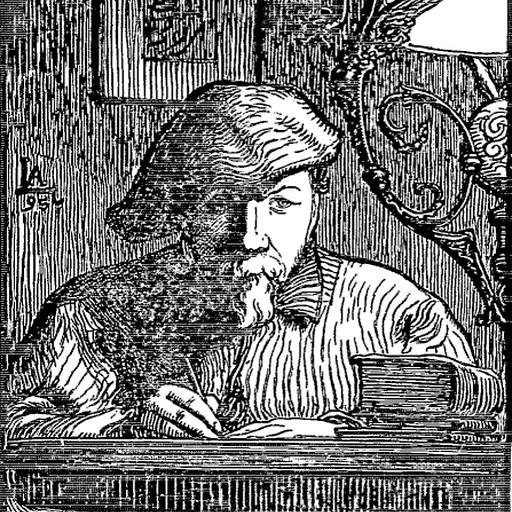
Artist
Louis-Auguste Lepère (30 November 1849 – 20 November 1918) was a French painter and etcher. Lepère is also considered a leader in the creative revival of wood engraving in Europe.