Artwork
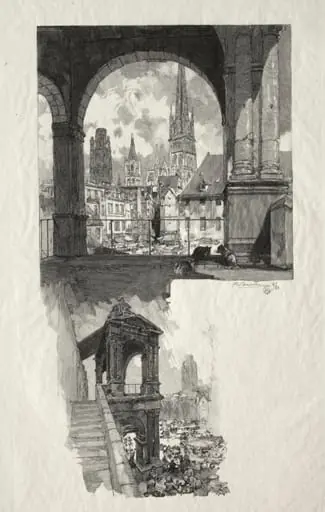
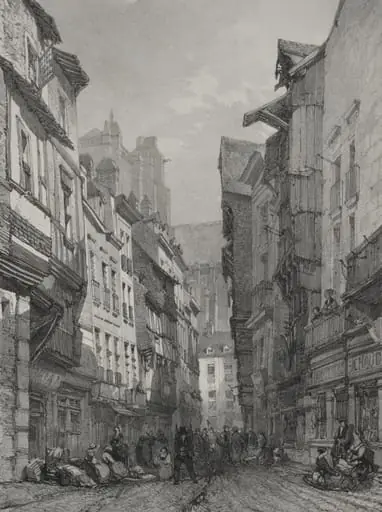
Rouen Illustré: Cour de L'Albane; Rue Saint Romain; L'aubette Rue Armand - Carrel
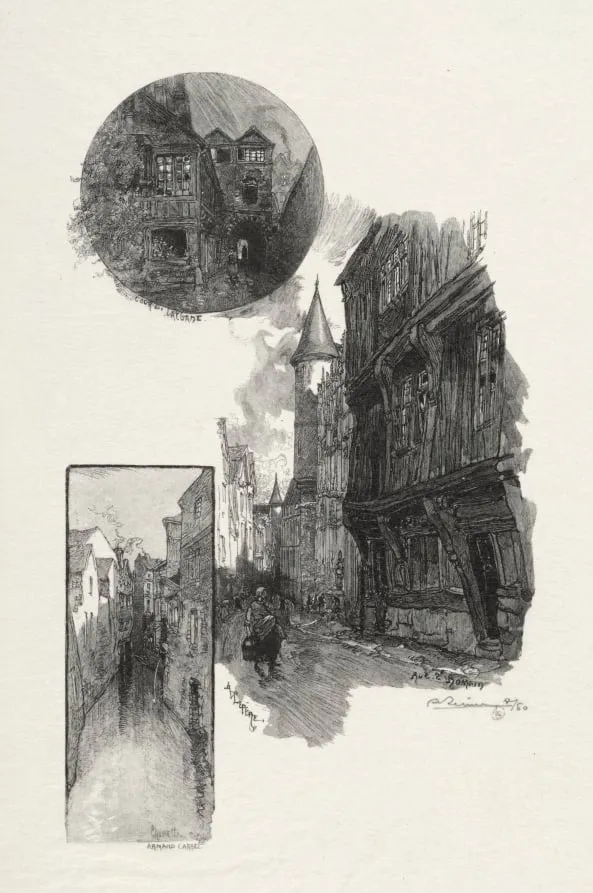
Rouen Illustré: Cour de L'Albane; Rue Saint Romain; L'aubette Rue Armand - Carrel is a print by the Impressionist artist Auguste Lepère. It dates from 1896 and is held in the collection of the Cleveland Museum of Art. Created in 1896 by Auguste Louis Lepère, this print is one of several documenting urban scenes in Rouen, France.
About this work
Overview
Executed in wood engraving, it captures three distinct street views: Cour de L'Albane, Rue Saint Romain, and L'aubette Rue Armand.
Created in 1896 by Auguste Louis Lepère, this print is one of several documenting urban scenes in Rouen, France. Executed in wood engraving, it captures three distinct street views: Cour de L'Albane, Rue Saint Romain, and L'aubette Rue Armand. The work reflects Lepère’s dedication to reviving traditional woodcut techniques in late 19th-century Europe, emphasizing detailed observation over idealized composition.
Subject & Meaning
The print depicts modest, aging urban architecture—narrow alleys, leaning walls, and uneven cobblestones—without romanticizing their decay. Figures move quietly through the scene, underscoring daily life rather than dramatic events. The inclusion of a distant church tower anchors the composition in the city’s religious and civic identity, while the inset sketch suggests a layered, documentary approach to recording place.
Technique & Style
Lepère employed fine, incised lines in wood engraving to render texture and depth. The contrast between light and shadow—chiaroscuro—is used to model the weathered surfaces of timber and stone, with areas of deep black suggesting recesses and overhangs. The sketchlike quality of the lines conveys immediacy, as if the scene was observed and recorded on-site, prioritizing atmospheric effect over polished finish.
History & Provenance
The print entered the collection of The Cleveland Museum of Art as part of a broader acquisition of European graphic works from the late 19th century. It was produced during a period when Lepère was actively promoting wood engraving as a fine art medium, collaborating with publishers and artists to elevate the technique beyond commercial illustration.
Context
In the 1890s, French artists increasingly turned to urban and architectural subjects as industrialization transformed traditional landscapes. Lepère’s focus on Rouen’s lesser-known courtyards and side streets aligned with a growing interest in documenting authentic, everyday environments, countering the grand narratives of academic painting with intimate, observational realism.
Legacy
Lepère’s wood engravings, including this work, influenced a generation of printmakers who valued precision and tonal nuance over boldness. His commitment to technical revival helped preserve wood engraving as a legitimate artistic medium in the face of rising photographic reproduction, ensuring its place in modern printmaking history.
Artist & collection
Artist
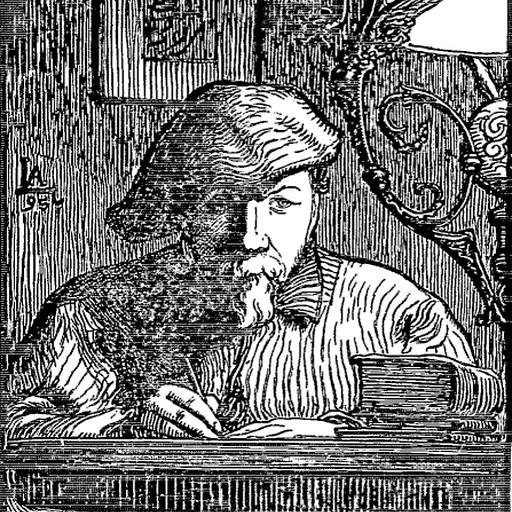
Louis-Auguste Lepère (30 November 1849 – 20 November 1918) was a French painter and etcher. Lepère is also considered a leader in the creative revival of wood engraving in Europe.

 Place de la Haute Vieille Tour; Edicule de la Fierte
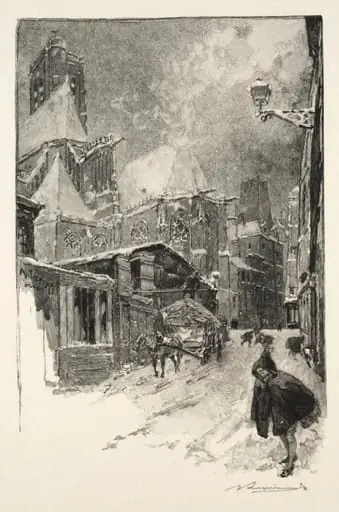 La Rue des Barres
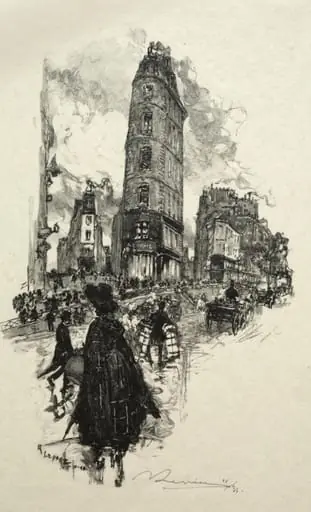 Coin de la Rue de la Lune
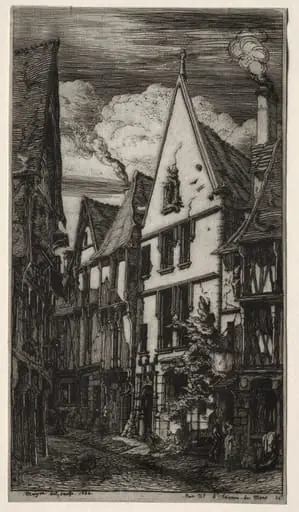 Rue des Toiles, Bourges
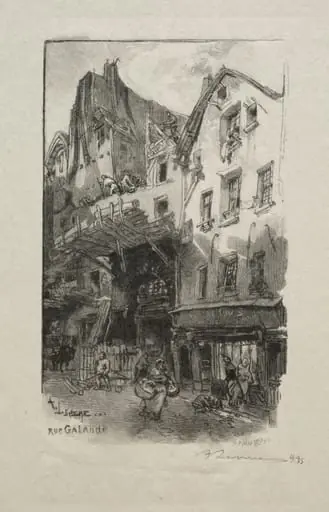 Rue Galande
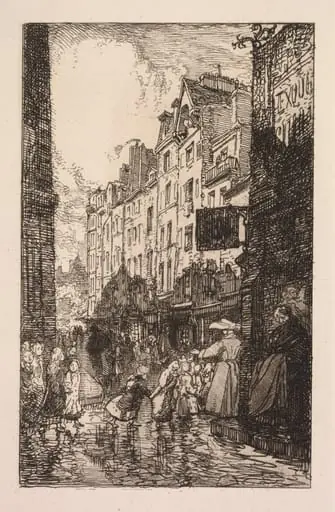 La Biévre, Les Gobelins, Saint-Séverin: Le Quartier Saint-Séverin: La Rue des Prêtres Saint-Séverin
 Voyages pittoresques et romantiques dans l'ancienne France. Bretagne: Grande rue vieille à Nantes