Artwork
La Rue des Barres
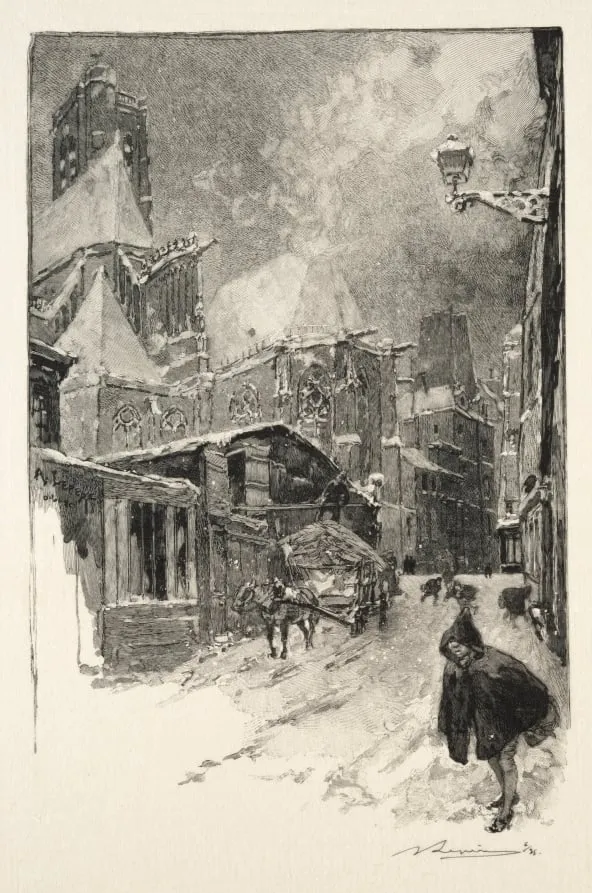
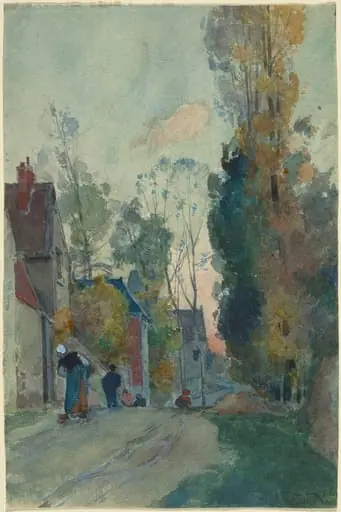
La Rue des Barres is a print by the Impressionist artist Auguste Lepère. It dates from 1886 and is held in the collection of the Cleveland Museum of Art.
About this work
Overview
Created in 1886, *La Rue des Barres* is a print by Auguste‑Louis Lepère that exemplifies his dual practice as a painter and etcher. The work portrays a quiet Parisian street, its architecture rendered with careful observation, and reflects Lepère’s involvement in the late‑19th‑century revival of wood‑engraving techniques across Europe.
Subject & Meaning
The composition centers on a narrow urban thoroughfare framed by stone façades and a distant church tower. A lone figure, cloaked and hat‑clad, walks slowly, suggesting a moment of personal reflection amid the city’s bustle. The scene conveys a subdued atmosphere, emphasizing the interplay between built environment and solitary presence.
Technique & Style
Executed in a realistic manner, the print relies on fine line work and tonal modulation to model light and shadow across the street’s surfaces. Lepère’s handling of texture—brick, stone, fabric—creates depth, while the chiaroscuro effects lend the image a calm, contemplative mood without resorting to dramatization.
History & Provenance
*La Rue des Barres* emerged during a period when Lepère was actively promoting wood engraving as a fine‑art medium, positioning the work within broader efforts to re‑establish the technique in European printmaking. The piece remains documented as part of his 1880s output, illustrating his contribution to both the visual record of Paris and the technical evolution of print media.
Artist & collection
Artist
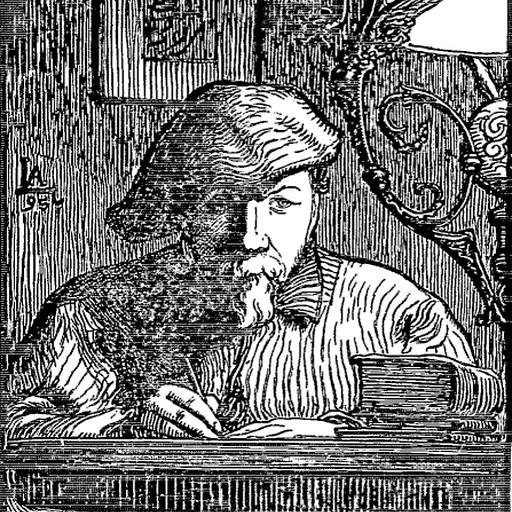
Louis-Auguste Lepère (30 November 1849 – 20 November 1918) was a French painter and etcher. Lepère is also considered a leader in the creative revival of wood engraving in Europe.

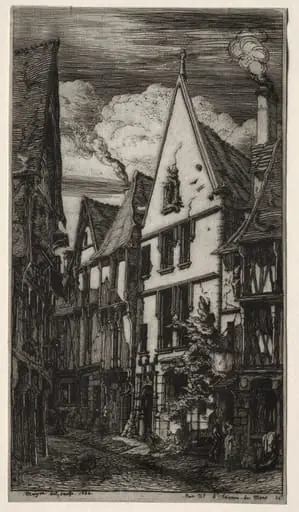 Rue des Toiles, Bourges
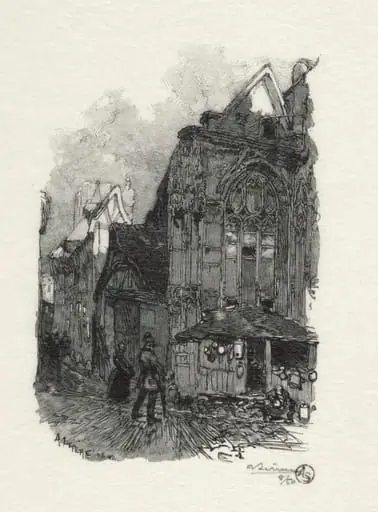 Rouen Illustré: Saint Etienne des Tonneliers
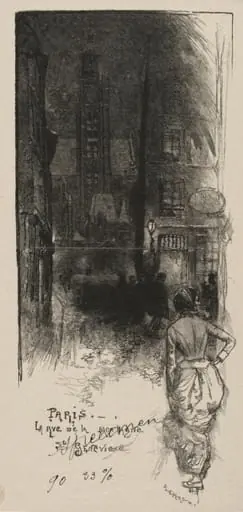 Rue de la Montagne, St. Geneviève
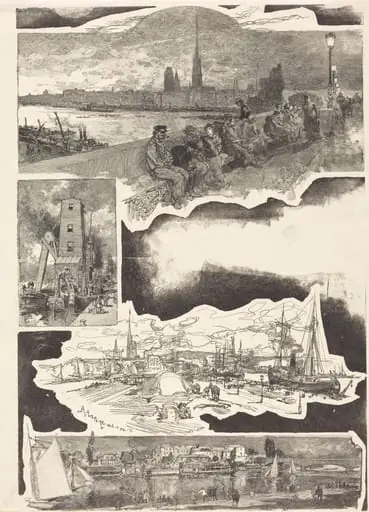
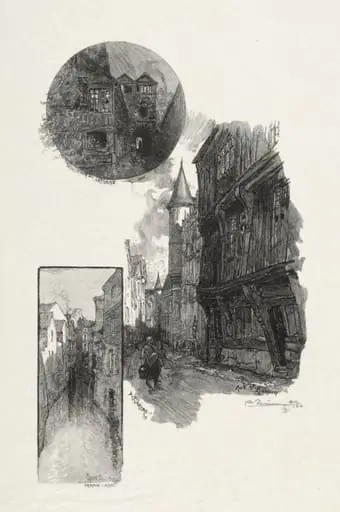 Rouen Illustré: Cour de L'Albane; Rue Saint Romain; L'aubette Rue Armand - Carrel
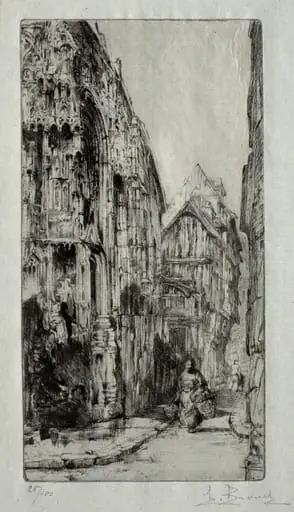 Saint-Etienne des Tonneliers a Rouen
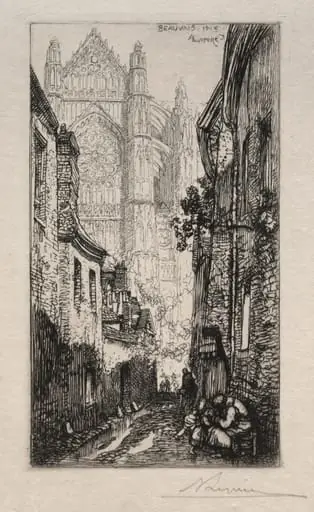 Narrow Street, Beauvais (Une Ruelle, Beauvais)
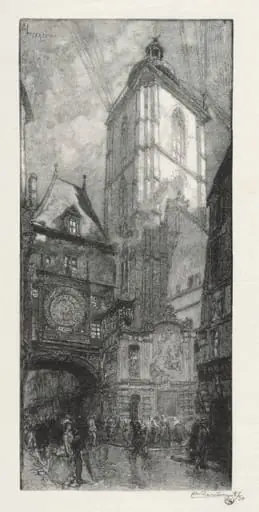 Rouen Illustré: La Gros Horloge
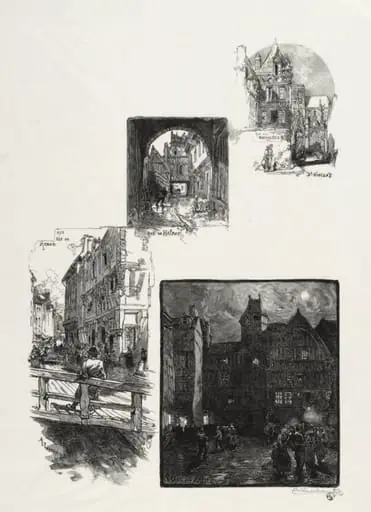 Rouen Illustré: Rue des Charretes; Rue de Halage; Rue Eau de Robec; Place des Arts