Artwork
Soldat allemand
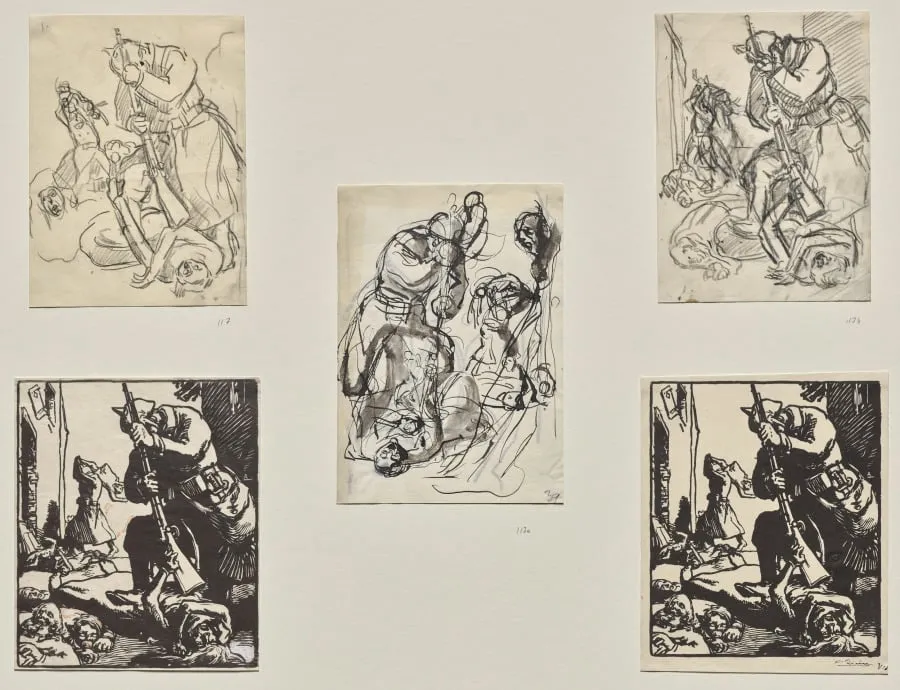
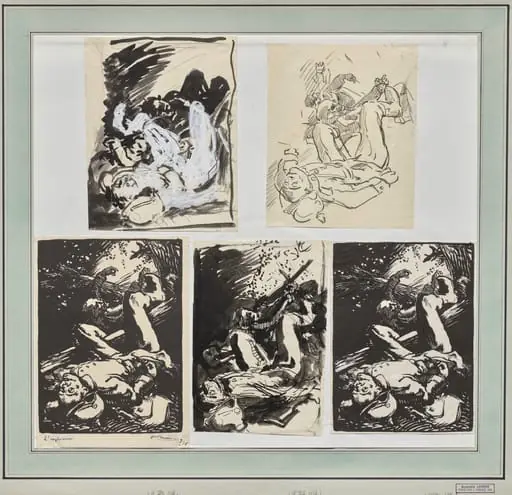
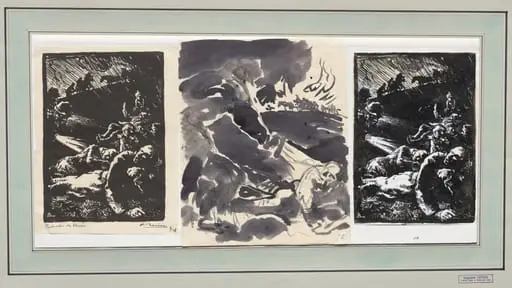
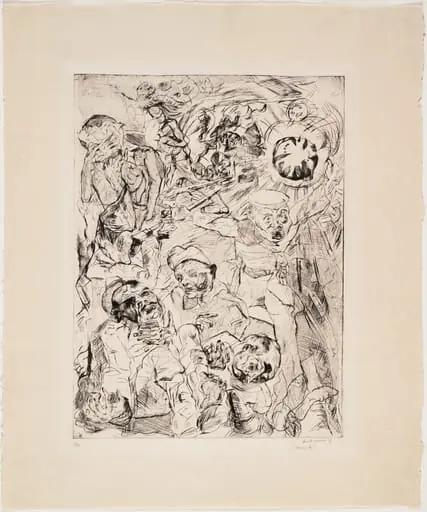
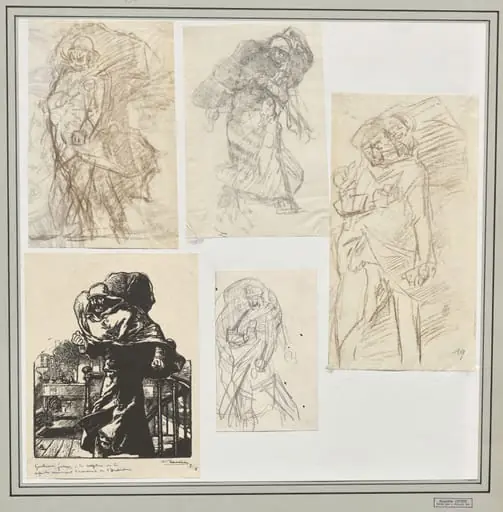
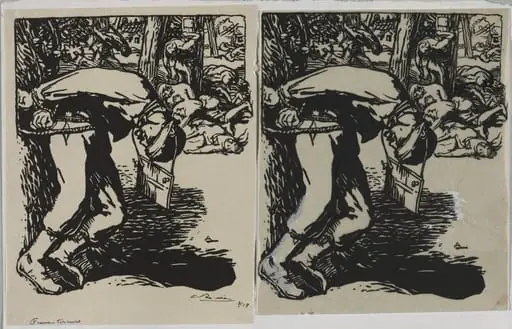
Soldat allemand is a drawing by Auguste Lepère. It dates from 1914 and is held in the collection of the Cleveland Museum of Art.
About this work
Overview
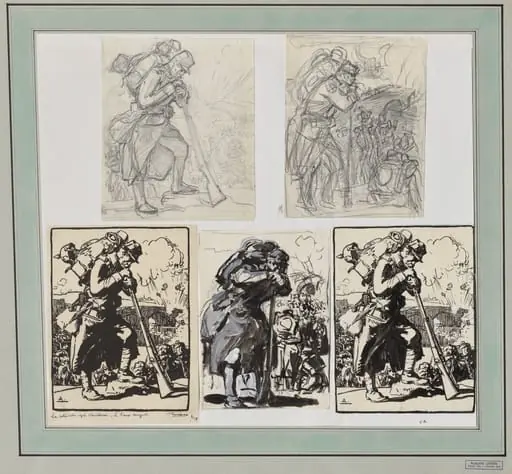
Auguste‑Louis Lepère’s 1914 drawing, titled *Soldat allemand*, is an etching that forms part of the Cleveland Museum of Art’s collection. Lepère, a French painter and printmaker, was instrumental in the early twentieth‑century revival of wood‑engraving techniques across Europe. The work presents a solitary German infantryman in a stark, confrontational pose.
Subject & Meaning
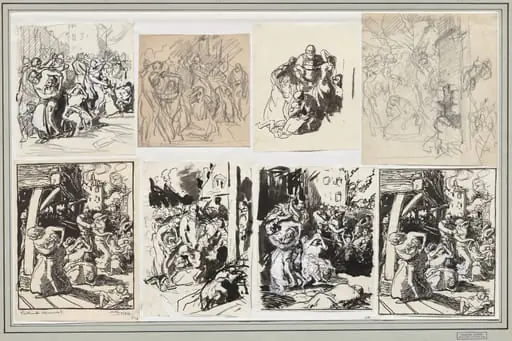
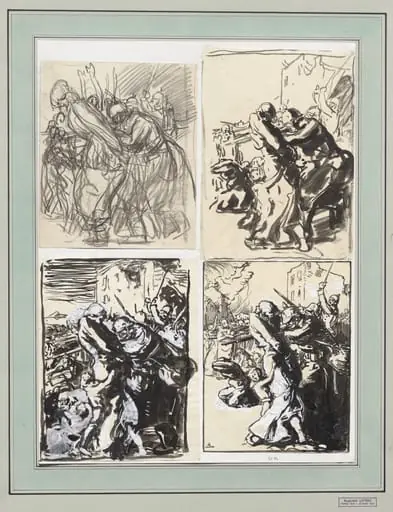
The image shows a soldier in heavy boots, his face obscured, standing over a cluster of fallen figures. His raised arm suggests a weapon, conveying tension and aggression. The ambiguous background—suggested rocks or additional bodies—heightens the sense of a battlefield aftermath, inviting reflection on the anonymity and brutality of war.
Technique & Style
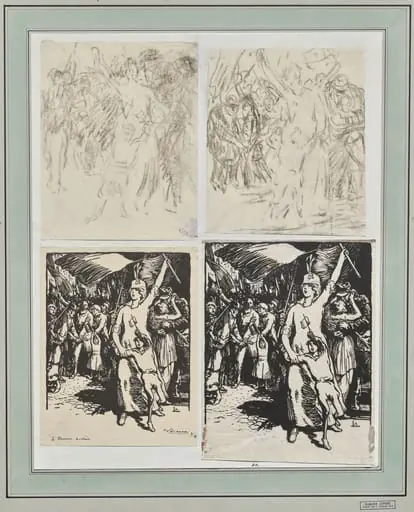
Executed as an etching, the piece relies on bold, jagged lines that give the composition a sketch‑like immediacy. Areas of dense black contrast with lighter passages and subtle gray washes, employing chiaroscuro to accentuate volume and drama. The rough, scribbled quality underscores the urgency of the subject.
History & Provenance
Created in the first year of World War I, *Soldat allemand* entered the Cleveland Museum of Art’s holdings through a mid‑twentieth‑century acquisition, though the exact path of ownership prior to that remains undocumented in public records.
Context
Lepère’s work emerged amid a broader European resurgence of wood‑based print media, which artists used to comment on contemporary events. The etching’s stark portrayal of a German combatant reflects the heightened anxieties and propagandistic imagery circulating at the war’s outset.
Artist & collection
Artist
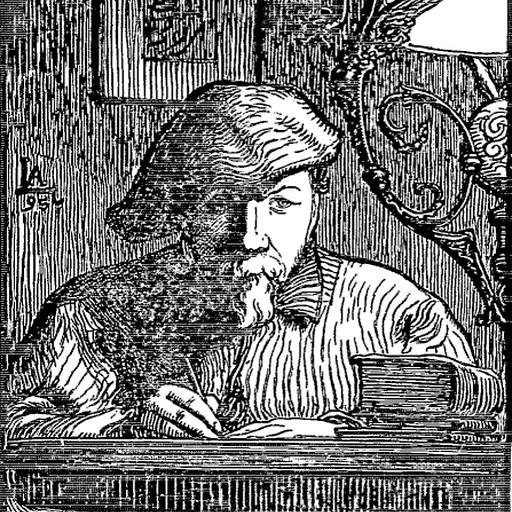
Louis-Auguste Lepère (30 November 1849 – 20 November 1918) was a French painter and etcher. Lepère is also considered a leader in the creative revival of wood engraving in Europe.