Artwork
La Retraite après Charleroi...
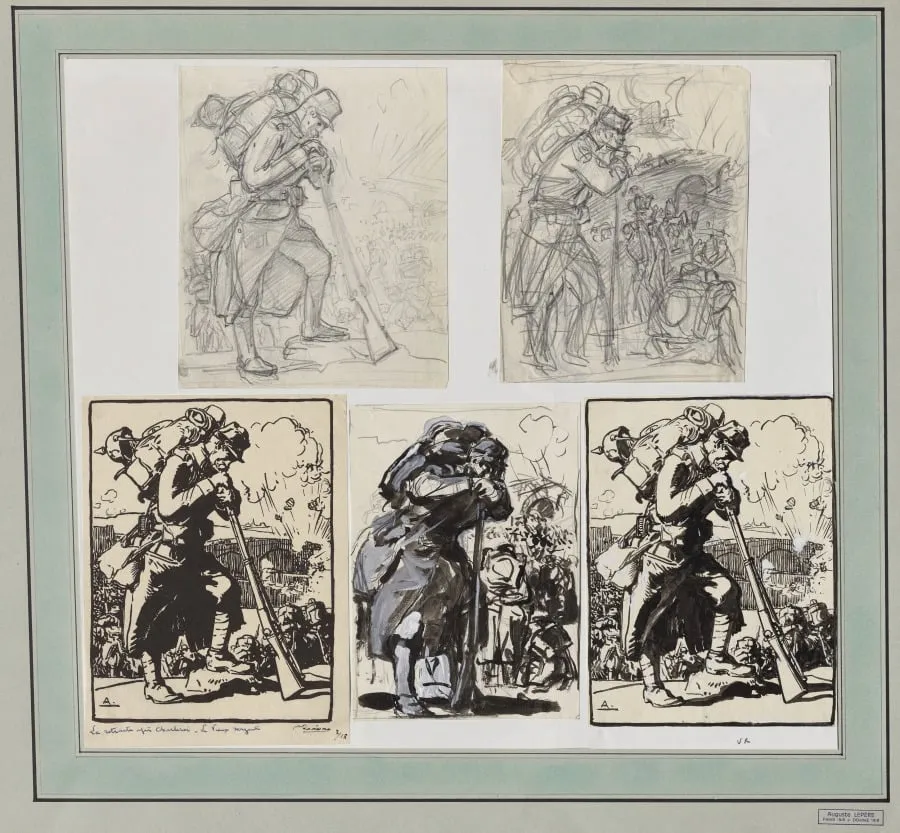
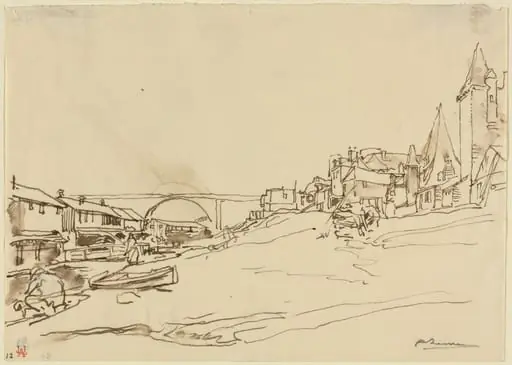
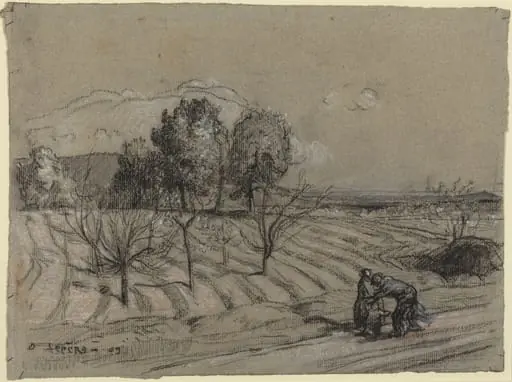
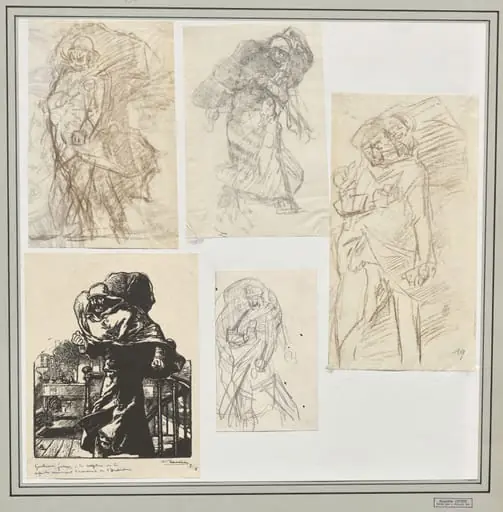
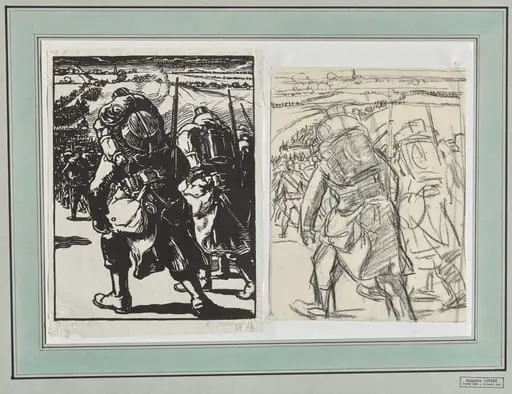
La Retraite après Charleroi... is a drawing by Auguste Lepère. It dates from 1914 and is held in the collection of the Cleveland Museum of Art. La Retraite après Charleroi.
About this work
La Retraite après Charleroi is a work by Auguste Louis Lepère.
The title suggests it depicts a scene related to a retreat, possibly a military one, given the context of the year 1914. This was a significant time in history, marked by the start of World War I.
You can learn more about the artist's style and other works at The Cleveland Museum of Art.
Overview
La Retraite après Charleroi... is a 1914 drawing by French artist Auguste Louis Lepère, a key figure in the European revival of wood engraving. The work captures a moment of retreat, contextualized by its creation during the onset of World War I.
Subject & Meaning
The drawing likely portrays a military retreat, given the 1914 date, situating it within the early stages of World War I. The subject reflects a somber, wartime moment rather than a peaceful withdrawal.
Technique & Style
While the primary medium is drawing, Lepère's engagement with printmaking techniques, particularly wood engraving, influenced his artistic approach during this period of medium revival in Europe.
History & Provenance
Created in 1914, the drawing is now part of The Cleveland Museum of Art's collection, providing a historical artifact from the war's initial year.
Context
The work's creation coincides with the outbreak of World War I and the resurgence of wood engraving in Europe, linking it to both historical and artistic movements of the time.
Artist & collection
Artist
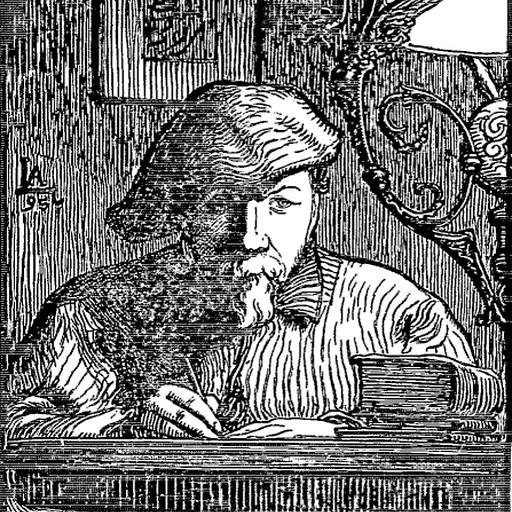
Louis-Auguste Lepère (30 November 1849 – 20 November 1918) was a French painter and etcher. Lepère is also considered a leader in the creative revival of wood engraving in Europe.