Artwork
Village of Meule
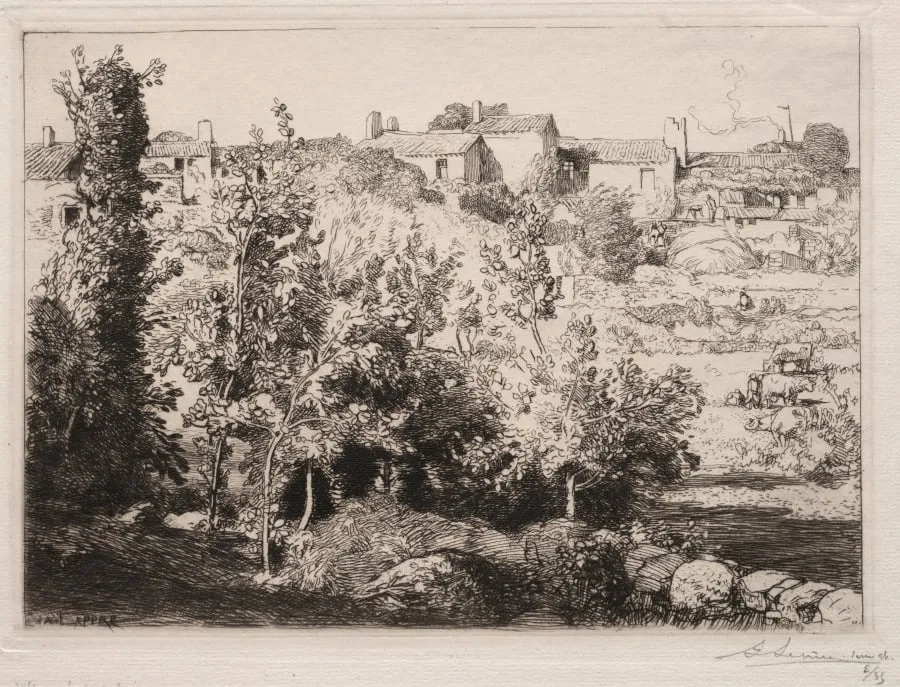
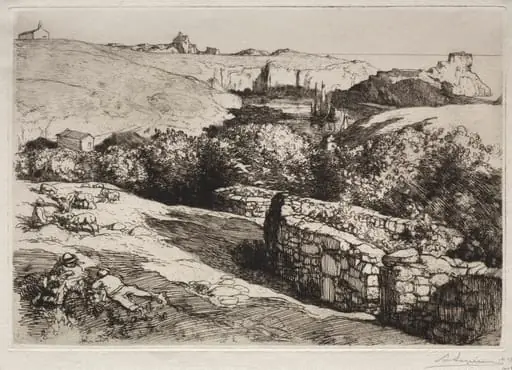
Village of Meule is a print by Auguste Lepère. It dates from 1907 and is held in the collection of the Cleveland Museum of Art.
About this work
Overview
This work exemplifies his dedication to printmaking as a serious artistic form, distinct from painting, and reflects his interest in naturalistic observation.
Auguste Louis Lepère, a French artist active in the late 19th and early 20th centuries, produced *Village of Meule* in 1907 as a wood engraving. Known for revitalizing the medium in Europe, he used fine linear techniques to capture quiet rural scenes. This work exemplifies his dedication to printmaking as a serious artistic form, distinct from painting, and reflects his interest in naturalistic observation.
Subject & Meaning
The scene depicts a modest village partially concealed by dense foliage, suggesting a retreat from urban life. A narrow stream winds through the foreground, bordered by rocks and grass, while simple dwellings with sloped roofs emerge faintly in the background. The composition conveys stillness and seclusion, emphasizing harmony between architecture and nature rather than human activity or narrative.
Technique & Style
Lepère employed wood engraving, carving fine lines into a hard wood block to create tonal contrasts. He used delicate hatching and varying line density to model light filtering through trees, producing subtle gradations of shadow and glow. The absence of color focuses attention on form and atmosphere, with chiaroscuro effects guiding the viewer’s eye through the layered landscape.
History & Provenance
Created in 1907, the print entered the collection of The Cleveland Museum of Art, where it remains part of its holdings of European prints. Lepère’s work gained recognition during his lifetime for reviving traditional wood engraving, and this piece is one of many that document his technical precision and commitment to the medium during a period dominated by photography and industrial reproduction.
Context
In the early 20th century, as industrialization reshaped European landscapes, artists like Lepère turned to rural subjects as a counterpoint. Wood engraving, once used for illustration, was reimagined by a small circle of printmakers as a vehicle for personal expression. Lepère’s focus on quiet, unpopulated scenes aligned with broader aesthetic movements valuing intimacy and craftsmanship over spectacle.
Legacy
Lepère’s contributions helped sustain wood engraving as a fine art form beyond commercial use. His careful attention to natural light and texture influenced later printmakers interested in tonal subtlety. *Village of Meule* stands as a quiet testament to his belief in the expressive potential of hand-carved lines, preserving a moment of rural serenity through meticulous technique.
Artist & collection
Artist
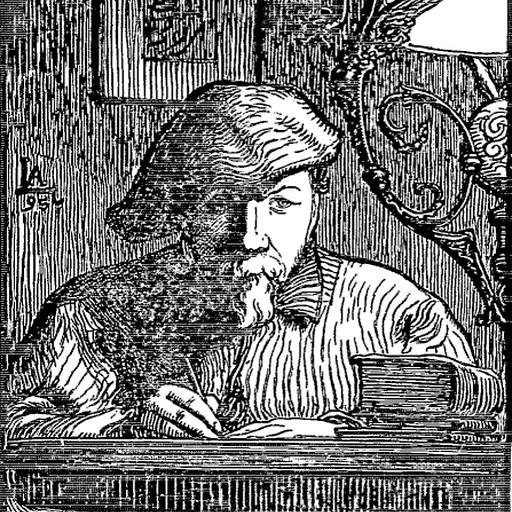
Louis-Auguste Lepère (30 November 1849 – 20 November 1918) was a French painter and etcher. Lepère is also considered a leader in the creative revival of wood engraving in Europe.

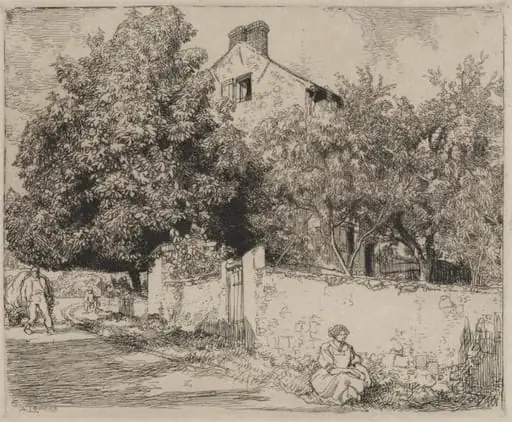 The House of Madame B.
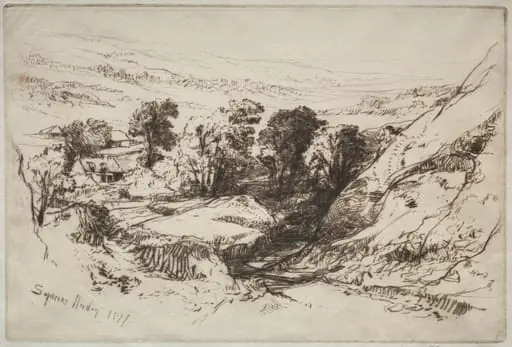 Nine Barrow Down
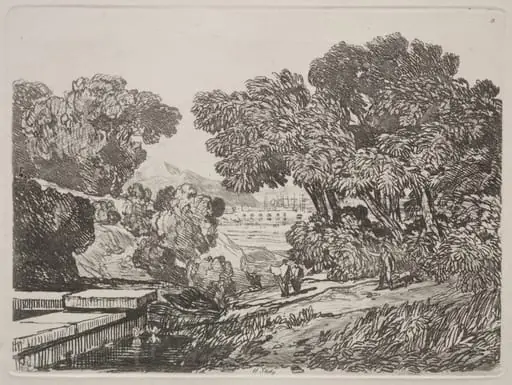 Liber Studiorum: A Study
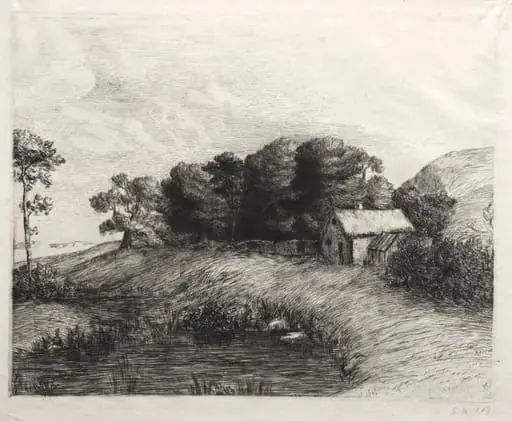 Landscape with a Pond
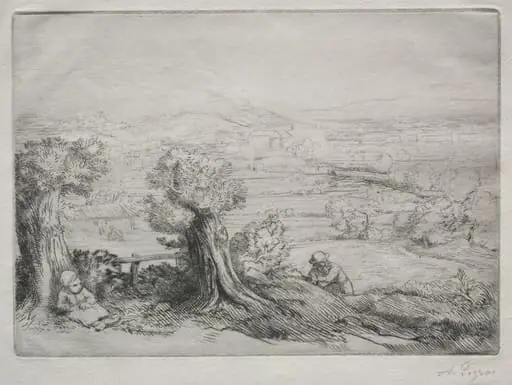 Souvenir d'un Vallée en Bourgogne
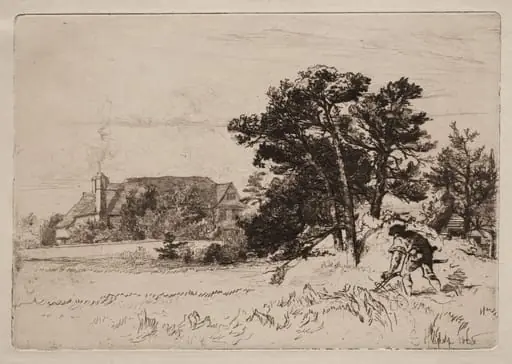 Old Willesley House
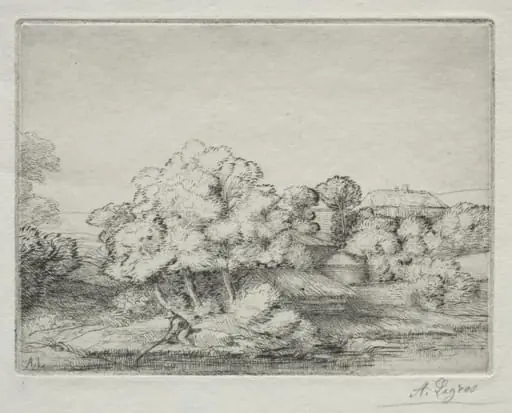 Hamlet near the Lake (Hameau près du Lac)
![Forest on Lago Maggiore [Foresta sul Lago Maggiore], by Giberto Borromeo](https://artifactworldgallery.com/img/giberto-borromeo--forest-on-lago-maggiore-foresta-sul-lago-maggiore--6d25270befdb299f-w320.webp) Forest on Lago Maggiore [Foresta sul Lago Maggiore]
Forest on Lago Maggiore [Foresta sul Lago Maggiore]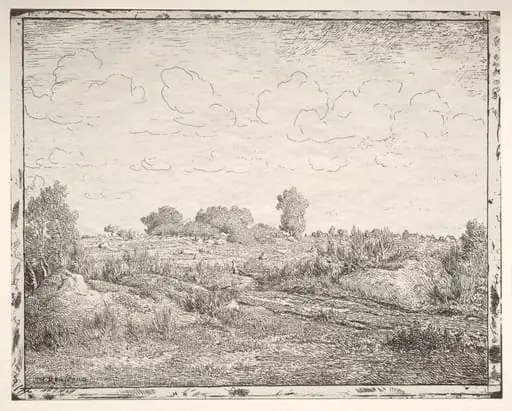 La Plaine de la Plante à Biau
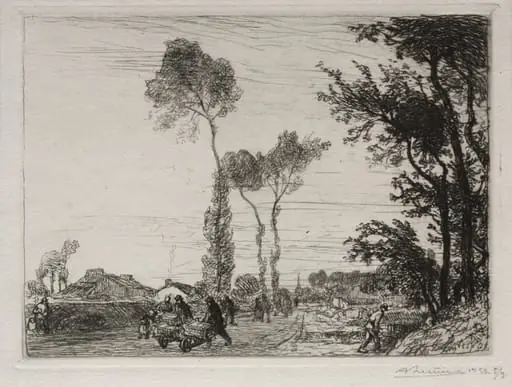 Retour du Marché de St. Jean-de-Mont
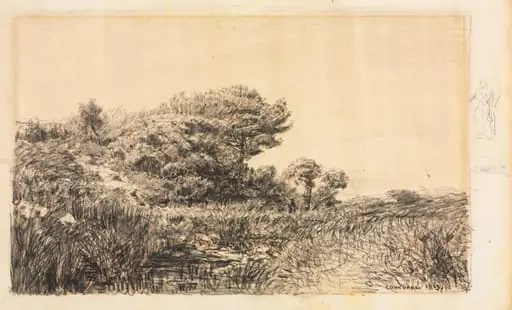 Edge of Marsh at Couronne
 Vue du Port de la Meule