Artwork
Le Printemps
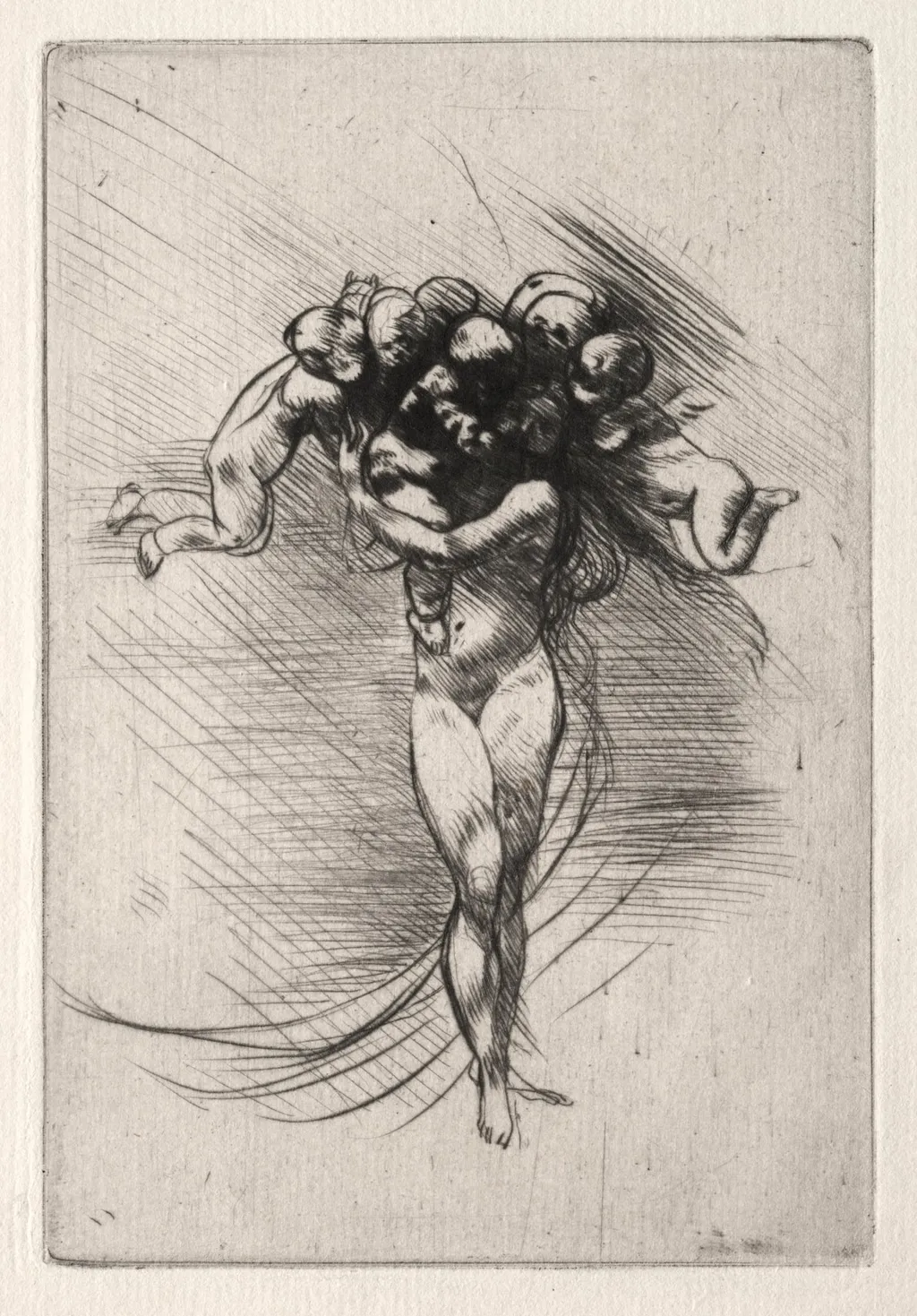
Le Printemps is a print by the Impressionist artist Auguste Rodin. It dates from 1883 and is held in the collection of the Cleveland Museum of Art.
About this work
Overview
Le Printemps is a print created by Auguste Rodin in 1883, emerging from his broader exploration of the human figure in motion.
Le Printemps is a print created by Auguste Rodin in 1883, emerging from his broader exploration of the human figure in motion. Though primarily known as a sculptor, Rodin engaged with graphic media to extend his investigations into form and expression. This work reflects his transition from academic training toward a more expressive, tactile approach to representation, emphasizing physicality and emotional resonance over idealized beauty.
Subject & Meaning
The figure depicts a nude woman in a twisting, inward-turned pose, her arms cradling her head and legs crossed, suggesting introspection or vulnerability. The title, meaning 'Spring,' alludes to renewal and natural vitality, yet the figure’s tension resists simple allegory. Rodin avoids mythological or pastoral clichés, instead presenting a raw, personal moment that evokes the awakening of life through bodily presence rather than symbolic narrative.
Technique & Style
Rodin employed chiaroscuro to model the figure with strong contrasts of light and shadow, enhancing the sense of volume and movement. The surface is rendered with fluid, energetic lines that follow the contours of the body, while the background features ambiguous, diagonal strokes that amplify dynamism. The print’s texture and gestural quality reflect his sculptural sensibility, translating three-dimensional form into two dimensions with tactile immediacy.
History & Provenance
Created during a period when Rodin was refining his personal style beyond academic norms, Le Printemps was produced as part of a series exploring seasonal themes. It was likely printed in limited editions, circulating among collectors and fellow artists. The work remained largely within French artistic circles, gaining recognition for its emotional intensity rather than commercial appeal, and was later absorbed into institutional collections.
Context
In late 19th-century France, traditional academic art was being challenged by more subjective, expressive approaches. Rodin’s work, including this print, aligned with broader shifts toward psychological depth and physical authenticity. While contemporaries pursued clarity and polish, Rodin embraced fragmentation and texture, positioning himself as a bridge between classical training and modernist experimentation.
Legacy
Le Printemps exemplifies Rodin’s influence on modern graphic art, demonstrating how sculpture’s concerns with mass and movement could be translated into printmaking. It contributed to the redefinition of the human figure in art, prioritizing emotional truth over idealization. Later artists drew from its raw energy, recognizing in Rodin’s prints a precedent for expressive line and psychological immediacy in two-dimensional media.
Artist & collection
Artist
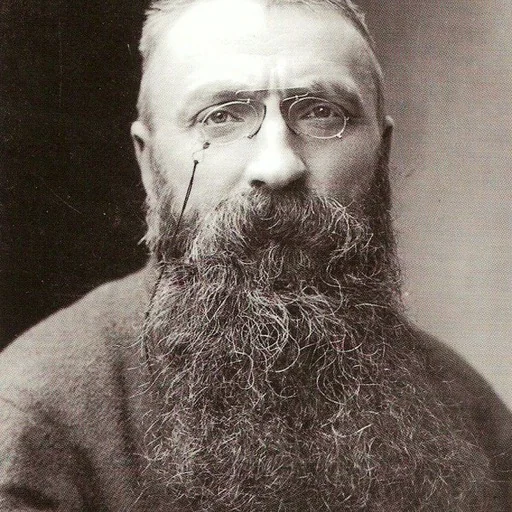
François Auguste René Rodin (; French: ; 12 November 1840 – 17 November 1917) was a French sculptor generally considered the founder of modern sculpture.

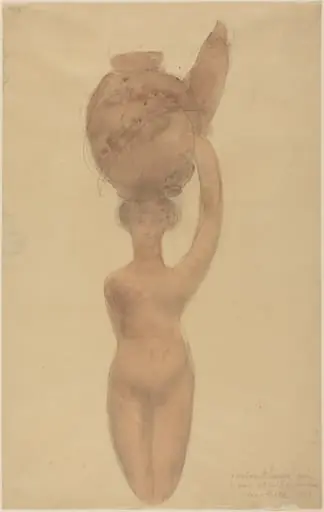
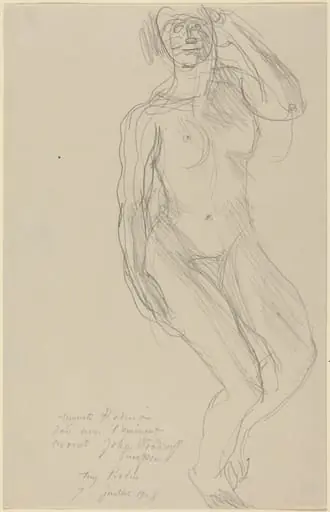
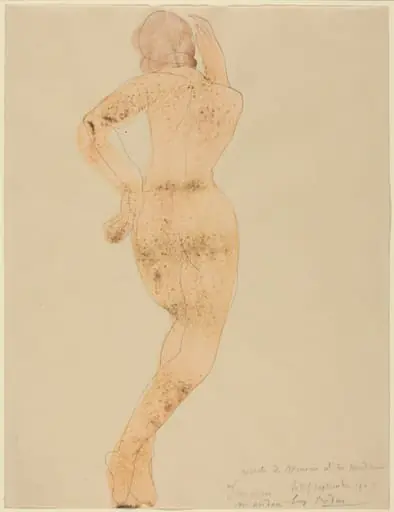
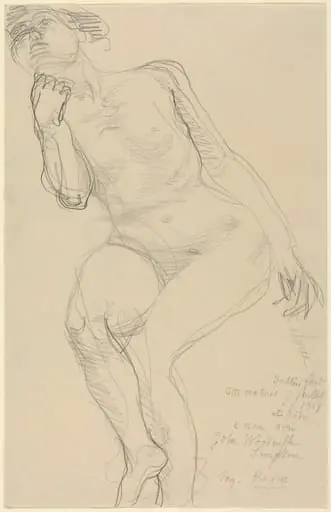
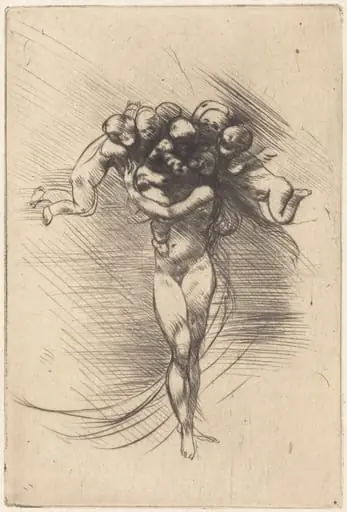 Allegory of Spring
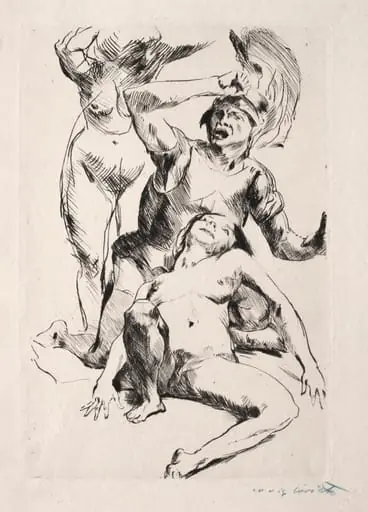 Theseus and Ariadne
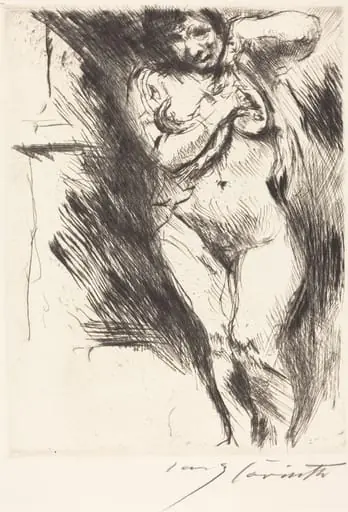 Akt mit hochgehobenem Hemd (Woman Undressing)
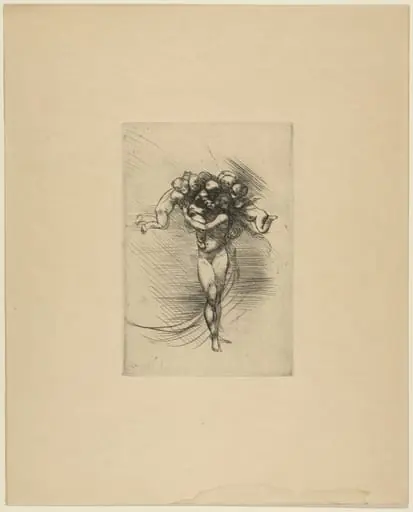 Untitled
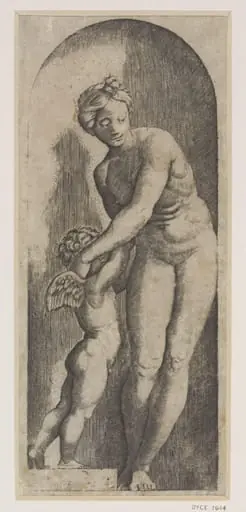 Untitled
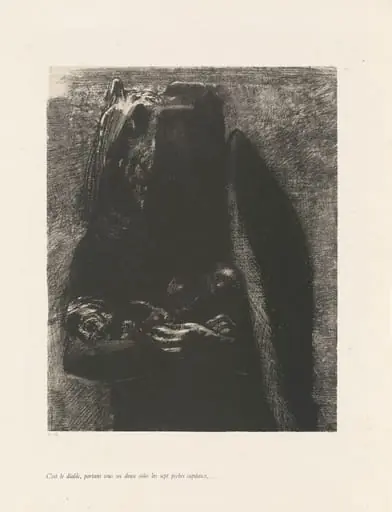 C'est le Diable
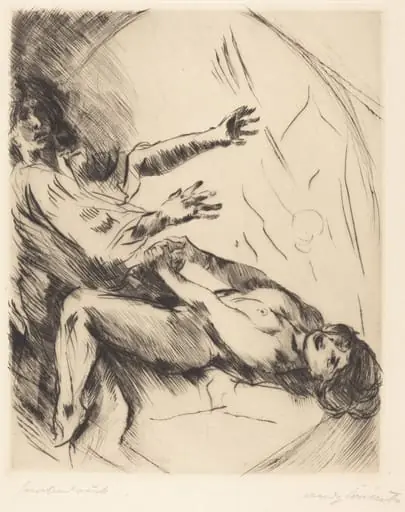 Joseph und Potiphars Weib I (Joseph and Potiphar's Wife I)
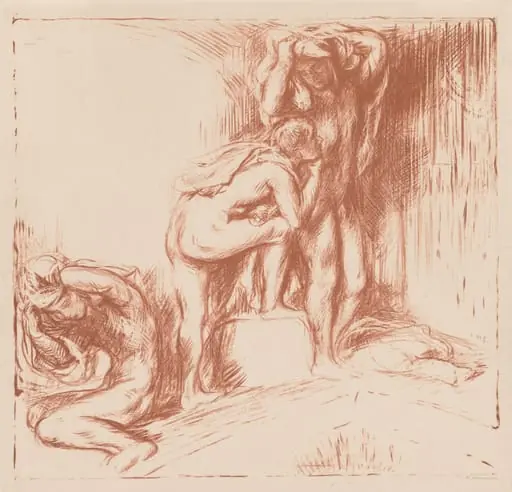 The Bath
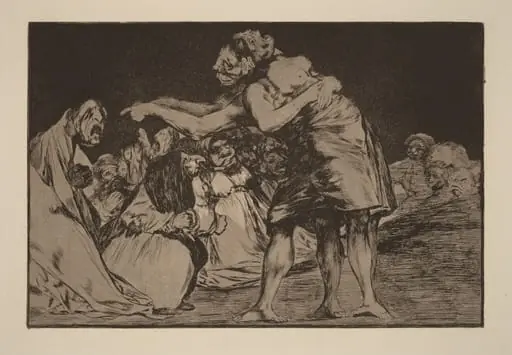 Disparate desordenado (Disorderly Folly)
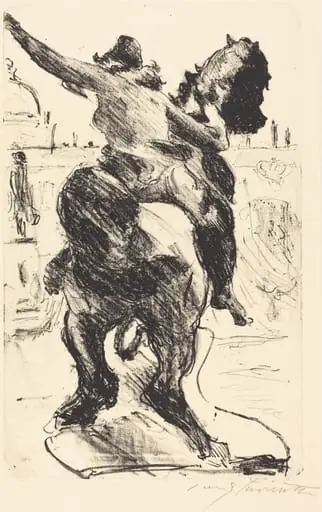 Amazonenstatue auf der Freitreppe des Alten Museums (Statue of an Amazon at the Alte Museum)
 Dancing
 Odysseus und die Freier (Odysseus and the Suitor)