Artwork
Portrait of Countess Darya Petrovna Saltykova
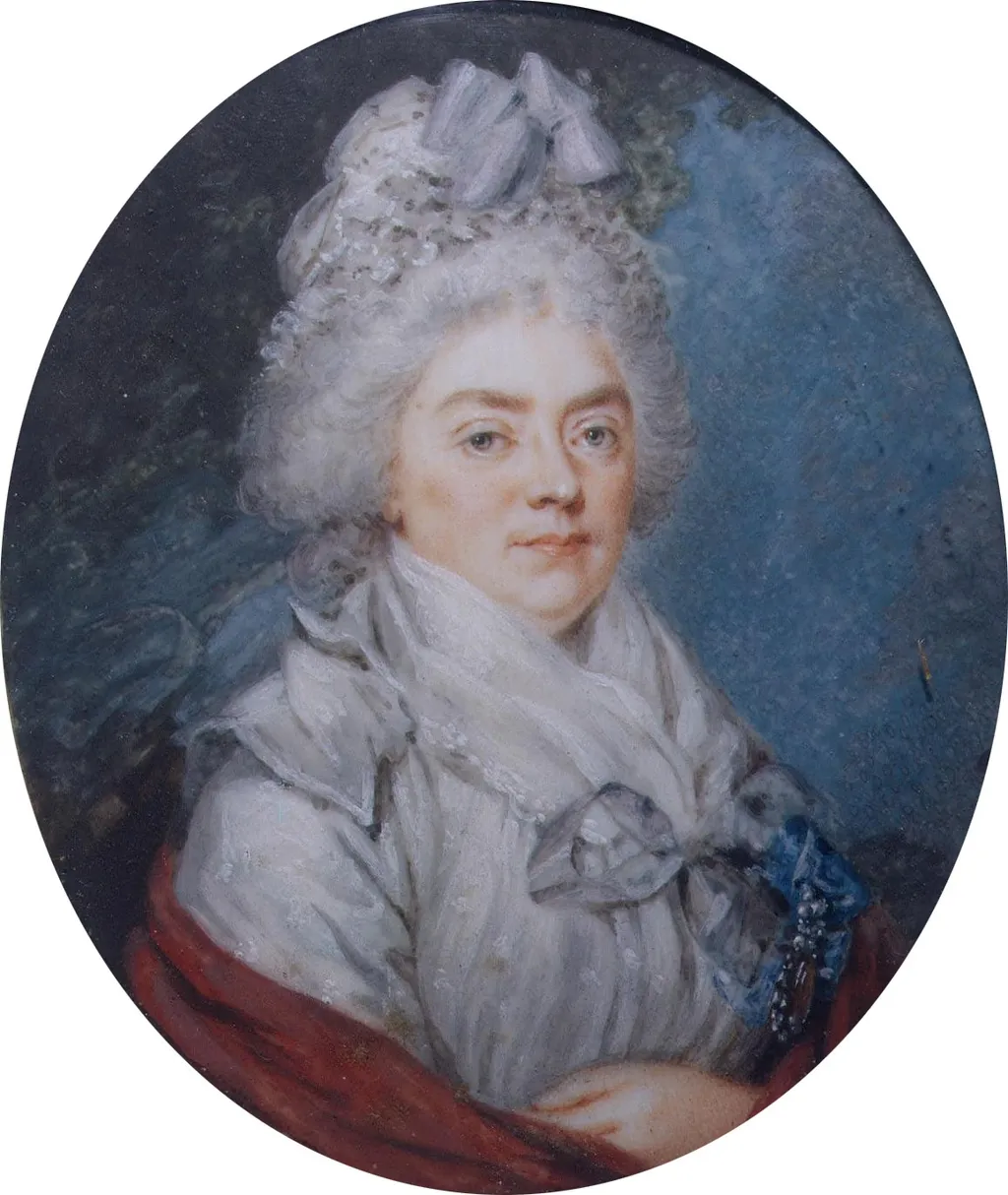
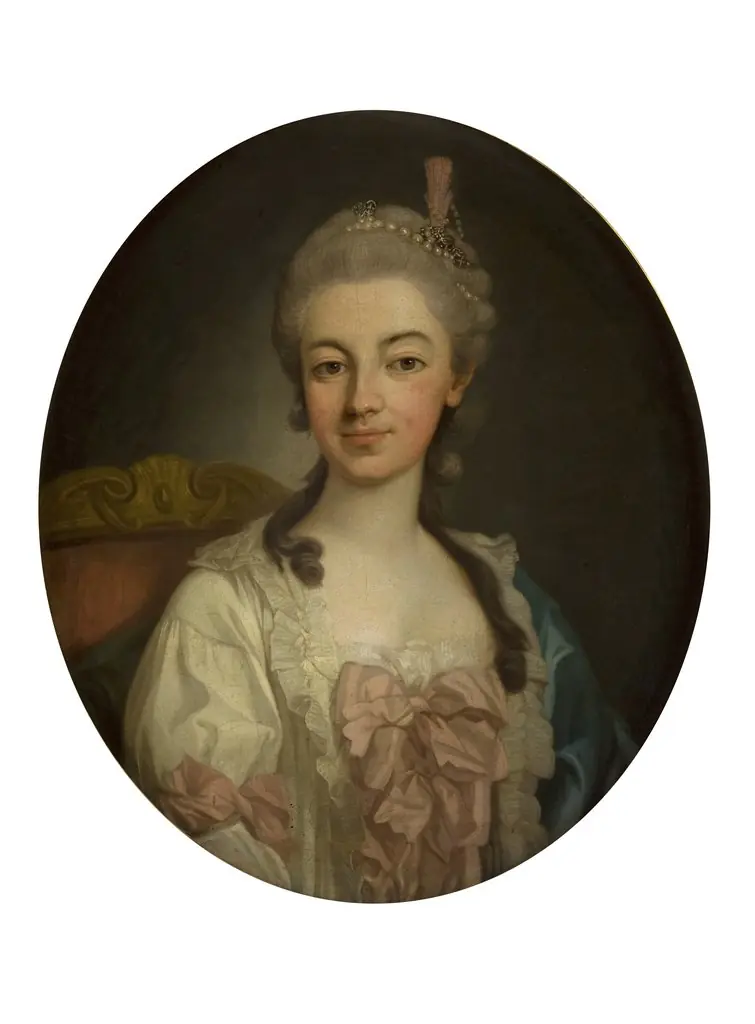
Portrait of Countess Darya Petrovna Saltykova is a gouache painting by the Neoclassicist artist Augustin Ritt. It dates from 1798 and is held in the collection of the Hermitage Museum.
About this work
If you're interested in learning more about the artist behind this portrait, you might want to look up Augustin Ritt.
This portrait is a painting of a woman, possibly from the 18th century. She is depicted wearing a white dress and a large bow on her head. The background is a dark blue color.
The woman's facial expression is neutral, and she is looking directly at the viewer. Her hair is styled in an updo, and she is wearing a red shawl draped over her shoulders. The overall atmosphere of the painting is formal and elegant.
If you're interested in learning more about the artist behind this portrait, you might want to look up Augustin Ritt.
Overview
Augustin Ritt’s 1798 gouache portrait presents Countess Darya Petrovna Saltykova in a poised, formal pose. Rendered on a modestly sized panel, the work is part of the State Hermitage Museum’s collection, offering a glimpse into aristocratic portraiture at the close of the eighteenth century.
Subject & Meaning
The sitter, Countess Saltykova, is shown in a white gown accented by a prominent bow and a red shawl that frames her shoulders. Her gaze meets the viewer directly, while her composed expression conveys the dignified bearing expected of a noblewoman of her rank.
Technique & Style
Executed in gouache, the painting combines the medium’s opacity with delicate brushwork to model the fabric’s sheen and the subtle tones of the countess’s skin. A dark blue backdrop isolates the figure, enhancing the contrast between the luminous dress and the surrounding void.
History & Provenance
Created in 1798, the portrait entered the Hermitage’s holdings during the museum’s early acquisitions of Russian aristocratic art. Its documentation traces back to the original commission for the Saltykov family, later transferred to the state collection as part of broader efforts to preserve imperial-era works.
Context
Ritt’s portrait aligns with the late‑imperial Russian tradition of emphasizing status through attire and compositional restraint. The use of a single, muted background and the focus on the sitter’s attire reflect contemporary aesthetic preferences that prioritized clarity and the representation of social rank over narrative detail.
Artist & collection

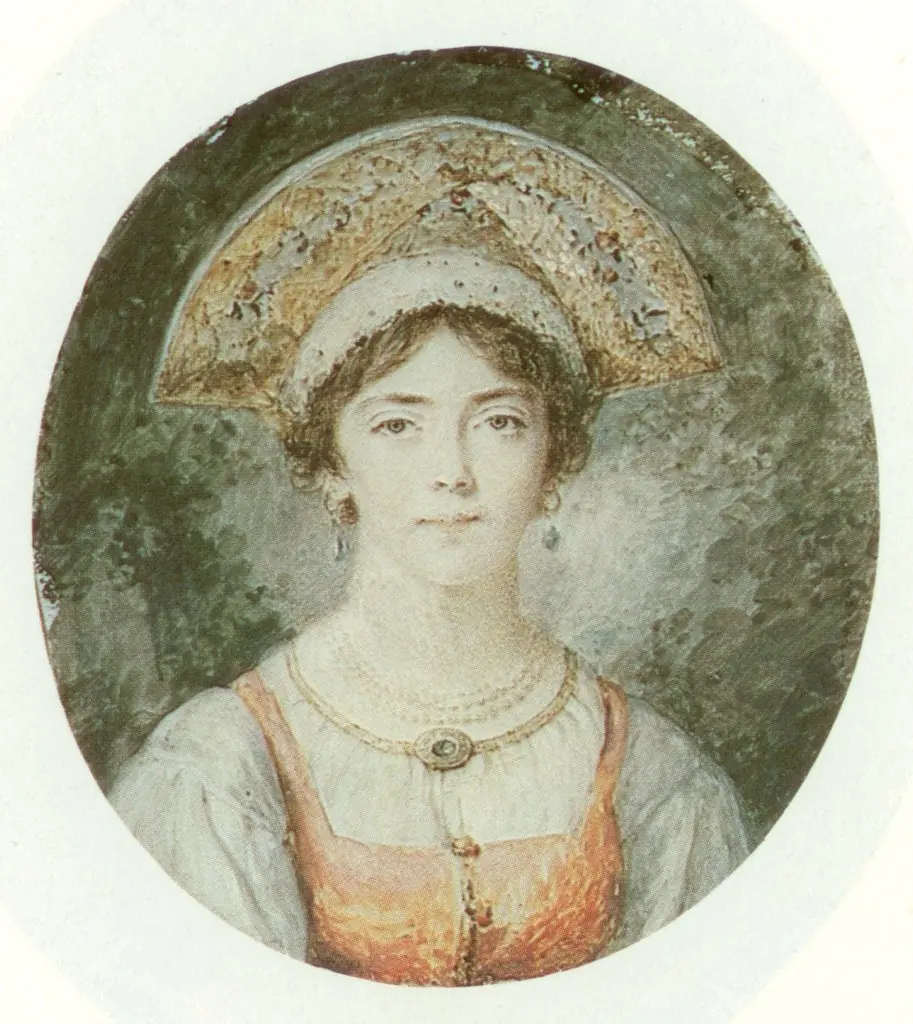
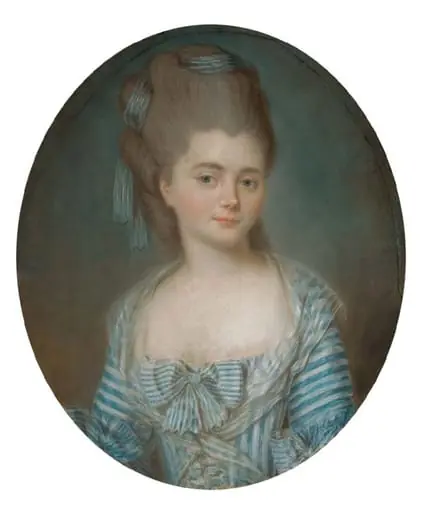 Portret de femeie
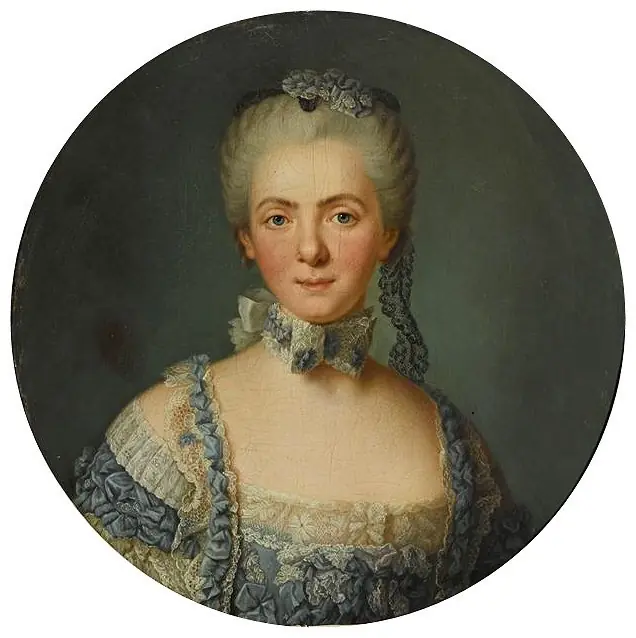 Drouais - Adélaïde of France
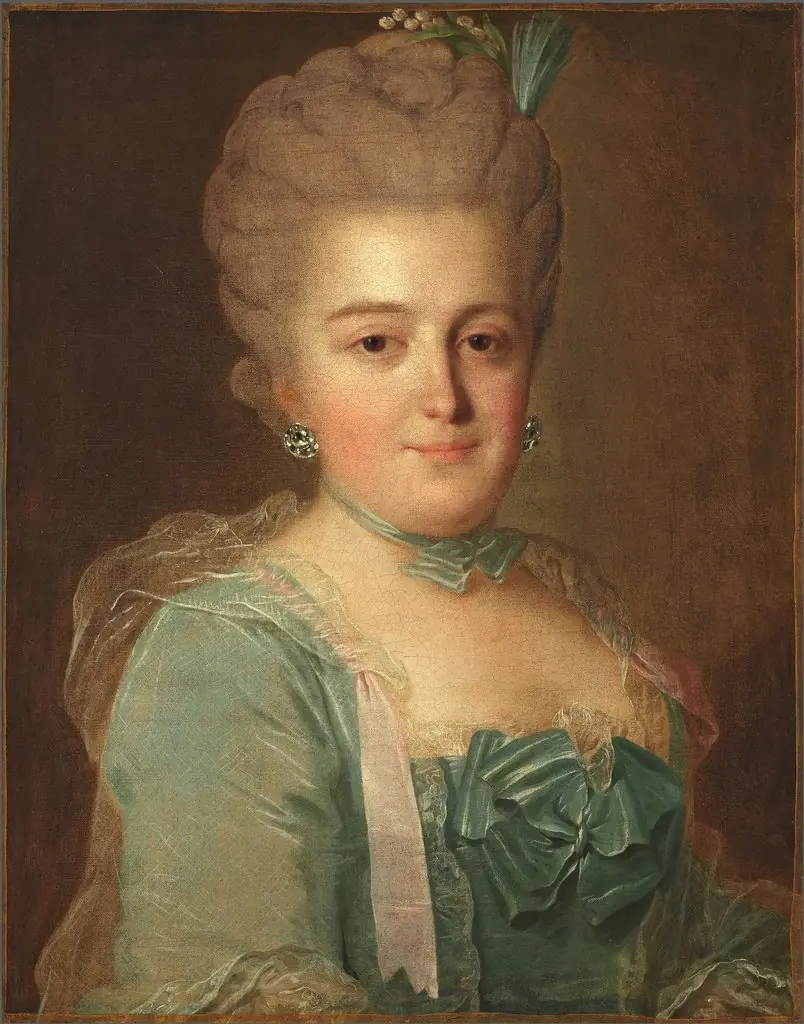 Portrait of Anna S. Tulinova
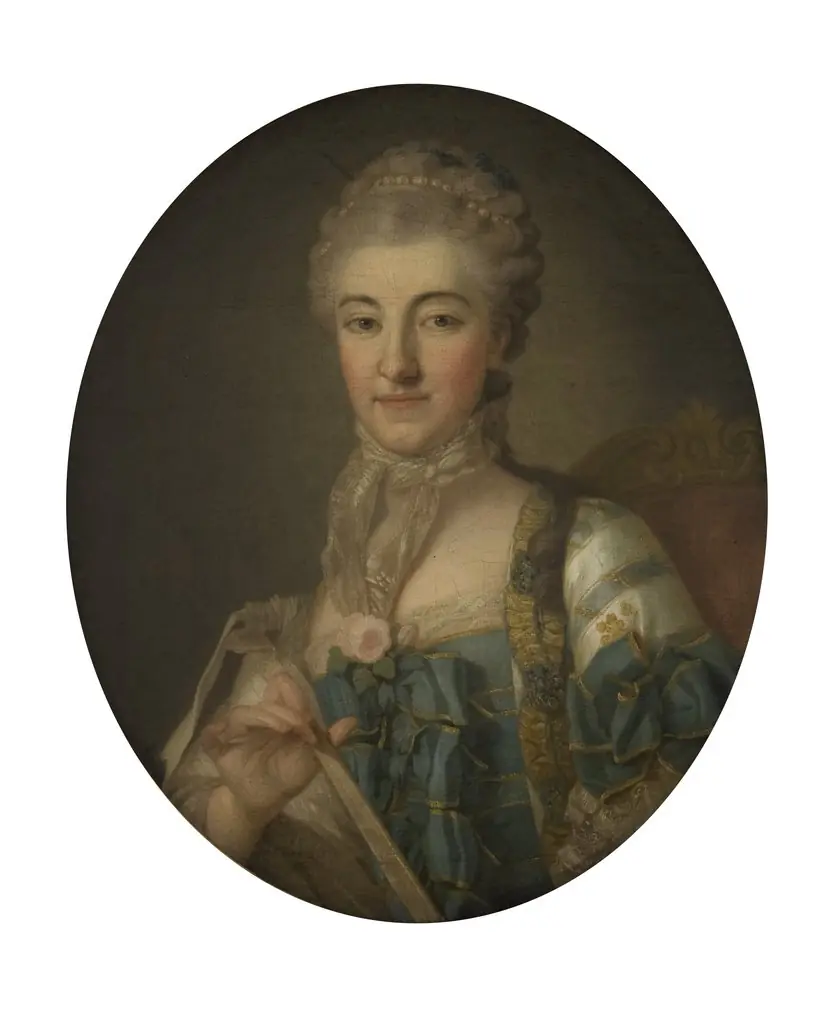 Portrait of Izabela Branicka née Poniatowska
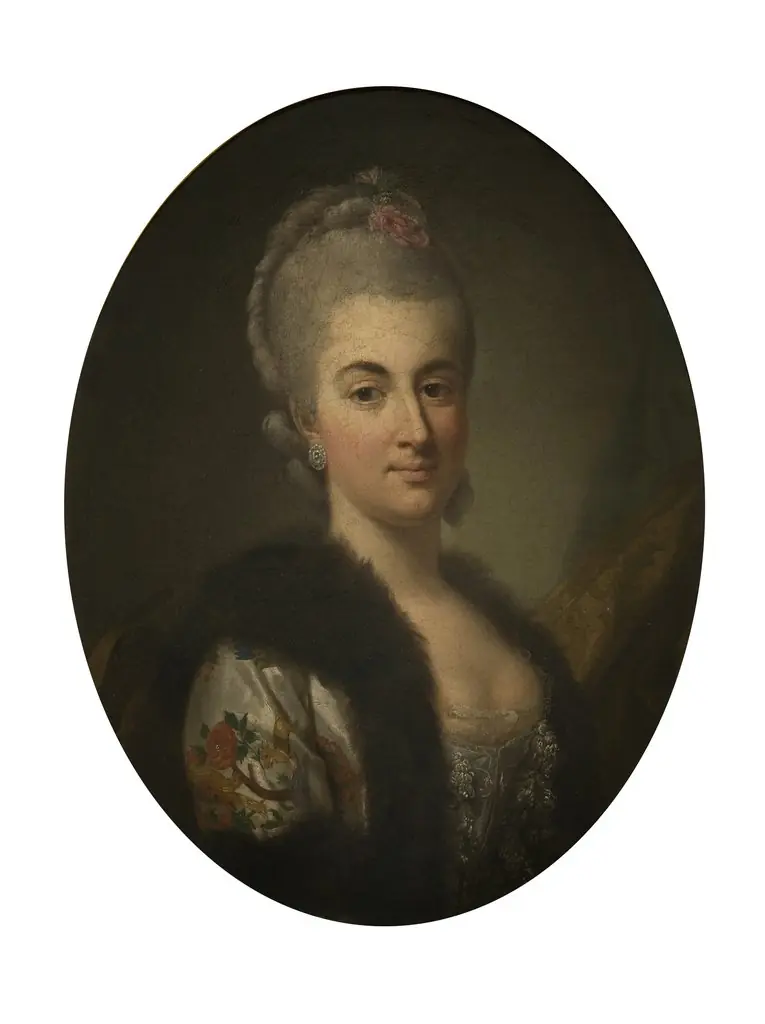 Portrait of Konstancja Poniatowska née Czartoryska
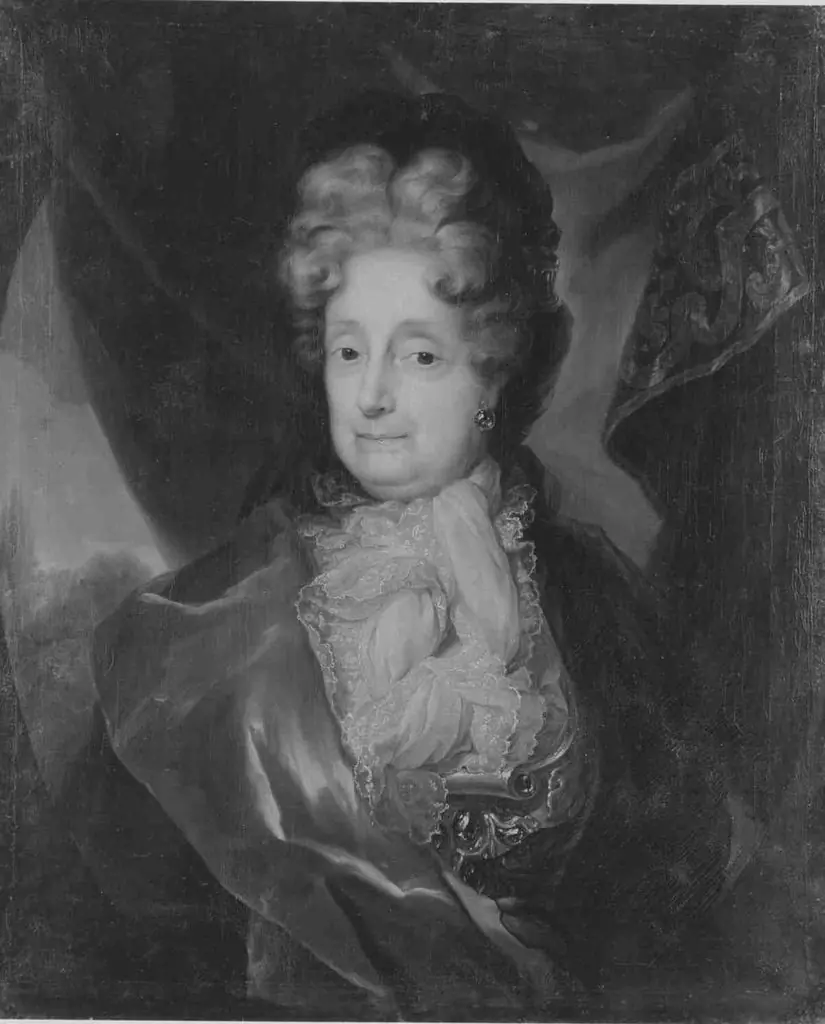 Portrait of Sophia of the Palatinate, dowager electress of Hanover
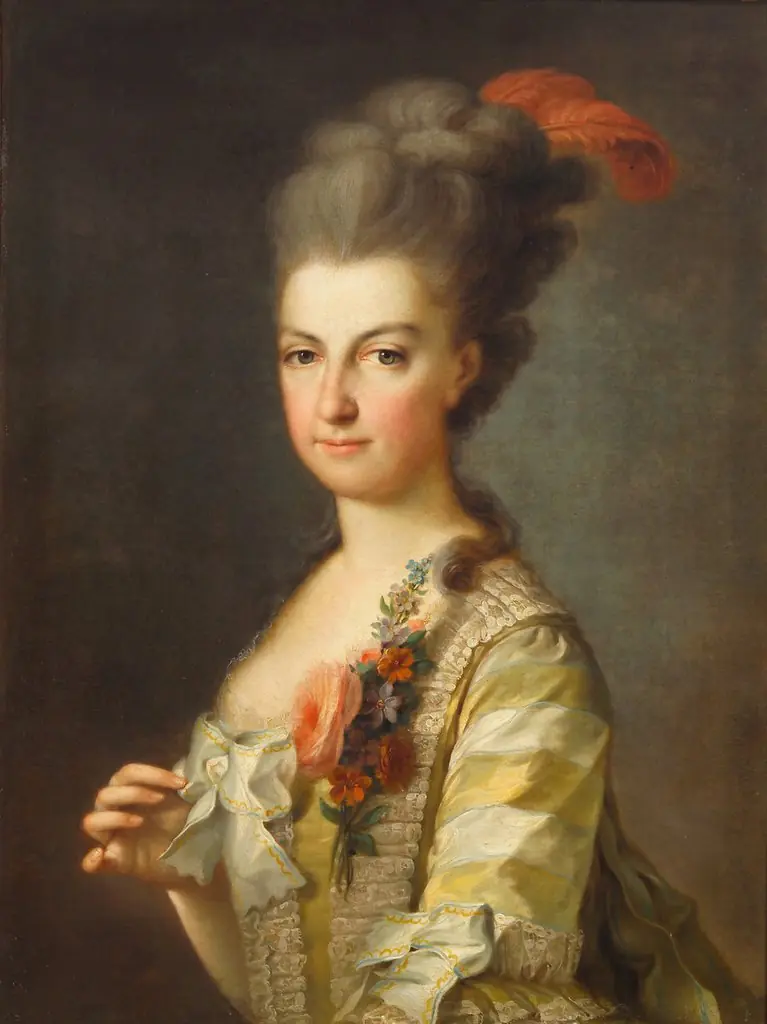 Erzherzogin Maria Christine (1742-1798), Herzogin von Sachsen - Teschen, in gestreiftem Seidenkleid, Halbfigur
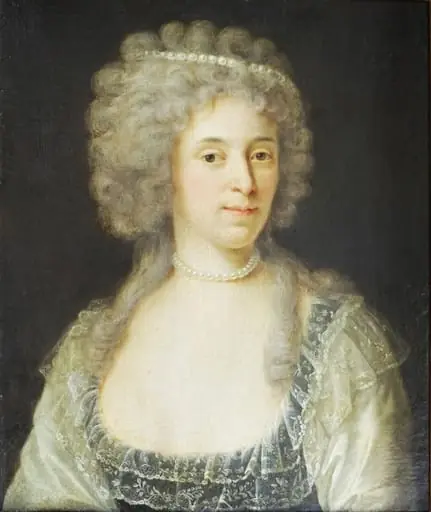 Portret de femeie
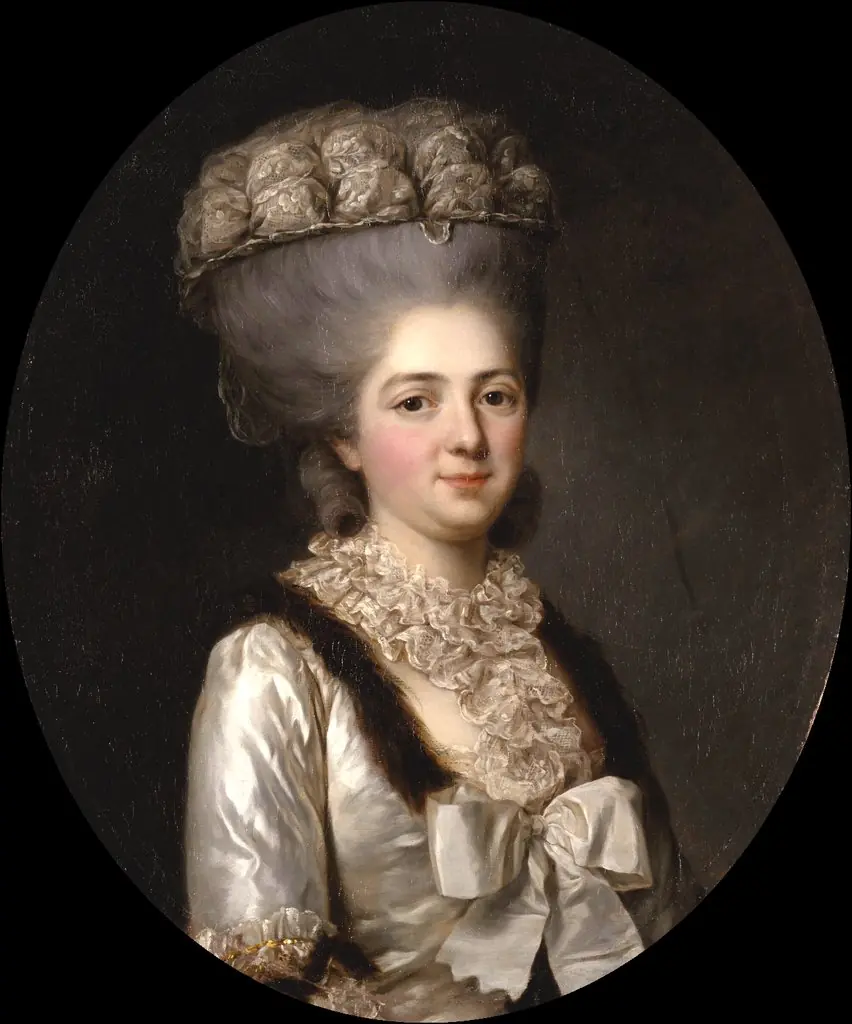 Marie-Louise-Thérèse-Victoire de France, dite Madame Victoire (1733-1799)
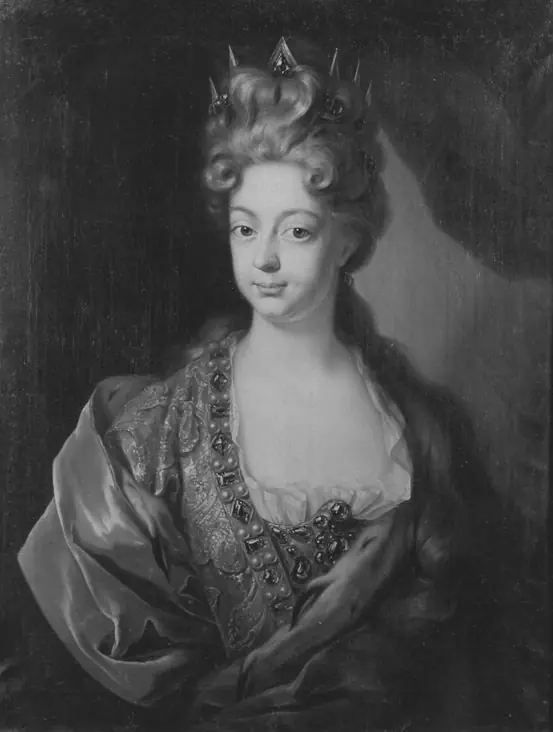 Portrait of Wilhelmine Amalie of Braunschweig-Lüneburg
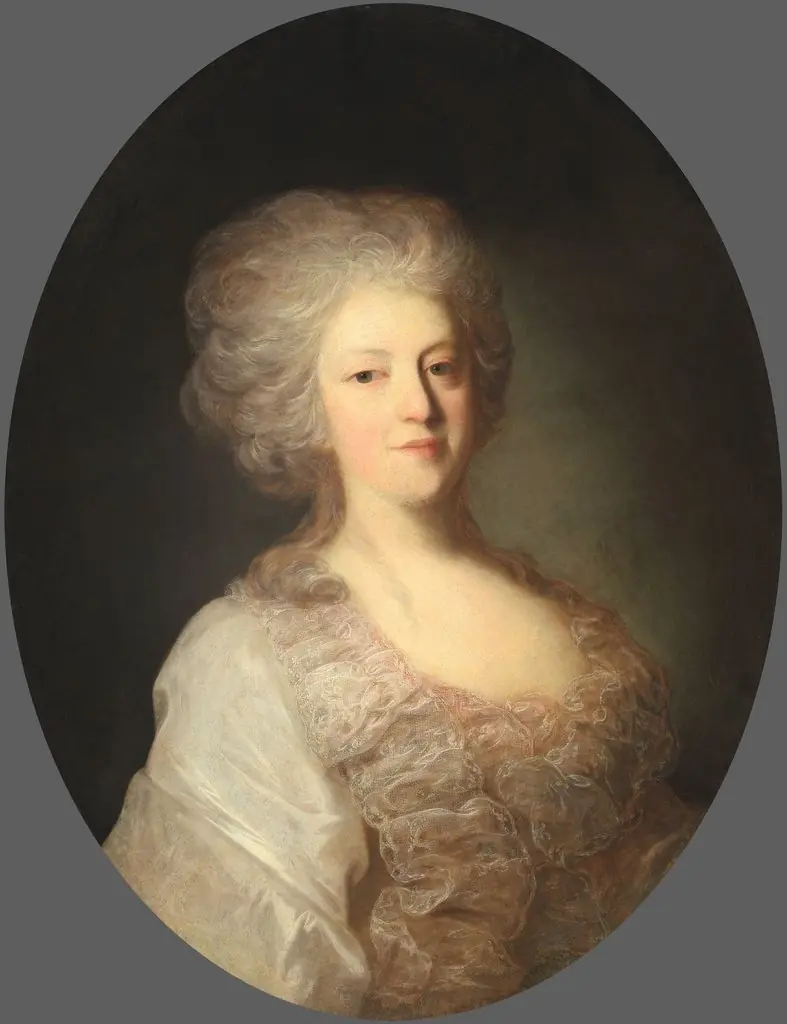 Porträt der Praskovya Lanskaya
 Portrait of Teresa Poniatowska