Artwork
The Councillor
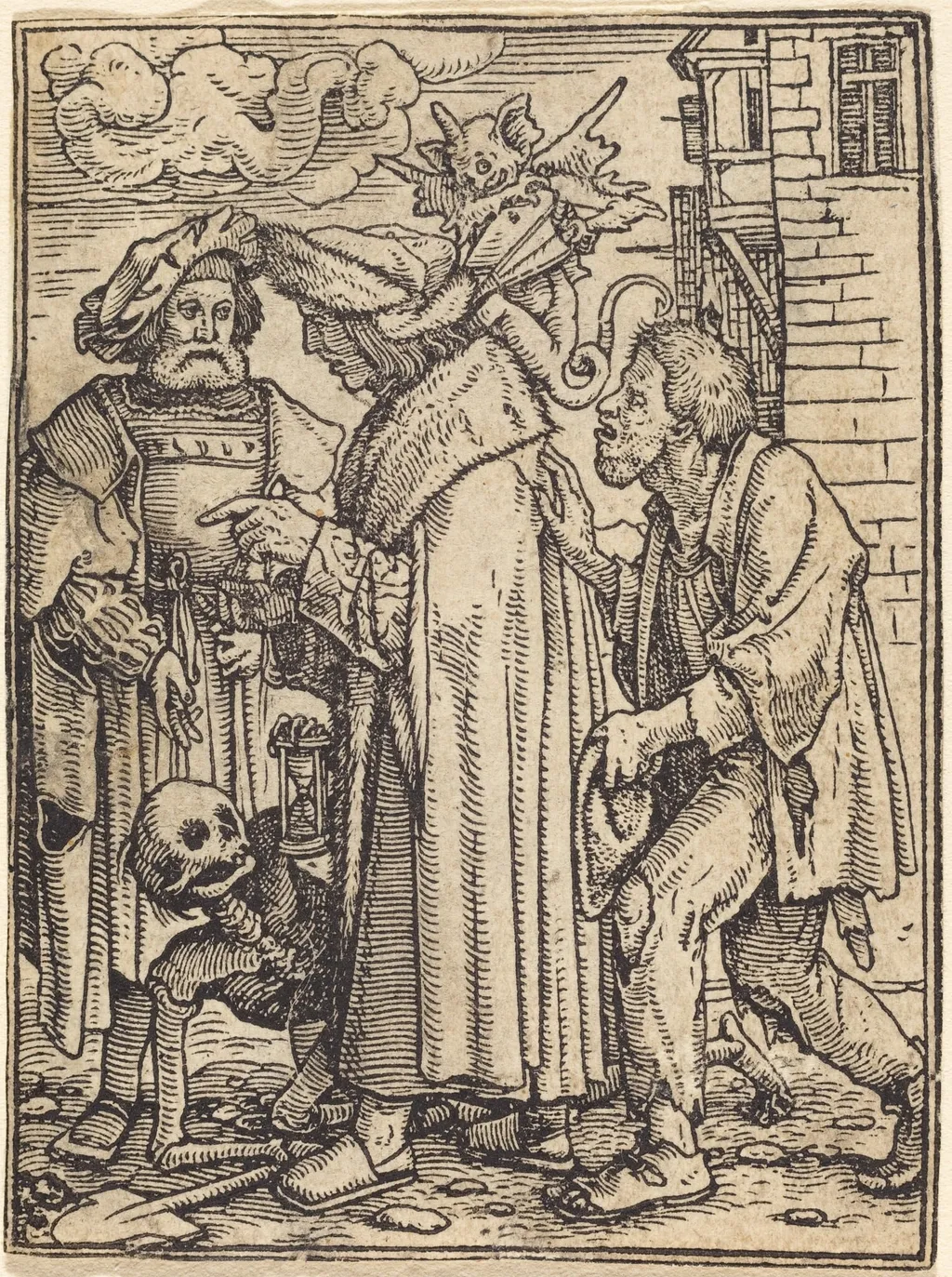
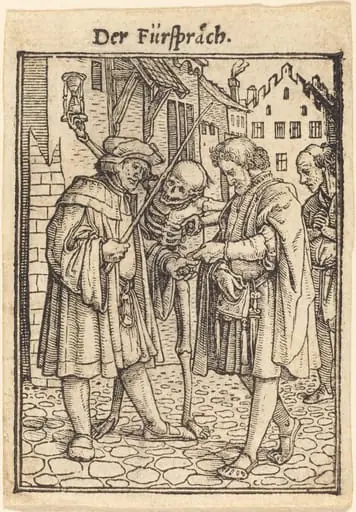
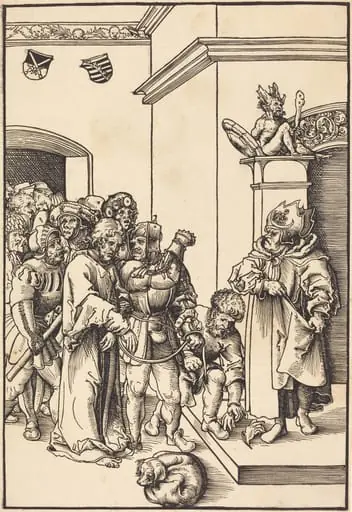
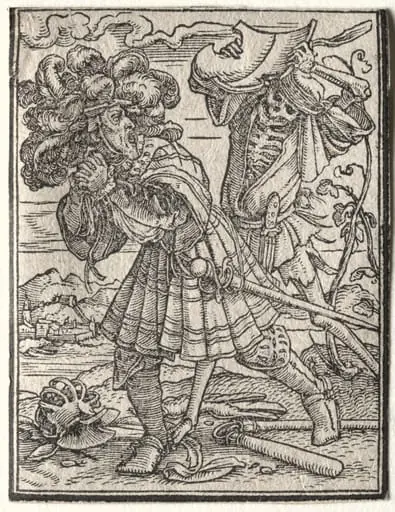
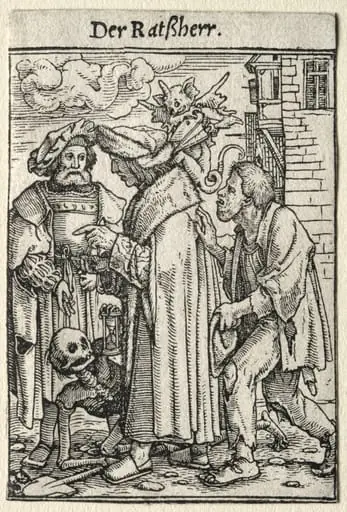
The Councillor is an ink print by the Renaissance artist Hans Lützelburger. It dates from 1526 and is held in the collection of the National Gallery of Art.
About this work
Overview
Created circa 1526, *The Councillor* is a woodcut print attributed to the German blockcutter Hans Lützelburger. Executed in the early sixteenth‑century print culture of Augsburg, the work exemplifies the precise line work for which Lützelburger was celebrated.
Subject & Meaning
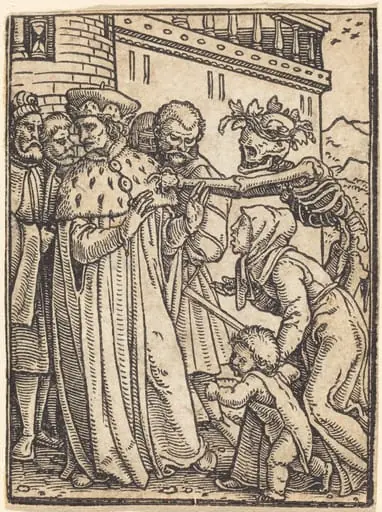
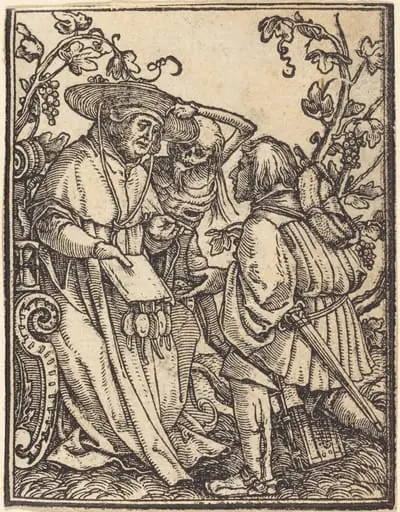
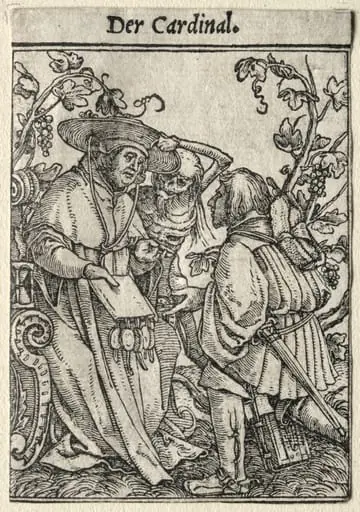
The composition shows three figures gathered around a central man in a long robe and hat. A secondary figure on the right appears to address him, while a third, staff‑bearing individual on the left watches with a solemn expression. A small creature perched on the central figure’s shoulder adds an element of tension, suggesting a moral or allegorical narrative.
Technique & Style
Lützelburger’s cut demonstrates the fine, intricate lines characteristic of high‑quality woodcuts of the period. Delicate hatching creates subtle shading, while strong contrasts between black and white give the scene depth and a dramatic atmosphere. The meticulous carving yields a texture that conveys both material detail and spatial recession.
History & Provenance
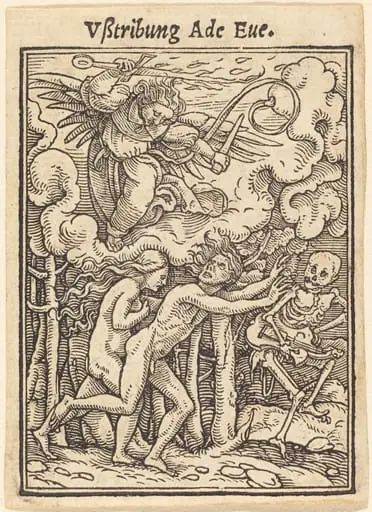
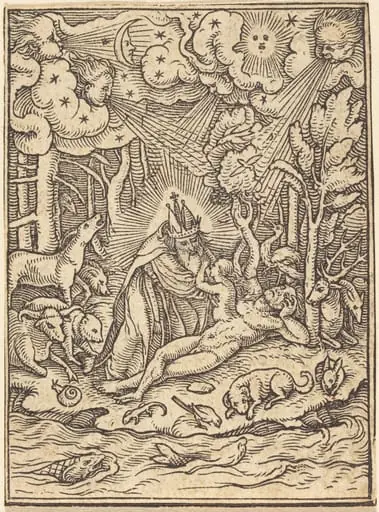
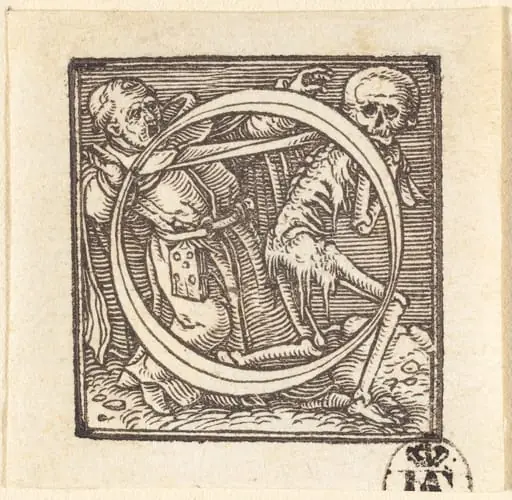
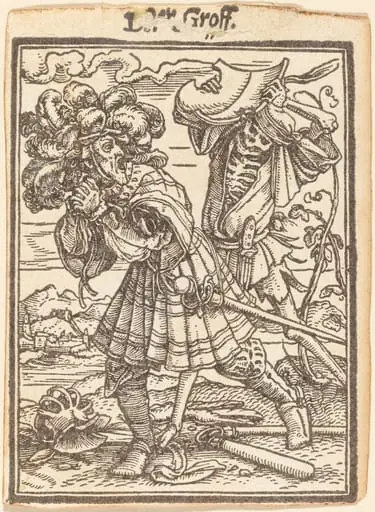
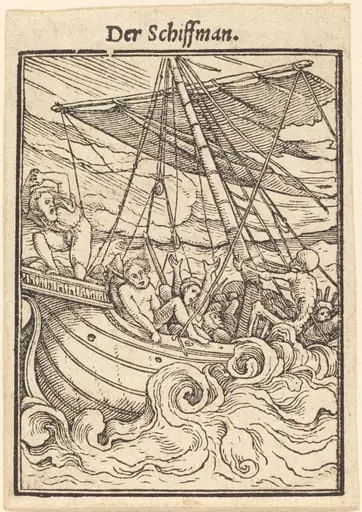
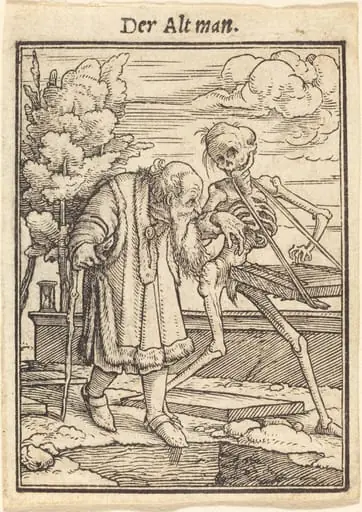
Lützelburger worked in Augsburg from about 1516, often in partnership with the publisher Jost de Negker. He is best known for cutting the blocks of Hans Holbein the Younger’s *Dance of Death* series, a project he could not finish before his death in June 1526. *The Councillor* dates from the final phase of his career, reflecting the mature stage of his craft.
Context
The print belongs to a broader Northern Renaissance tradition that employed woodcut for the dissemination of moral and civic themes. Augsburg’s thriving print market provided a venue for artists like Lützelburger to collaborate with designers and publishers, producing works that circulated widely among educated audiences.
Artist & collection

Artist
Hans Lützelburger (died June 1526), also known as Hans Franck, was a German blockcutter ("formschneider") for woodcuts, regarded as one of the finest of his day.