Artwork
Untitled
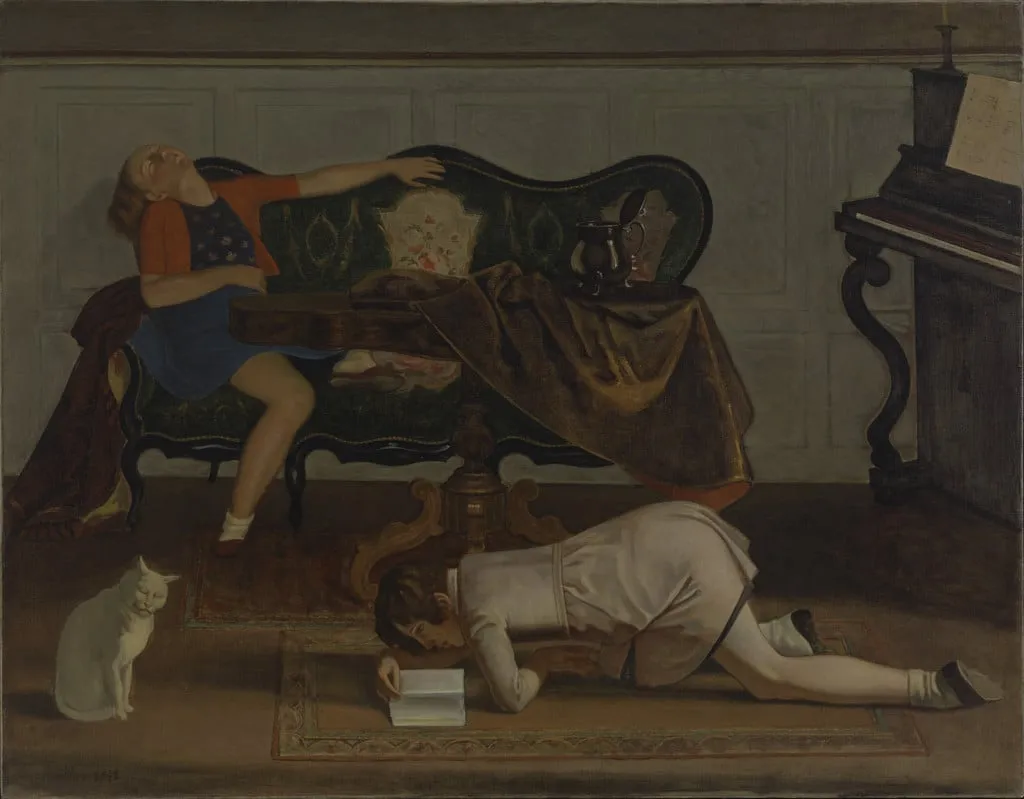
Untitled is an oil painting by Balthus. It dates from 1942 and is held in the collection of the Museum of Modern Art.
About this work
The painting depicts a dimly lit room with a woman sitting on a green velvet couch, her right arm extended above her head.
The painting depicts a dimly lit room with a woman sitting on a green velvet couch, her right arm extended above her head. A man lies on the floor, his head resting on a book. A white cat sits beside him, while a brown table with a cloth draped over it stands behind the couch.
The room's atmosphere is somber, with muted colors dominating the scene. The woman's attire consists of a blue dress with a red top, while the man wears a white shirt and pants. The couch and table are positioned against a wall adorned with white paneling.
This painting, created by Balthus in 1942, is held at The Museum of Modern Art.
Overview
Painted in 1942, this oil on canvas work by Balthus is a quiet, introspective scene set in a modest interior. It belongs to the artist’s series of domestic tableaux that explore stillness and psychological tension. The painting is part of The Museum of Modern Art’s collection, where it is displayed as an example of mid-20th-century figurative painting that resists easy narrative interpretation.
Subject & Meaning
A woman reclines on a green velvet couch, her arm raised in an ambiguous gesture, while a man lies on the floor, his head resting on an open book. A white cat rests near him, and a draped table stands behind. The figures do not interact, and their isolation suggests emotional distance. The scene evokes solitude and unspoken tension, inviting contemplation rather than storytelling.
Technique & Style
Balthus employs muted tones and soft, diffused light to create a hushed atmosphere. The brushwork is precise yet unobtrusive, with careful attention to texture—velvet, fabric, wood—rendered with quiet realism. The composition is deliberately static, with figures placed to emphasize spatial isolation. The palette, dominated by grays, blues, and earth tones, reinforces the painting’s somber mood.
History & Provenance
Created during Balthus’s time in France amid the Second World War, the painting reflects a period of personal and cultural uncertainty. It entered The Museum of Modern Art’s collection in the postwar years, acquired as part of a broader interest in European figurative artists who resisted abstraction. Its provenance traces back to private European collections before its institutional acquisition.
Context
In the early 1940s, Balthus distanced himself from prevailing modernist trends, returning to classical composition and psychological depth. This work aligns with his interest in intimate, enigmatic interiors, influenced by Renaissance and early modern painters. The painting’s quietude contrasts with the turmoil of wartime Europe, offering a space of suspended time rather than direct commentary.
Legacy
The painting contributes to Balthus’s reputation for evoking psychological ambiguity through stillness. It influenced later artists drawn to narrative restraint and emotional subtlety in figurative work. While not widely exhibited, it remains a key reference in discussions of 20th-century painting that prioritizes mood over action, presence over plot.
Artist & collection

Artist
Balthasar Klossowski, also known as Balthus, was a Polish-French modern artist. He is known for his erotically charged images of young girls, and the dreamlike quality of his imagery.

 The Wolf’s Den
 Young Woman Resting in a Music Room
 The Death of Queen Sophie Amalie
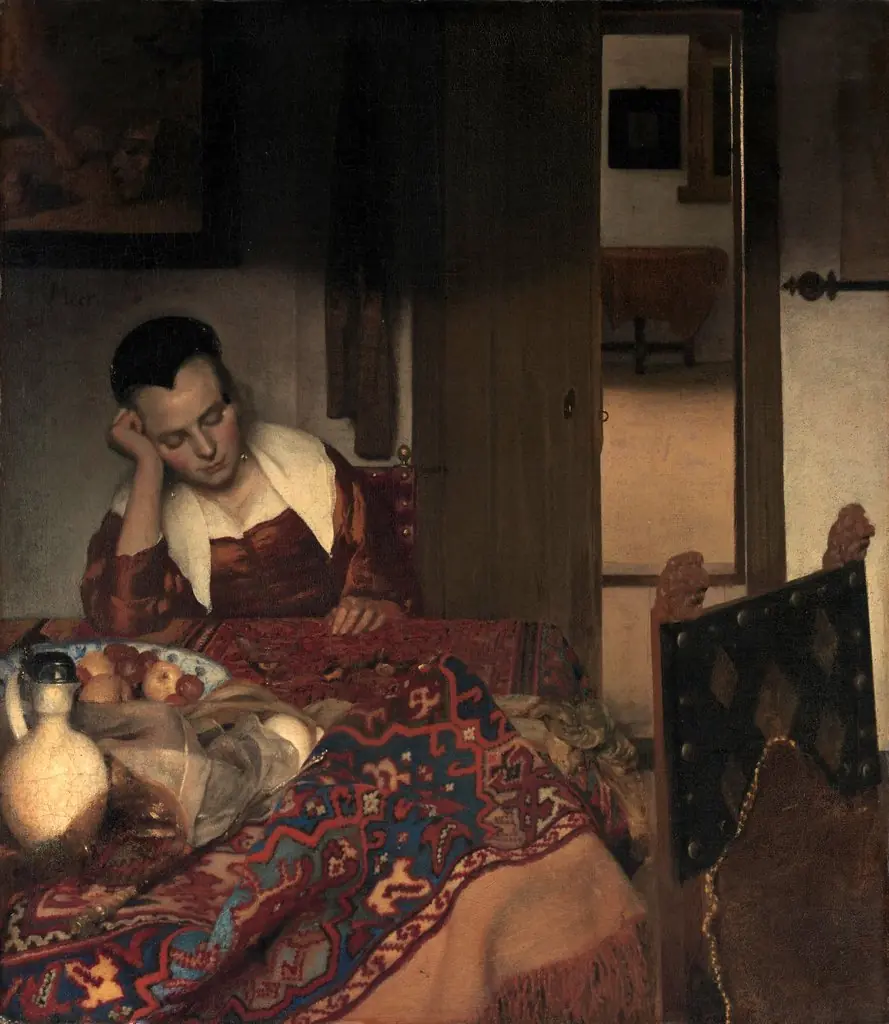 A Girl Asleep
 Three Young Girls. The Artist's Sisters: Alvilde, Ida and Henriette
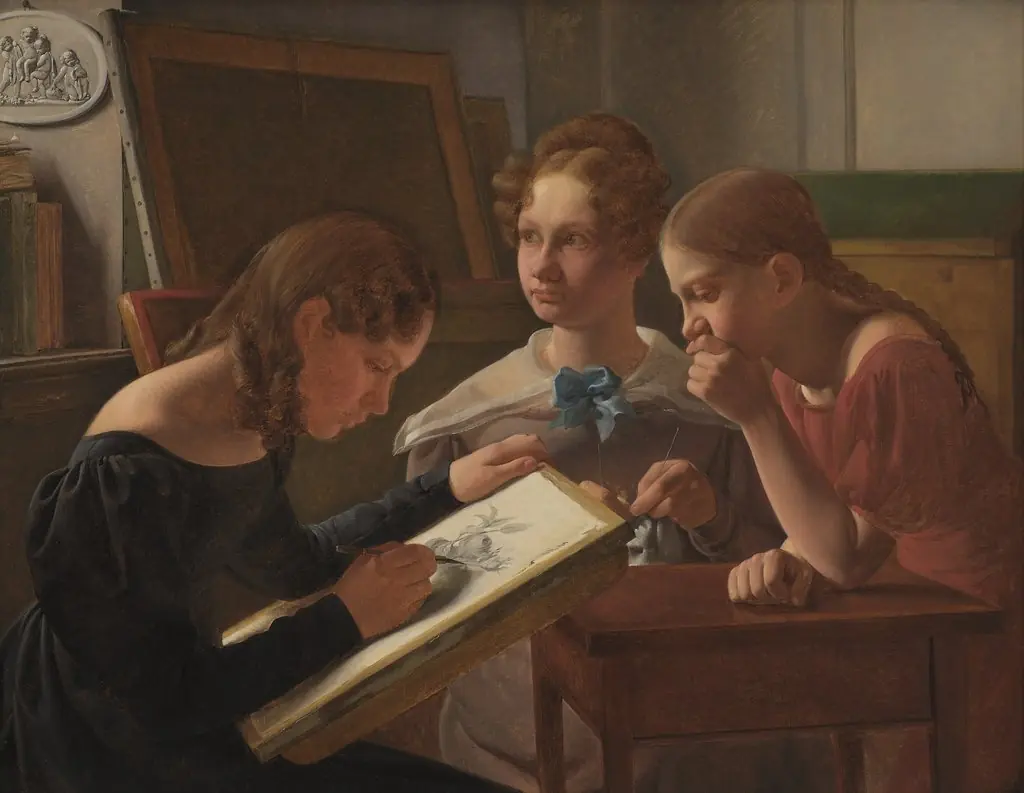 Three Young Girls (The Artist's Sisters: Alvilde, Ida and Henriette)
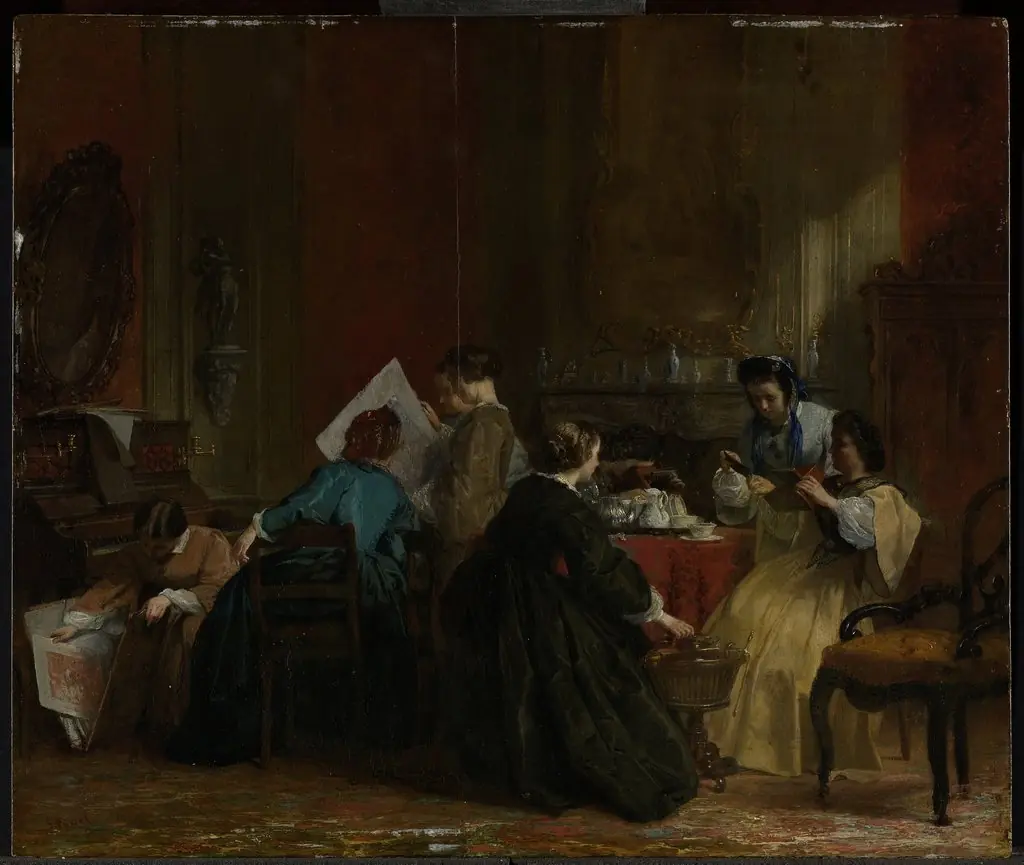 Group of Women Looking at Stereoscope Photographs
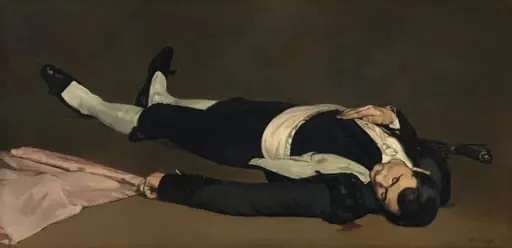 The Dead Toreador
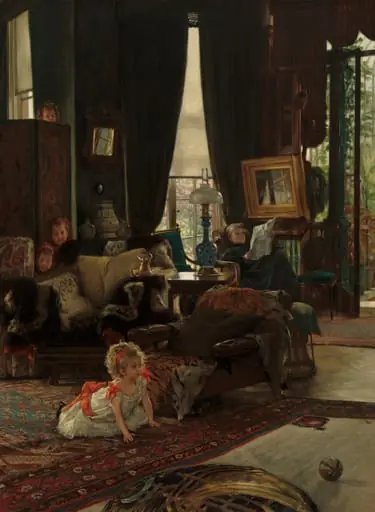 Hide and Seek
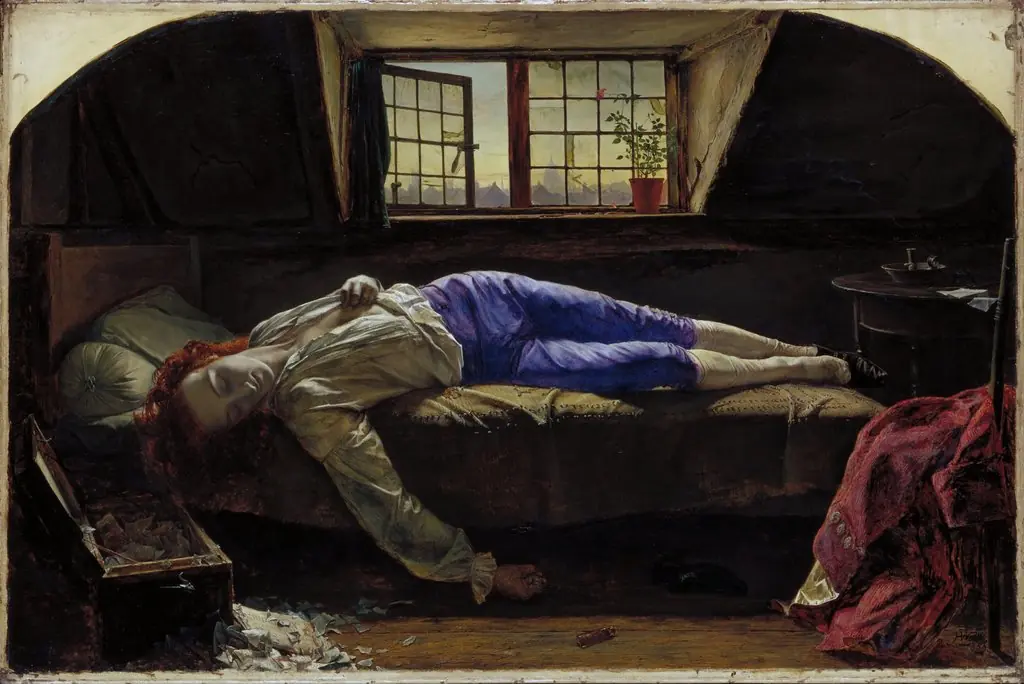 The Death of Chatterton
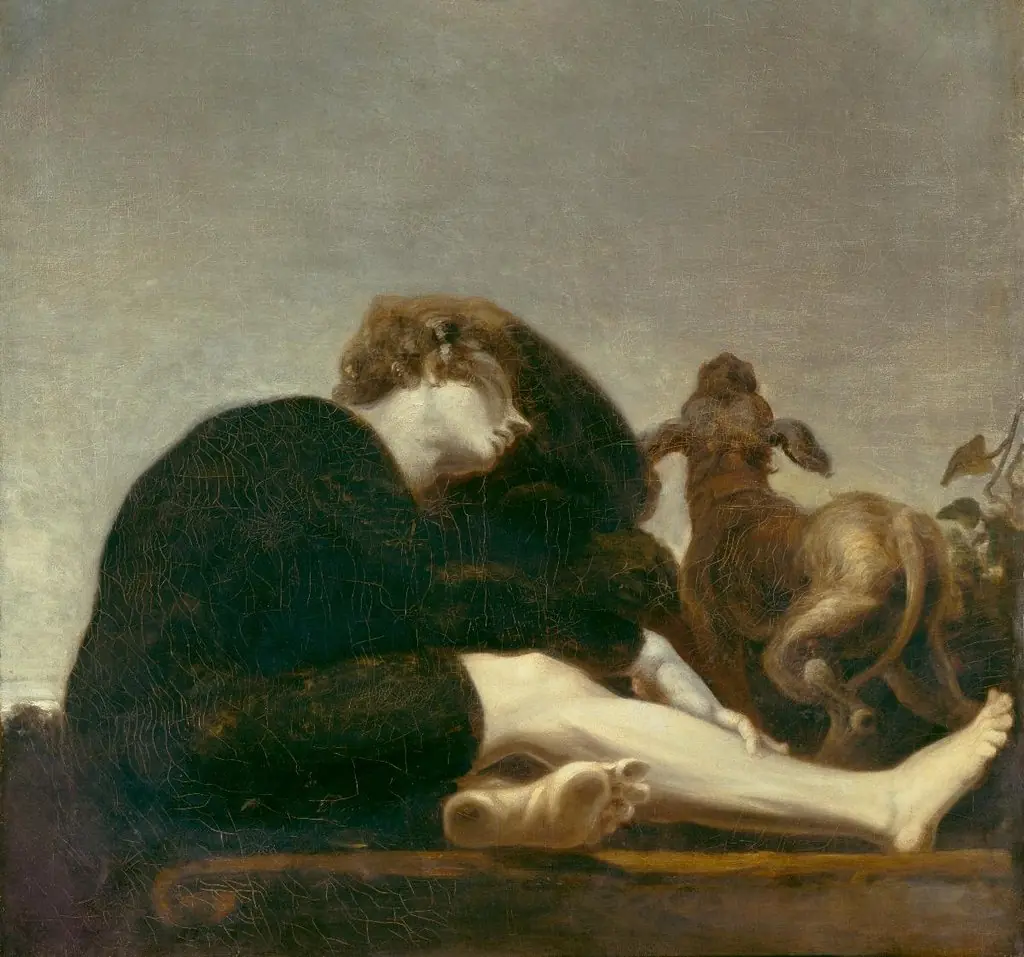 Einsamkeit im Morgenzwielicht
 The Studio of the Engraver