Artwork
View of Venice [upper center block]
![View of Venice [upper center block], by Jacopo de' Barbari, ink, 1500](https://artifactworldgallery.com/img/jacopo-de-barbari--view-of-venice-upper-center-block--d86966306960219b-w1024.webp)
View of Venice [upper center block] is an ink print by the Renaissance artist Jacopo de' Barbari. It dates from 1500 and is held in the collection of the National Gallery of Art. Created around 1500, this woodcut depicts Venice as seen from above, composed of two joined sheets of laid paper.
About this work
Overview
Produced using the woodcut technique, it was among the earliest large-scale urban views printed in Europe, combining cartographic accuracy with artistic detail.
Created around 1500, this woodcut depicts Venice as seen from above, composed of two joined sheets of laid paper. The image presents a panoramic, bird’s-eye view of the city’s layout, with buildings, canals, and bridges rendered in fine, intricate lines. Produced using the woodcut technique, it was among the earliest large-scale urban views printed in Europe, combining cartographic accuracy with artistic detail.
Subject & Meaning
The scene captures Venice in its spatial complexity, emphasizing its network of waterways and dense urban fabric. A winged figure at the upper left, likely representing St. Mark’s lion, holds a banner inscribed with Latin text, reinforcing civic identity. The view functions not merely as a map but as a declaration of the city’s grandeur, organized to convey order, prosperity, and architectural harmony.
Technique & Style
Jacopo de’ Barbari employed woodcut carving to produce fine, continuous lines across a vast surface, a technical feat for the period. The composition reflects Northern Renaissance precision, with meticulous attention to architectural detail and spatial depth. Unlike typical maps, it integrates artistic perspective and tonal variation, achieved through careful ink application and the alignment of two printed sheets.
History & Provenance
Barbari, trained in Venice, completed this work shortly before relocating to Germany in 1500. The print was likely commissioned by a Venetian patron and circulated among European elites. Its survival in multiple impressions suggests wide distribution, and surviving copies are held in major European collections, reflecting its early significance in the history of printed cartography.
Context
In the early 16th century, Venice was a center of commerce and print culture. This woodcut emerged alongside growing interest in urban documentation and the rise of portable visual records. It bridges Italian Renaissance ideals with Northern European printmaking traditions, reflecting the movement of artists and ideas across regions during the period’s cultural exchanges.
Legacy
Barbari’s View of Venice set a precedent for large-format city views in print, influencing later cartographers and topographical artists. Its combination of surveying accuracy and artistic composition became a model for urban representation. Though surpassed in scale by later works, it remains a foundational example of how print technology transformed the dissemination of spatial knowledge.
Artist & collection
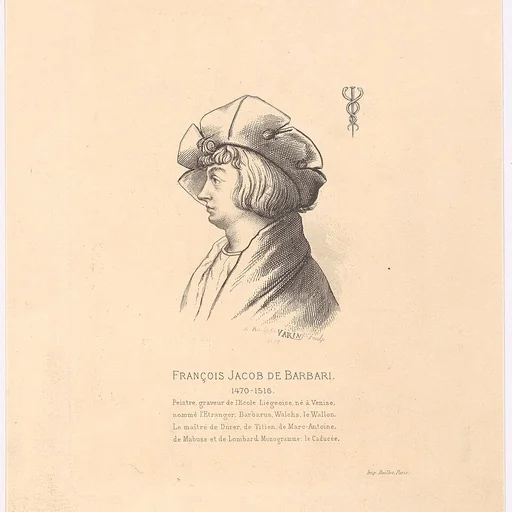
Artist
Jacopo de' Barbari, sometimes known or referred to as de'Barbari, de Barberi, de Barbari, Barbaro, Barberino, Barbarigo or Barberigo (c.

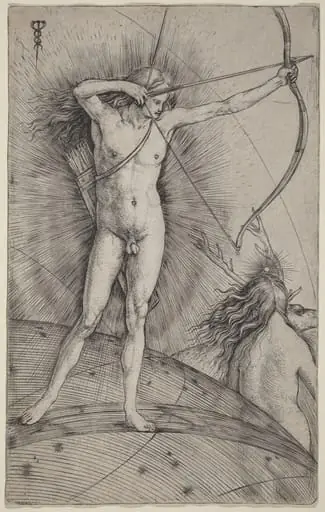
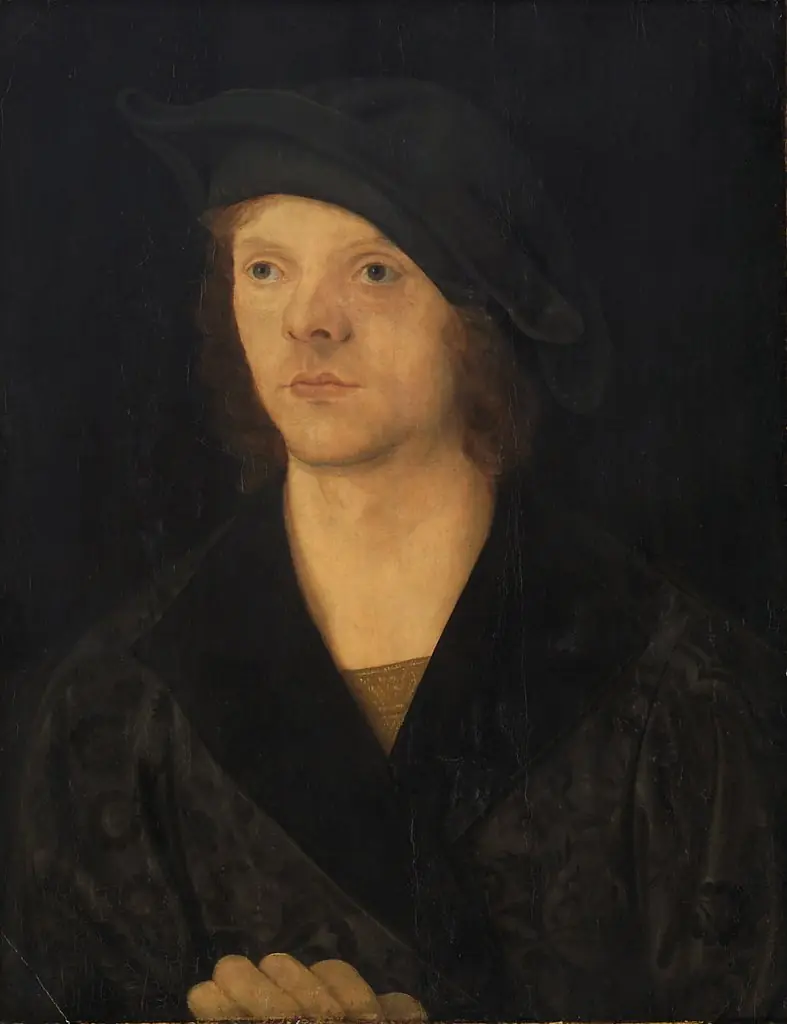
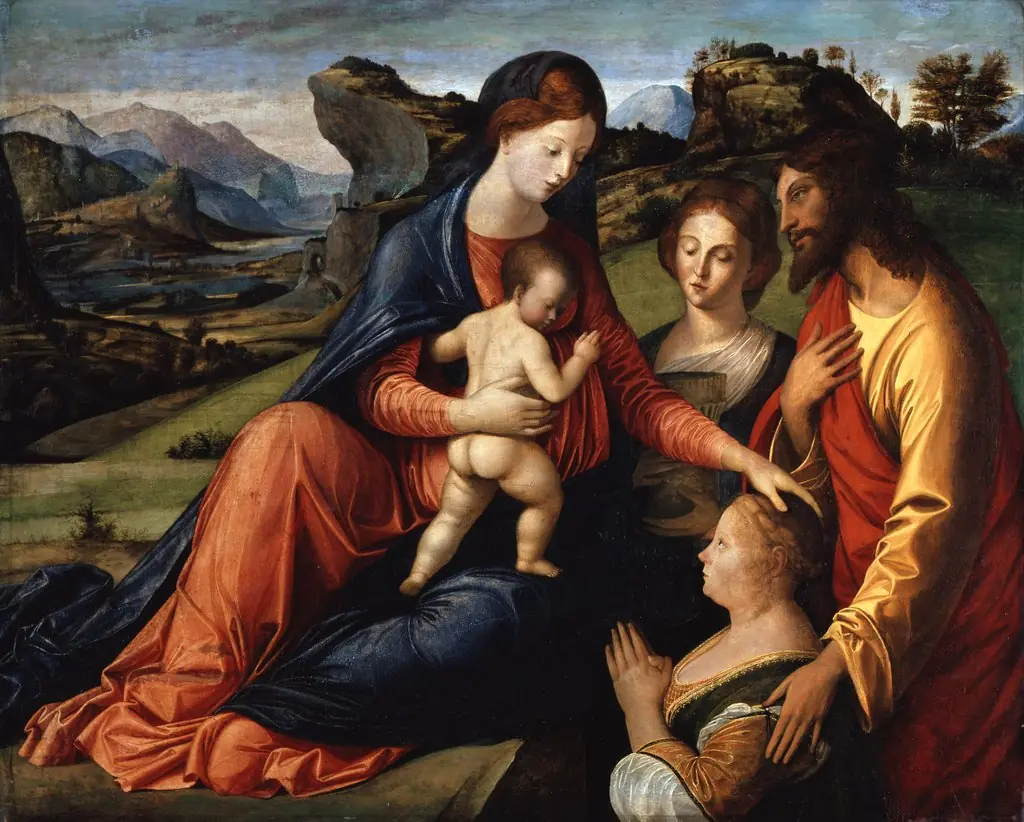
![View of Venice [lower right block], by Jacopo de' Barbari](https://artifactworldgallery.com/img/jacopo-de-barbari--view-of-venice-lower-right-block--371460ae957995b9-w320.webp)
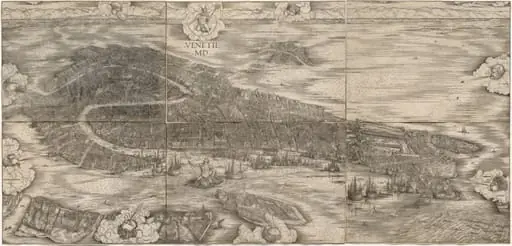 View of Venice
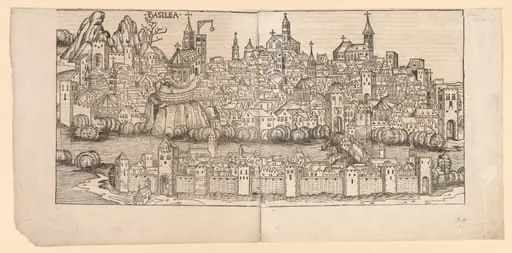 Nuremberg Chronicle: Topographical View of Basle, Switzerland
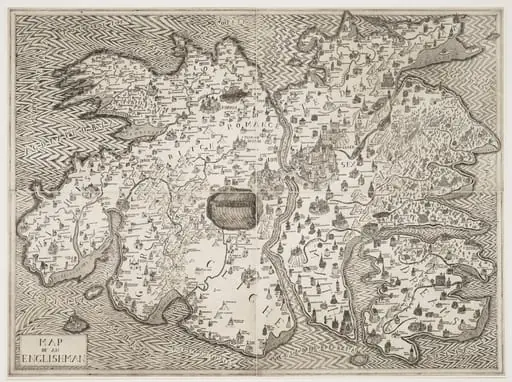 Untitled
![The Siege of La Rochelle [plate 5 of 16; set comprises 1952.8.97-112], by Jacques Callot](https://artifactworldgallery.com/img/jacques-callot--the-siege-of-la-rochelle-plate-5-of-16-set-comprises-1952-8--26c0d48046d5d6d8-w320.webp) The Siege of La Rochelle [plate 5 of 16; set comprises 1952.8.97-112]
The Siege of La Rochelle [plate 5 of 16; set comprises 1952.8.97-112]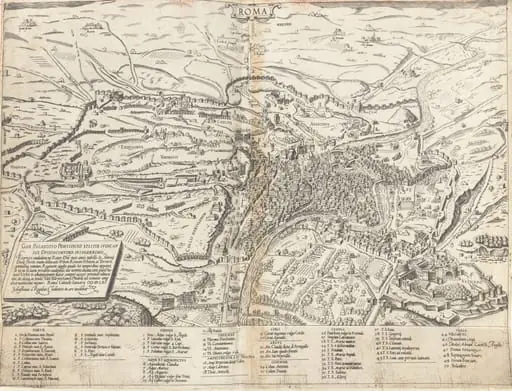 Topographical Map of Modern Rome
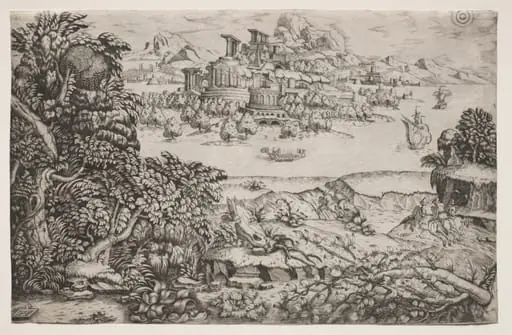 Landscape with a Temple above a Lake
![The Siege of La Rochelle [plate 12 of 16; set comprises 1952.8.97-112], by Jacques Callot](https://artifactworldgallery.com/img/jacques-callot--the-siege-of-la-rochelle-plate-12-of-16-set-comprises-1952-8--11aa44a7ba7b84a3-w320.webp) The Siege of La Rochelle [plate 12 of 16; set comprises 1952.8.97-112]
The Siege of La Rochelle [plate 12 of 16; set comprises 1952.8.97-112]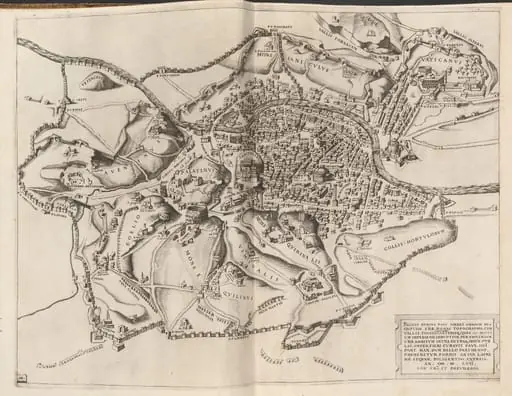 Topographical Map of Ancient Rome