Artwork
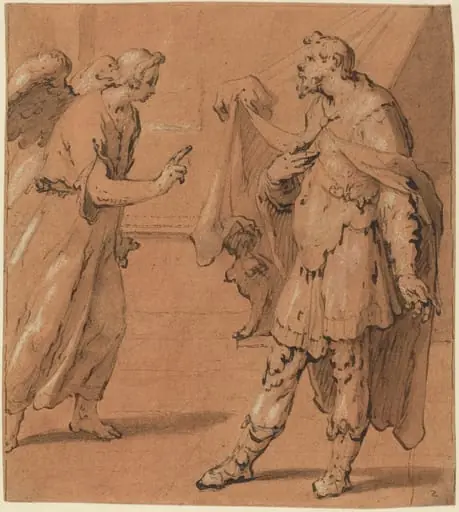
Angel Appearing to Zacharias
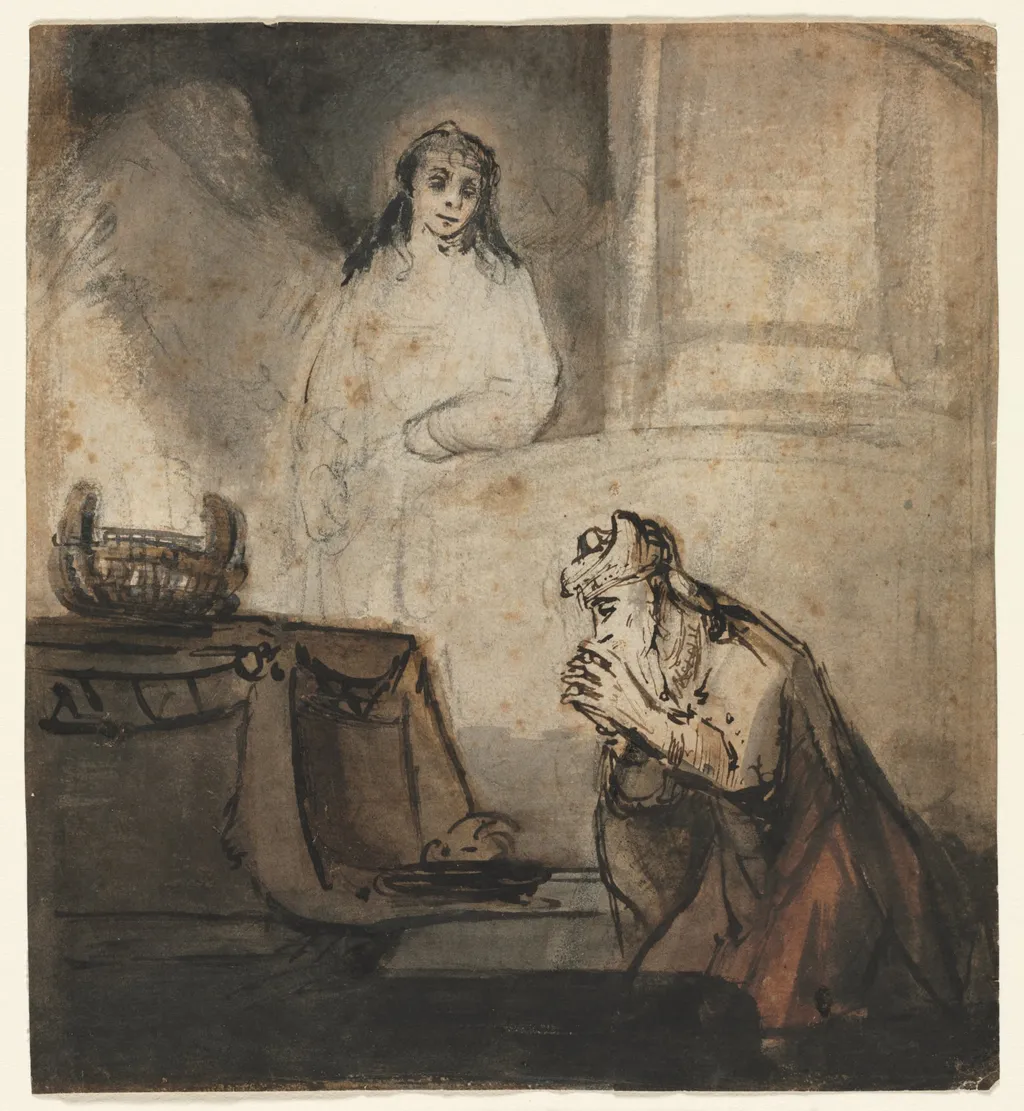
Angel Appearing to Zacharias is a drawing by the Baroque artist Barent Fabritius. It dates from 1662 and is held in the collection of the Cleveland Museum of Art.
About this work
Overview
Though rendered in a sketch-like manner, it conveys emotional gravity through minimal means, distinguishing it from more polished contemporaneous works.
Created in 1662 by Barent Fabritius, this drawing captures a moment from the Gospel of Luke in which an angel appears to the priest Zacharias. Executed during the Dutch Golden Age, the work reflects the period’s interest in intimate biblical narratives. Though rendered in a sketch-like manner, it conveys emotional gravity through minimal means, distinguishing it from more polished contemporaneous works.
Subject & Meaning
The scene illustrates the annunciation to Zacharias, who is shown kneeling in prayer as a celestial figure—likely the angel Gabriel—addresses him. The figure’s serene expression and the priest’s bowed posture suggest a quiet revelation rather than overt spectacle. The presence of ritual objects on the table implies the setting is a temple, reinforcing the sacred nature of the encounter and its significance in Christian tradition.
Technique & Style
Fabritius employed rapid, uneven strokes with a brush, creating a sense of immediacy and spontaneity. Areas of the composition remain loosely defined, particularly in the background, where faint lines suggest architectural elements without detail. The contrast between the soft rendering of the figures and the rough, dark surroundings enhances the focus on their interaction, aligning with Baroque tendencies toward emotional intensity through simplified form.
History & Provenance
Barent Fabritius, trained in the workshop of his father and possibly alongside his more famous brother Carel, was active in the Dutch Republic during the mid-seventeenth century. This drawing is among the few surviving works attributed to him, and its date places it near the end of his career. Its survival suggests it was valued as a study or devotional object, though its early ownership remains undocumented.
Context
In the Dutch Golden Age, biblical scenes were frequently depicted for private devotion rather than public altarpieces. Artists like Fabritius, influenced by Rembrandt’s psychological depth, favored intimate, emotionally resonant moments over grandeur. This drawing reflects a broader trend of using understated composition and naturalistic detail to convey spiritual encounters in domestic or scholarly settings.
Legacy
Though Barent Fabritius is less known than his contemporaries, this drawing contributes to understanding the range of devotional art produced in the Netherlands. Its sketch-like quality reveals how artists explored narrative and emotion through preliminary forms, bridging the gap between study and finished work. It remains a quiet testament to the period’s nuanced engagement with sacred texts.
Artist & collection
Artist
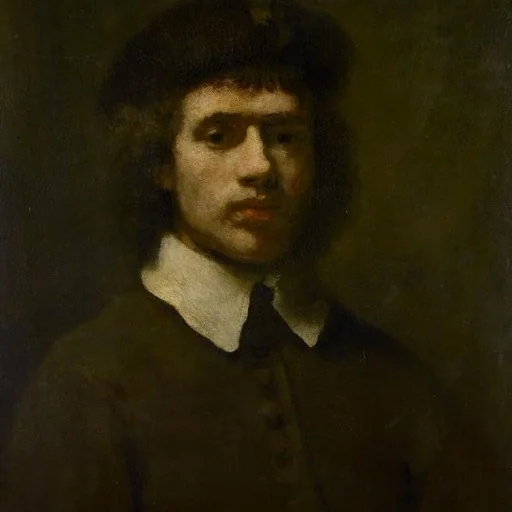
Barent or Bernard Pietersz Fabritius (or Fabricius) (bapt. 16 November 1624 – bur. 20 October 1673), was a Dutch painter. Fabritius was born at Middenbeemster, North Holland, the son of Pieter Carelsz. Fabritius. He…

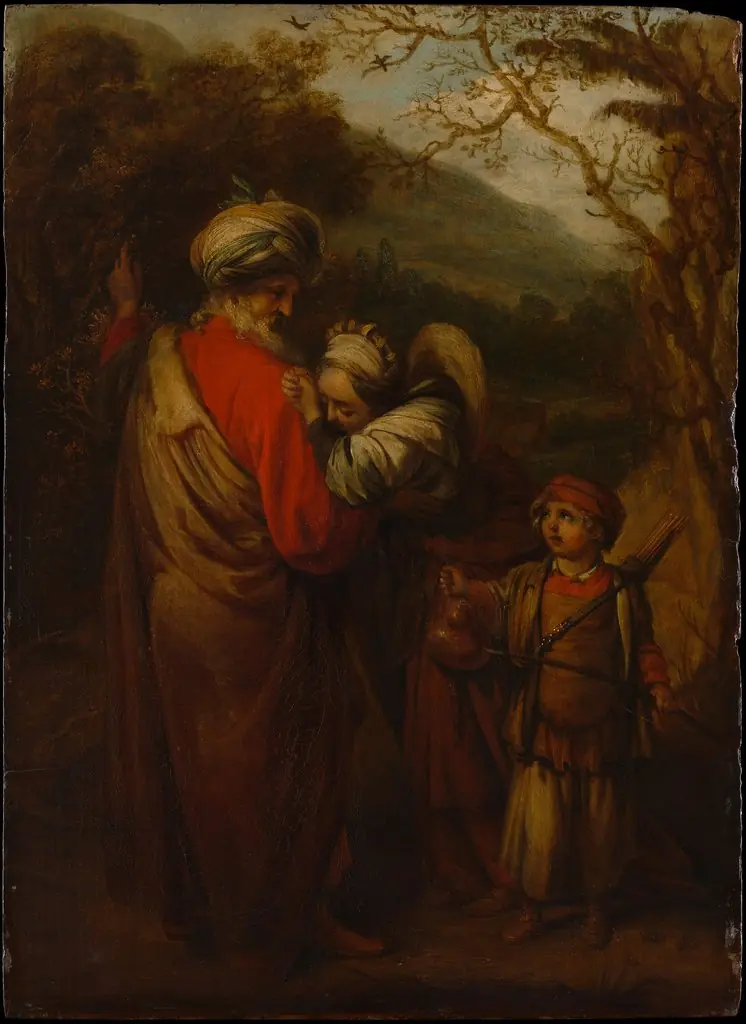 Abraham Dismissing Hagar and Ishmael
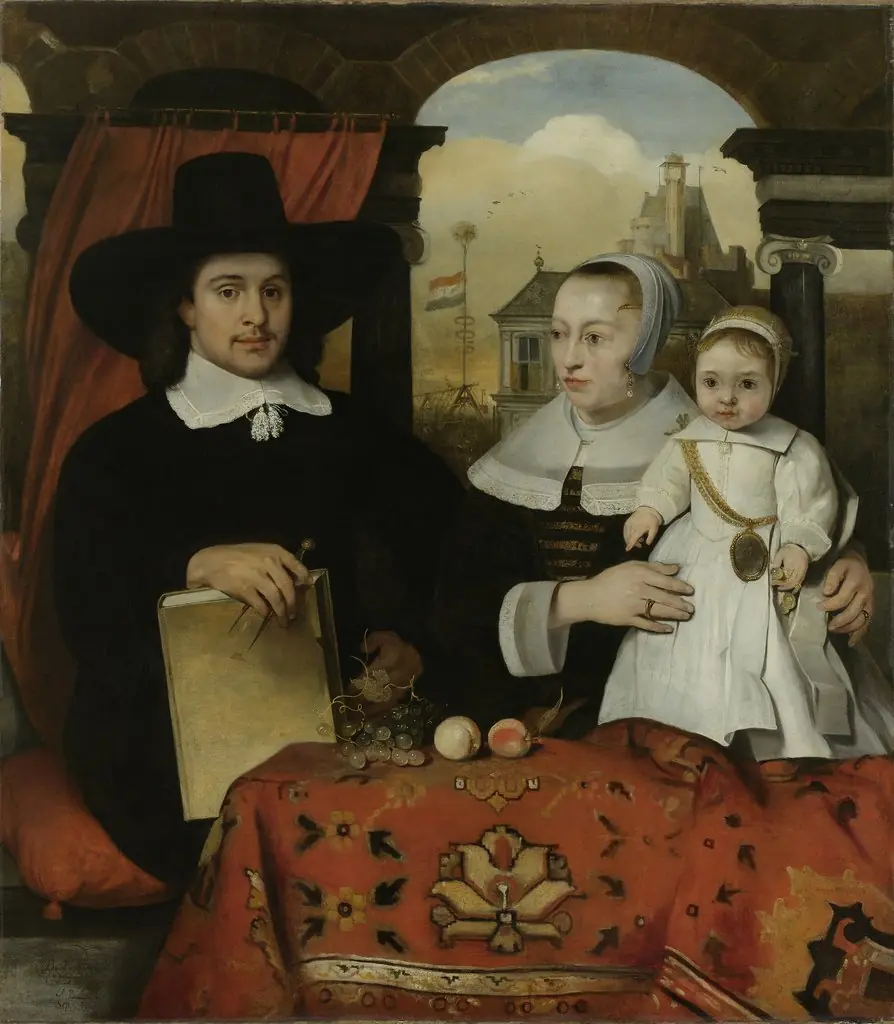 Willem van der Helm (ca 1625-75). Municipal architect of Leiden, with his wife Belytgen Cornelisdr van de Schelt and their son Leendert
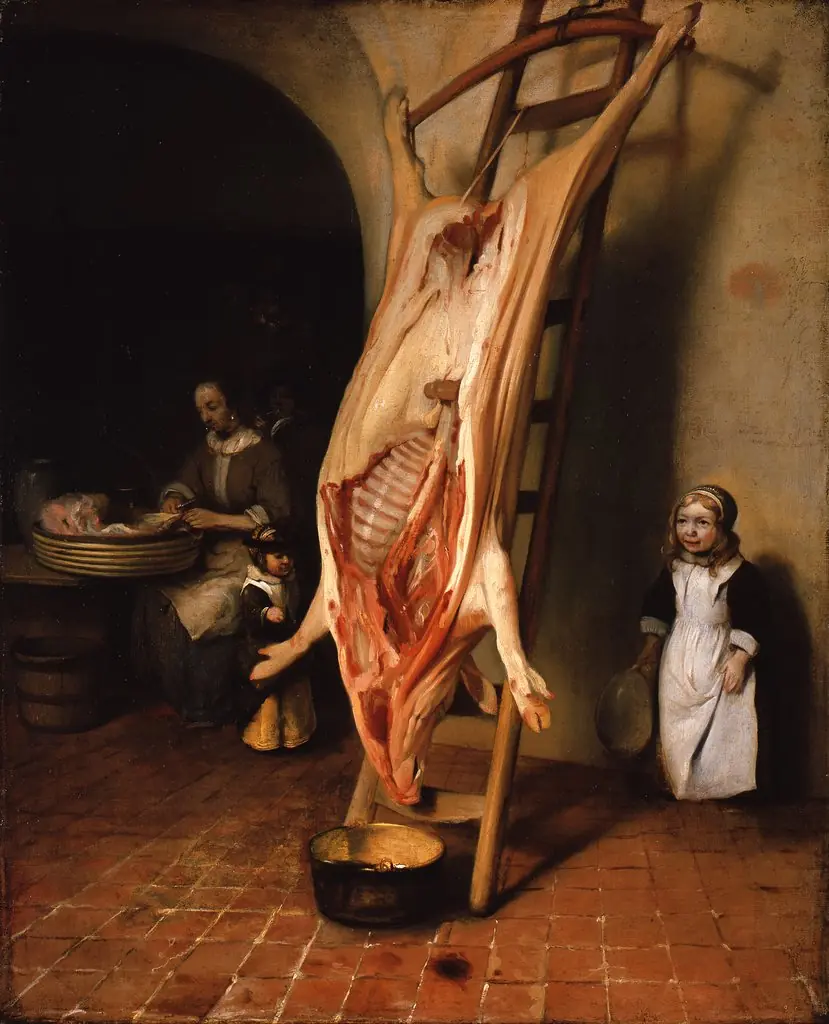 The butchered pig
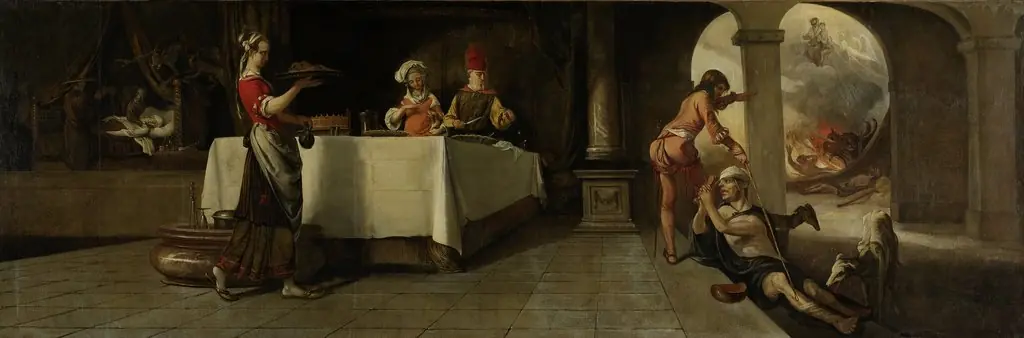 Lazarus and the rich man
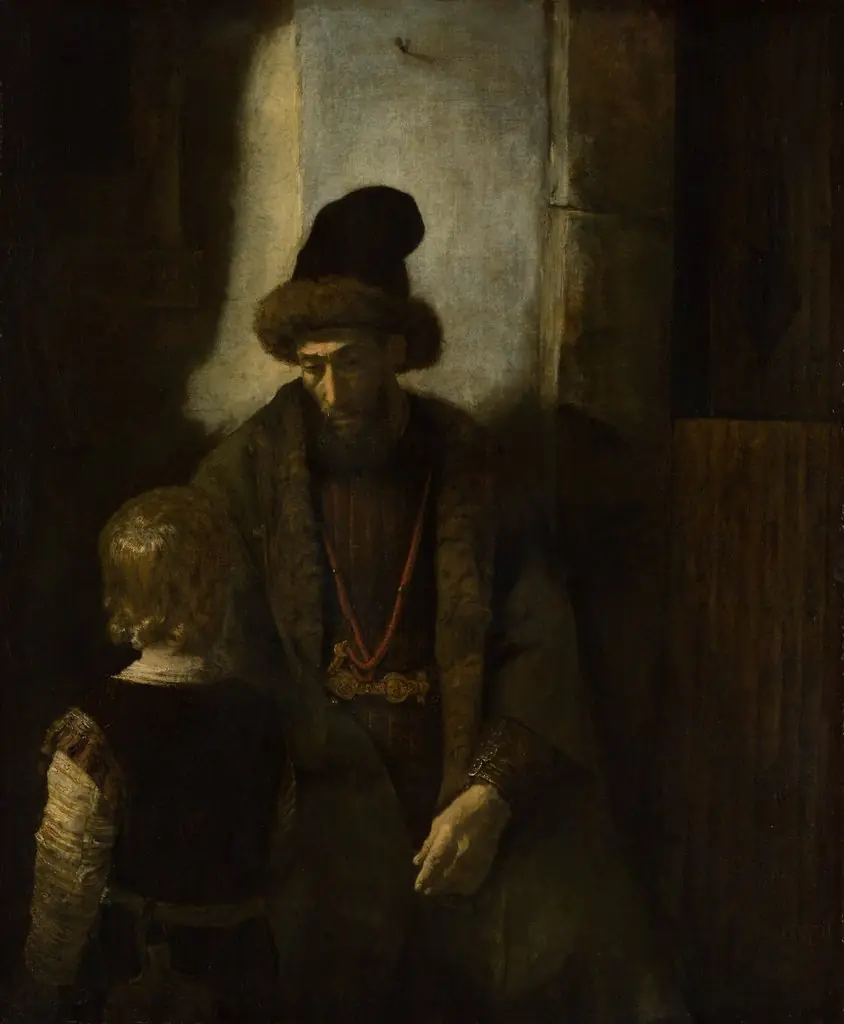 Jacob's Farewell to Benjamin
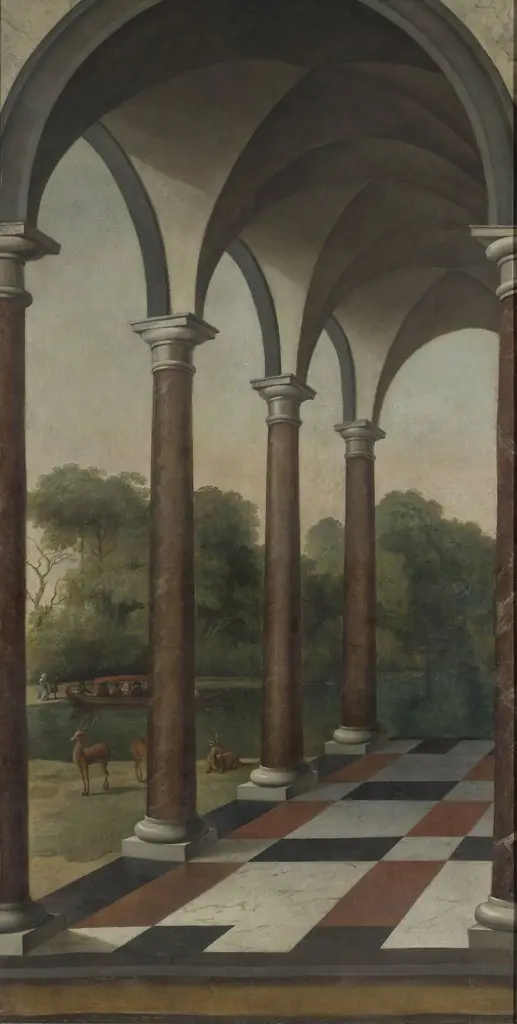 Colonnade giving onto a park
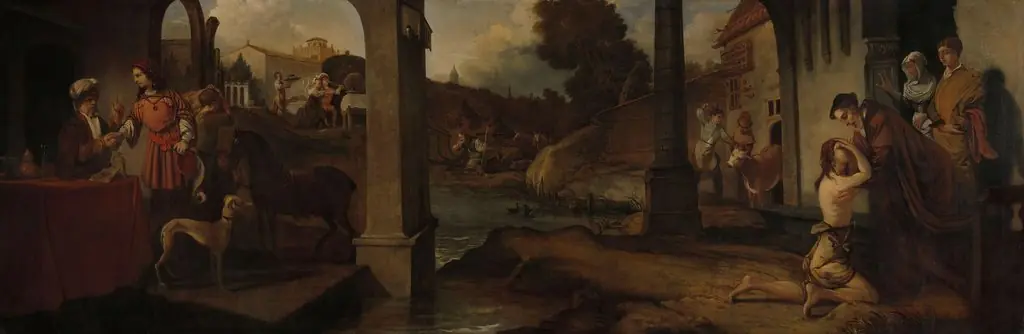 The prodigal son
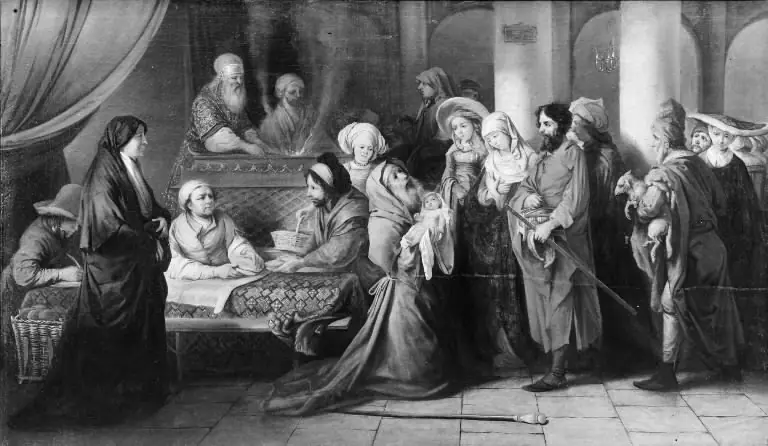 The Presentation at the Temple
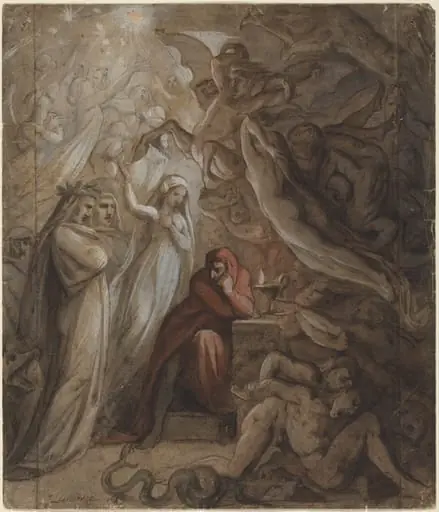 Dante Meditating on the "Divine Comedy"
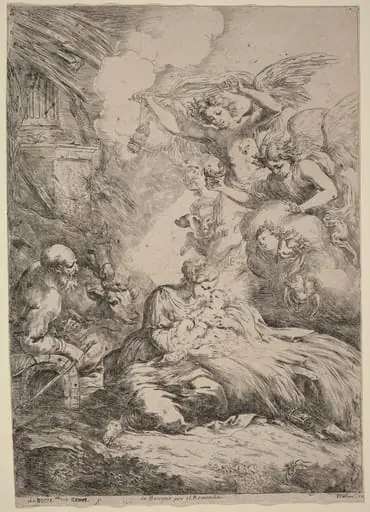 The Holy Family Adored by Angels (The Large Nativity)
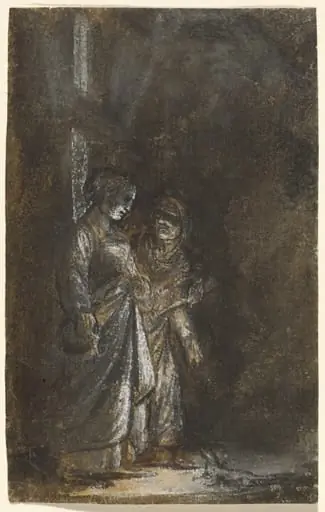 Ceres Changes Stellio into a Lizard
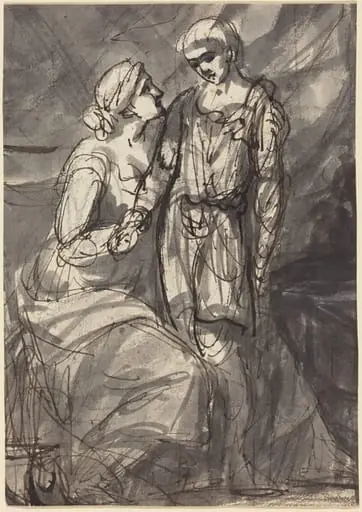 Two Figures in Classical Dress
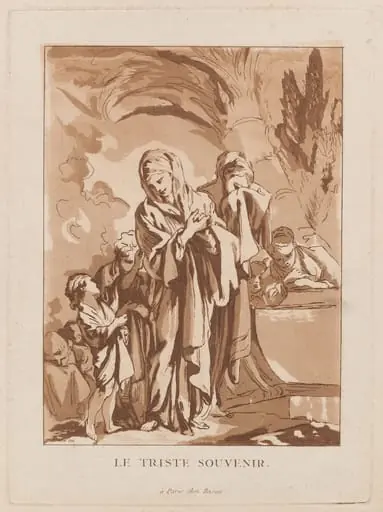 Le Triste Souvenir (The Sad Memory)
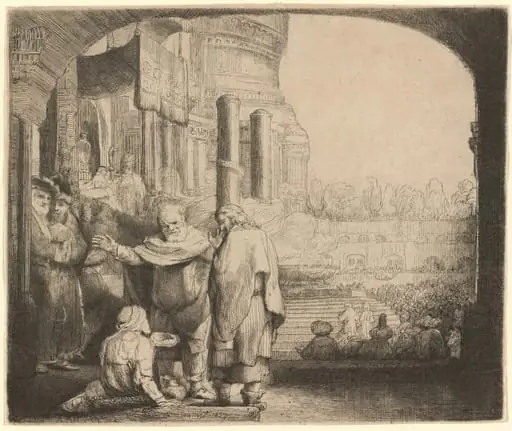 Peter and John Healing the Cripple at the Gate of the Temple
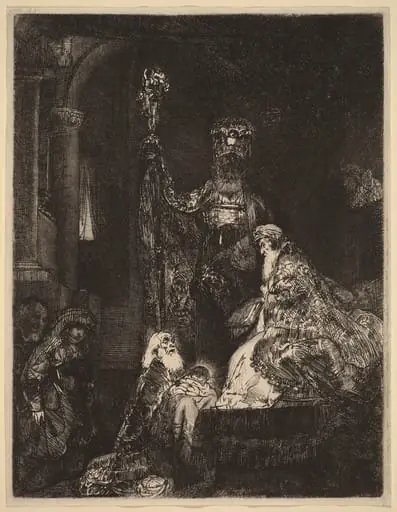 The Presentation in the Temple in the Dark Manner
![The Apotheosis of Saint Mark [recto and verso], by Pietro Roselli](https://artifactworldgallery.com/img/pietro-roselli--the-apotheosis-of-saint-mark-recto-and-verso--cd3a4ec627f729de-w320.webp) The Apotheosis of Saint Mark [recto and verso]
The Apotheosis of Saint Mark [recto and verso]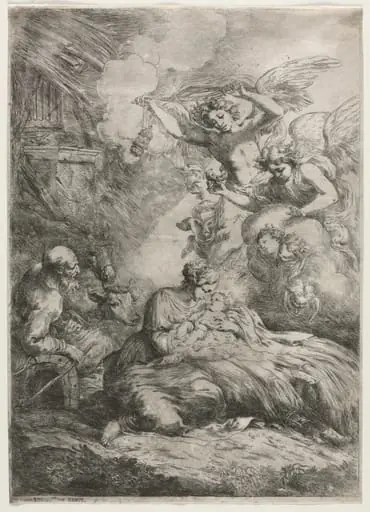 The Nativity
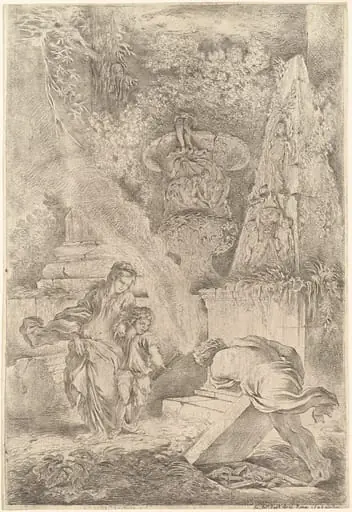 Theseus Finding Aegeus' Arms
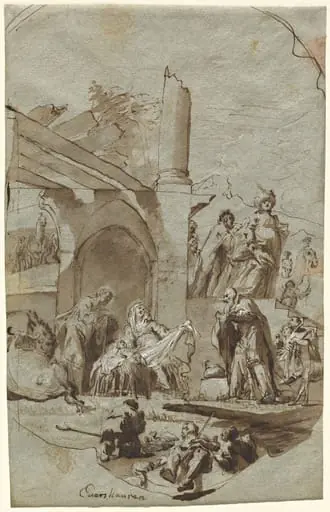 The Adoration of the Magi
 The Angel Appearing to the Centurion Cornelius