Artwork
Le Triste Souvenir (The Sad Memory)
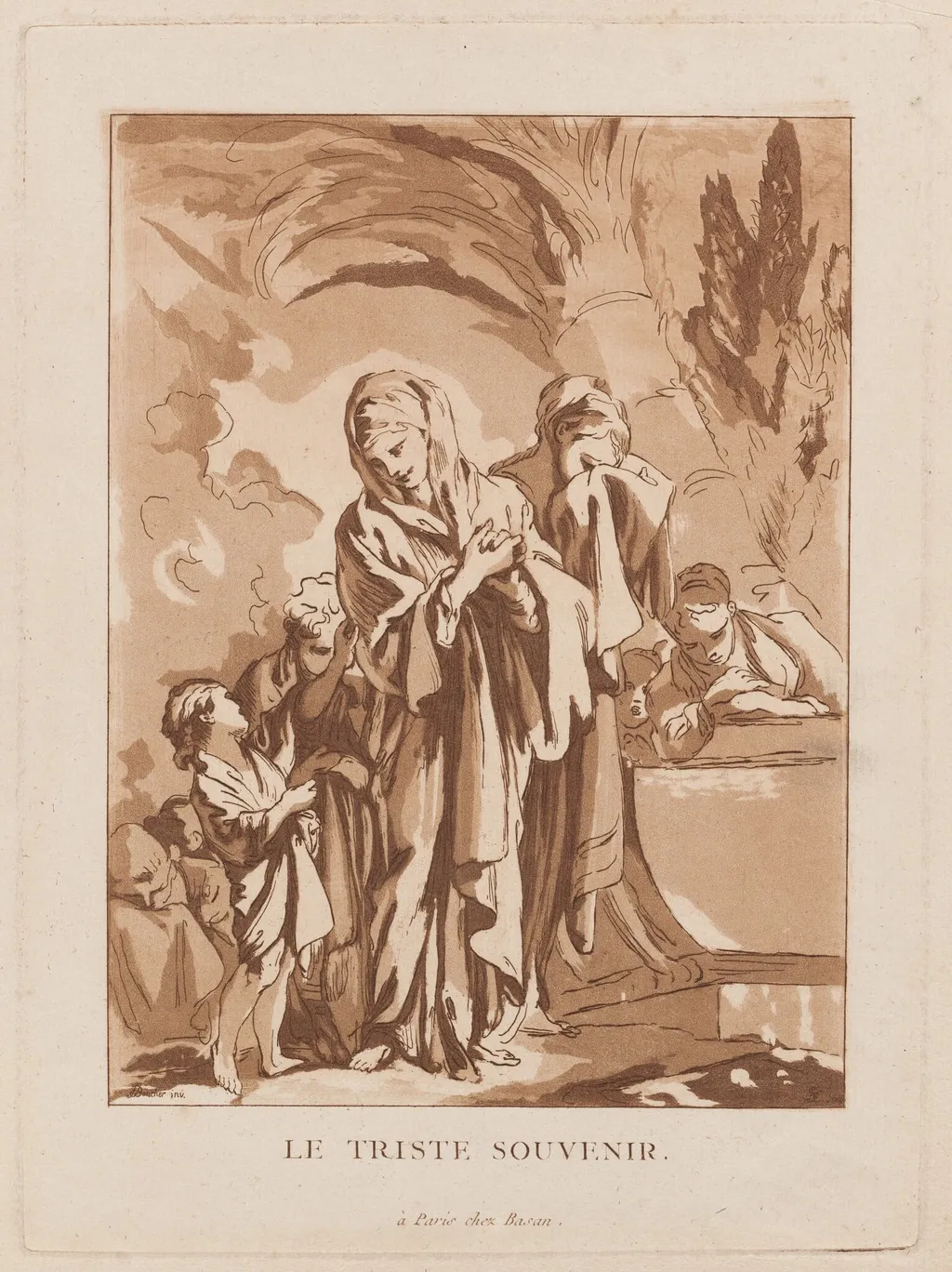
Le Triste Souvenir (The Sad Memory) is an ink print by the Romanticist artist François-Philippe Charpentier. It dates from 1766 and is held in the collection of the National Gallery of Art.
About this work
Overview
Le Triste Souvenir is a mid-18th-century print by François-Philippe Charpentier, executed in etching and aquatint on laid paper using brown ink.
Le Triste Souvenir is a mid-18th-century print by François-Philippe Charpentier, executed in etching and aquatint on laid paper using brown ink. Created around 1766, it reflects Charpentier’s technical engagement with tonal printmaking during a period of innovation in French graphic arts. The work is part of the National Gallery of Art’s collection in Washington, D.C., and exemplifies his early experimentation before his later mechanical inventions in color engraving.
Subject & Meaning
The scene depicts four figures in a somber, intimate grouping: two women, one cradling a child, the other offering support; a seated man leaning forward; and a child kneeling nearby. The title, The Sad Memory, suggests a moment of quiet grief or recollection. No narrative is explicitly stated, but the composition evokes emotional stillness, with figures bound by unspoken sorrow, rendered without dramatic gesture or clear context.
Technique & Style
Charpentier employed etching and aquatint to achieve subtle gradations of tone, using brown ink to create a muted, atmospheric effect. The lines are loose and suggestive, avoiding sharp definition, while the background dissolves into soft blurs of trees and sky. This approach prioritizes mood over detail, aligning with contemporary French printmakers’ interest in evoking emotion through texture and light rather than precise illustration.
History & Provenance
Charpentier, trained in Paris after leaving a Jesuit college due to financial hardship, developed an interest in printmaking as a means of artistic expression and technical innovation. Le Triste Souvenir predates his later mechanical advancements in aquatint and color printing. The work remained in private hands until entering the National Gallery of Art’s collection, where it is preserved as an example of pre-revolutionary French graphic experimentation.
Context
In the 1760s, French printmakers were increasingly exploring aquatint to mimic the tonal qualities of wash drawings, moving away from line-based engraving. Charpentier’s work fits within this trend, responding to a growing appetite for prints that conveyed emotion and atmosphere. Though not a major public commission, Le Triste Souvenir reflects the private, introspective side of print culture during the Enlightenment.
Legacy
While Charpentier is better known for his later mechanical innovations, Le Triste Souvenir stands as an early testament to his sensitivity to tone and mood in printmaking. The work contributes to the historical record of how artists used emerging techniques to translate personal, quiet emotions into the medium of print, influencing later generations interested in expressive rather than illustrative graphic art.
Artist & collection

Artist
François-Philippe Charpentier (b. Blois, 1734; d. there 22 July 1817) was a French engraver and inventor. His father was a bookbinder, a poor man who reportedly made many sacrifices so that his son might attend the…

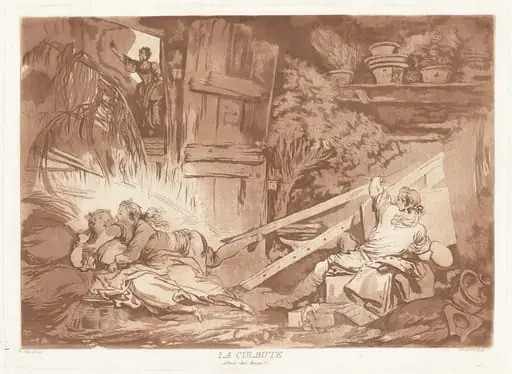 La Culbute (The Tumble)
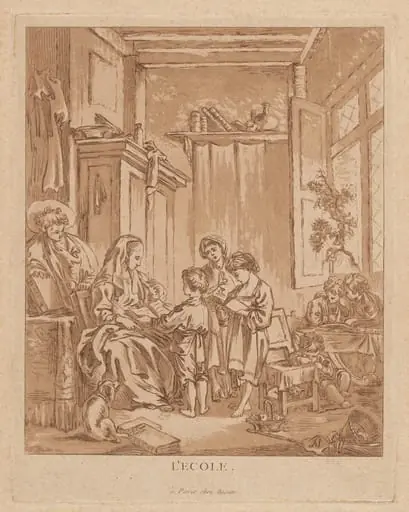 L’École (The School)
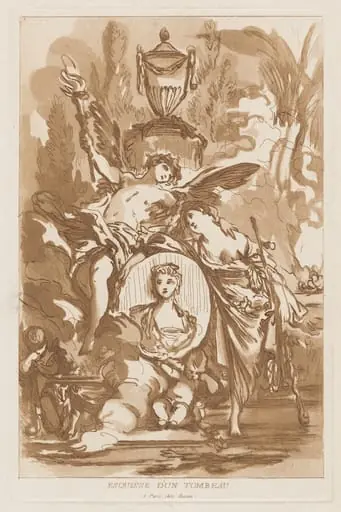 Esquisse d’un tombeau (Sketch for a Tomb)
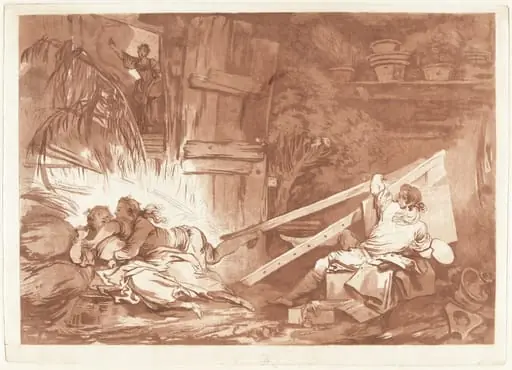 The Tumble
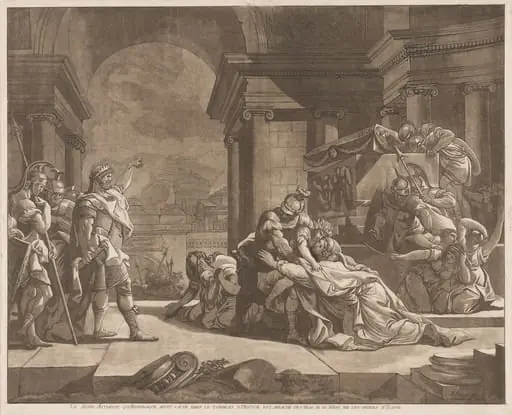 Le Jeune Astianax qu’Andromaque avoit caché dans le tombeau d’Hector est arraché des bras de sa Mere par les ordres d'Ulisse (Young Astianax, who Andromache Hid in Hector's Tomb, is Seized from his Mother's Arms by Ulysses' Orders)
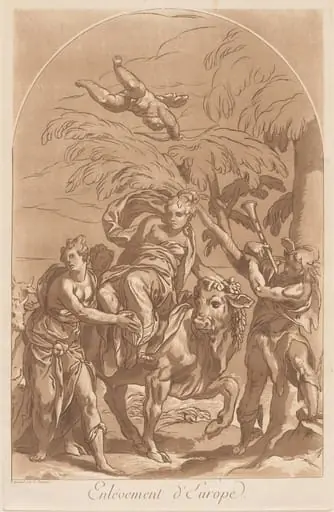 Rape of Europa
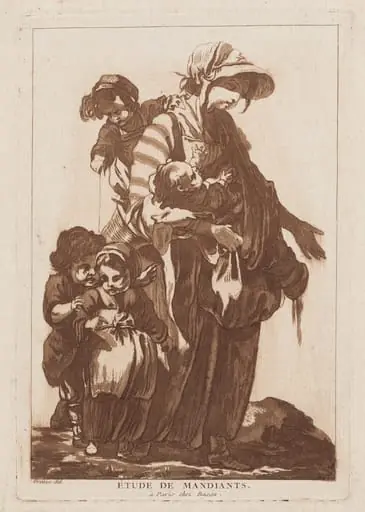 Étude de Mandiants (Study of Beggars)
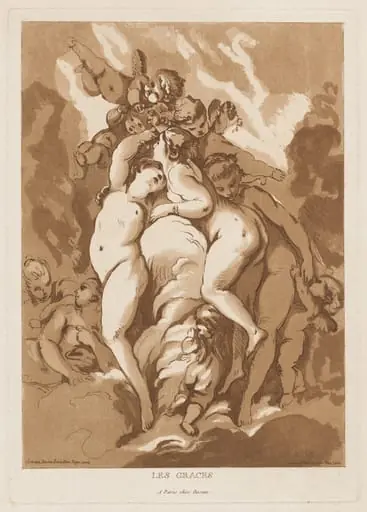 Les Graces (The Graces)
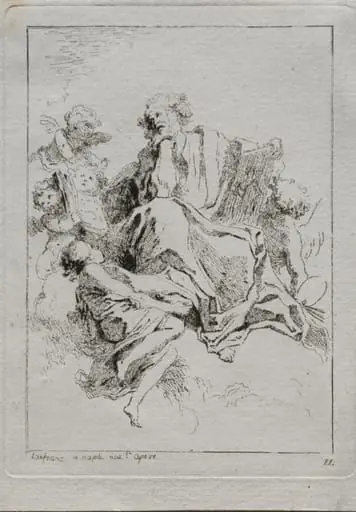 Saint Luke
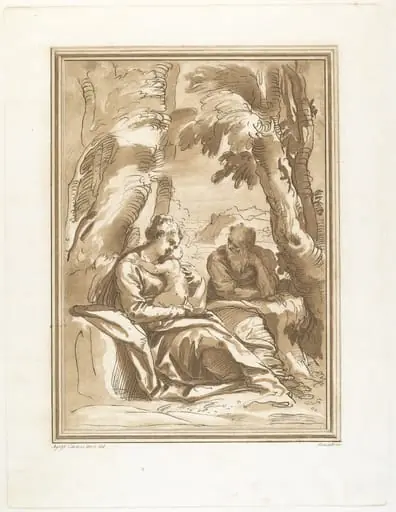 Rest on the Flight into Egypt
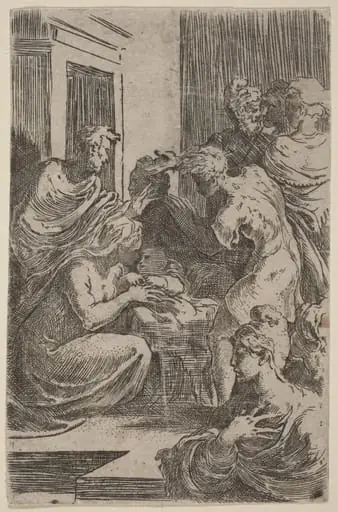 The Adoration of the Shepherds
 Charity
 Saint Luke
 The Washerwoman
 Susanna and the Elders
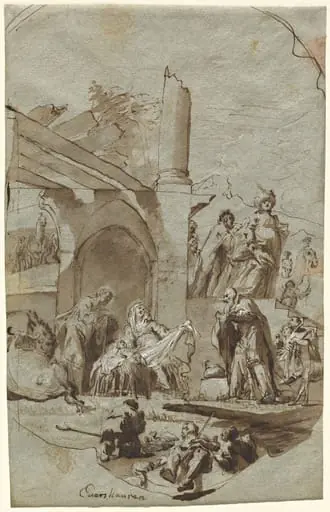 The Adoration of the Magi
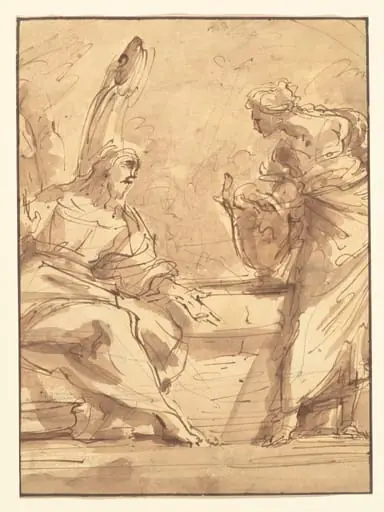 Christ and the Samaritan Woman
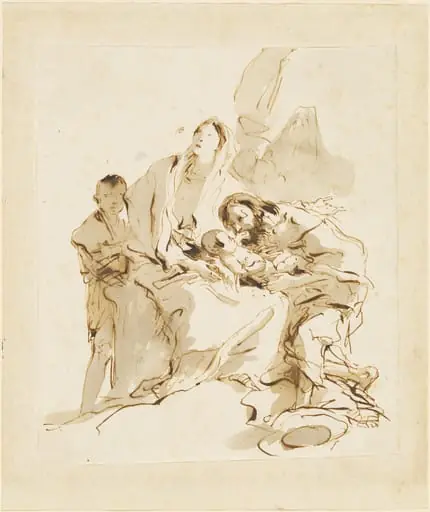 The Holy Family
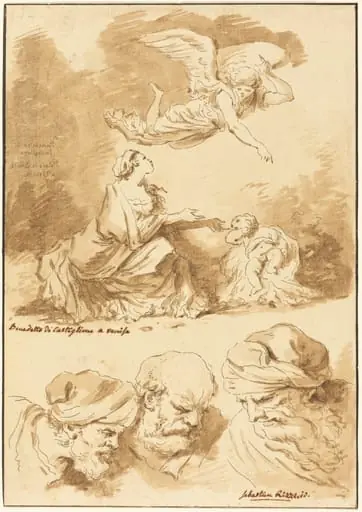 Hagar Consoled by an Angel (from a painting by Castiglione) and Three Heads of Old Men (from a painting by Ricci of Jesus and the Adultress)