Artwork
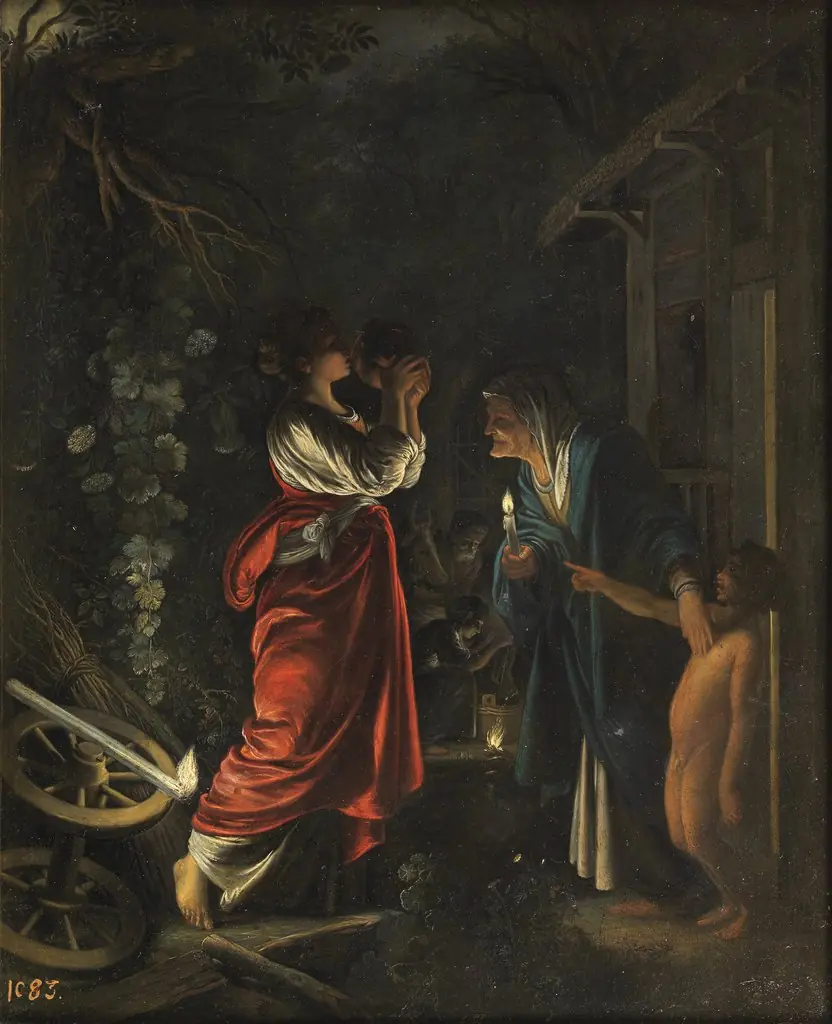
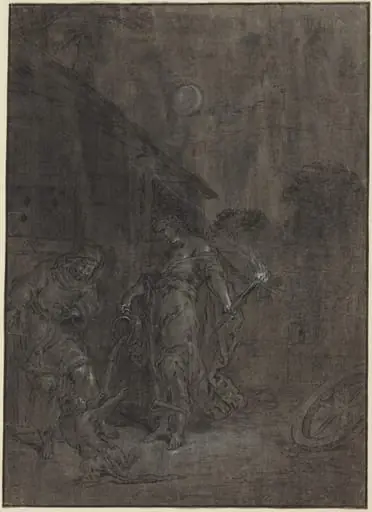
Ceres Changes Stellio into a Lizard
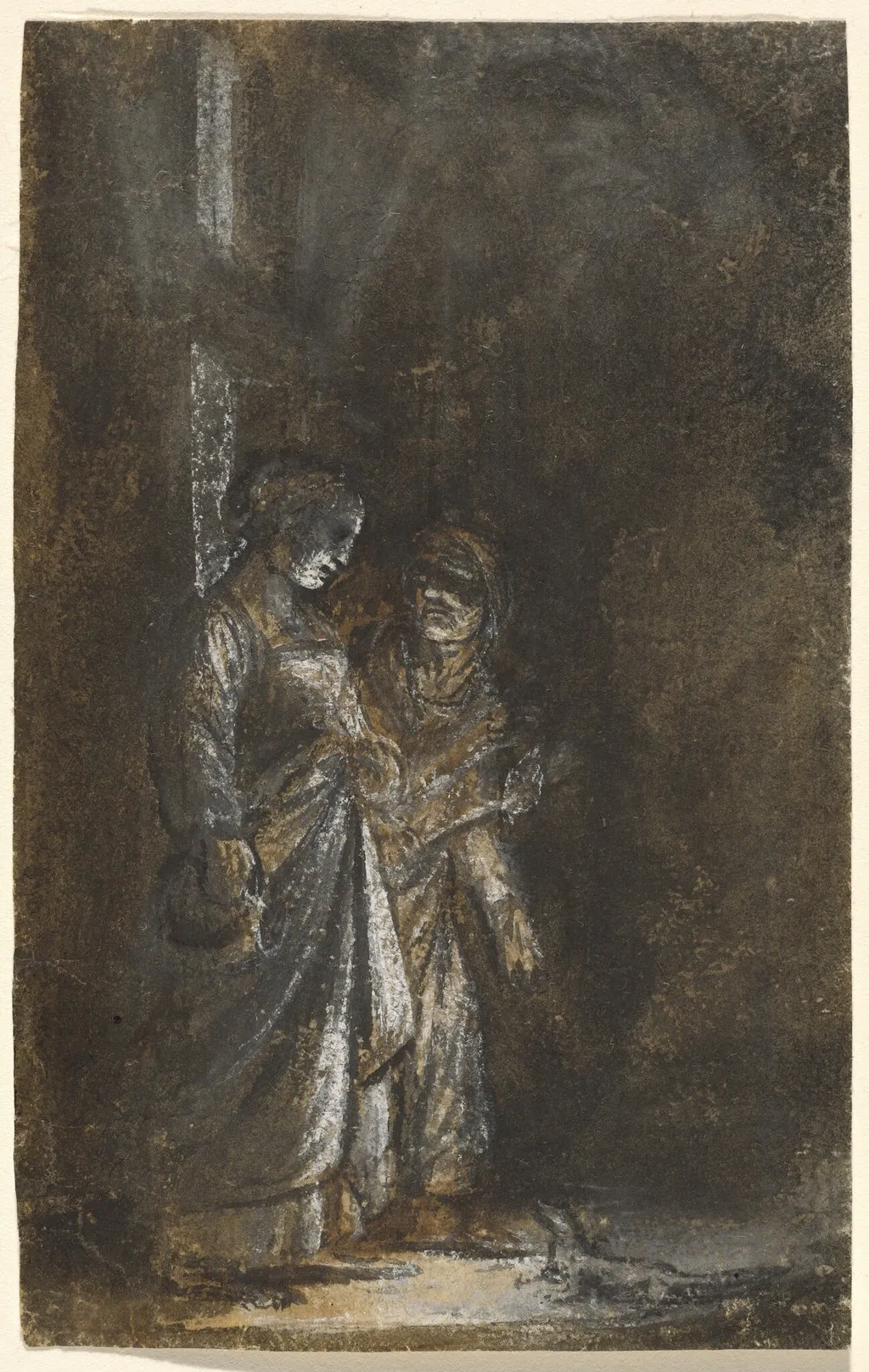
Ceres Changes Stellio into a Lizard is an ink drawing by the Baroque artist Adam Elsheimer. It dates from 1606 and is held in the collection of the National Gallery of Art.
About this work
Overview
Its luminous quality and intimate scale reflect Elsheimer’s interest in subtle atmospheric effects, distinguishing it from typical Renaissance draftsmanship.
Created in 1606, this drawing by German artist Adam Elsheimer combines gouache, pen, and brown ink on brown prepared paper. Unlike his more common small oil paintings on copper, this work demonstrates his experimentation with paper as a medium. Its luminous quality and intimate scale reflect Elsheimer’s interest in subtle atmospheric effects, distinguishing it from typical Renaissance draftsmanship.
Subject & Meaning
The scene illustrates a moment from Ovid’s Metamorphoses, in which the goddess Ceres, mourning the loss of her daughter Proserpina, transforms a boy named Stellio into a lizard. His mockery of her grief triggers the punishment, underscoring themes of divine retribution and the fragility of human arrogance. The transformation is rendered with quiet intensity, avoiding theatricality in favor of psychological gravity.
Technique & Style
Elsheimer employed gouache—opaque watercolor—to achieve a luminous, almost glowing effect on the brown paper, enhancing the contrast between the figures and the shadowed landscape. Fine pen lines define form and texture, while the paper’s tone unifies the composition. This combination of materials was unusual for the time, lending the work a tactile immediacy uncommon in contemporary drawings.
History & Provenance
The drawing remained in private collections in Europe for centuries before entering the National Gallery of Art in Washington, D.C. Its survival in good condition is notable, given the fragility of paper and the experimental nature of its materials. Documentation traces its ownership to early 17th-century Italian collectors, suggesting it was valued soon after its creation.
Context
Active in Rome during the early Baroque period, Elsheimer stood apart from contemporaries by focusing on nocturnal and twilight scenes, often infused with celestial light. His small-scale works, though less public than large altarpieces, circulated among connoisseurs and influenced artists like Rembrandt and Rubens, who admired his nuanced handling of light and mood.
Legacy
Though not widely exhibited in his lifetime, Elsheimer’s drawings, including this one, became touchstones for later generations seeking emotional depth and atmospheric realism. The use of gouache on colored paper anticipated techniques later adopted in 18th-century watercolor traditions, positioning this work as a quiet precursor to evolving artistic practices.
Artist & collection
Artist
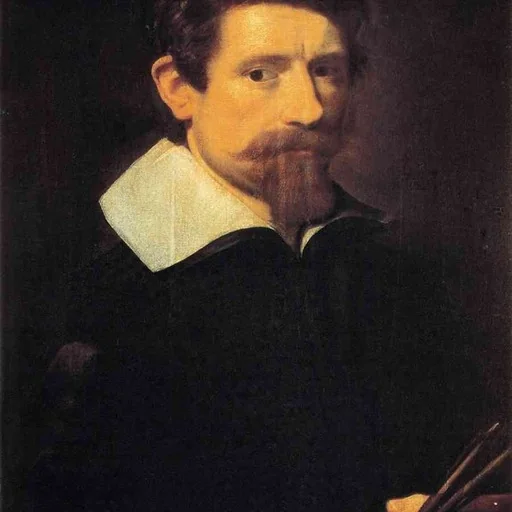
Adam Elsheimer (18 March 1578 – 11 December 1610) was a German Baroque painter who worked in Rome.

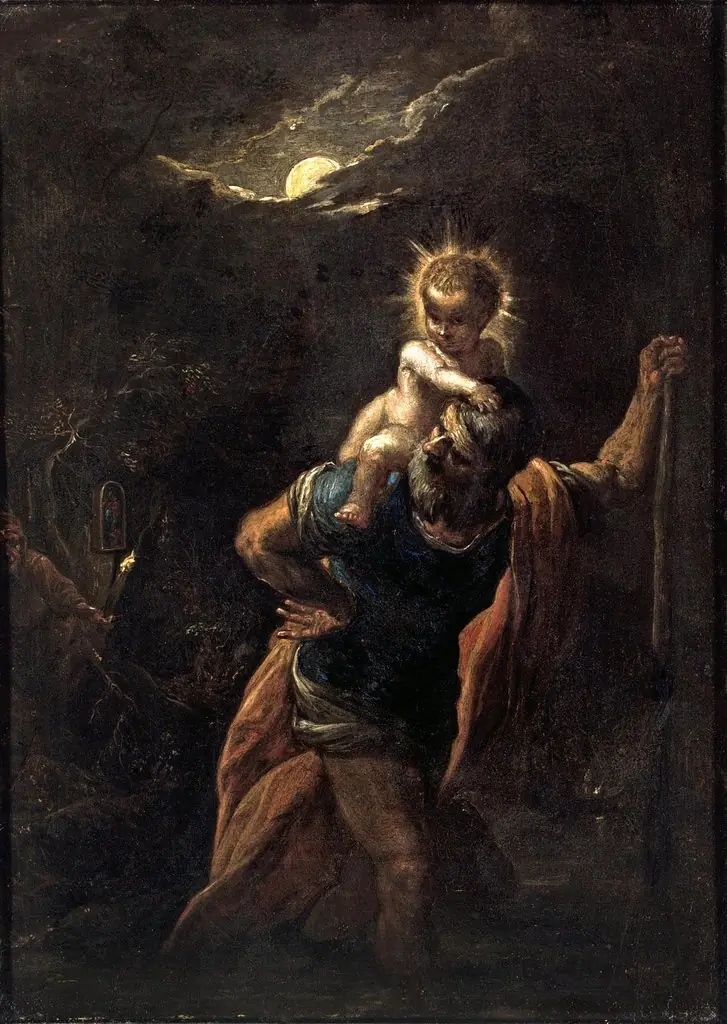
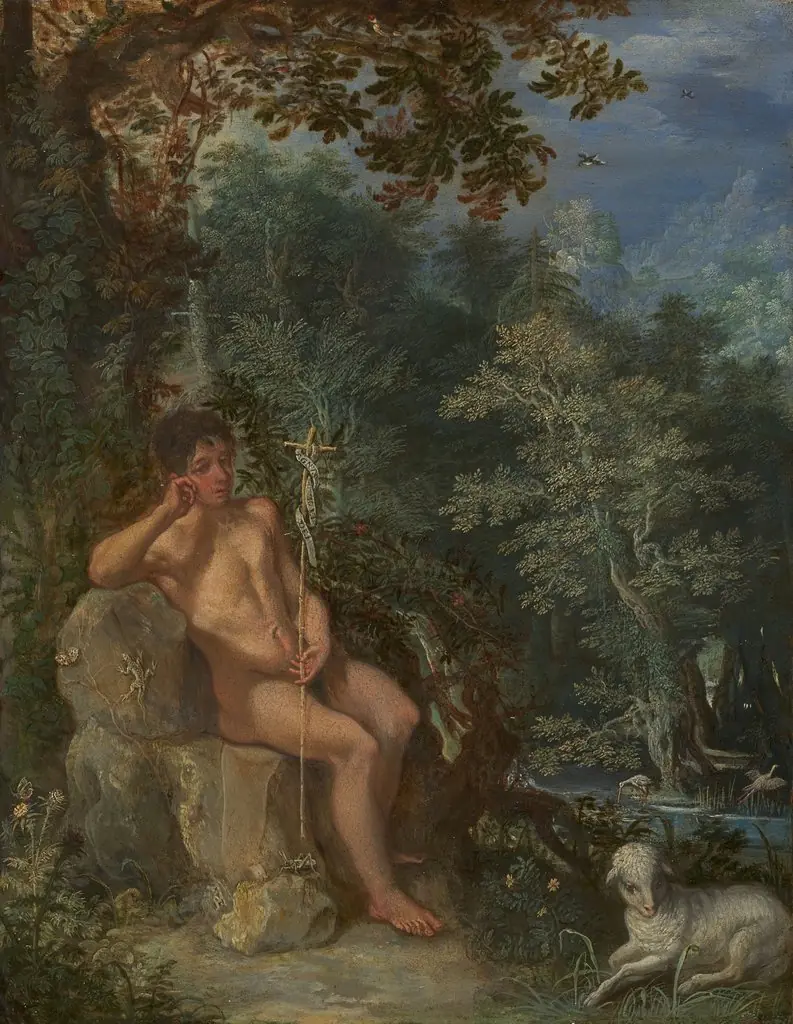
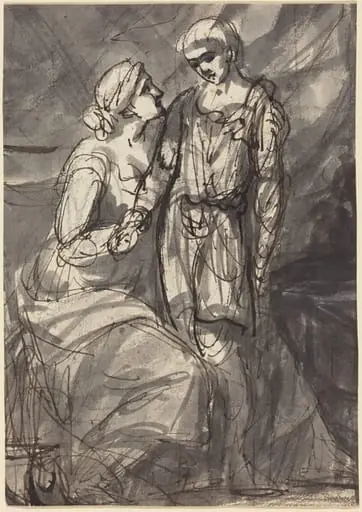 Two Figures in Classical Dress
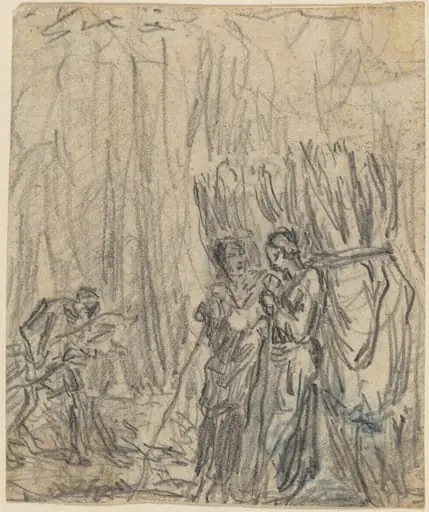 Gleaners
 Angel Appearing to Zacharias
 Figure Studies
 Figure Studies (recto)
 The Fortune Teller
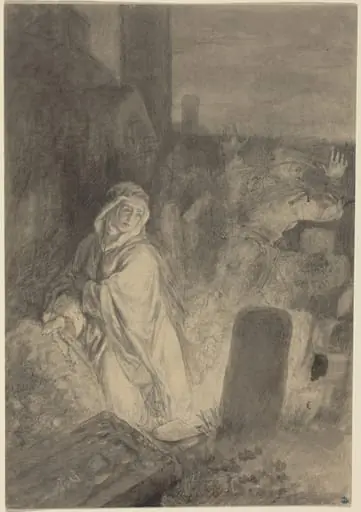 A Man Fleeing from a Nun Praying in a Cemetery
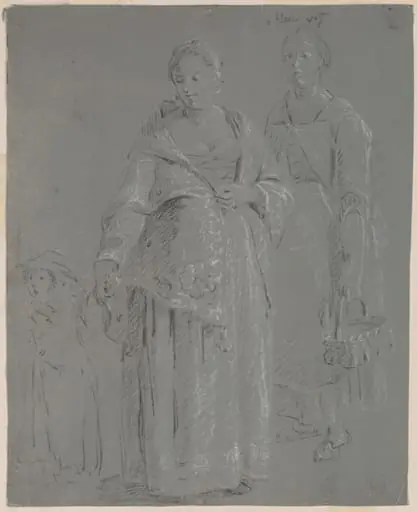 Three Figures
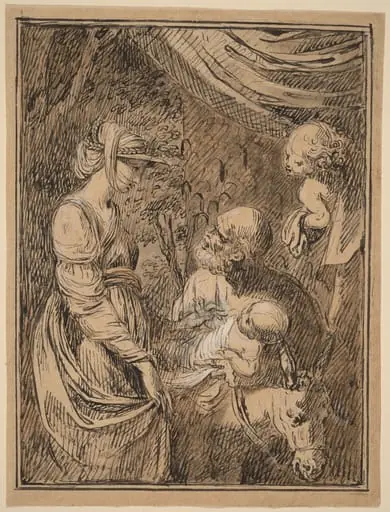 The Flight into Egypt
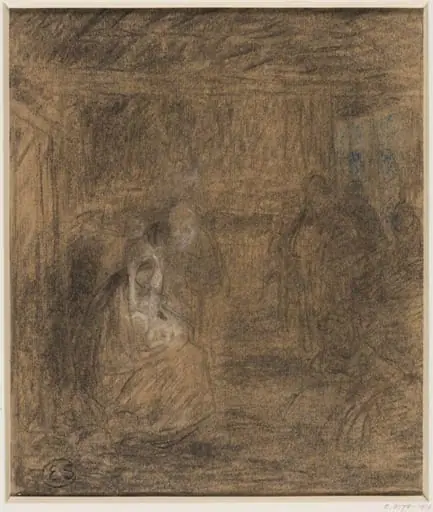 Study for the oil painting, "The Nativity"
 A seated figure receiving an offering
 Stellio Changed into a Lizard by Ceres