Artwork
Van Polen
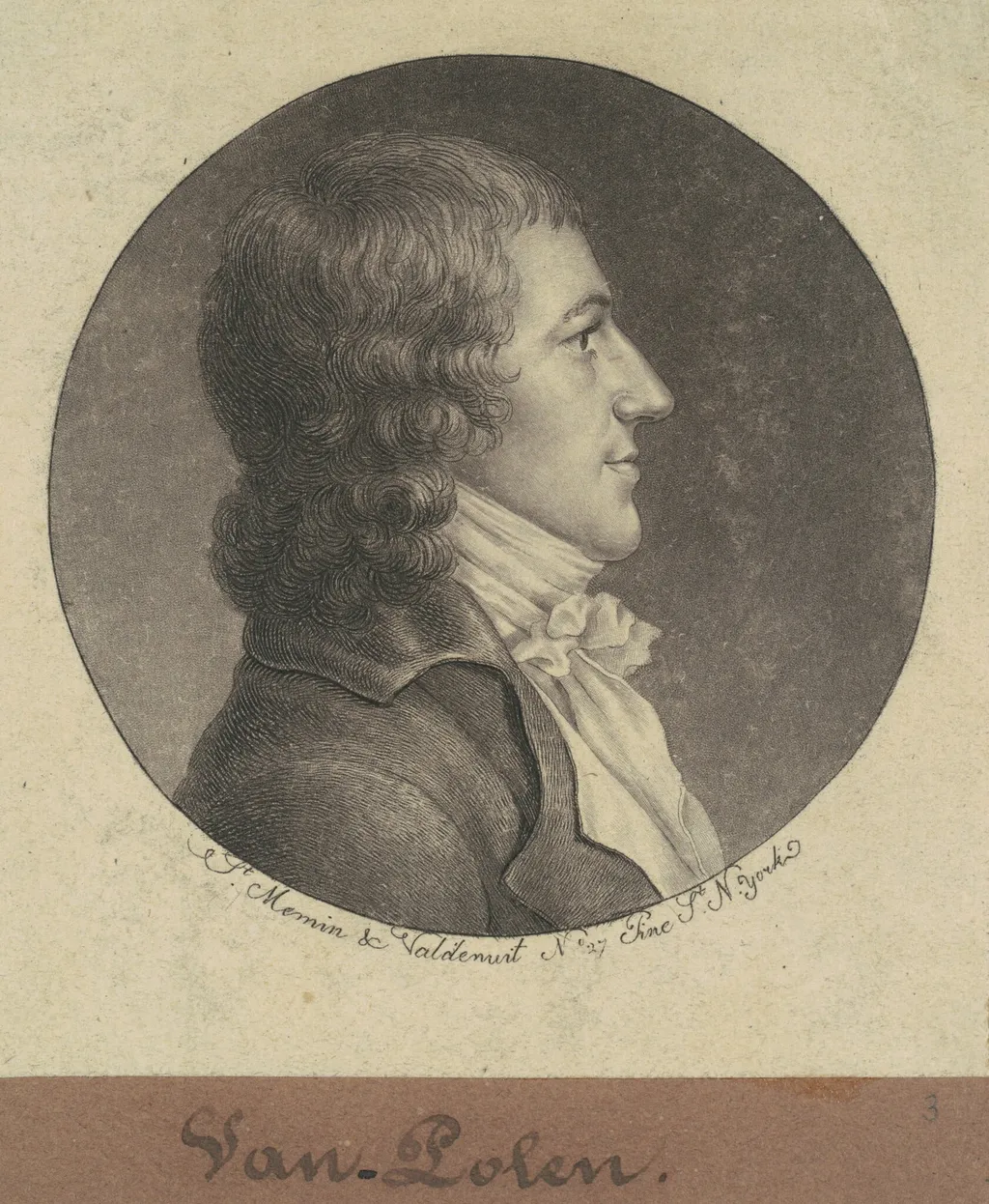
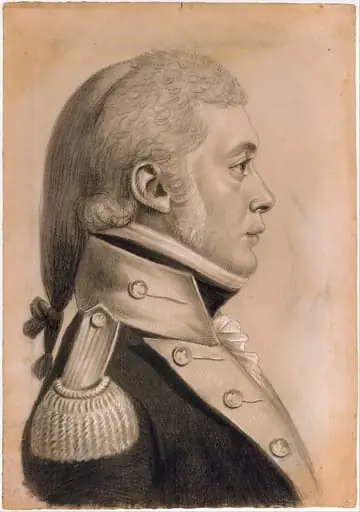
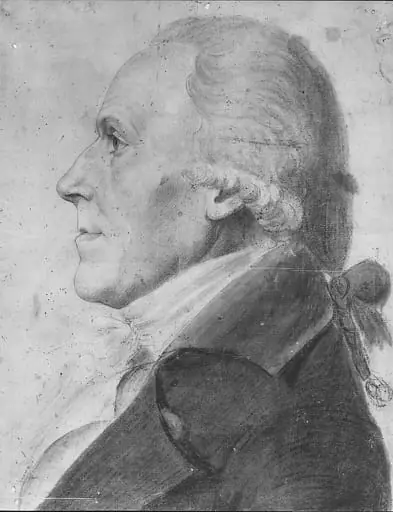
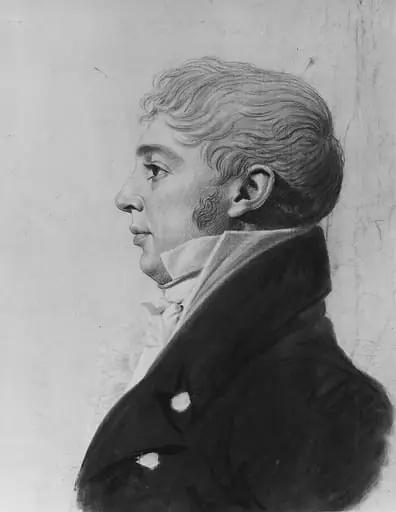
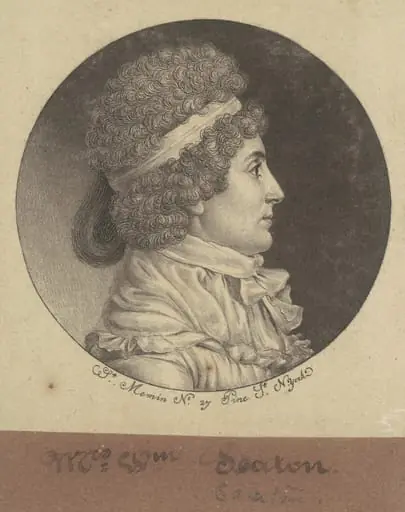
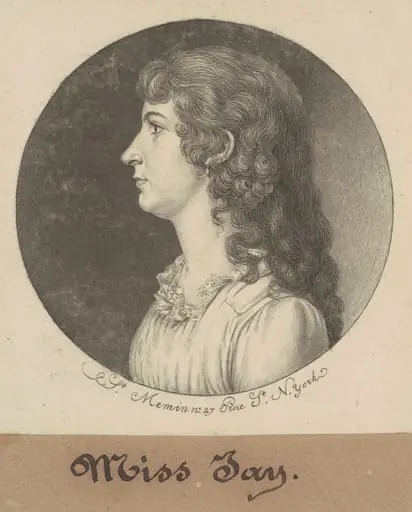
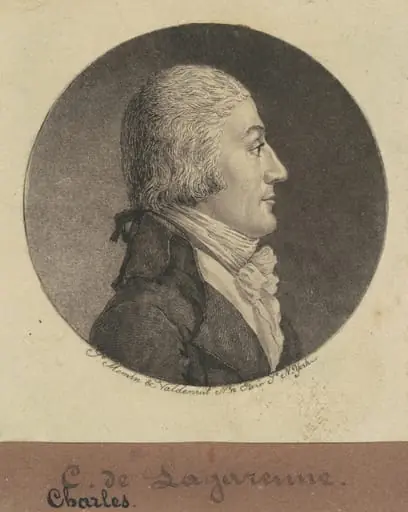
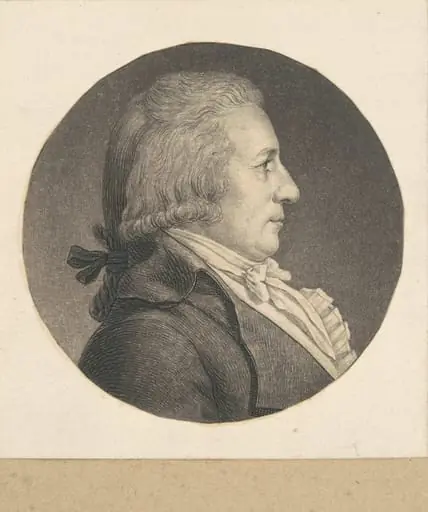
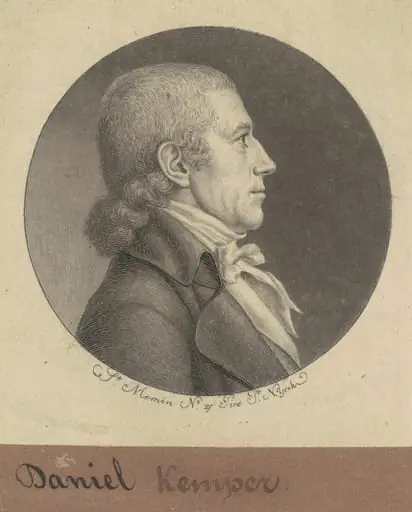
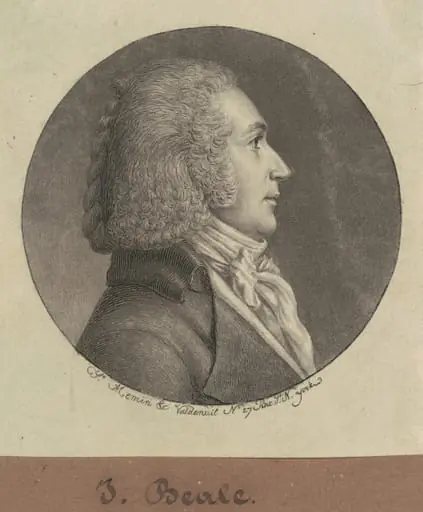
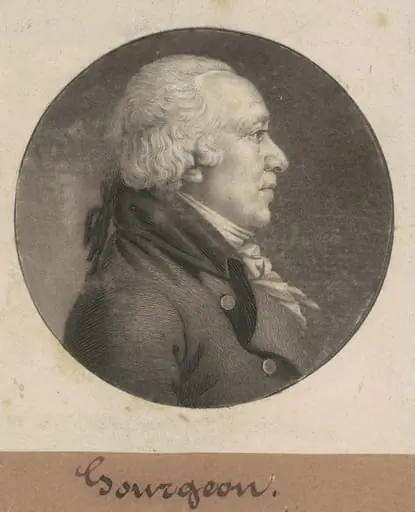
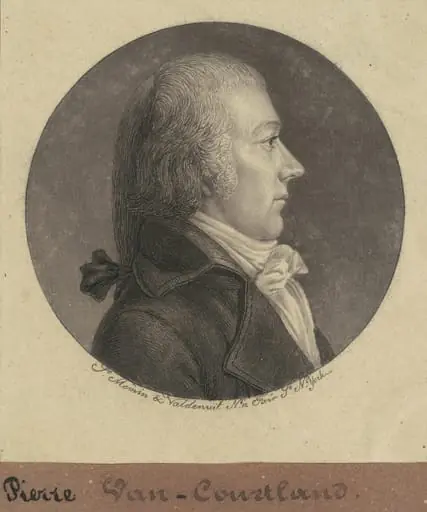
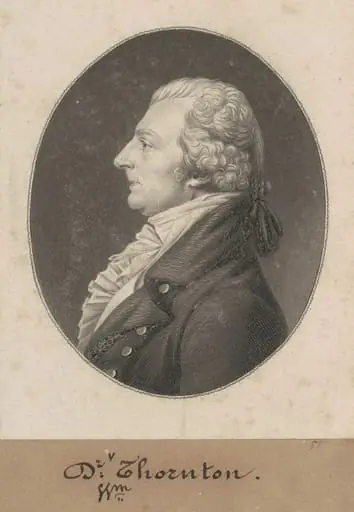
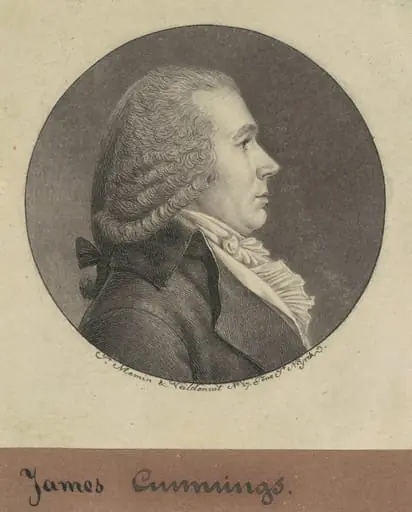
Van Polen is an ink print by the Romanticist artist Charles Balthazar Julien Févret de Saint-Mémin. It dates from 1796 and is held in the collection of the National Gallery of Art. This print, attributed to Charles B.
About this work
Overview
The work exemplifies the precision of portrait printing techniques popular in America during that period, emphasizing tonal depth and fine detail.
This print, attributed to Charles B. J. Févret de Saint-Mémin, depicts a man named Van Polen. Executed in mezzotint and engraving on wove paper, it was mounted onto a brown wove support. Created in the early 1800s, it belongs to the Corcoran Collection. The work exemplifies the precision of portrait printing techniques popular in America during that period, emphasizing tonal depth and fine detail.
Subject & Meaning
The subject, Van Polen, is portrayed with quiet composure, his expression neutral and unadorned. His simple attire suggests modesty or civilian status, avoiding symbols of rank or wealth. The portrait’s restraint reflects a documentary intent—capturing an individual’s likeness without embellishment, consistent with the era’s interest in recording personal identity through print.
Technique & Style
Saint-Mémin employed mezzotint to achieve rich gradations of gray, enhancing the three-dimensionality of the face and fabric. Engraving added sharp linear detail to features like the collar and hair. The combination allowed for both soft modeling and crisp definition, a hallmark of his method. The use of wove paper ensured a smooth surface, ideal for capturing fine lines and subtle tonal shifts.
History & Provenance
The print entered the Corcoran Collection in the 19th century, likely acquired as part of Saint-Mémin’s broader project to document American figures. Its preservation reflects institutional interest in early American portraiture. No earlier ownership records are widely documented, but its inclusion in the Corcoran underscores its recognized value within the context of American print history.
Context
In the early 1800s, mezzotint and engraving were primary methods for reproducing portraits before photography. Saint-Mémin, a French émigré, became a leading practitioner in the United States, producing hundreds of such portraits. Van Polen’s image fits within this systematic effort to compile visual records of contemporary individuals, from politicians to ordinary citizens.
Legacy
Though Van Polen himself is not historically prominent, the print endures as an example of Saint-Mémin’s technical mastery and his role in shaping early American portraiture. His approach influenced how identity was visually recorded in print, bridging European engraving traditions with American subject matter. The work remains a reference for studying 19th-century printmaking practices.
Artist & collection

Artist
Charles Balthazar Julien Févret de Saint-Mémin
Charles Balthazar Julien Févret de Saint-Mémin (French pronunciation: ; 1770–1852) was a French portrait painter and museum director.