Artwork
Unidentified Man
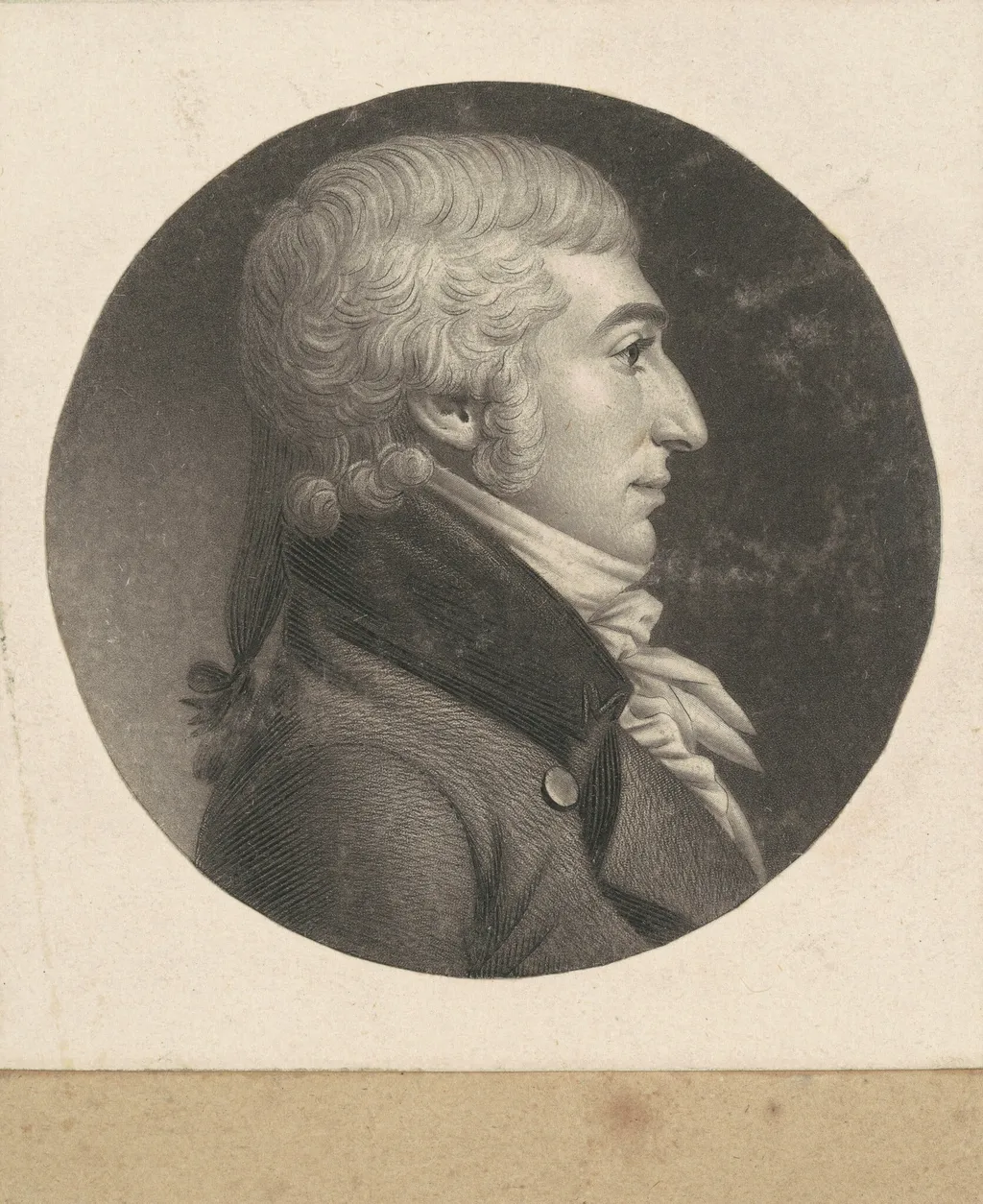
Unidentified Man is an ink print by the Romanticist artist Charles Balthazar Julien Févret de Saint-Mémin. It dates from 1800 and is held in the collection of the National Gallery of Art. Charles B.
About this work
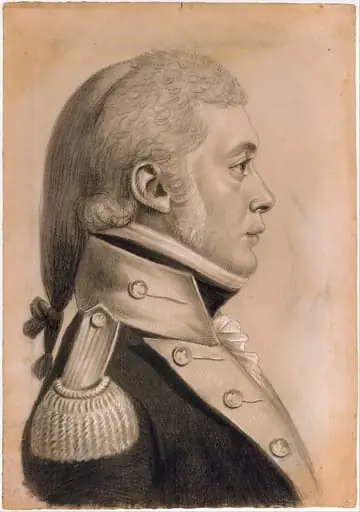
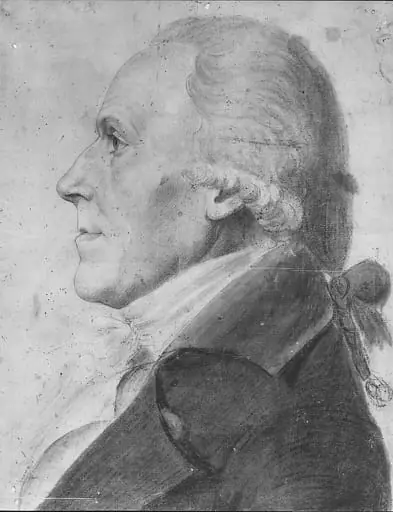
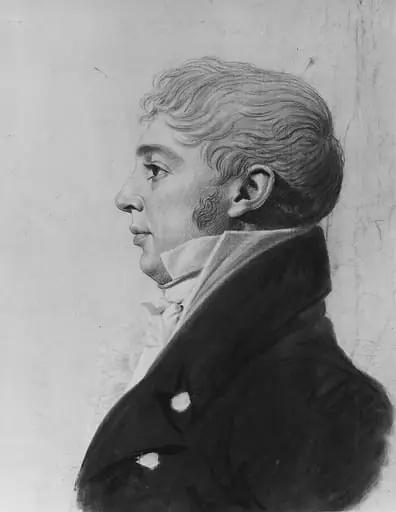
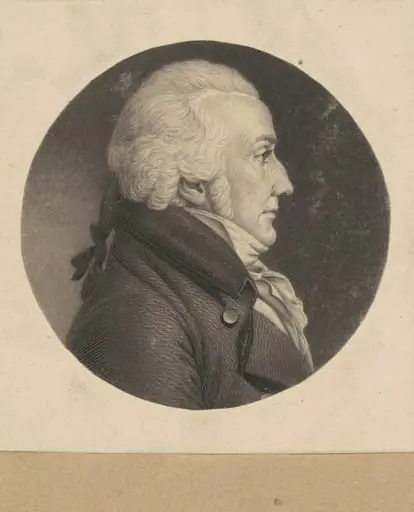
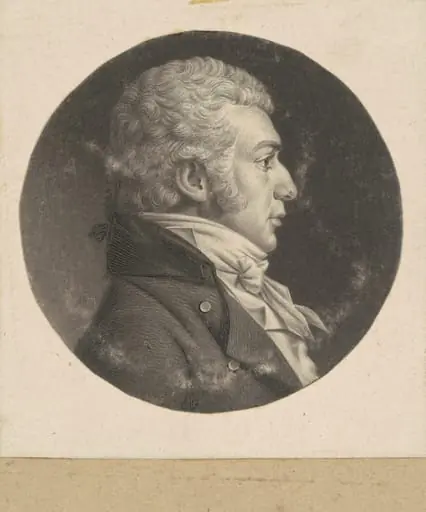
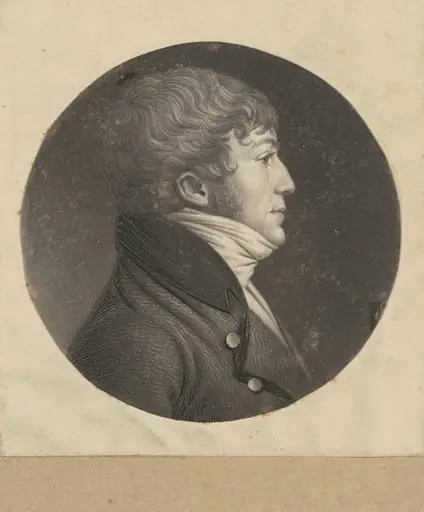
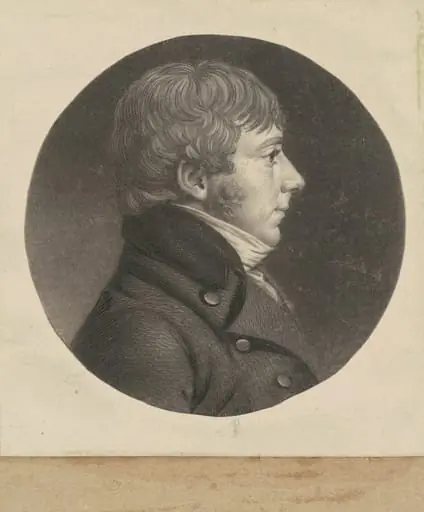
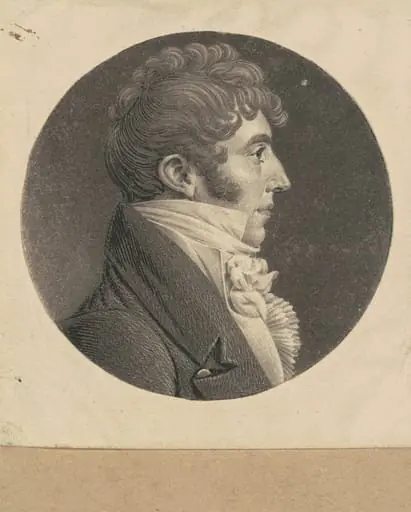
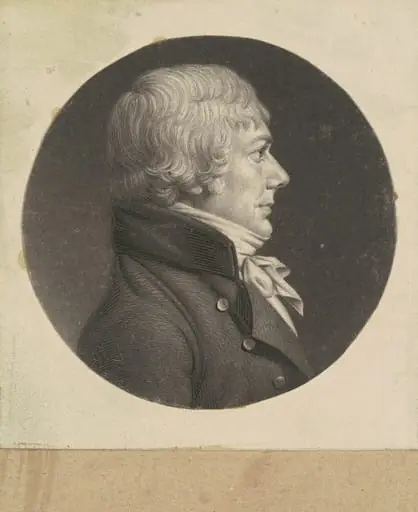
The painting shows a man's head and upper torso in profile, wearing a dark coat and light cravat.
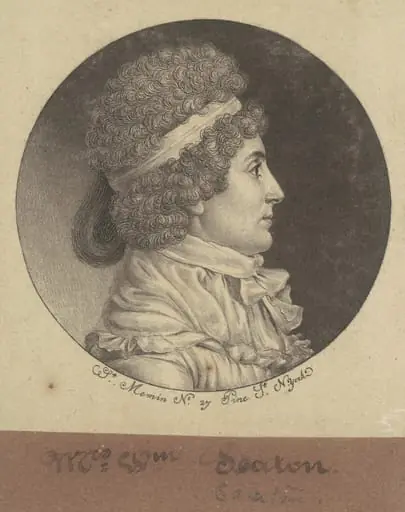
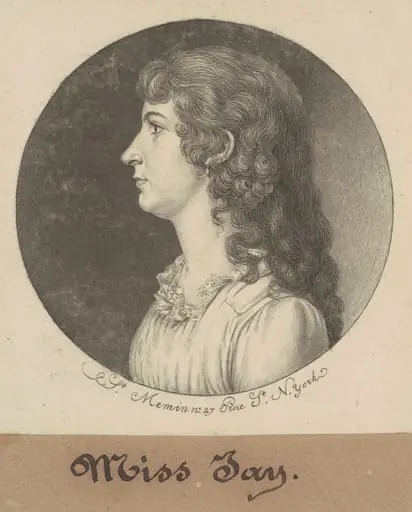
This portrait is one of many small circular portraits created by the artist. The subject is unknown, which makes it interesting. It's part of a collection from around 1800.
The detail and shading in this portrait are notable. To learn more about this style, look up the technique: engraving.
Overview
Charles B. J. Févret de Saint‑Mémin’s print titled “Unidentified Man” is a small circular image executed in mezzotint and engraving. Rendered entirely in black on wove paper that has been mounted to a brown‑toned backing, the work presents a profile view of a male figure from the head to the upper torso. The composition dates from around the turn of the nineteenth century.
Subject & Meaning
The figure is shown in profile, dressed in a dark coat contrasted by a light‑colored cravat. No name or identifying inscription accompanies the image, leaving the sitter’s identity open to speculation. The anonymity invites viewers to consider the portrait as a study of form and attire rather than a specific individual narrative.
Technique & Style
Saint‑Mémin employed a combination of mezzotint—a tonal printing method that builds rich gradations through roughened plates—and fine engraving lines to achieve delicate shading. The black ink on the smooth wove paper creates a crisp contrast, while the circular format emphasizes the profile’s curvature and the subtle modeling of light on fabric.
History & Provenance
Created circa 1800, the print belongs to a series of small circular portraits that the artist produced during his later career. It is currently held within a museum collection that focuses on early nineteenth‑century prints, reflecting the period’s interest in portable, affordable portraiture for private collectors.
Artist & collection

Artist
Charles Balthazar Julien Févret de Saint-Mémin
Charles Balthazar Julien Févret de Saint-Mémin (French pronunciation: ; 1770–1852) was a French portrait painter and museum director.