Artwork
Jupiter und Antiope
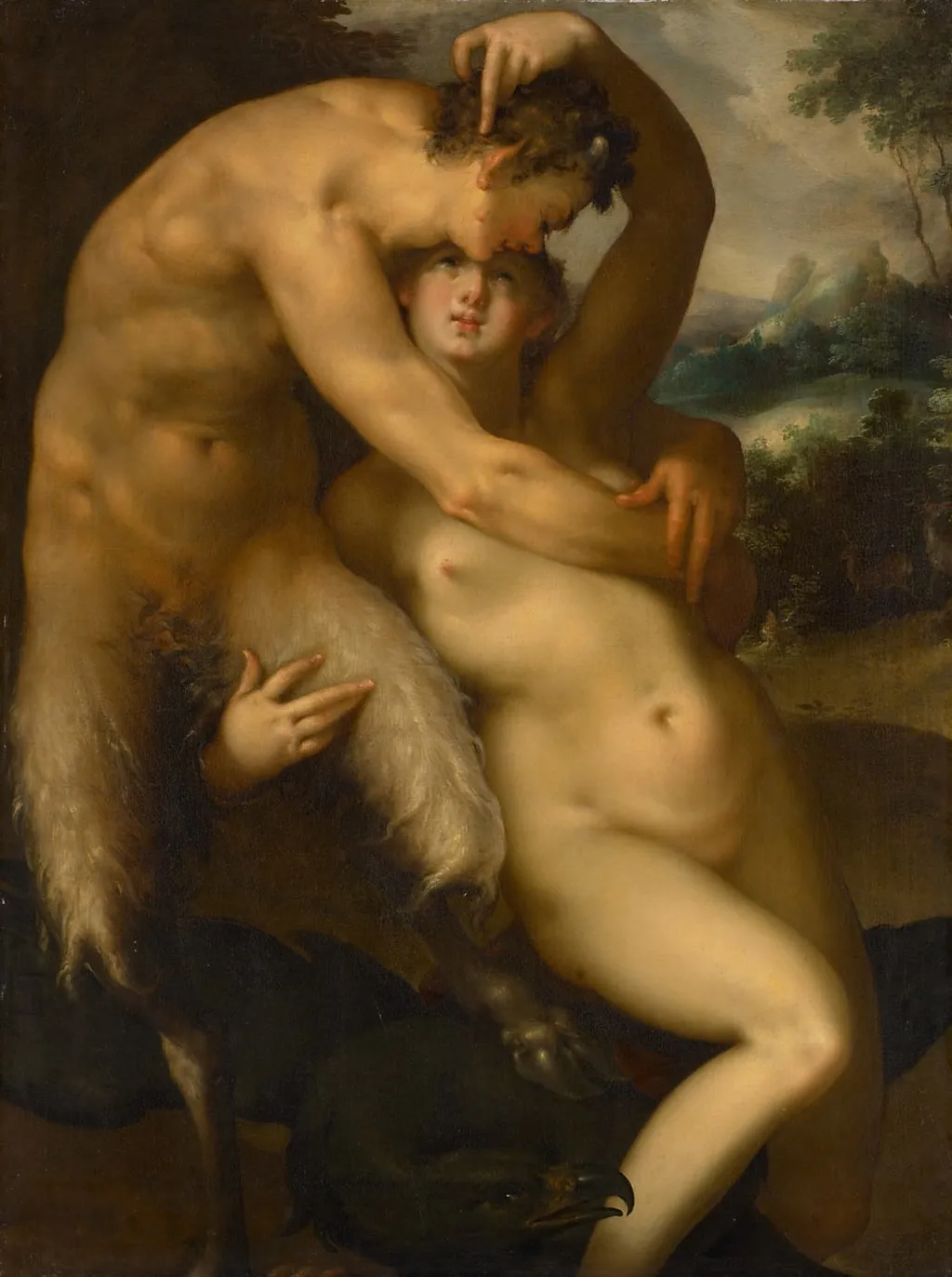
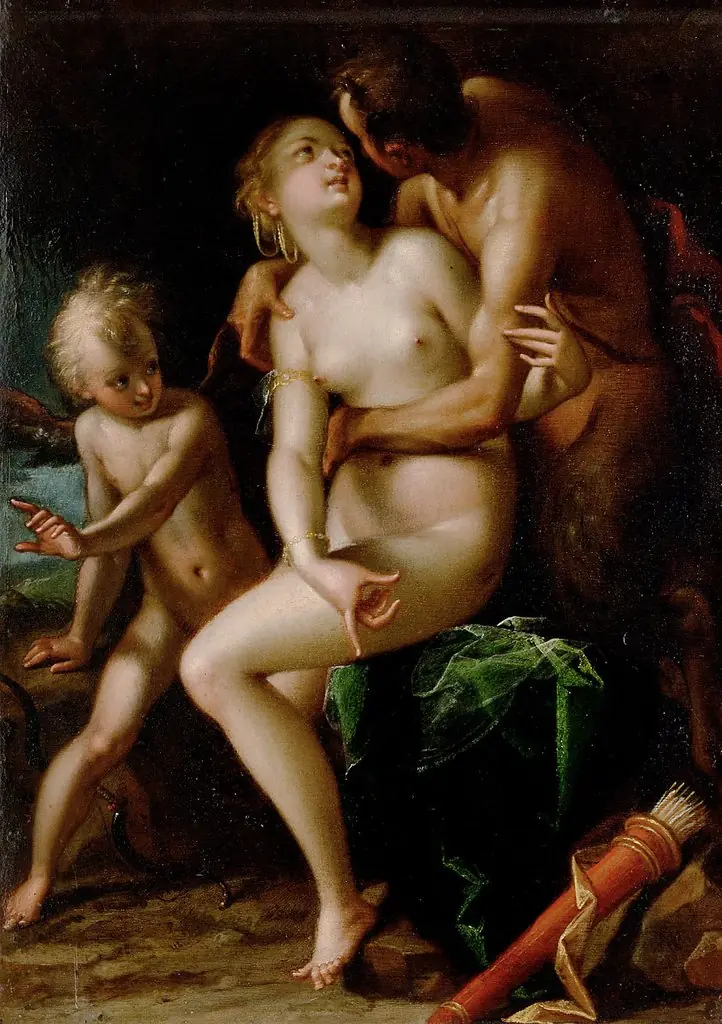
Jupiter und Antiope is an unspecified painting by the Mannerist artist Bartholomeus Spranger. It dates from 1598 and is held in the collection of the Kunsthistorisches Museum.
About this work
Overview
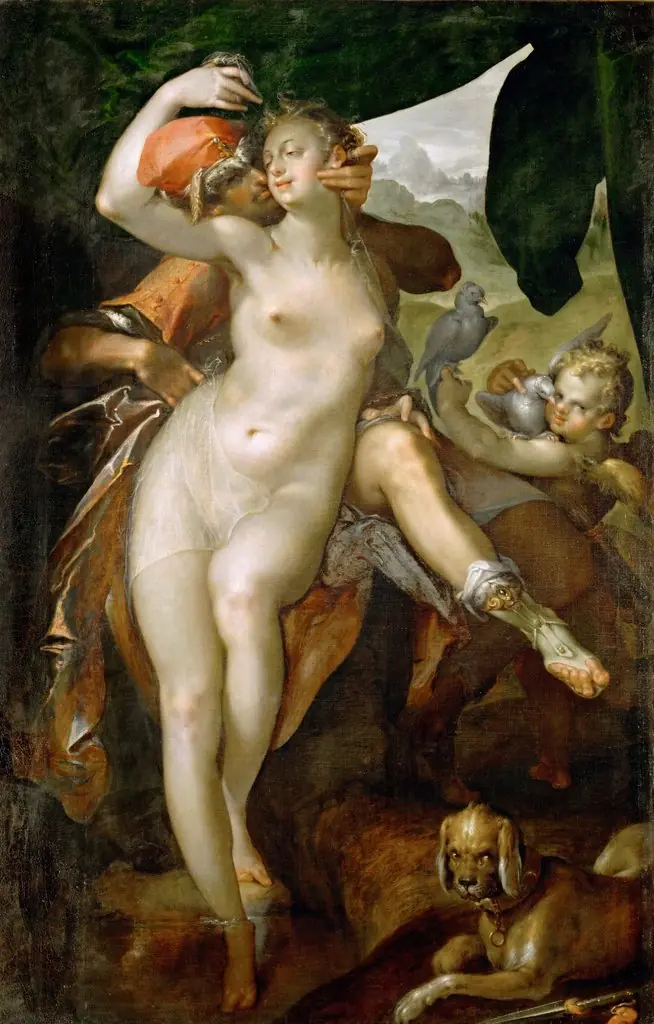
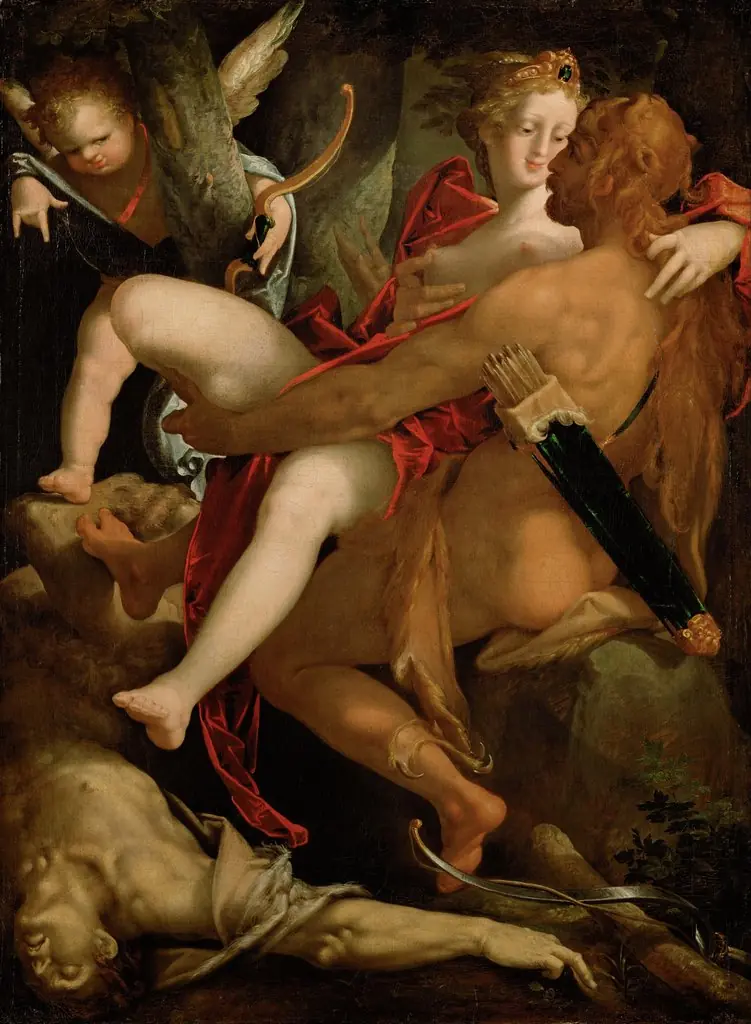
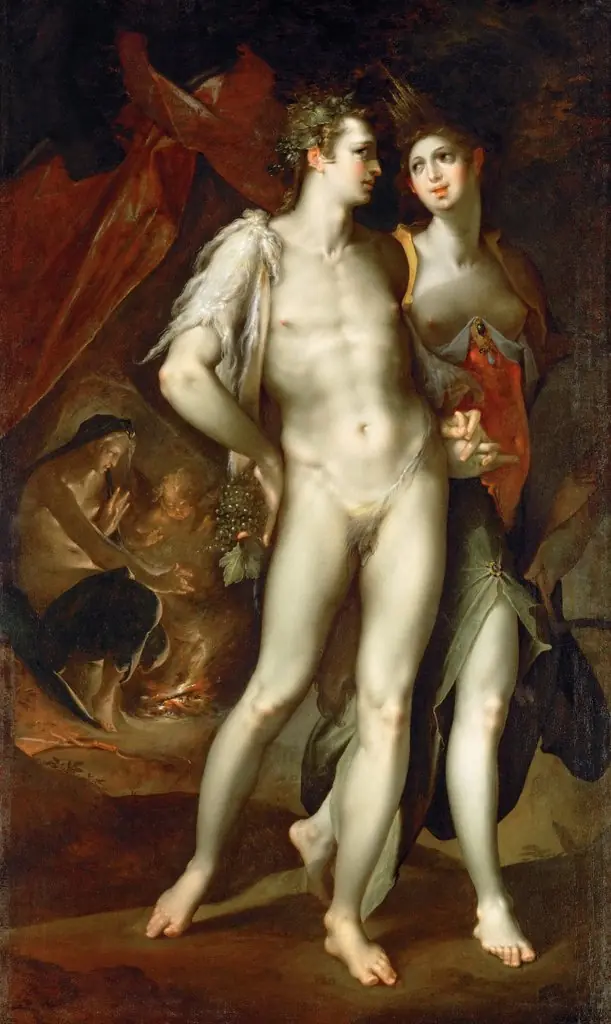
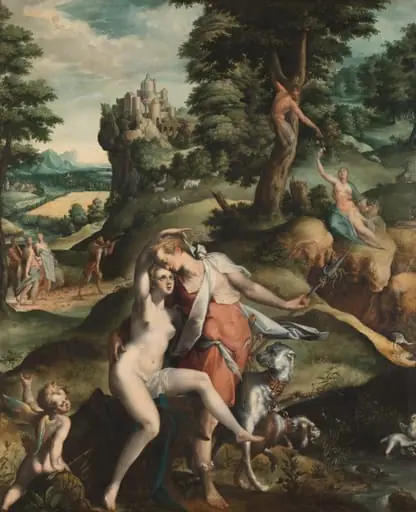
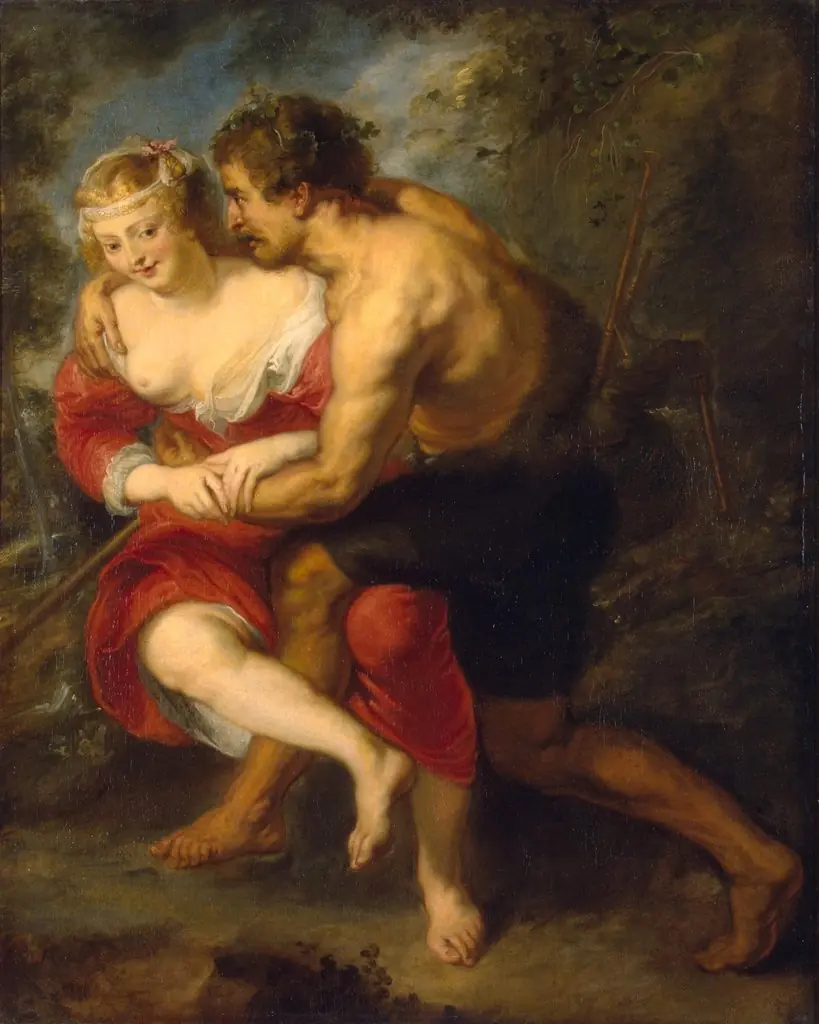
Bartholomeus Spranger’s 1598 oil painting *Jupiter und Antiope* presents a mythological encounter rendered in the heightened elegance of Northern Mannerism. Executed while the Flemish artist served Emperor Rudolf II in Prague, the work now belongs to the collection of Vienna’s Kunsthistorisches Museum.
Subject & Meaning
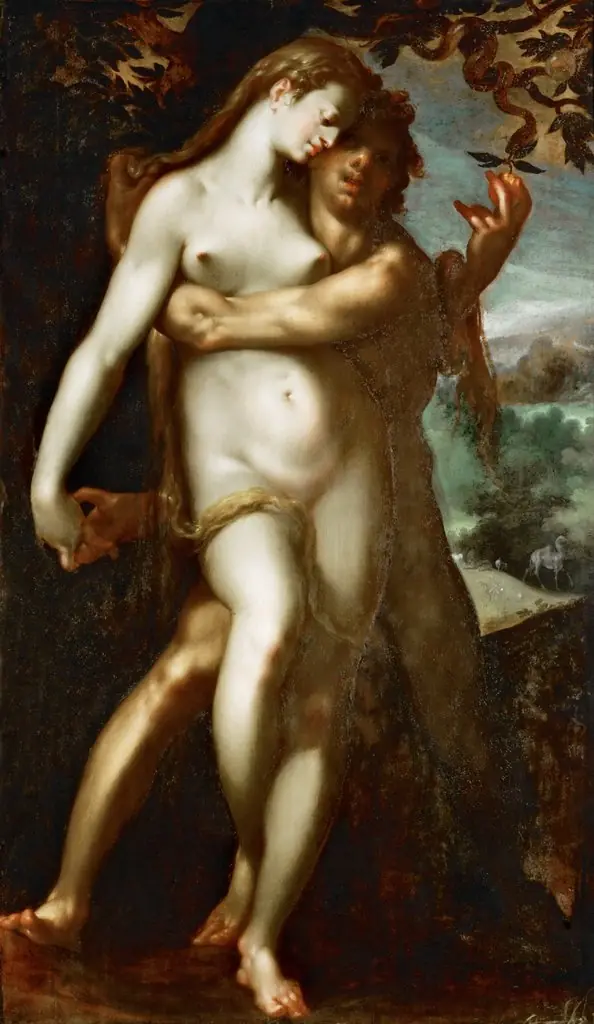
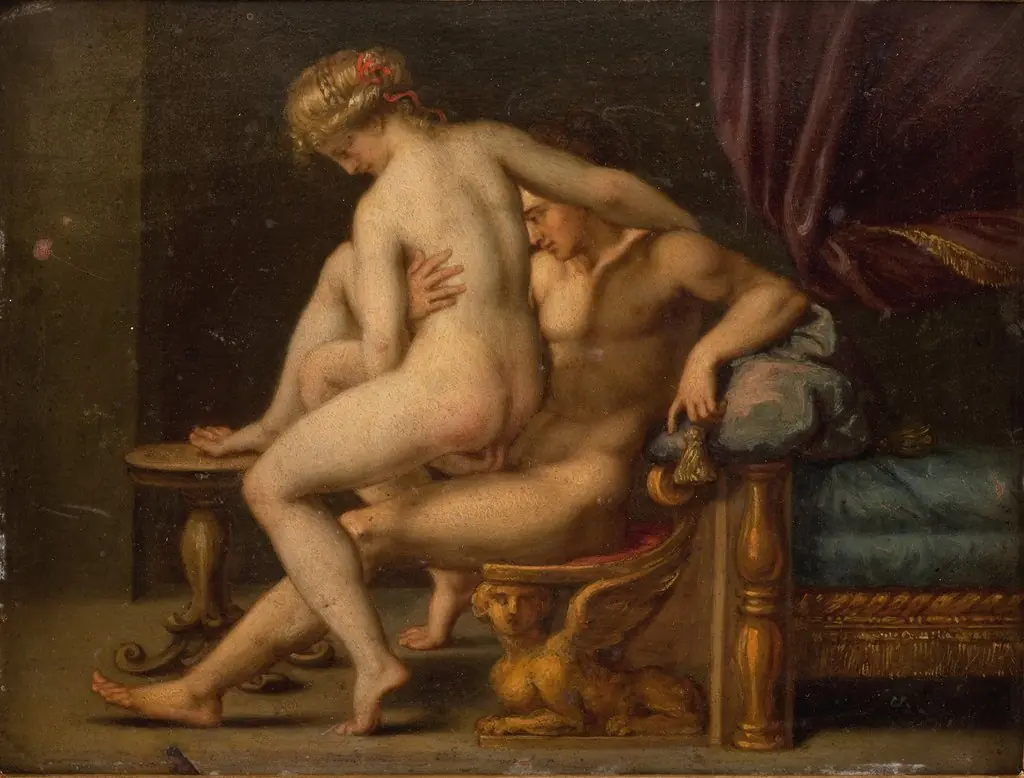
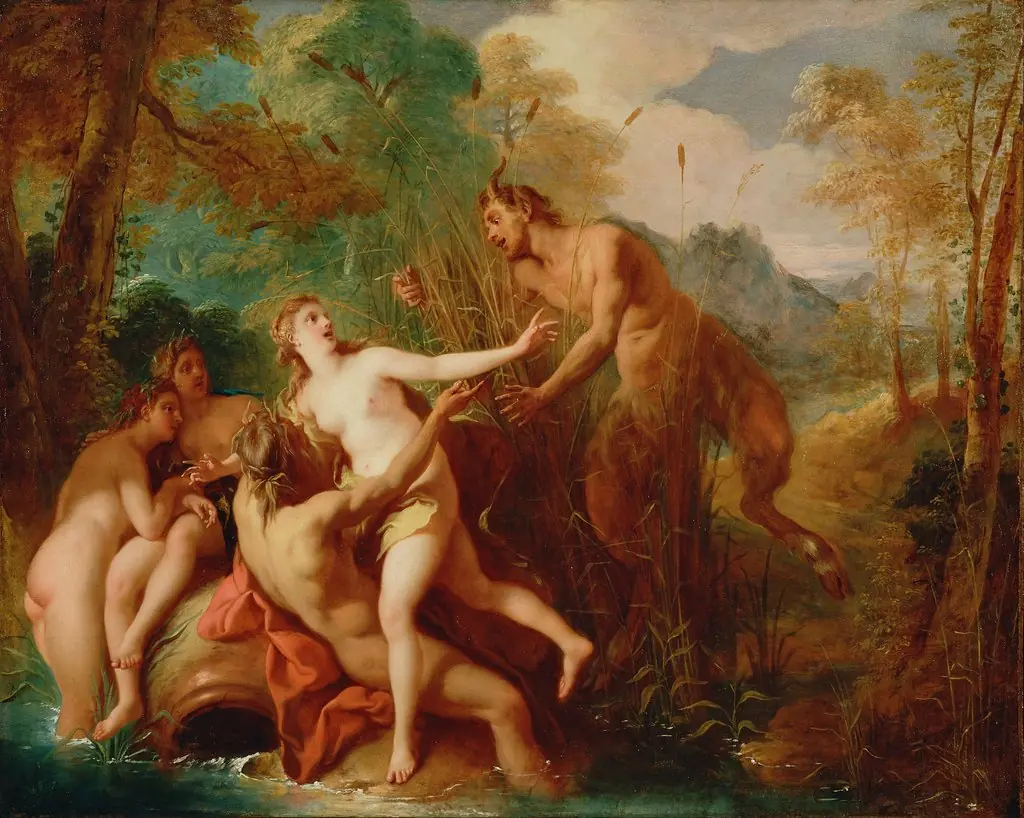
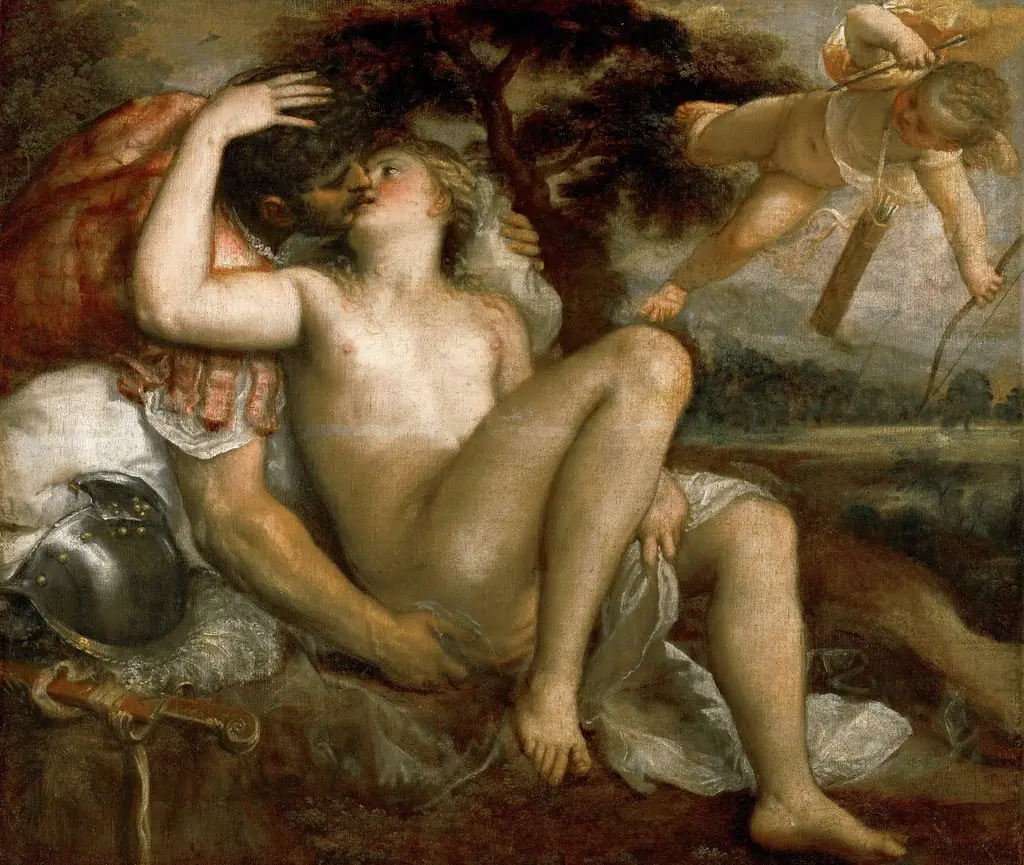
The composition depicts the god Jupiter, disguised as a rustic shepherd, approaching the vulnerable figure of Antiope, a mortal woman of Greek legend. Antiope leans back against the deity, her arm extended as if reaching for an unseen object, suggesting a moment of seduction or divine intervention within the narrative.
Technique & Style
Spranger’s figures are elongated and polished, the male form rendered with muscular, shaggy limbs while the female body is smooth and luminous. A stark chiaroscuro model illuminates Antiope’s arm and face against a dim, indistinct landscape, emphasizing the contrast between flesh and shadow characteristic of the period’s mannered aesthetic.
History & Provenance
Created for the court of the Holy Roman Emperor Rudolf II, the painting remained in the Habsburg collection before being transferred to the Kunsthistorisches Museum. Its provenance reflects the artist’s role as a court painter in late‑sixteenth‑century Prague, where he helped define the court’s distinctive Mannerist visual language.
Artist & collection
Artist
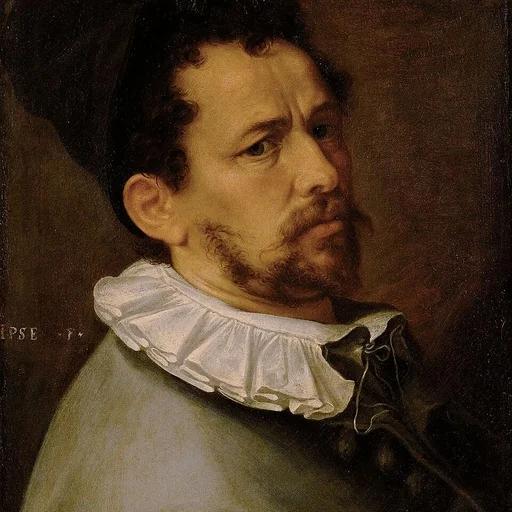
Bartholomeus Spranger or Bartholomaeus Spranger (21 March 1546 – 27 June 1611) was a Flemish painter, draughtsman, sculptor, and designer of prints.