Artwork
Zeus and Kallisto
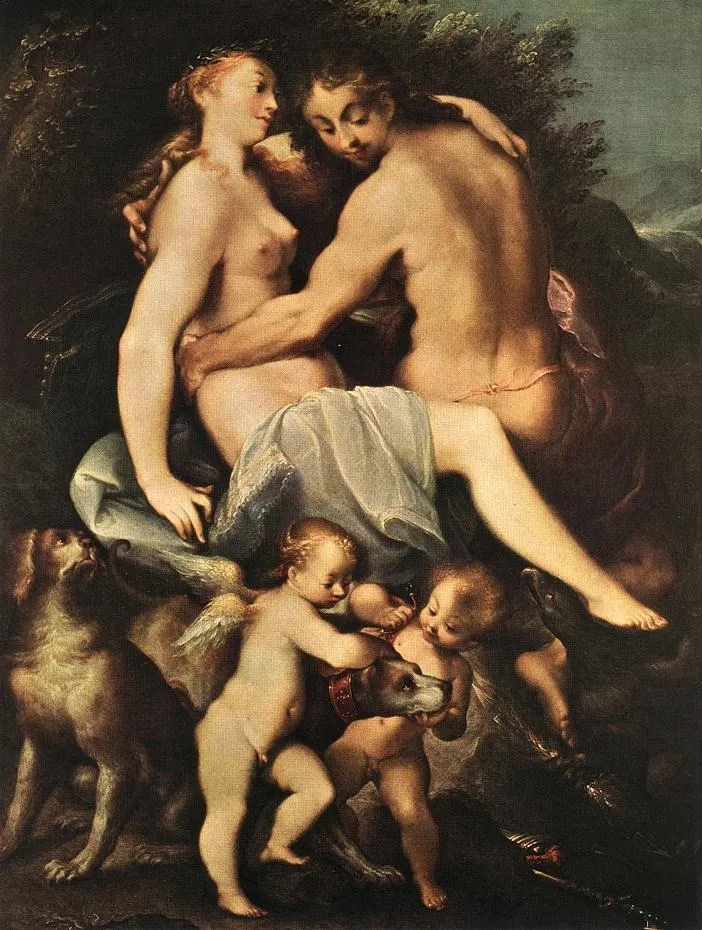
Zeus and Kallisto is an unspecified painting by the Mannerist artist Joseph Heintz the Elder. It dates from 1550 and is held in the collection of the Kunsthistorisches Museum.
About this work
Overview
The composition centers on a quiet, intimate moment amid a rugged landscape, where divine intervention and human vulnerability intersect.
Painted around 1550 by Joseph Heintz the Elder, this work depicts a scene from Greek mythology involving Zeus and the nymph Kallisto. It resides in the Kunsthistorisches Museum in Vienna. The composition centers on a quiet, intimate moment amid a rugged landscape, where divine intervention and human vulnerability intersect. The figures are arranged to draw attention to emotional tension rather than action.
Subject & Meaning
The painting illustrates Zeus’s encounter with Kallisto, disguised as the goddess Artemis to deceive her. Kallisto, now pregnant, sits with their children, her expression marked by sorrow. Zeus, standing behind her, appears composed, embodying the impersonal power of the gods. The presence of multiple infants underscores the consequence of his deception—Kallisto’s isolation and the burden of motherhood under divine caprice.
Technique & Style
Heintz employs chiaroscuro to heighten emotional contrast, casting the figures in sharp light against a shadowed, rocky backdrop. The figures are rendered with sculptural solidity, their forms defined by subtle gradations of tone rather than outline. The light falls most intensely on Kallisto and the infants, isolating them as the emotional core, while Zeus is partially absorbed into the darkness, suggesting his detachment.
History & Provenance
The painting entered the Habsburg collections in the late 16th or early 17th century and has remained in Vienna since. It was likely acquired during a period of renewed interest in mythological themes among European courts. Its preservation in the Kunsthistorisches Museum reflects its longstanding recognition within imperial collections, though it was never widely reproduced or publicly celebrated in its time.
Context
Created during the mid-16th century, the work aligns with Northern Mannerist tendencies, blending Italian compositional ideas with a more restrained, introspective mood. Unlike grander mythological narratives of the period, this scene emphasizes psychological nuance over spectacle. It reflects a growing interest in private, emotional moments within myth, influenced by humanist readings of classical texts and shifting courtly tastes.
Legacy
Though not widely known outside scholarly circles, the painting offers a rare early example of mythological subject matter treated with psychological depth rather than heroic grandeur. Its quiet intensity influenced later artists exploring domesticity within myth, particularly in 17th-century Northern Europe. It remains a quiet testament to the complexity of divine-human relationships in Renaissance visual culture.
Artist & collection

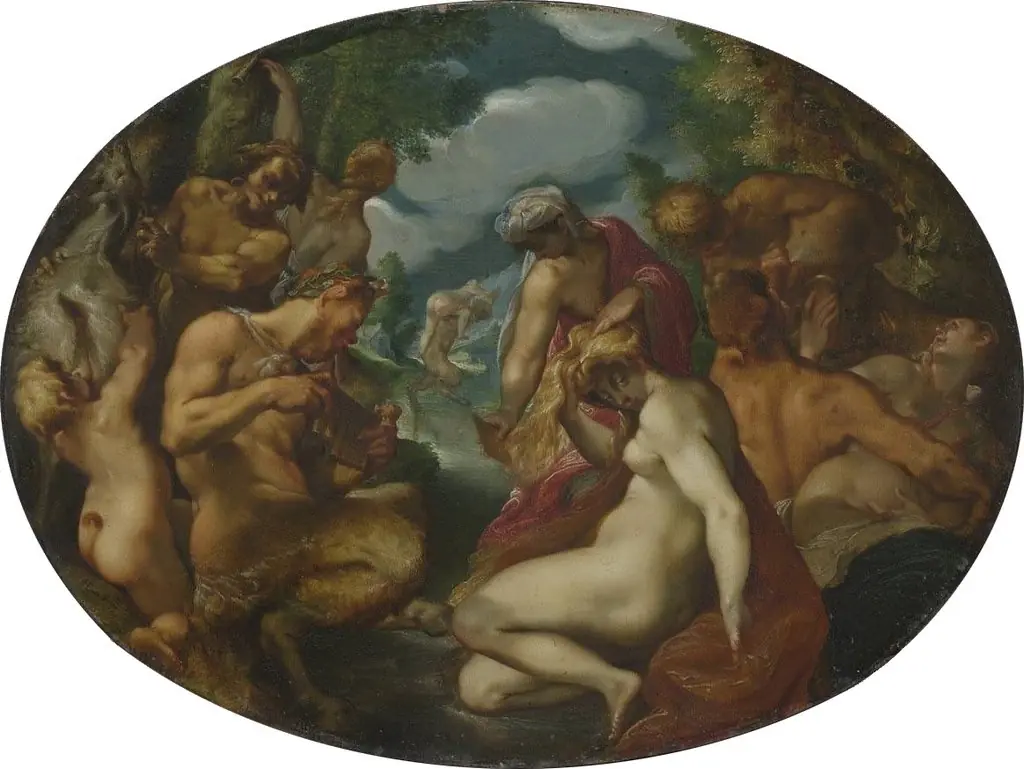 Satyrs and nymphs
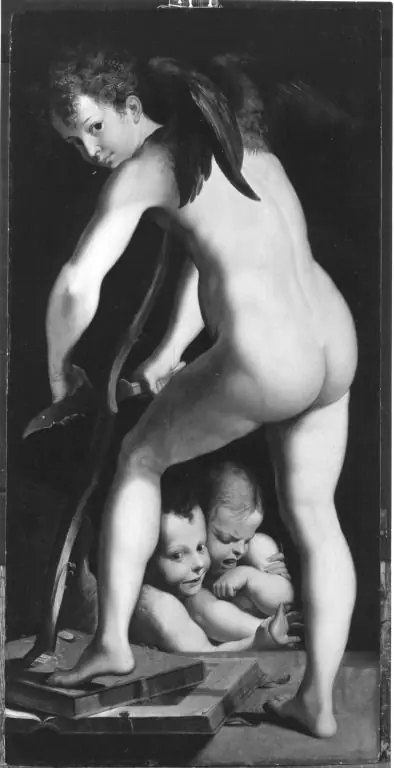 Cupid carves the bow
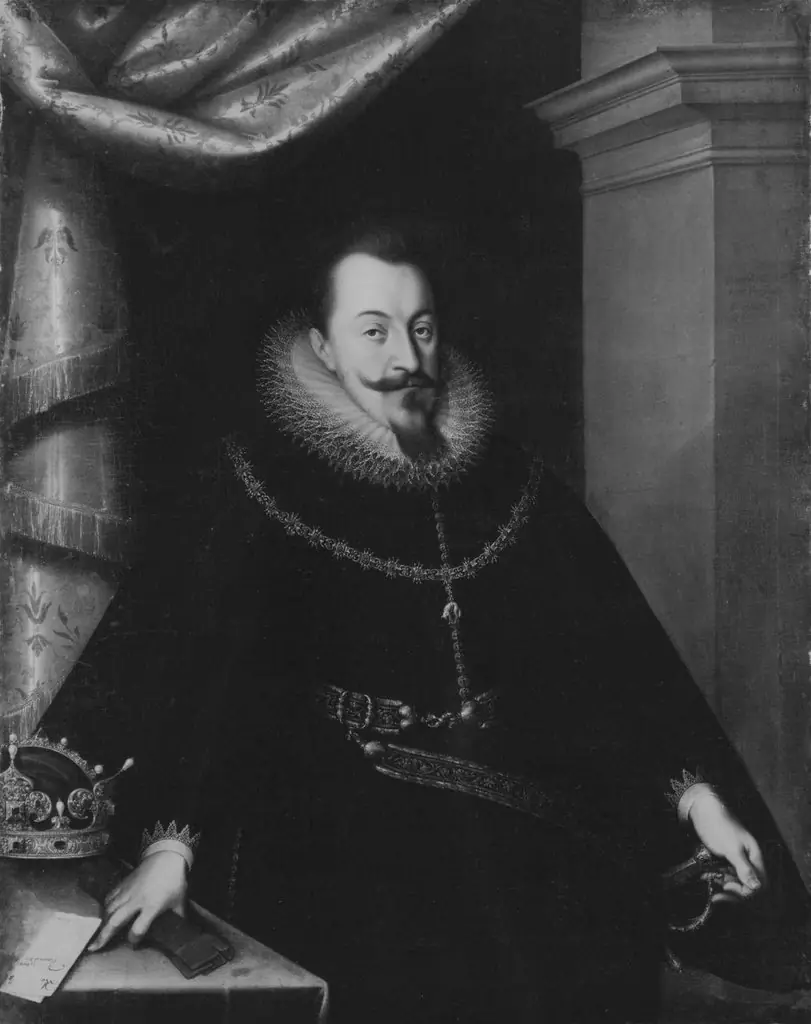 Bildnis des Königs Sigismund III. Vara von Polen und Schweden
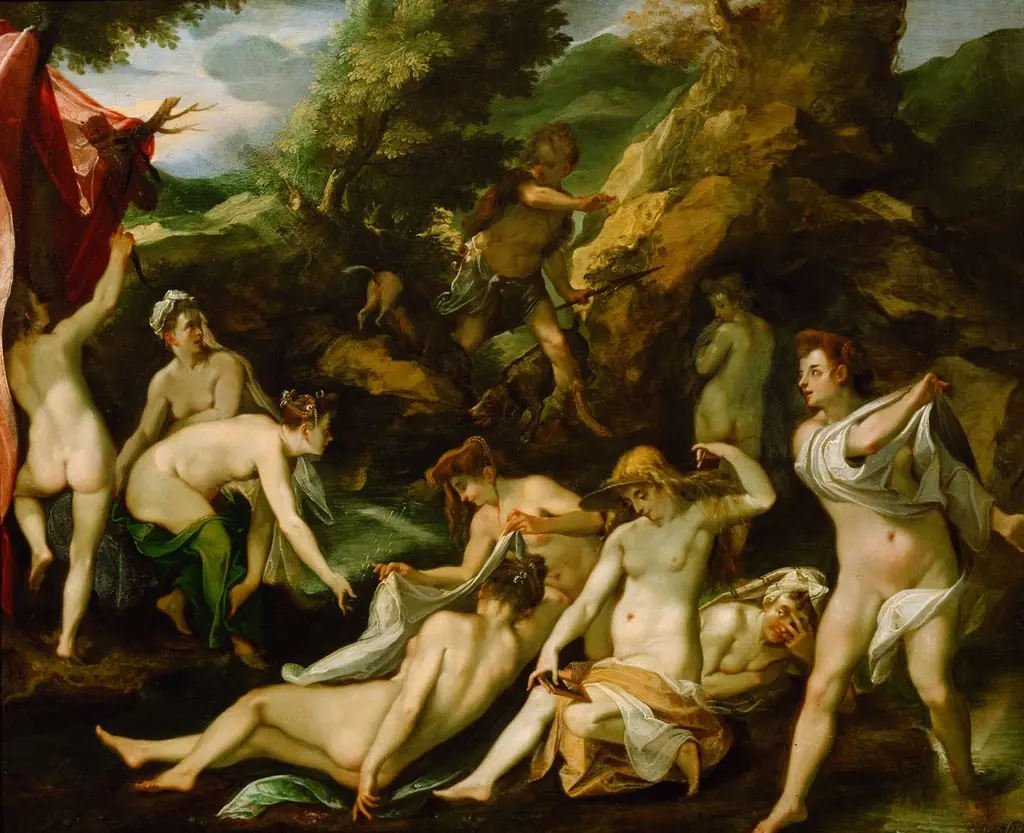 Diana and Actaeon
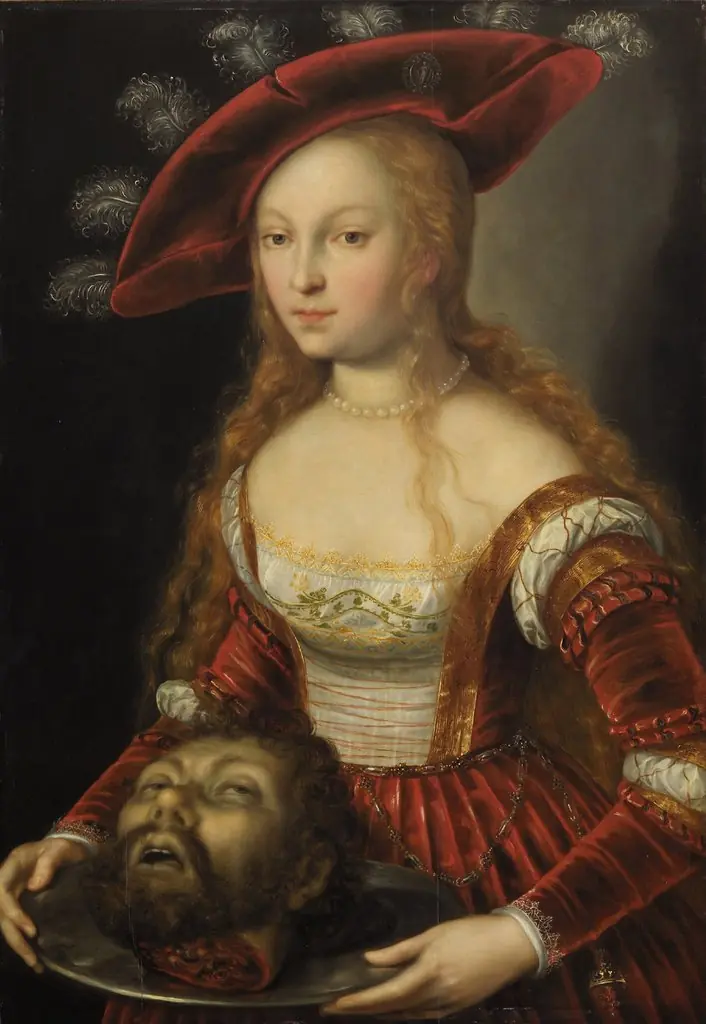 Salome with the head of John the Baptist
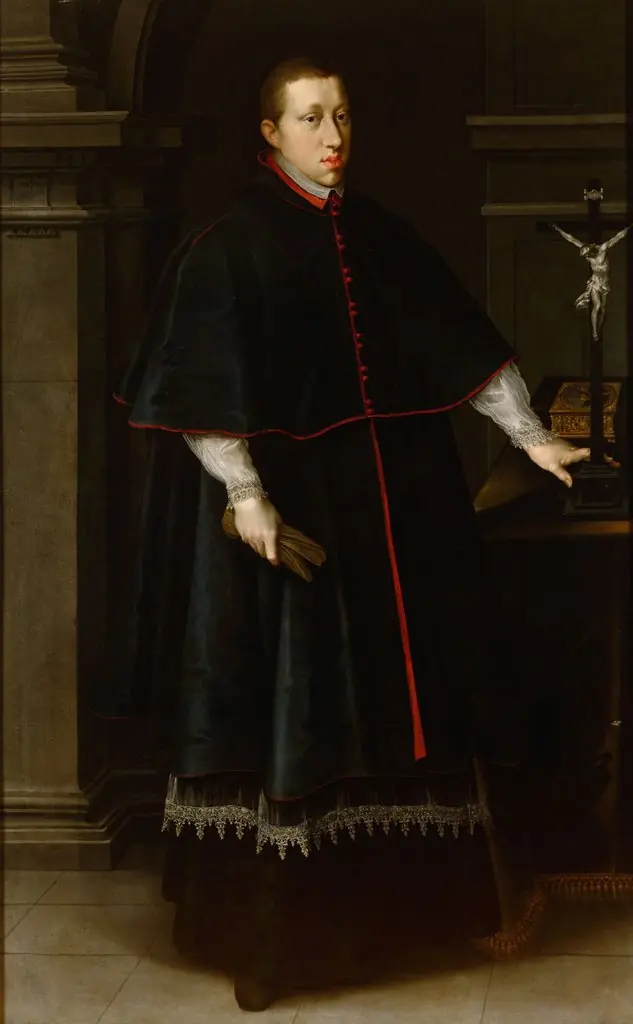 Archduke Leopold V (1586-1632) in the Spiritual Garment
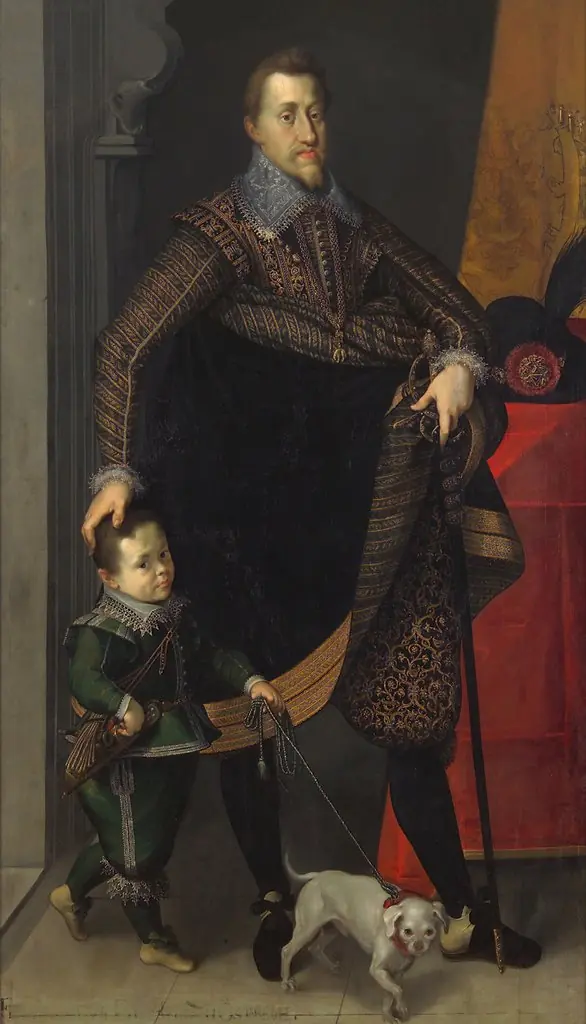 Emperor Ferdinand II (1578-1637) in Full Figure with a Court Dwarf
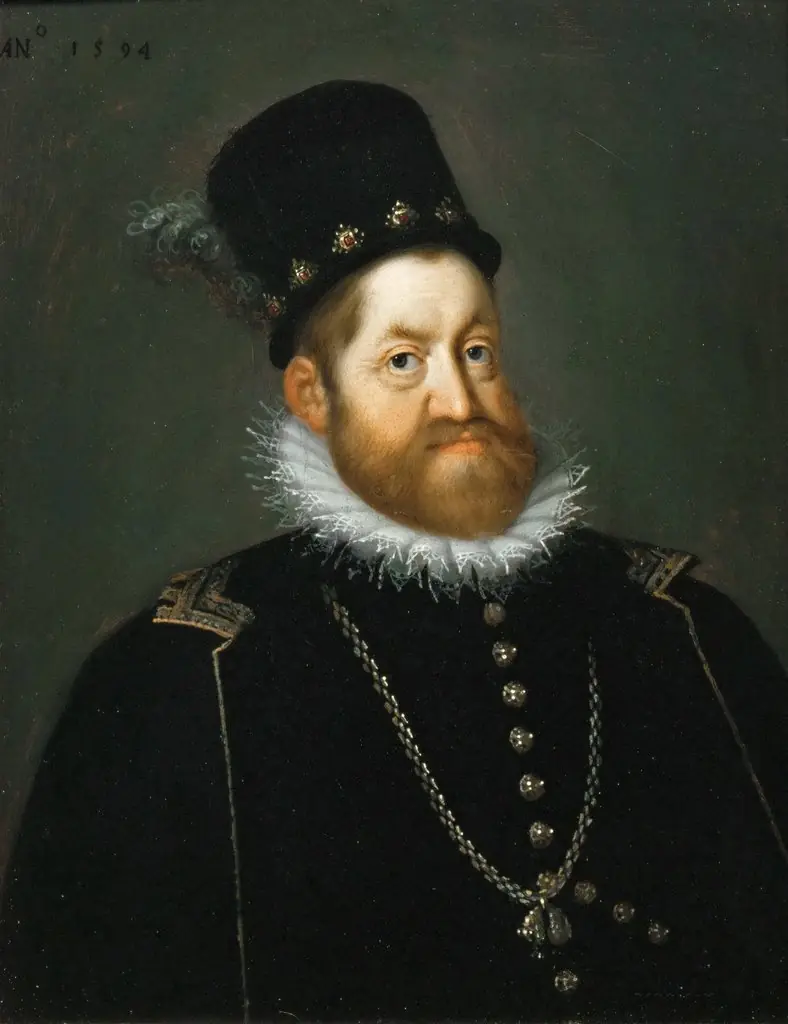 Porträt des Kaisers Rudolf II.
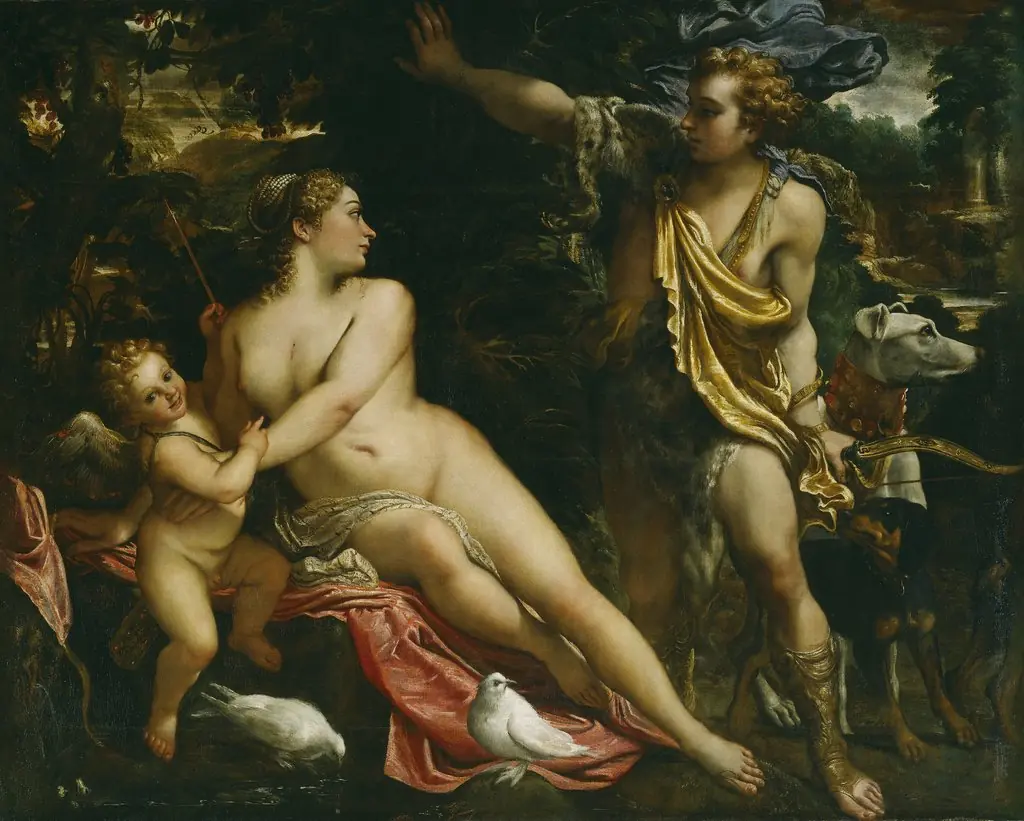 Venus, Adonis and Cupid
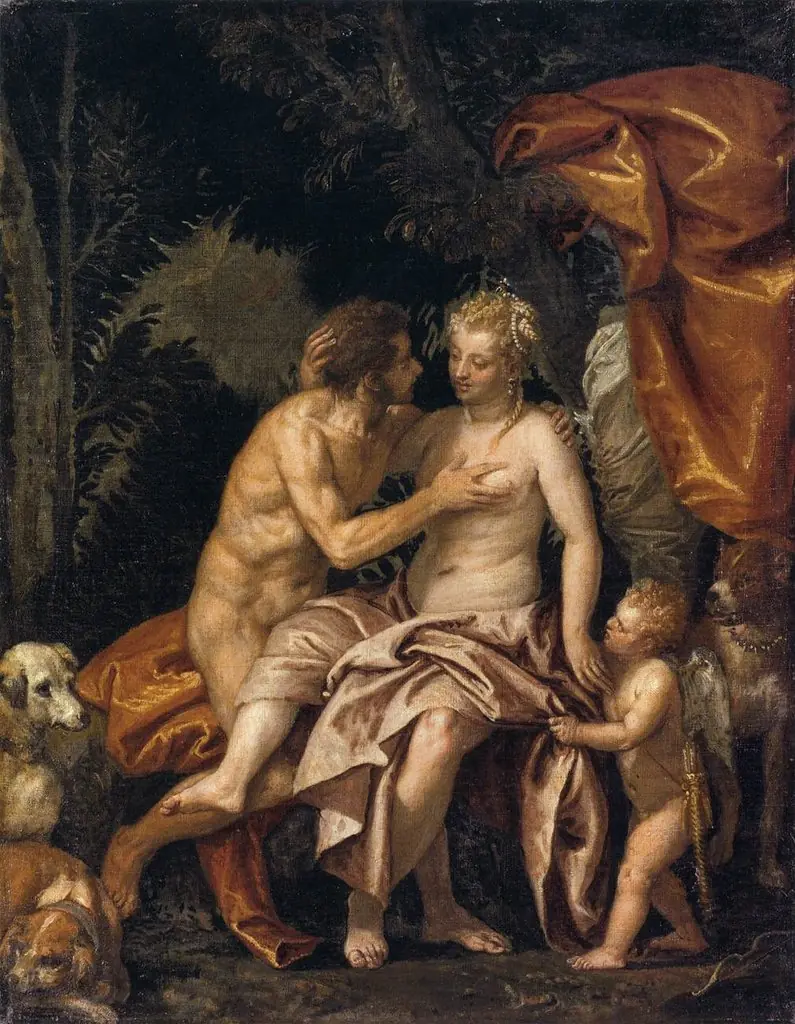 Venus and Adonis
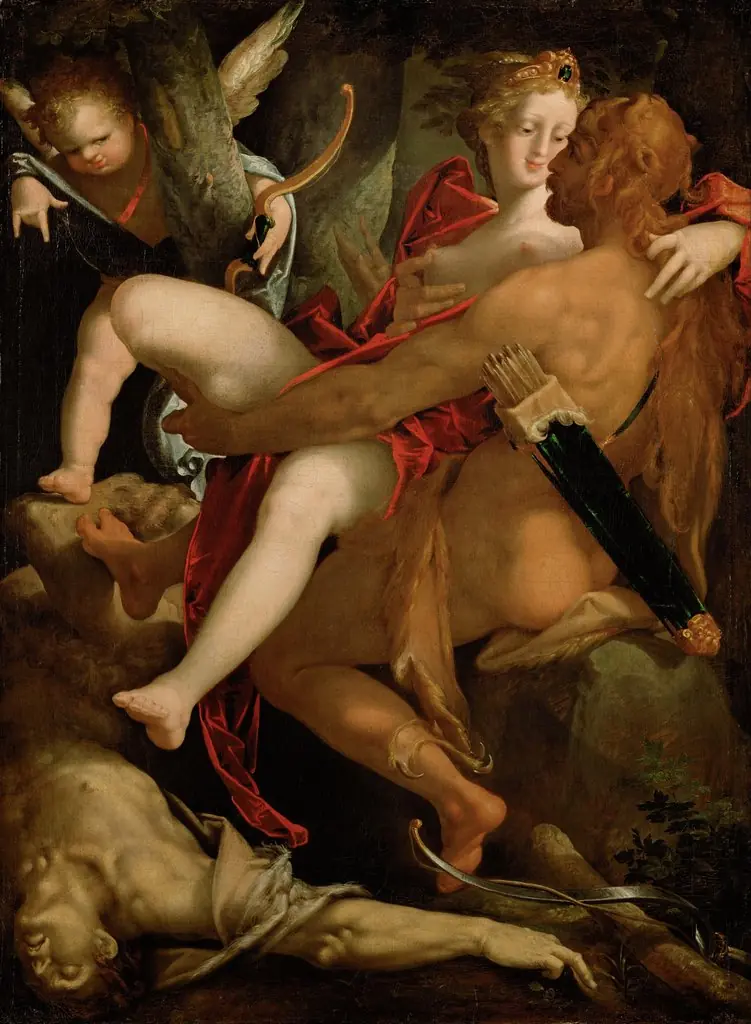 Hercules, Deianira, and Nessus
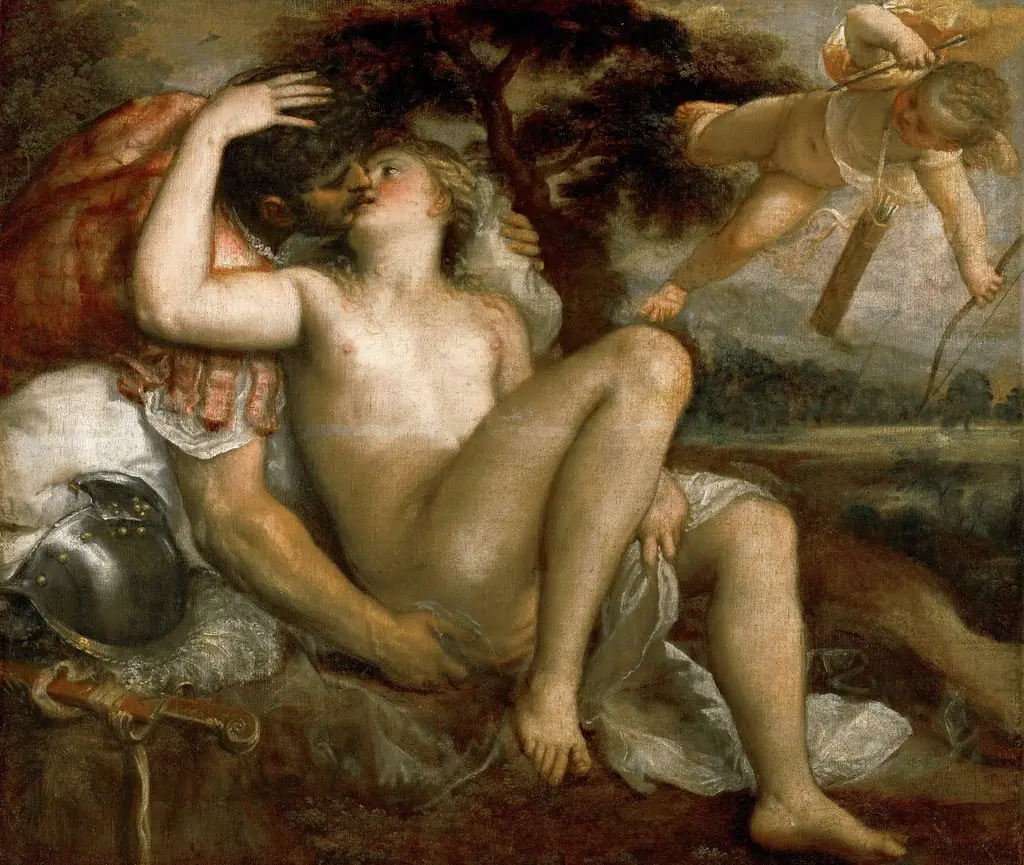 Mars, Venus and Amor
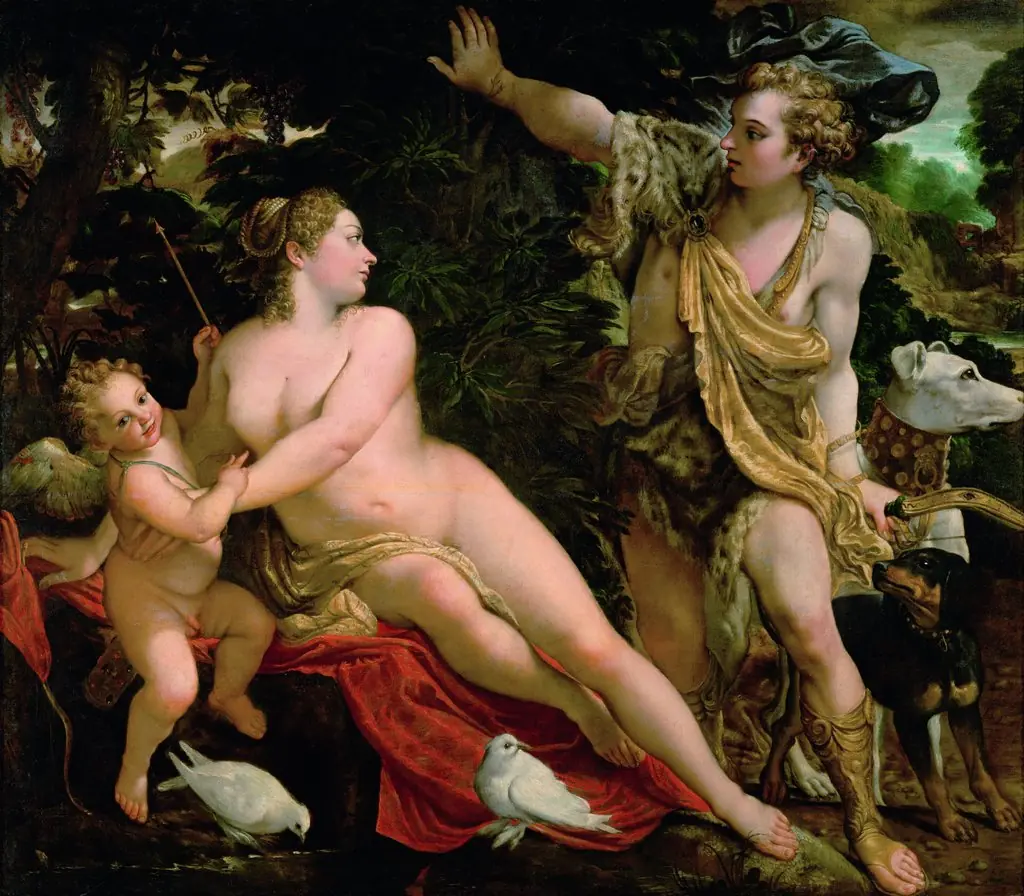 Venus, Adonis and Cupid
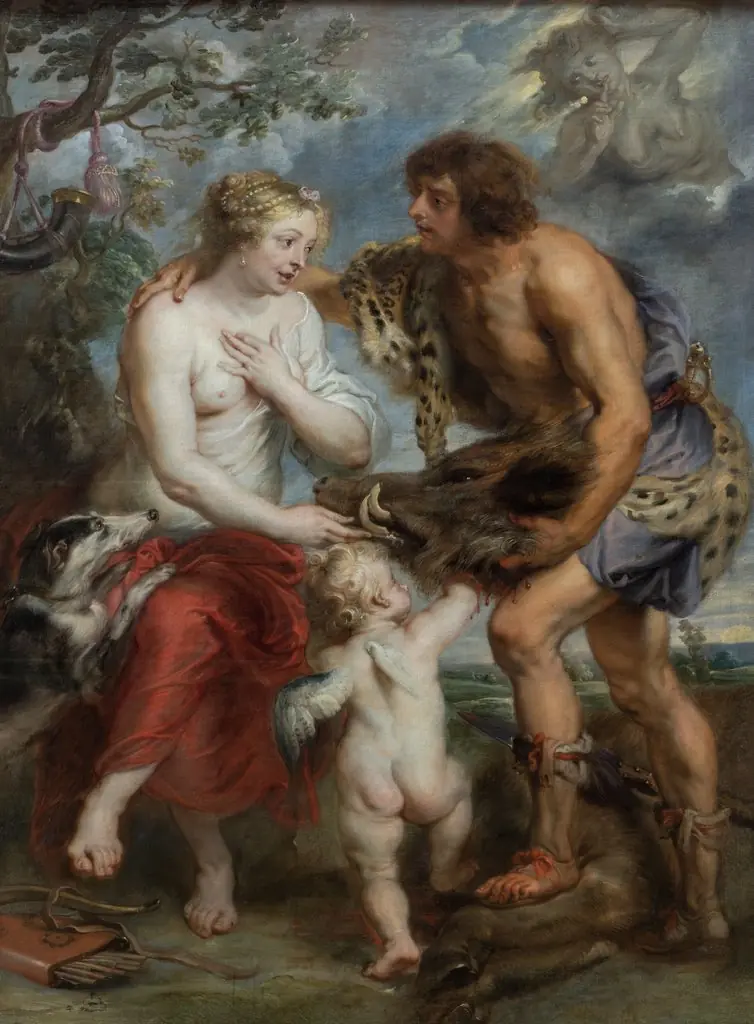 Meleager presents the head of the Calydonian boar to Atalanta
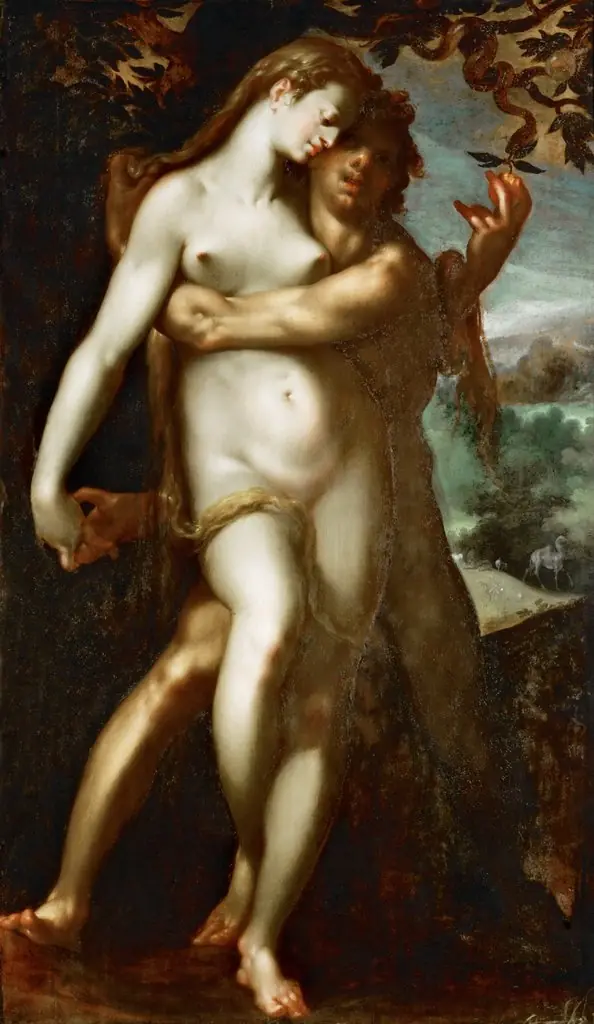 Fall of Man
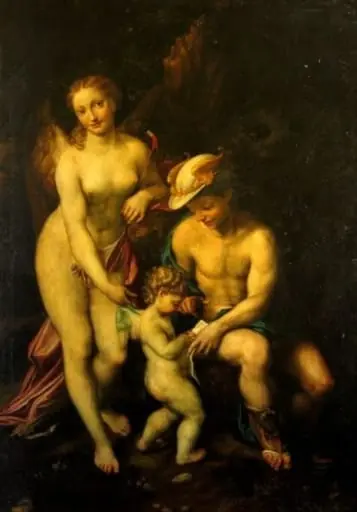 Educația lui Amor
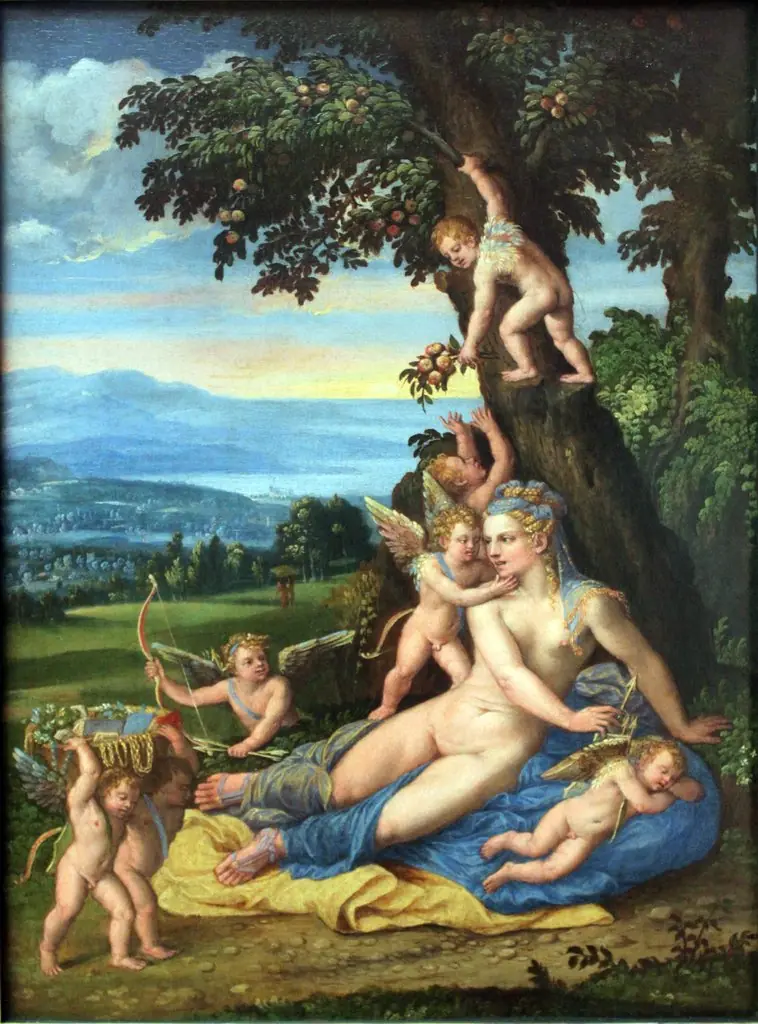 Venus und Amoretten
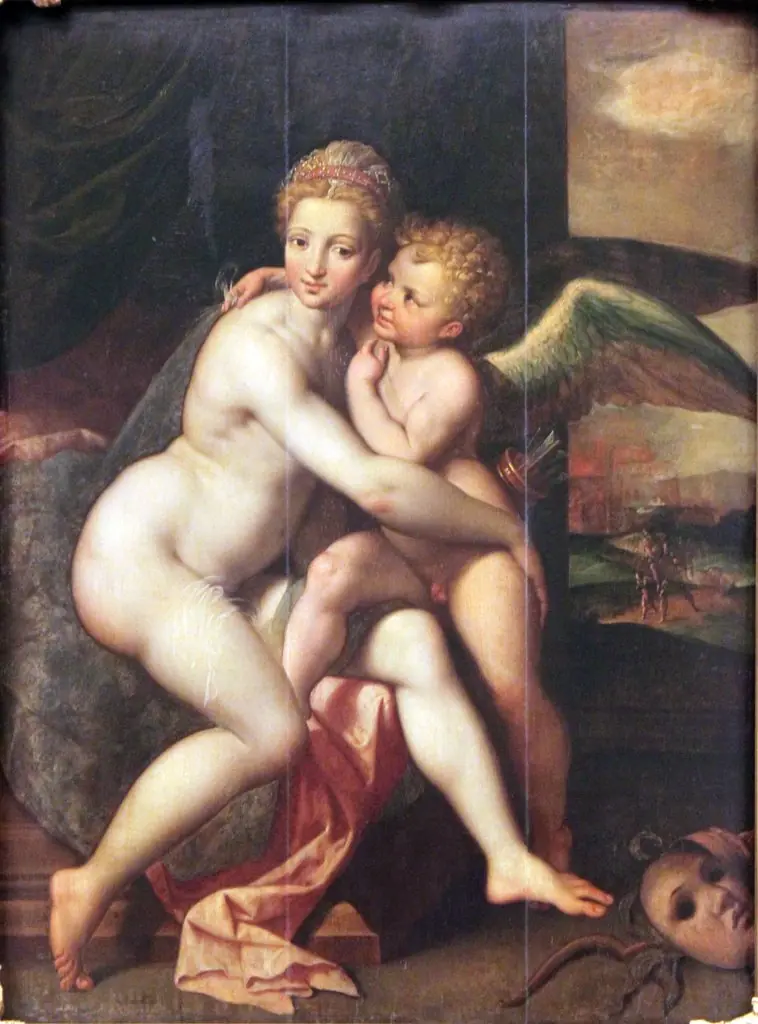 Venus and Amor
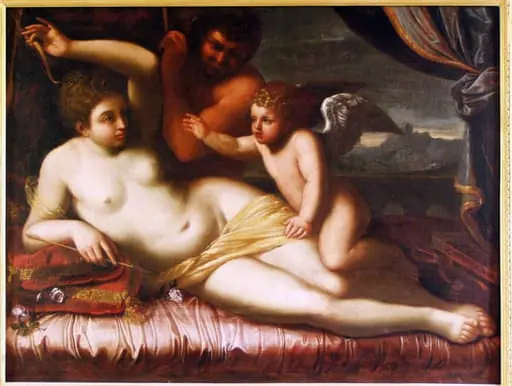 Venus și Amor, pândiți de Pan (în Registrul inventar: Venus și Amor)
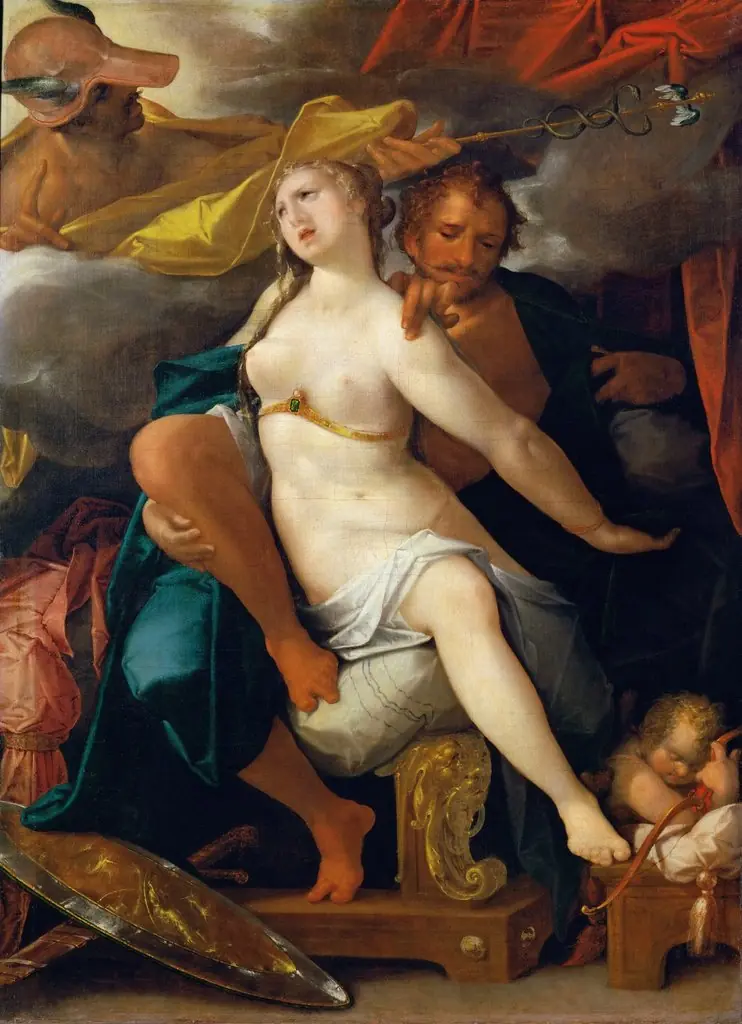 Venus and Mars warned by Mercury