Artwork
Return of the Prodigal Son
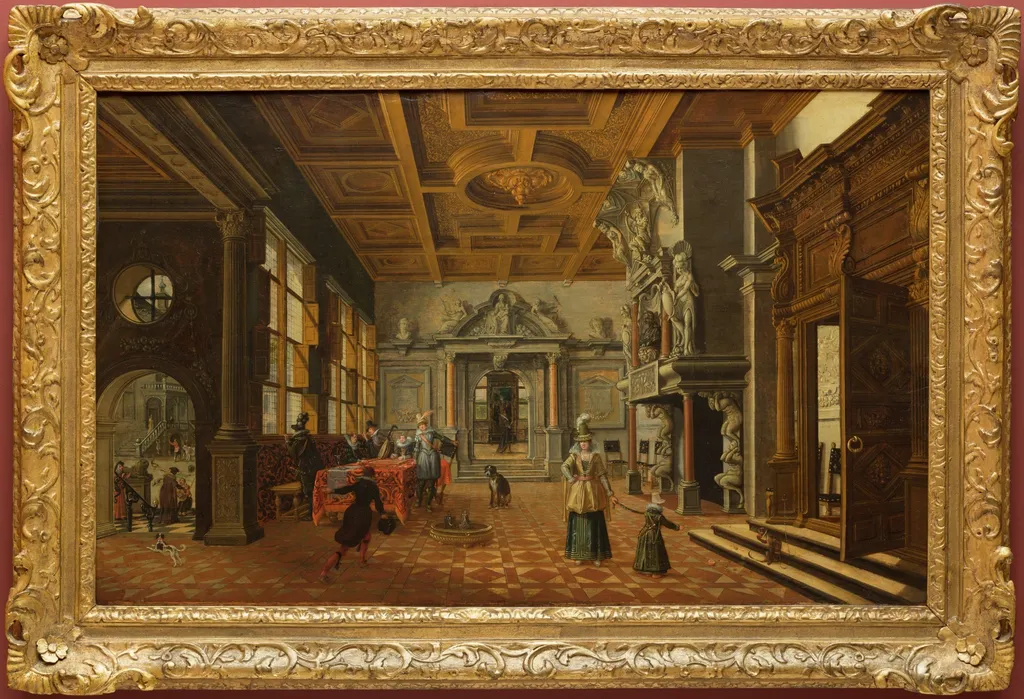
Return of the Prodigal Son is an oil painting by the Dutch Golden Age artist Bartholomeus van Bassen. It dates from 1616 and is held in the collection of the Detroit Institute of Arts.
About this work
Overview
Bartholomeus van Bassen’s oil painting *Return of the Prodigal Son* was completed in 1616 and is part of the collection of the Detroit Institute of Arts. The work depicts a richly appointed interior where a group of figures gathers around a red‑draped table, surrounded by architectural ornaments, statues, and a fireplace.
Subject & Meaning
The scene illustrates the biblical parable of the prodigal son’s homecoming, though the narrative is rendered in a secular, domestic setting. The central figure, presumed to be the returning son, is positioned among family members and servants, suggesting themes of reconciliation and familial restoration.
Technique & Style
Van Bassen employs chiaroscuro to model the space, using strong contrasts of light and shadow to give depth to the high ceilings, gilded details, and patterned floor. The illumination falls on faces and objects, enhancing the three‑dimensional illusion and guiding the viewer’s eye through the bustling composition.
History & Provenance
Created in the early seventeenth century, the painting entered the Detroit Institute of Arts’ holdings in the twentieth century, though the precise acquisition path is not extensively documented. Its presence in an American museum reflects the broader interest in Dutch Baroque religious works.
Context
The work belongs to a period when Dutch painters often combined biblical subjects with contemporary interior settings, merging devotional content with genre‑scene realism. Van Bassen, known for architectural capriccios, integrates his expertise in perspective and interior design to frame the narrative within an opulent domestic space.
Artist & collection
Artist
Bartholomeus van Bassen (1590–1652) was an artist, born in The Hague.

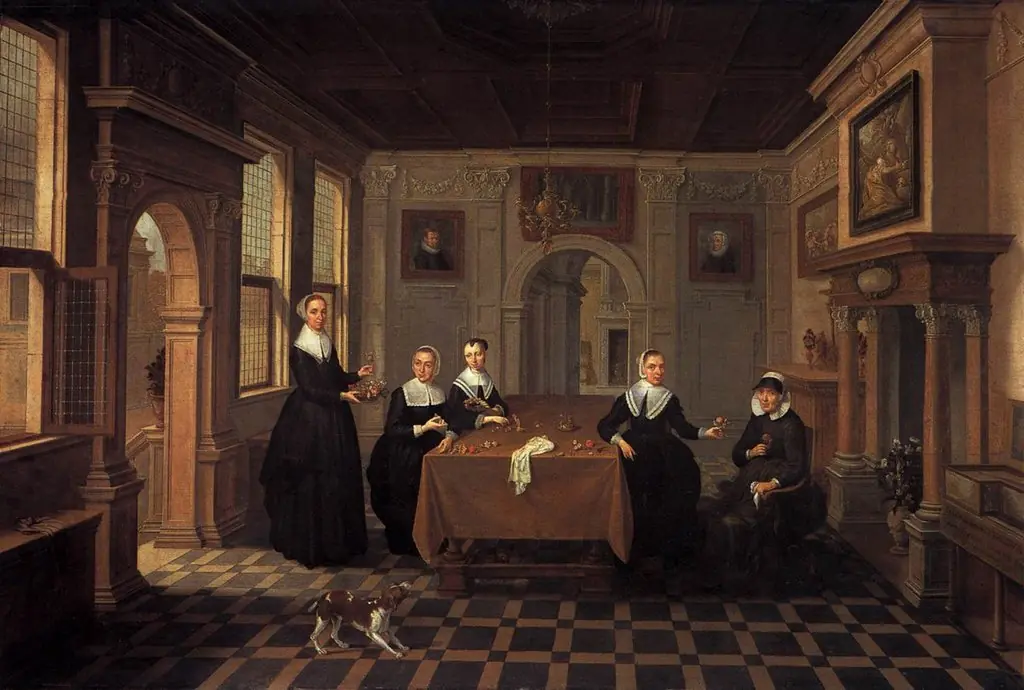
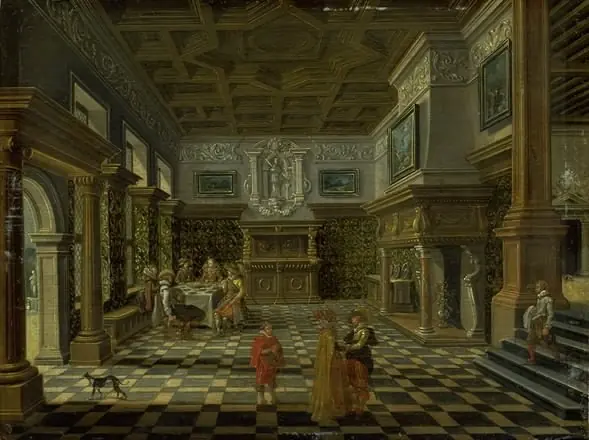
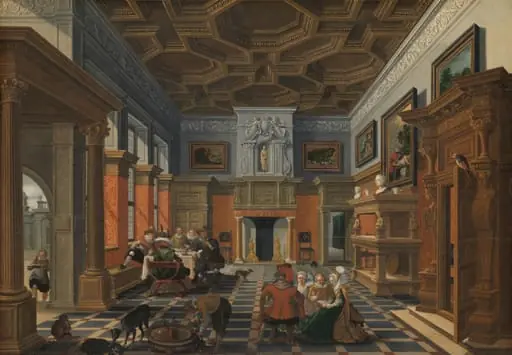
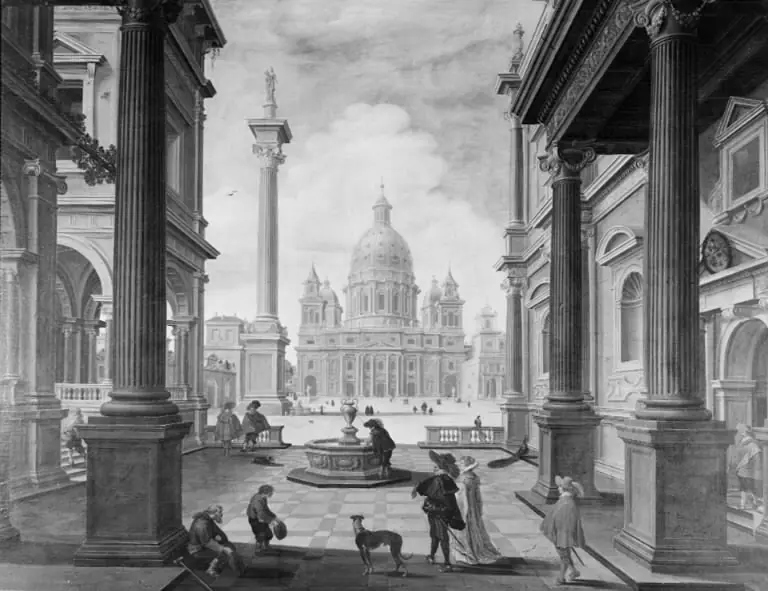
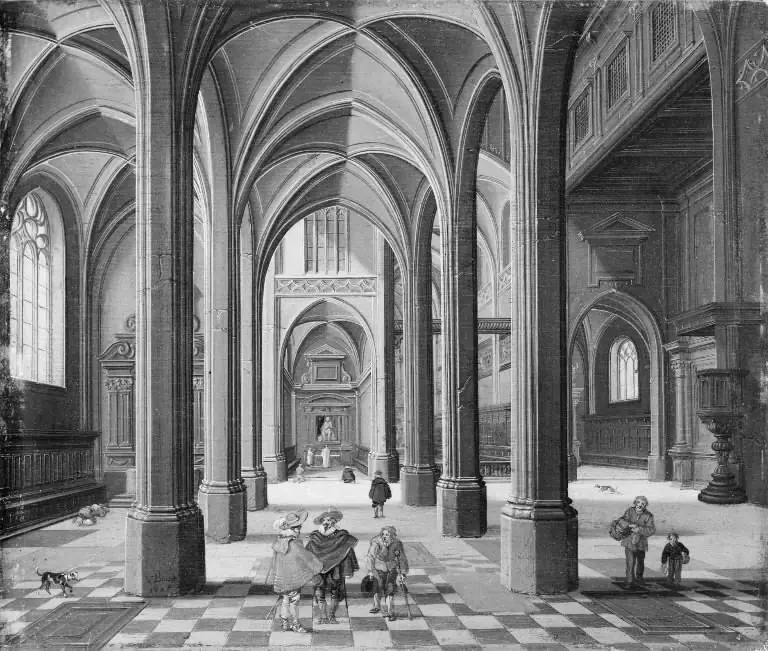
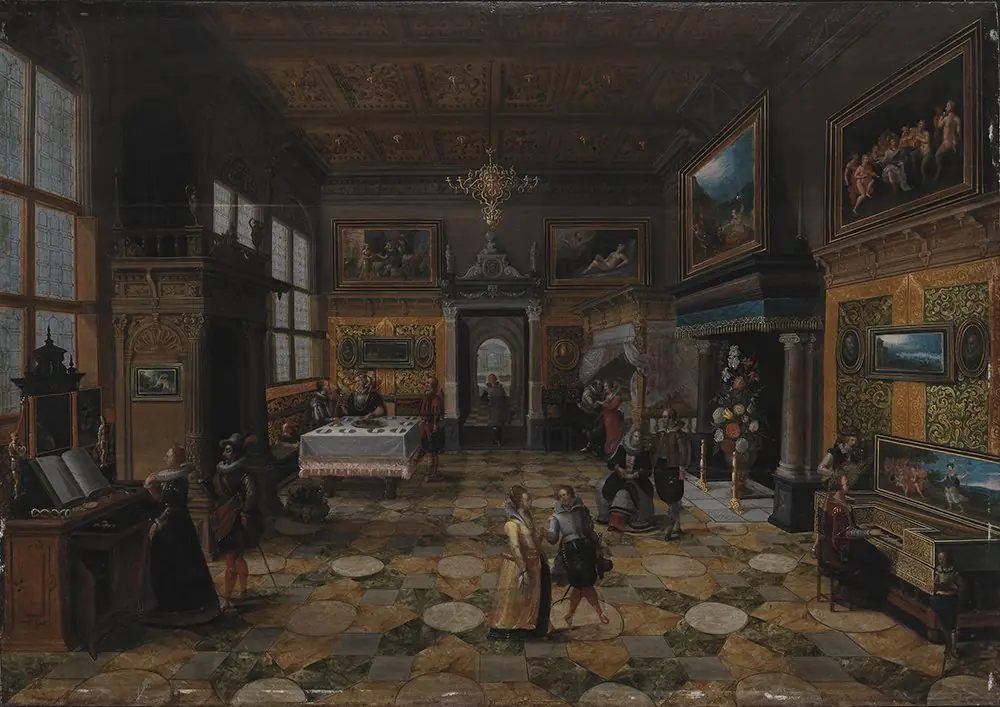
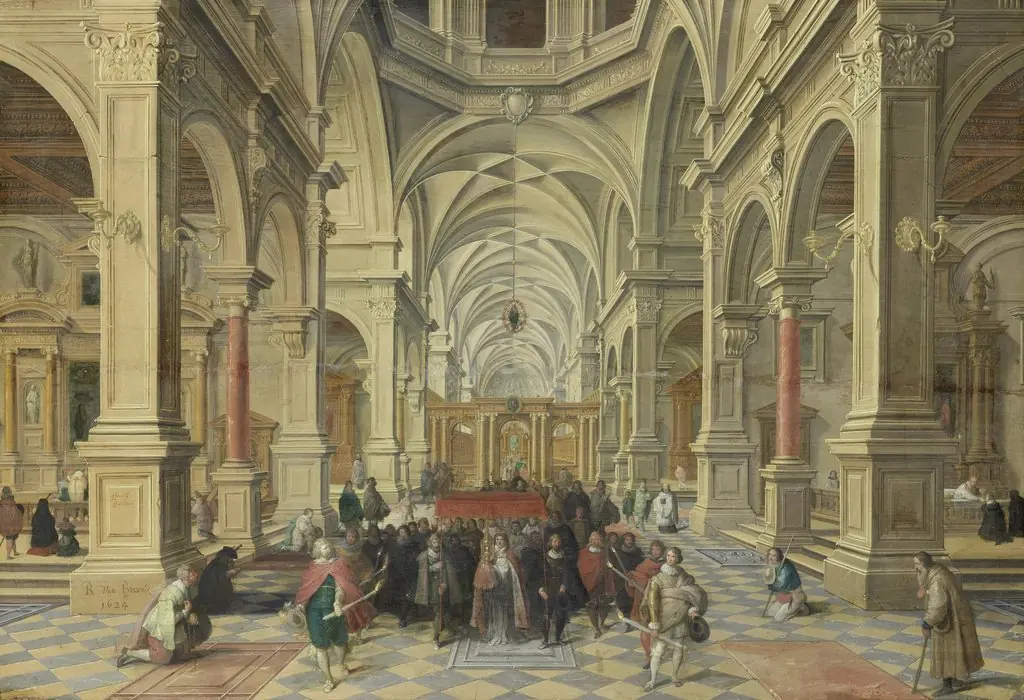
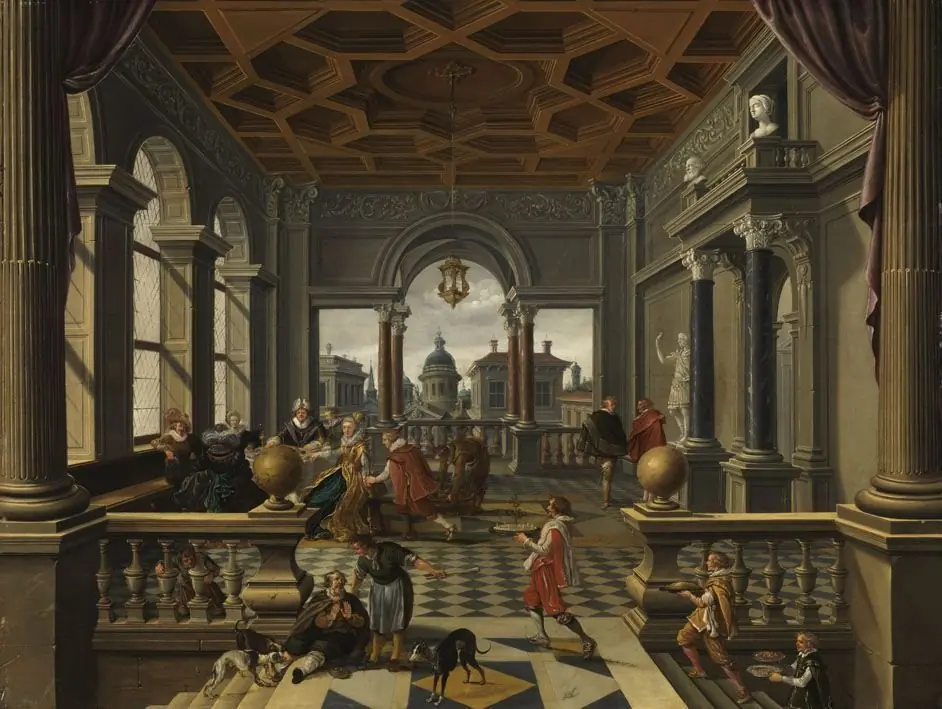
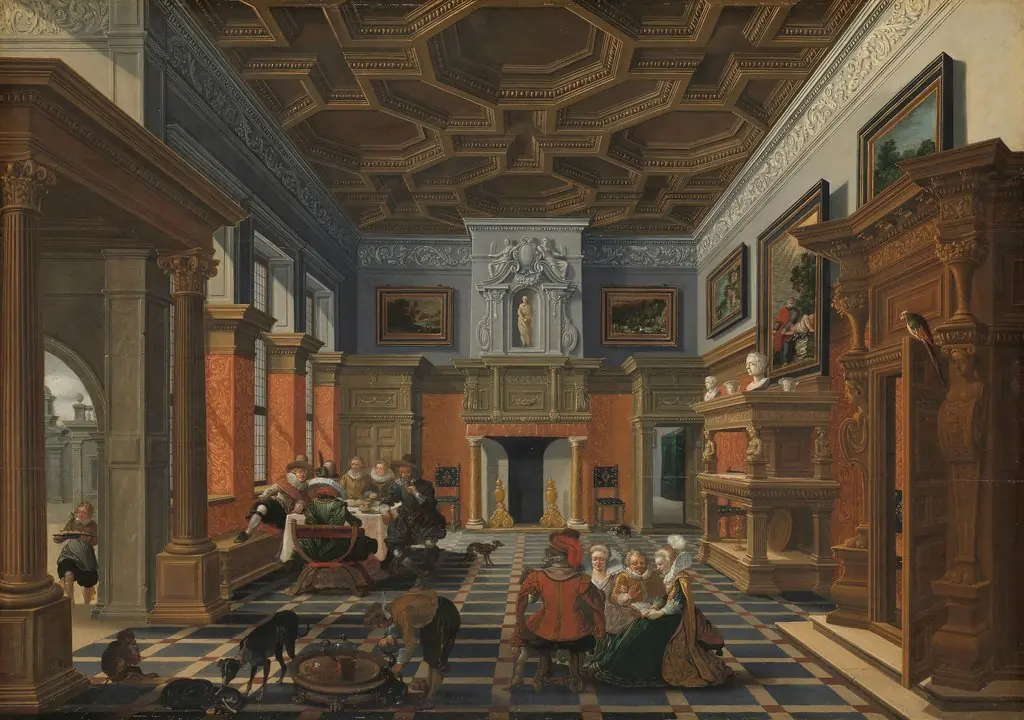 Interior with a Company
 Tanzgesellschaft
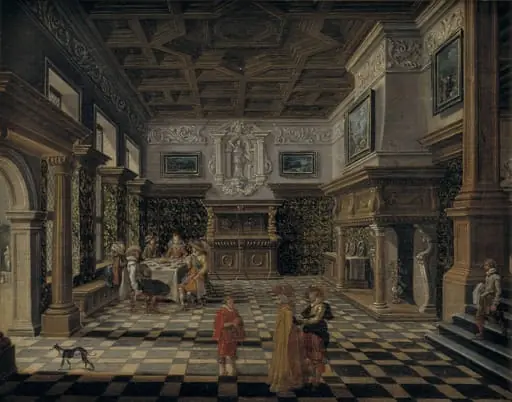 Sumptuous renaissance interior with a banquet
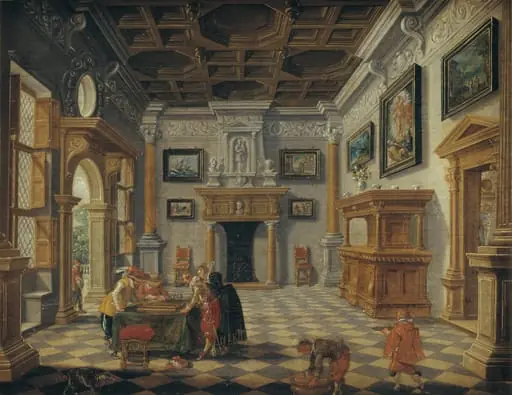 Sumptuous Renaissance Interior with Tric-Trac Players
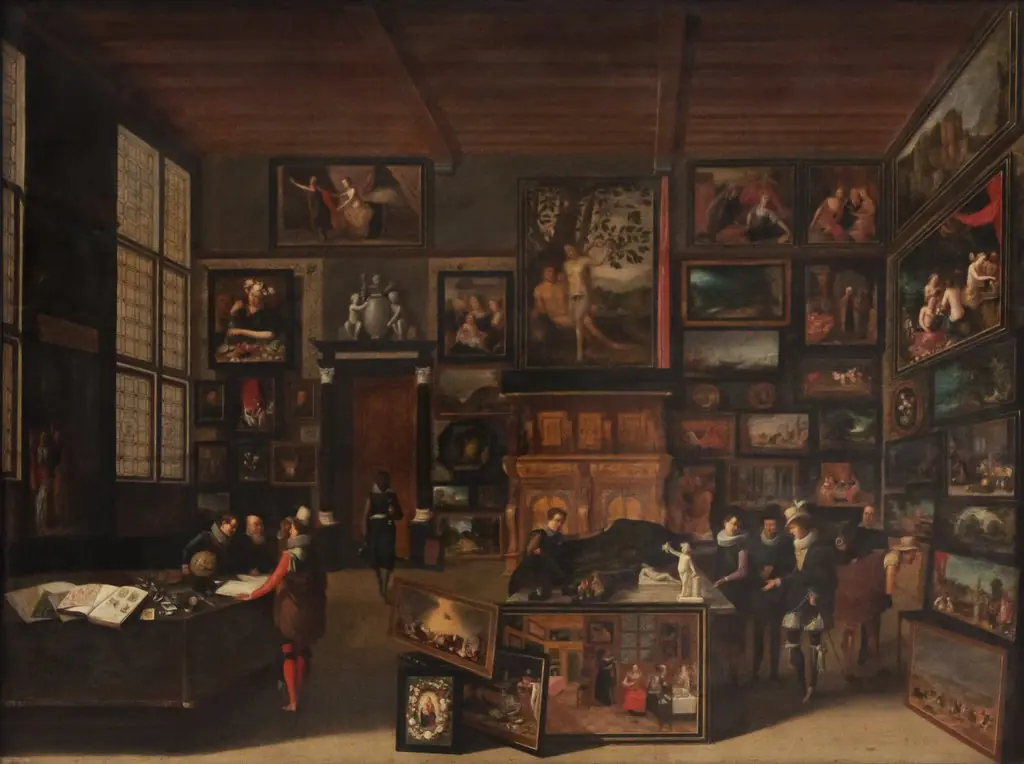 The Art Gallery of Jan Snellinck
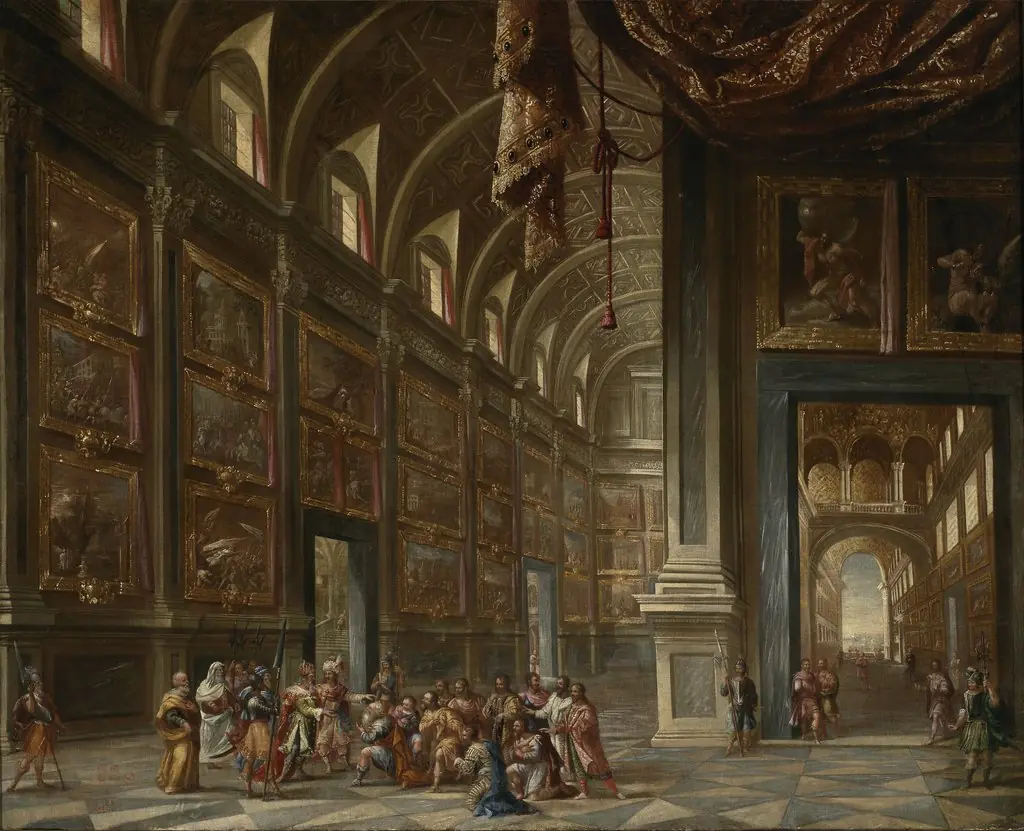 José mostrando a su padre y sus hermanos al Faraón
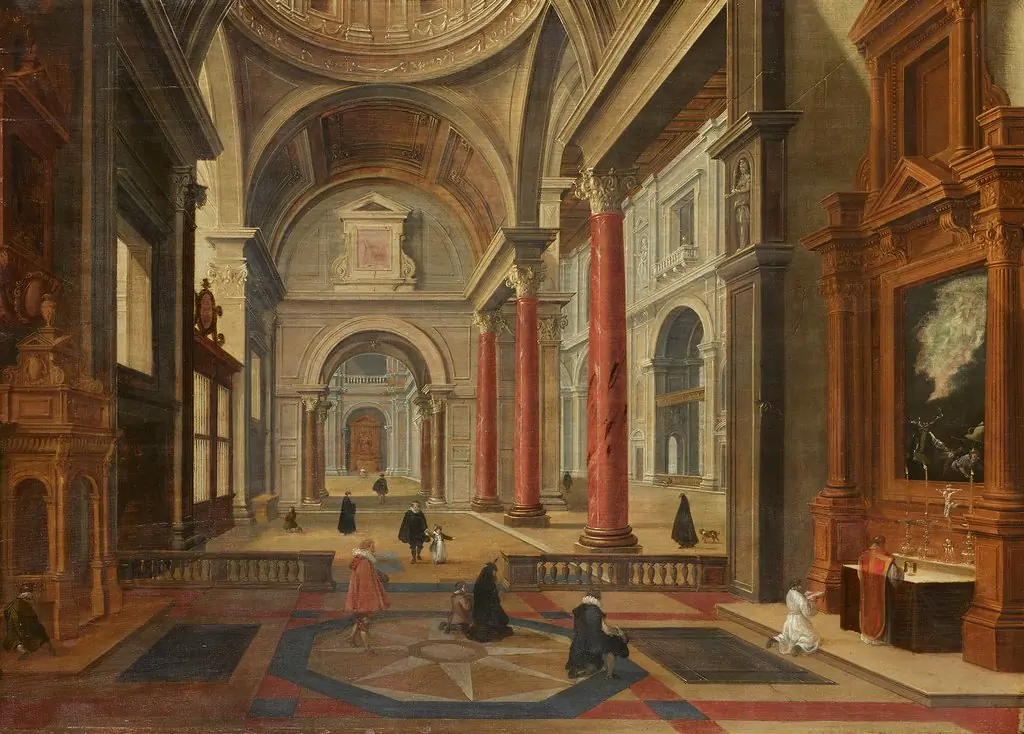 Church Interior
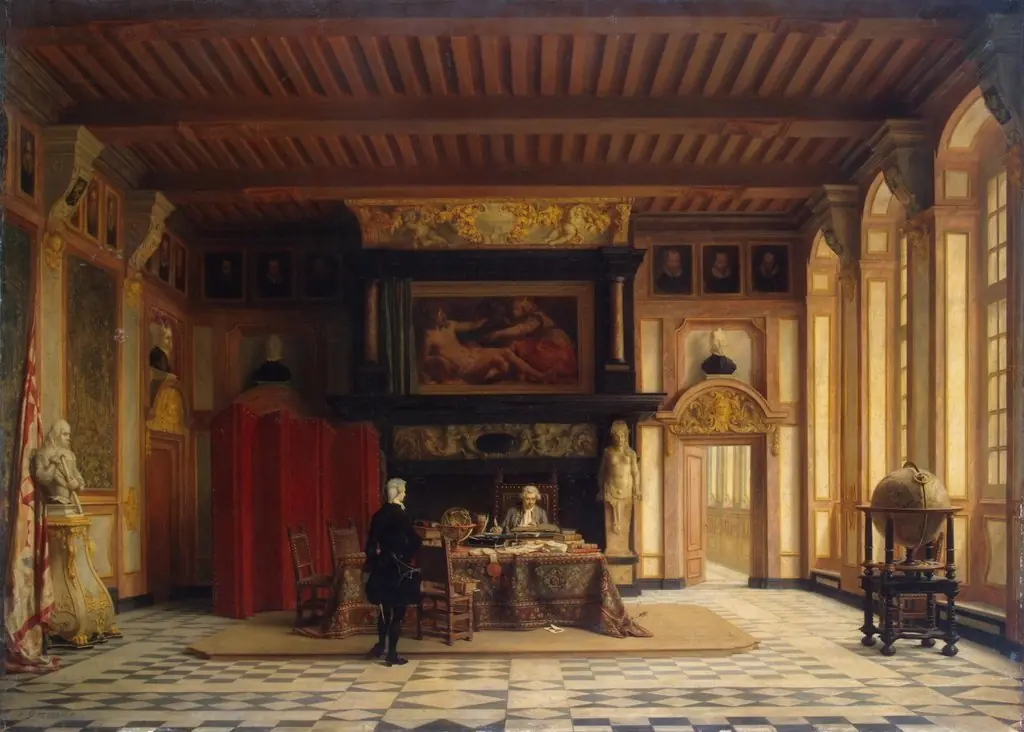 Hall of Estates at the City Council in Antwerp
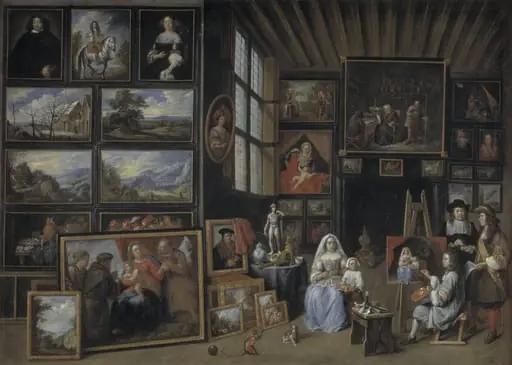 A Picture Gallery with an Artist Painting a Woman and a Girl. Allegory of the Art of Painting
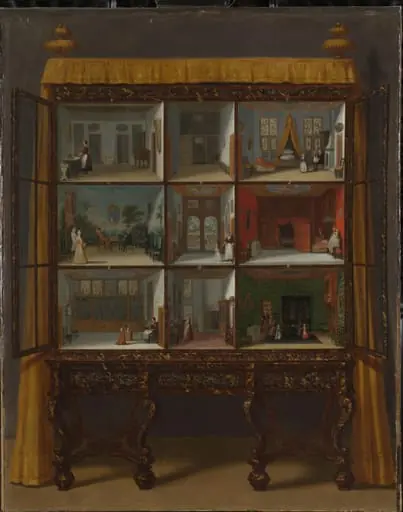 Doll’s House of Petronella Oortman