Artwork
Adoration of the Magi
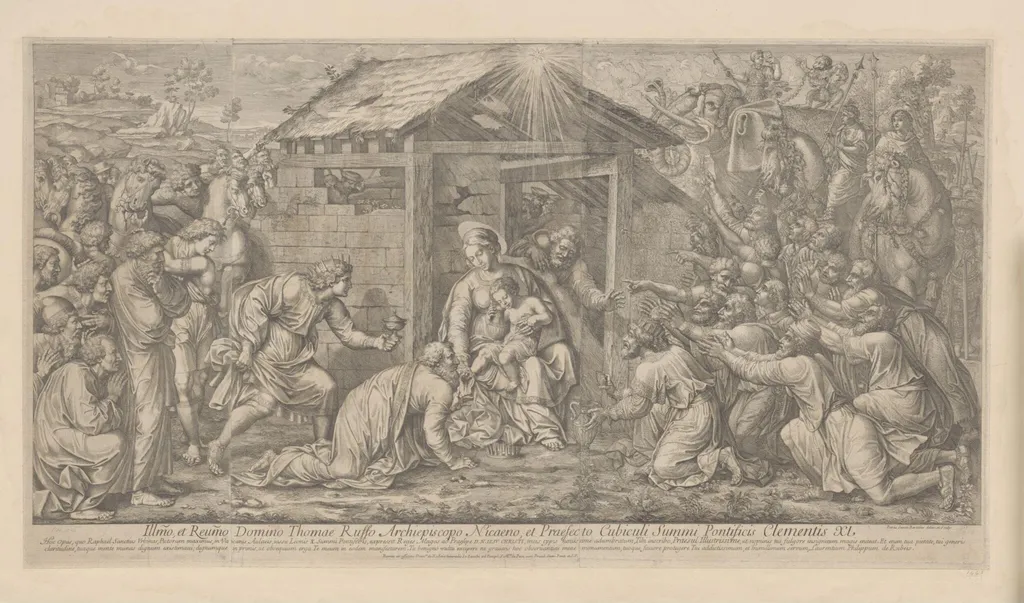
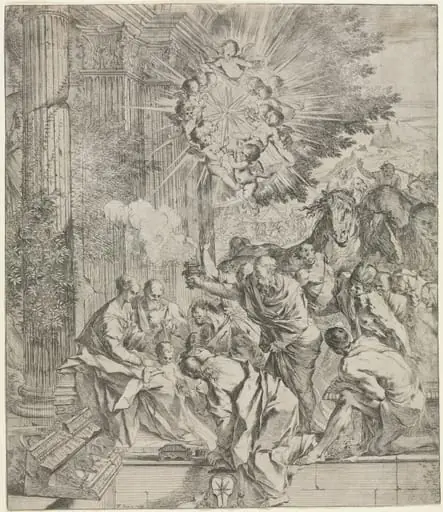
Adoration of the Magi is a print by Pietro Santi Bartoli. It dates from 1650 and is held in the collection of the Victoria and Albert Museum.
About this work
Overview
The work is composed of multiple sheets joined to form a single image, typical of large-scale reproductive prints of the period.
This three-part print on paper portrays the Adoration of the Magi, a scene from the Nativity narrative. Created around 1650 by Pietro Santi Bartoli, it reproduces a composition originally designed by Raphael. The work is composed of multiple sheets joined to form a single image, typical of large-scale reproductive prints of the period. Its scale and detail reflect the demand for accessible religious imagery in early modern Europe.
Subject & Meaning
The scene centers on the Virgin Mary holding the infant Jesus, surrounded by three kings who offer gifts in homage. Figures kneel, stand, and gesture in varied postures of reverence, emphasizing the sacred moment. The composition draws on Christian iconography to convey humility and divine recognition. The presence of attendants and onlookers underscores the event’s significance as a moment of universal acknowledgment of Christ’s identity.
Technique & Style
Bartoli employed chiaroscuro to model forms through strong contrasts between light and shadow. The central figures are illuminated from above, drawing attention to the Virgin and Child, while surrounding elements recede into darker tones. Fine linear detailing defines drapery and facial expressions, characteristic of engraving techniques of the time. The background architecture is rendered with minimal detail, enhancing the focus on the human figures.
History & Provenance
The print was produced in Rome during the mid-seventeenth century, part of a broader tradition of reproducing Renaissance masterpieces through printmaking. Bartoli, known for his engravings after classical and Renaissance works, likely created this as part of a series intended for collectors and clergy. Its survival in multiple-sheet form suggests it was preserved as a cohesive unit, possibly in ecclesiastical or aristocratic collections.
Context
In mid-1600s Italy, reproductive prints served as primary means of disseminating famous paintings to audiences without access to original artworks. Bartoli’s work reflects the Counter-Reformation Church’s emphasis on visual devotion. By translating Raphael’s composition into print, the image reinforced doctrinal themes of worship and divine incarnation, aligning with contemporary spiritual priorities.
Legacy
Bartoli’s print contributed to the enduring circulation of Raphael’s compositional ideas beyond the original painting. It became a reference for later artists and collectors interested in classical religious imagery. While not widely exhibited today, such prints remain important for understanding how Renaissance art was interpreted, reproduced, and consumed in the early modern period.
Artist & collection
Artist
Pietro Santi Bartoli was an artist who loved to draw. He lived a long time ago and made detailed prints. One cool thing about him is that he was really good at copying old paintings, like turning them into prints. Check…

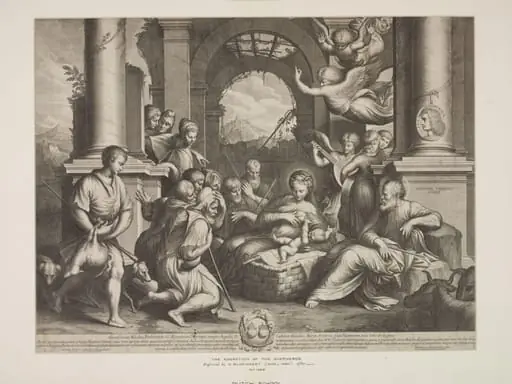 Adoration of the Shepherds
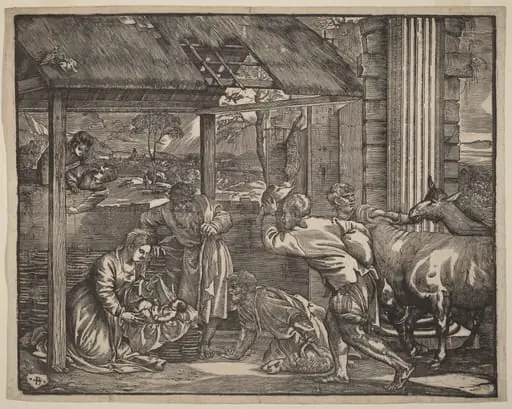 The Adoration of the Shepherds
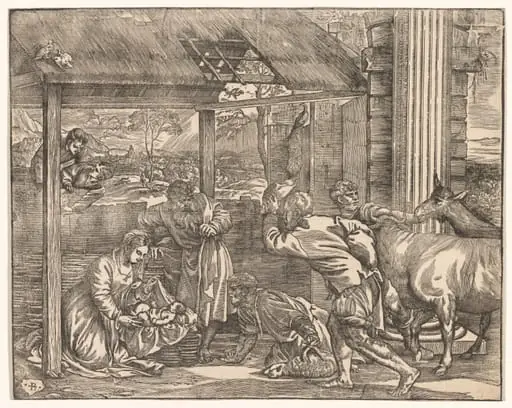 Adoration of the Shepherds
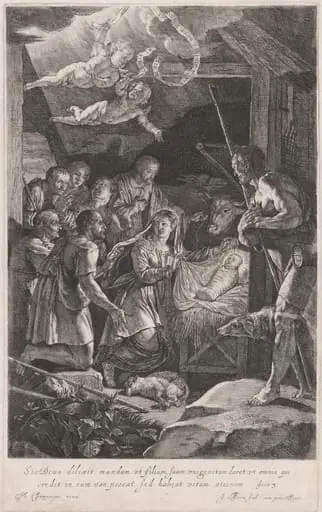 The Adoration of the Shepherds
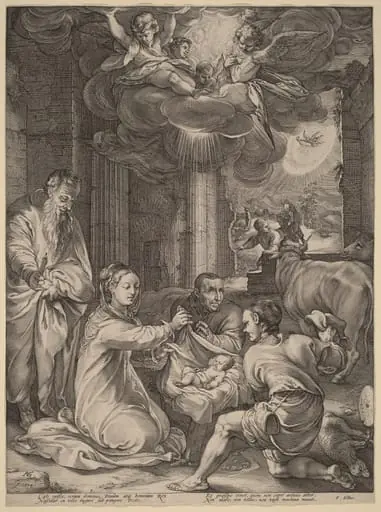 The Adoration of the Shepherds
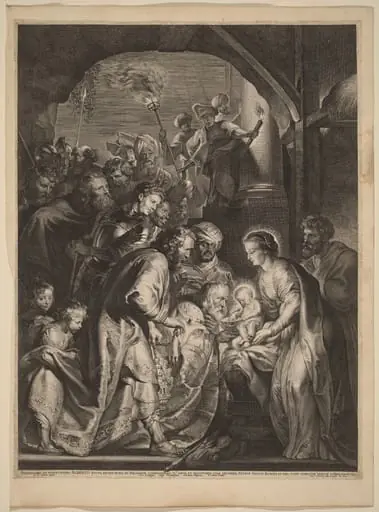 The Adoration of the Magi
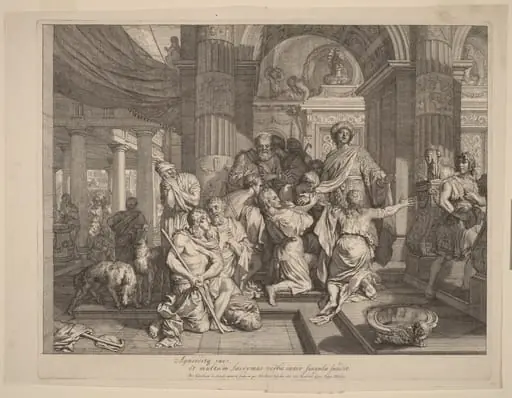 Joseph Reveals Himself to His Brothers
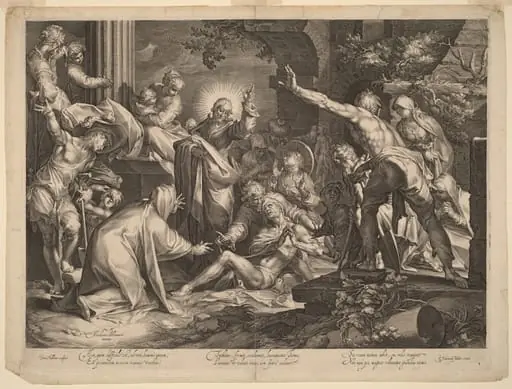 The Raising of Lazarus
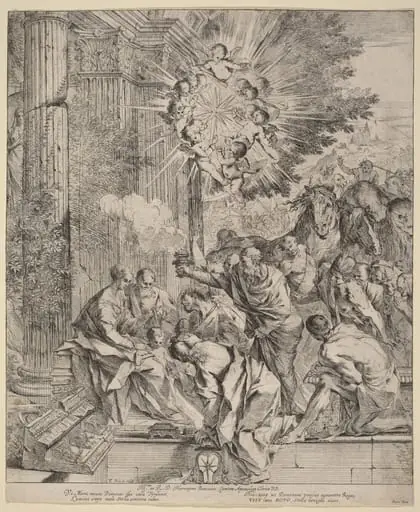 The Adoration of the Magi
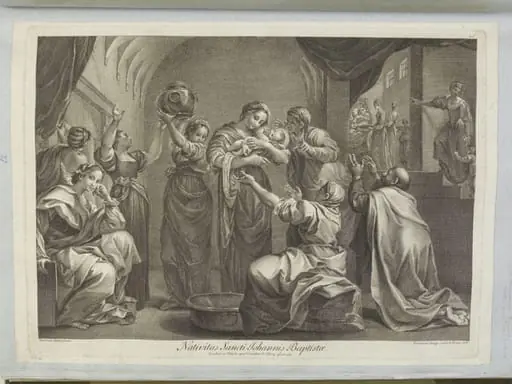 Birth of John the Baptist
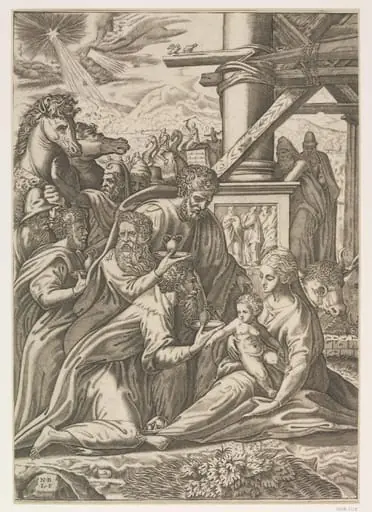 The Adoration of the Magi
 Adoration of the Magi