Artwork
The Adoration of the Shepherds
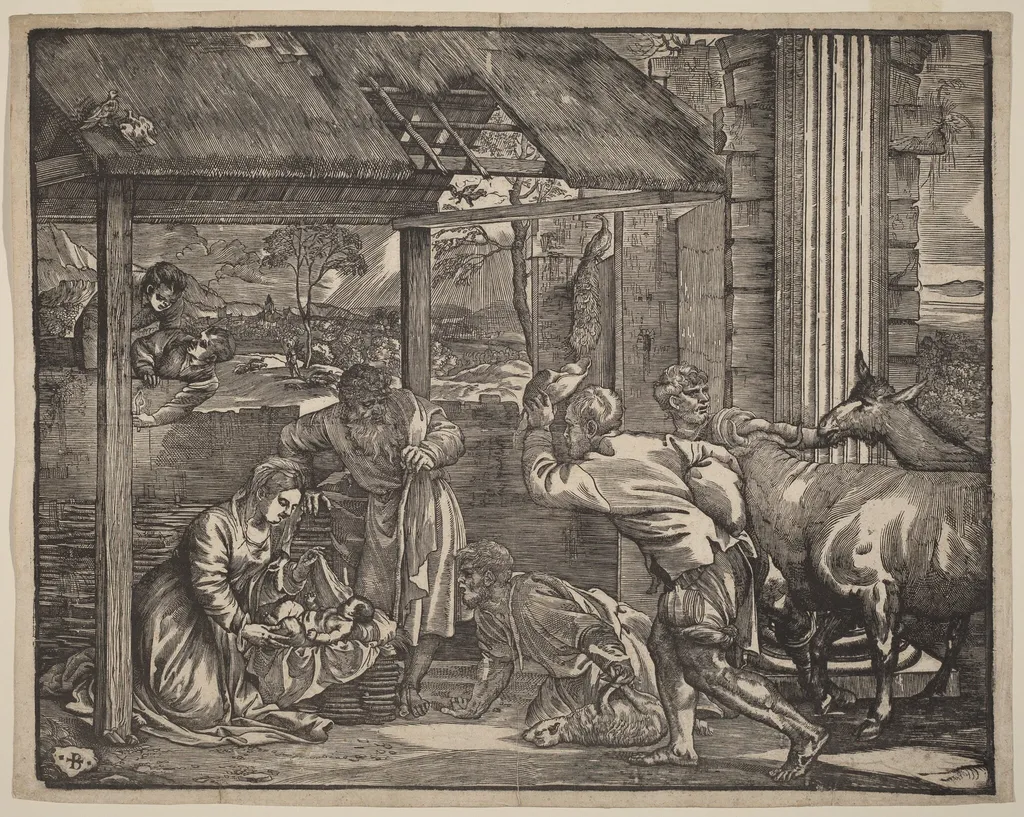
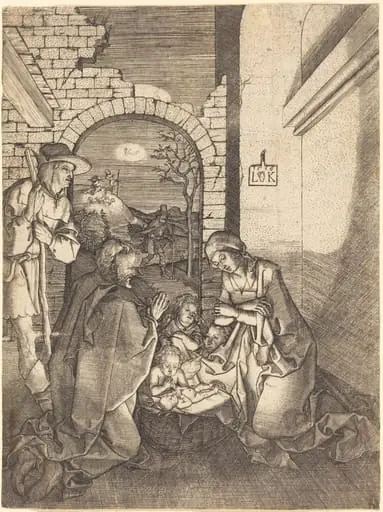
The Adoration of the Shepherds is an ink print by the Renaissance artist Giovanni Britto. It dates from 1532 and is held in the collection of the National Gallery of Art.
About this work
Overview
Created around 1532, this woodcut by Giovanni Britto portrays the biblical moment when shepherds arrive to honor the newborn Christ.
Created around 1532, this woodcut by Giovanni Britto portrays the biblical moment when shepherds arrive to honor the newborn Christ. Executed in fine, precise lines, the image captures the quiet reverence of the scene. As a printed work, it was produced from a carved pearwood block, allowing multiple impressions to be made. This surviving example is rare for its clarity and the artist’s signature, indicating its early and intentional circulation.
Subject & Meaning
The composition centers on Mary kneeling beside the infant Jesus, who is illuminated by a distinct beam of light falling directly across his face. Surrounding figures—shepherds in humble attire—lean in with quiet awe, their postures suggesting reverence rather than spectacle. The scene emphasizes humility and divine presence, aligning with devotional themes common in early 16th-century religious imagery, where light symbolized spiritual revelation.
Technique & Style
Britto employed the woodcut method, carving away non-printing areas from a pearwood block to leave raised lines that would hold ink. The fine, controlled incisions create delicate textures in fabric, hair, and light, demonstrating technical precision. The use of chiaroscuro through linear contrast, rather than tone, gives the image depth and focus. The sharpness of the lines and the evenness of the ink suggest careful printing and preservation.
History & Provenance
This impression is one of the few known surviving prints bearing Britto’s signature, making it a significant artifact for understanding his workshop practices. Its near-perfect condition implies careful handling and storage, likely by a private collector or religious institution. The print’s survival into the modern era, now held by the National Gallery of Art in Washington, D.C., reflects its recognized rarity and historical value among early Renaissance prints.
Context
Produced in the early 1530s, this work emerged during a period when woodcuts were widely used to disseminate religious imagery across Europe. As printing technology expanded, artists like Britto adapted traditional iconography for mass reproduction, making sacred scenes accessible beyond elite circles. The emphasis on intimate devotion, rather than grandeur, mirrors broader trends in Northern Renaissance spirituality and the growing influence of personal piety.
Legacy
Britto’s woodcut stands as a quiet example of how printmaking extended devotional art into domestic and communal spaces. Its survival in such fine condition offers insight into the craftsmanship and reception of early printed religious images. Though not widely known today, it contributes to the understanding of how visual narratives of the Nativity were standardized and circulated in the decades before the Reformation reshaped religious imagery.
Artist & collection


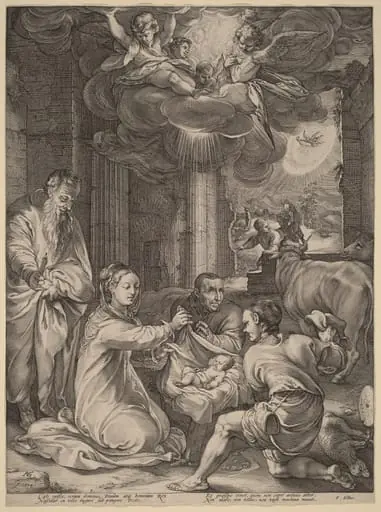 The Adoration of the Shepherds
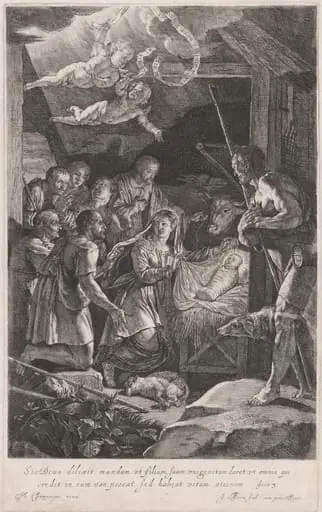 The Adoration of the Shepherds
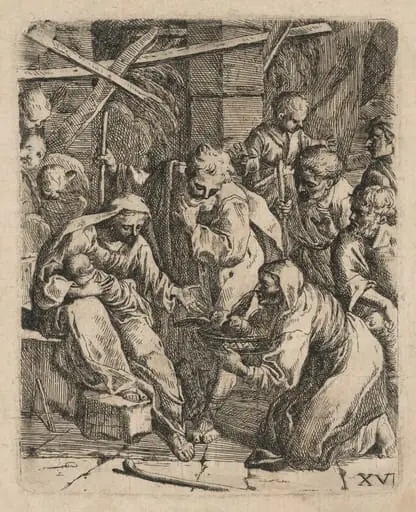 The Adoration of the Shepherds
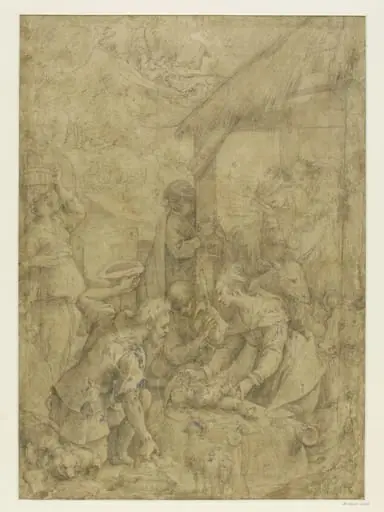 The Adoration of the Shepherds
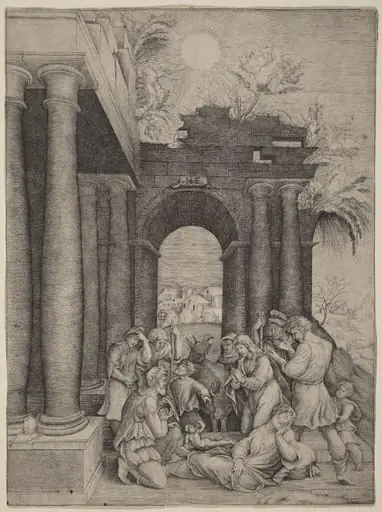 The Adoration of the Shepherds
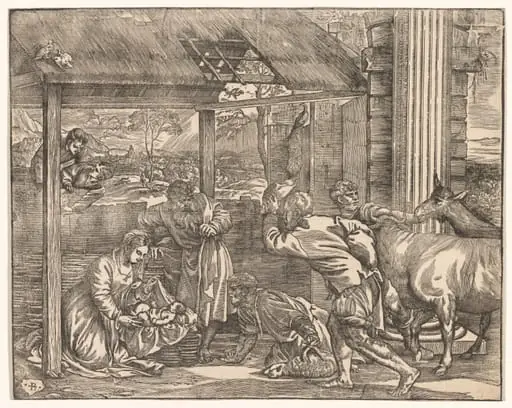 Adoration of the Shepherds
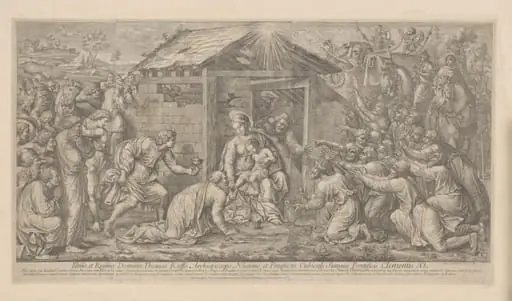 Adoration of the Magi
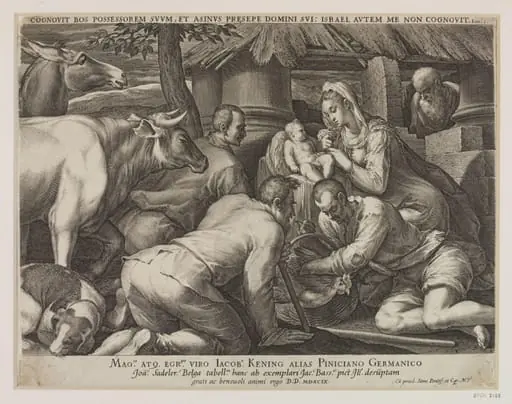 The Nativity and the Adoration of the Shepherds
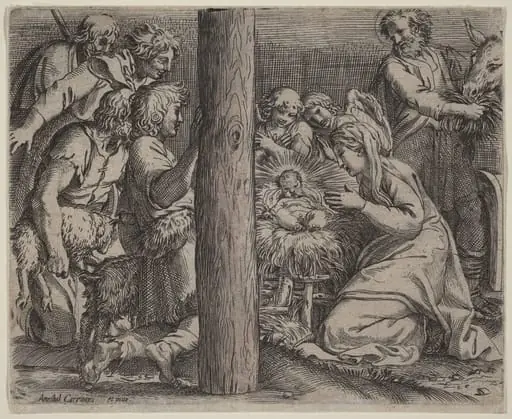 The Adoration of the Shepherds
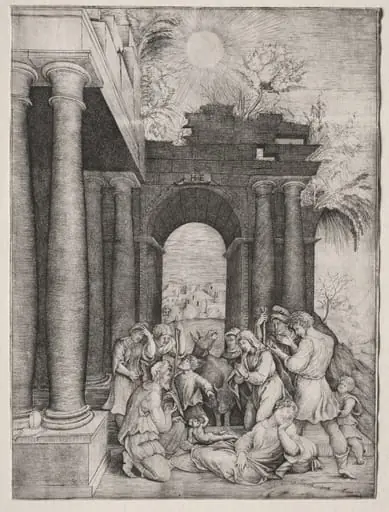 The Adoration of the Shepherds
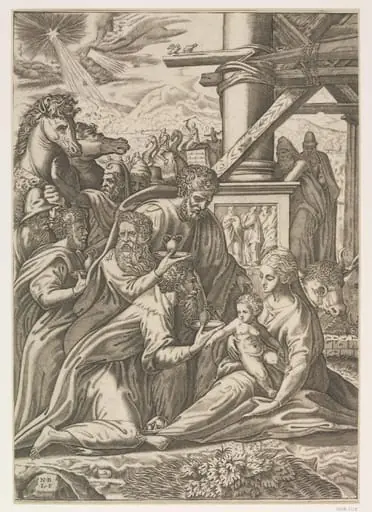 The Adoration of the Magi
 The Nativity