Artwork
Adoration of the Shepherds
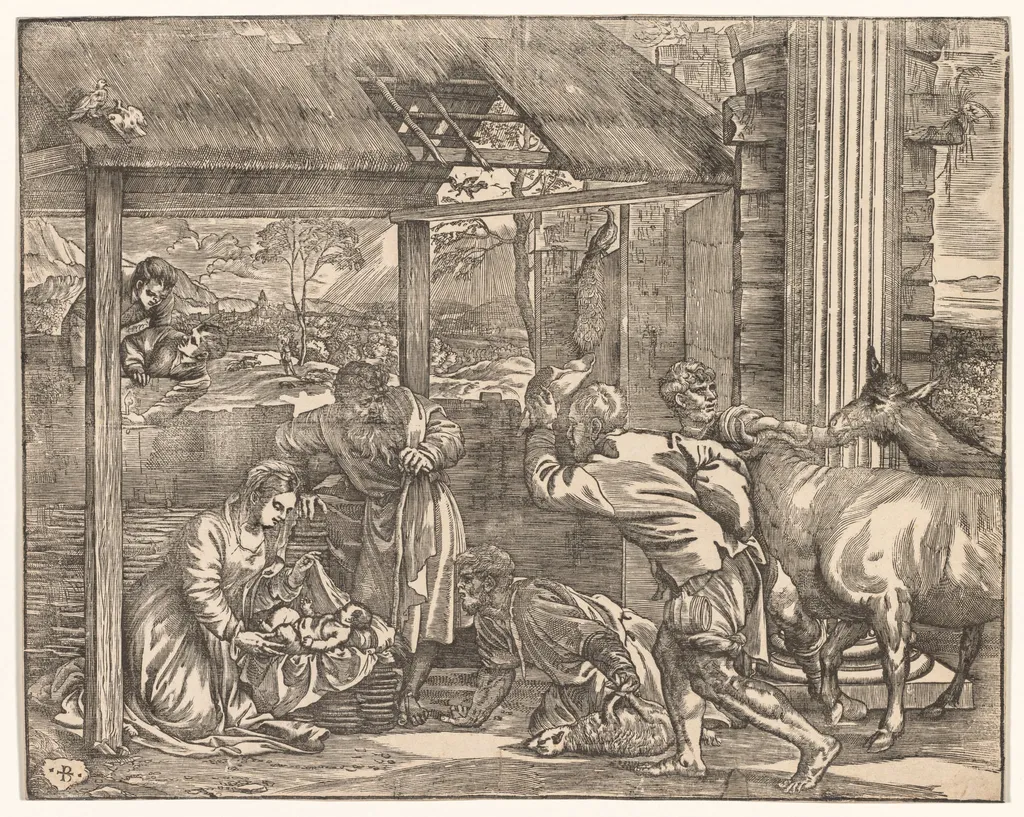
Adoration of the Shepherds is a print by the Renaissance artist Niccolo Boldrini. It dates from 1504 and is held in the collection of the Cleveland Museum of Art. Niccolò Boldrini, an Italian printmaker active in the early 1500s, produced this woodcut around 1504.
About this work
Overview
His work emerged within the vibrant artistic circles of Venice, where he adapted compositions by leading painters for the medium of print.
Niccolò Boldrini, an Italian printmaker active in the early 1500s, produced this woodcut around 1504. His work emerged within the vibrant artistic circles of Venice, where he adapted compositions by leading painters for the medium of print. This piece illustrates a biblical moment central to Christian devotion, rendered with the precision and tonal nuance typical of Renaissance engraving techniques.
Subject & Meaning
The scene captures shepherds approaching the infant Jesus, as described in the Gospel of Luke. Their humble presence contrasts with the celestial figures above, emphasizing divine revelation to the lowly. The quiet nighttime setting enhances the contemplative mood, reinforcing themes of humility and sacred wonder. Angels and distant figures frame the event without overwhelming its intimacy.
Technique & Style
Boldrini employed fine linear engraving to build subtle gradations of light and shadow, a method known as chiaroscuro. The contrast between darkened backgrounds and softly modeled figures creates spatial depth and three-dimensionality. His attention to texture—fabric, hair, and straw—demonstrates a meticulous approach to detail, aligning with the broader Renaissance pursuit of naturalistic representation.
History & Provenance
The print likely originated in Venice, where Boldrini worked closely with Titian’s compositions, adapting them for wider dissemination. Few original impressions survive, and those that do are held in major European collections. Its production reflects the growing market for religious imagery in print form during the early 16th century, serving both devotional and artistic audiences.
Context
In early 16th-century Venice, printmaking flourished as a means to circulate visual narratives beyond painting. Boldrini’s work responded to demand for accessible religious imagery while maintaining high artistic standards. His reliance on Titian’s designs signals the close interplay between painters and engravers, bridging fine art and reproductive technology in a period of rapid cultural exchange.
Legacy
Boldrini’s prints, including this one, contributed to the standardization of biblical iconography in print form across Europe. Though less celebrated than his contemporaries, his technical precision influenced later engravers. His adaptations of Venetian compositions helped disseminate the region’s aesthetic values, embedding them in the broader visual culture of the Northern Renaissance.
Own this work as a print
Artist & collection
Artist
Niccolò Boldrini (c.1500–c.1566) was an Italian engraver of the Renaissance. He was frequently confused with Nicola Vicentino. Boldrini was an engraver on wood, born at Vicenza in the early 16th century, and still…

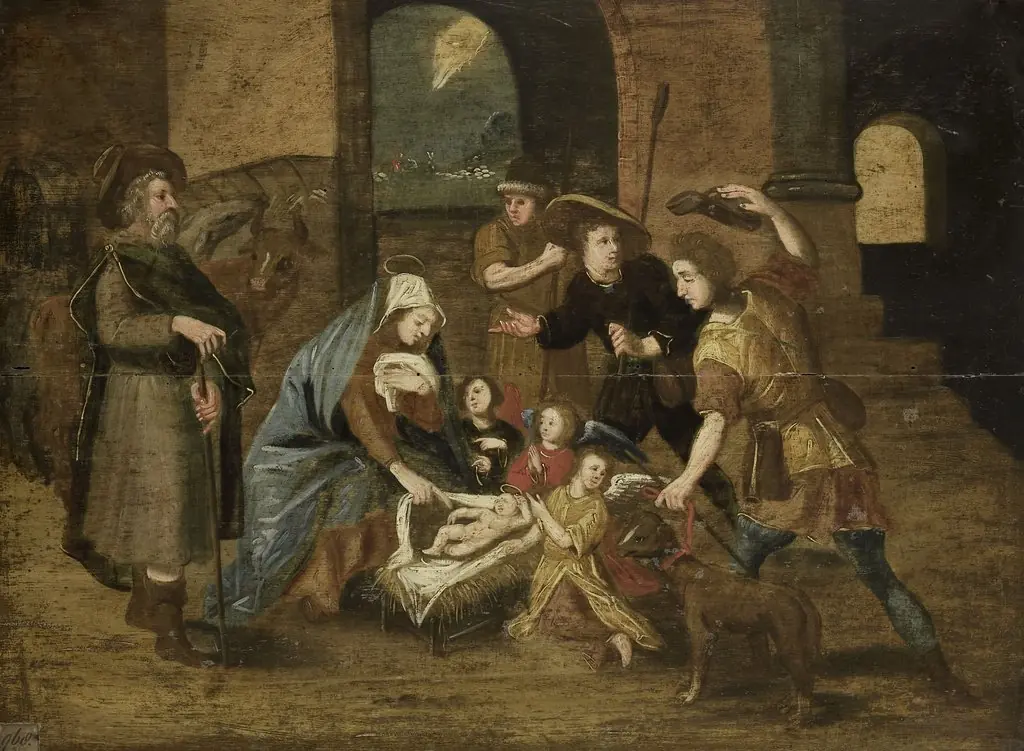 Adoration of the Shepherds
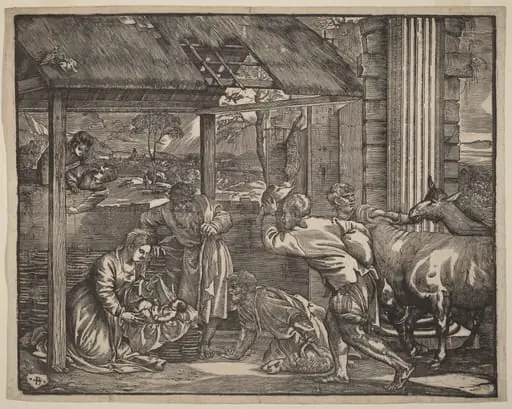 The Adoration of the Shepherds
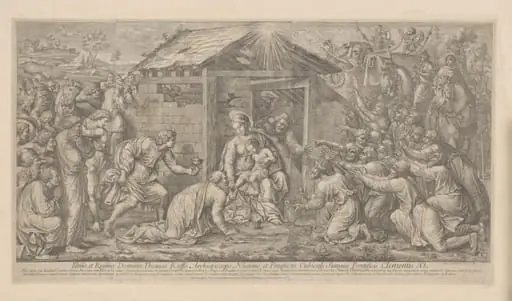 Adoration of the Magi
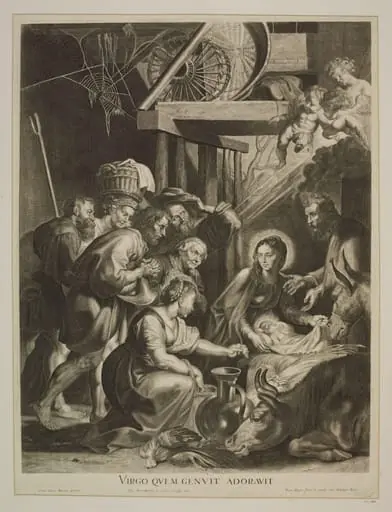 Adoration of the Shepherds
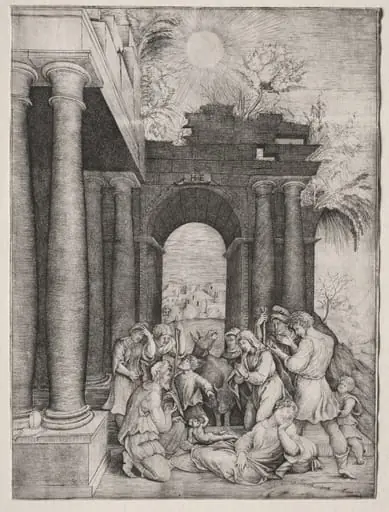 The Adoration of the Shepherds
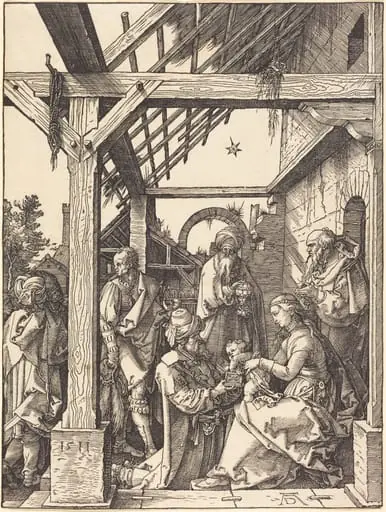 The Adoration of the Magi
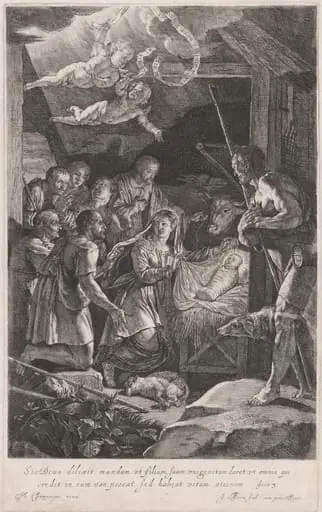 The Adoration of the Shepherds
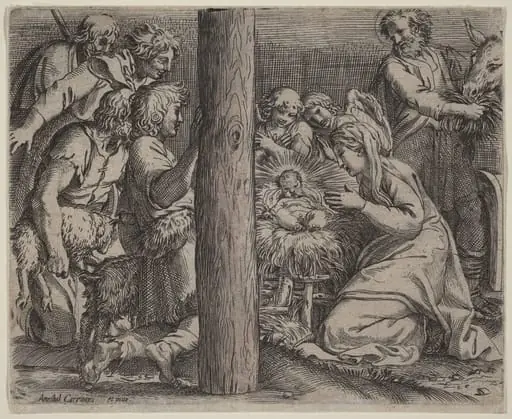 The Adoration of the Shepherds
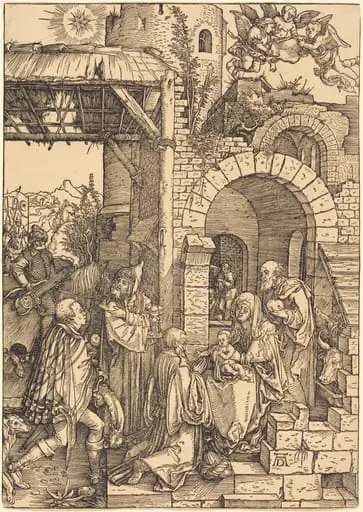 The Adoration of the Magi
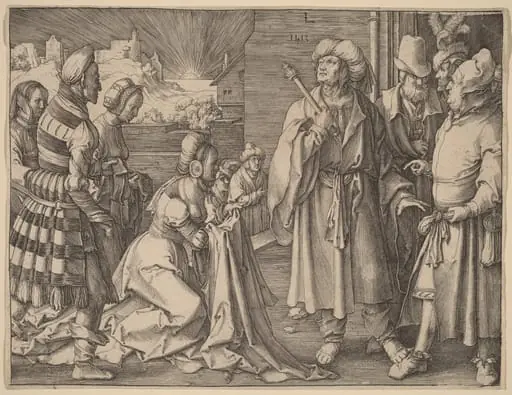 Potiphar's Wife Accusing Joseph
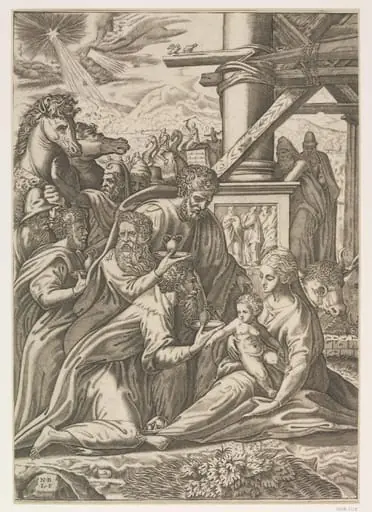 The Adoration of the Magi
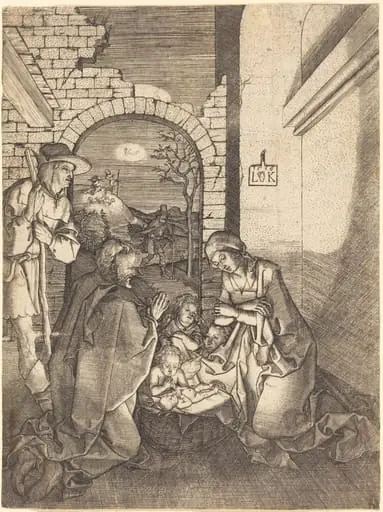 The Nativity