Artwork
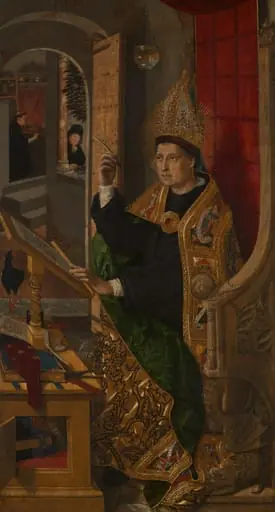
Altarpiece of Santo Domingo de Silos
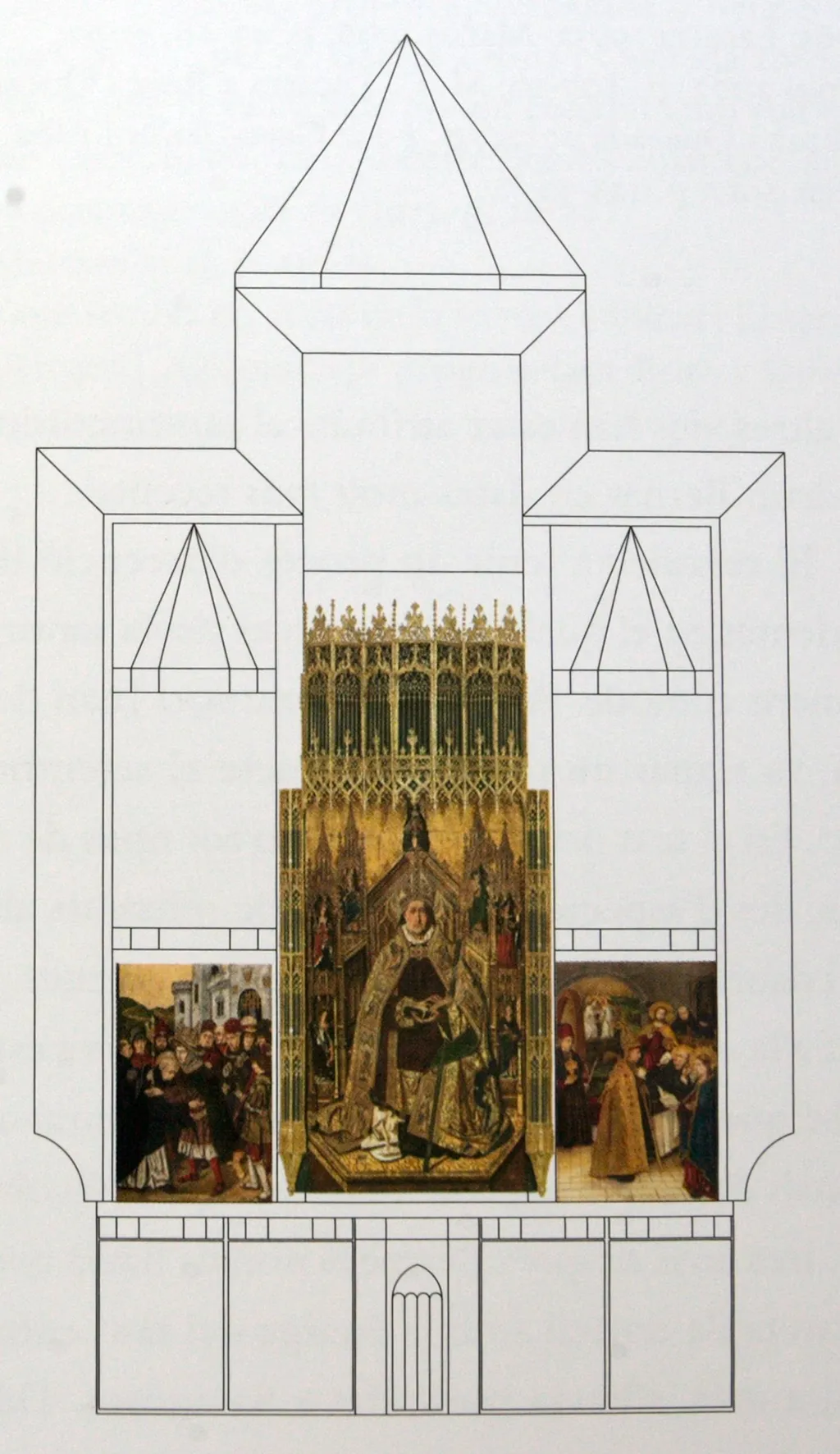
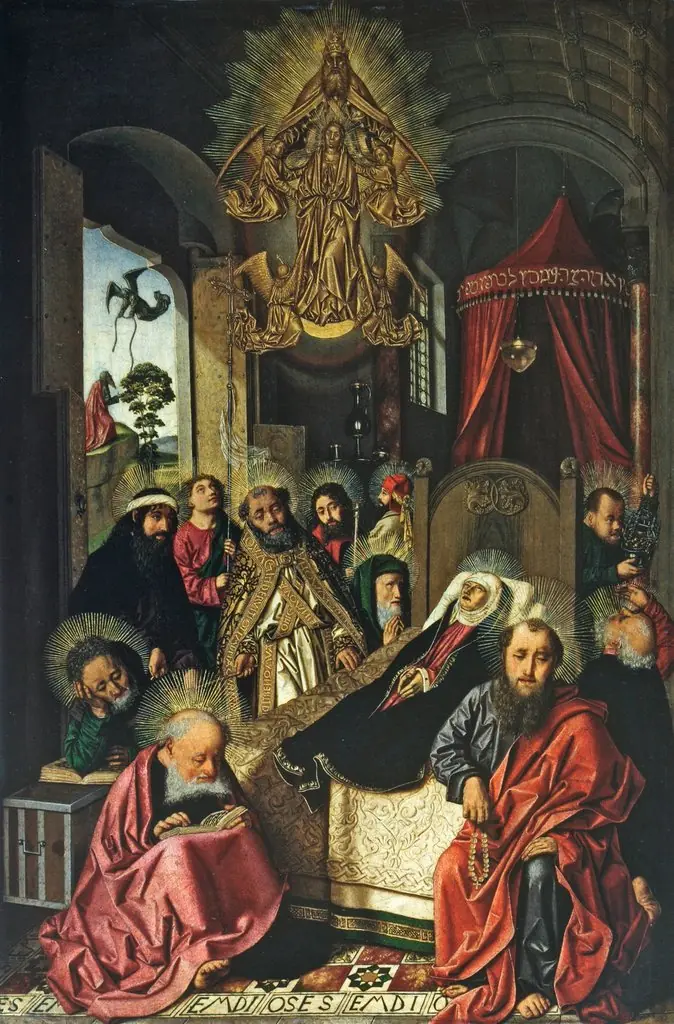
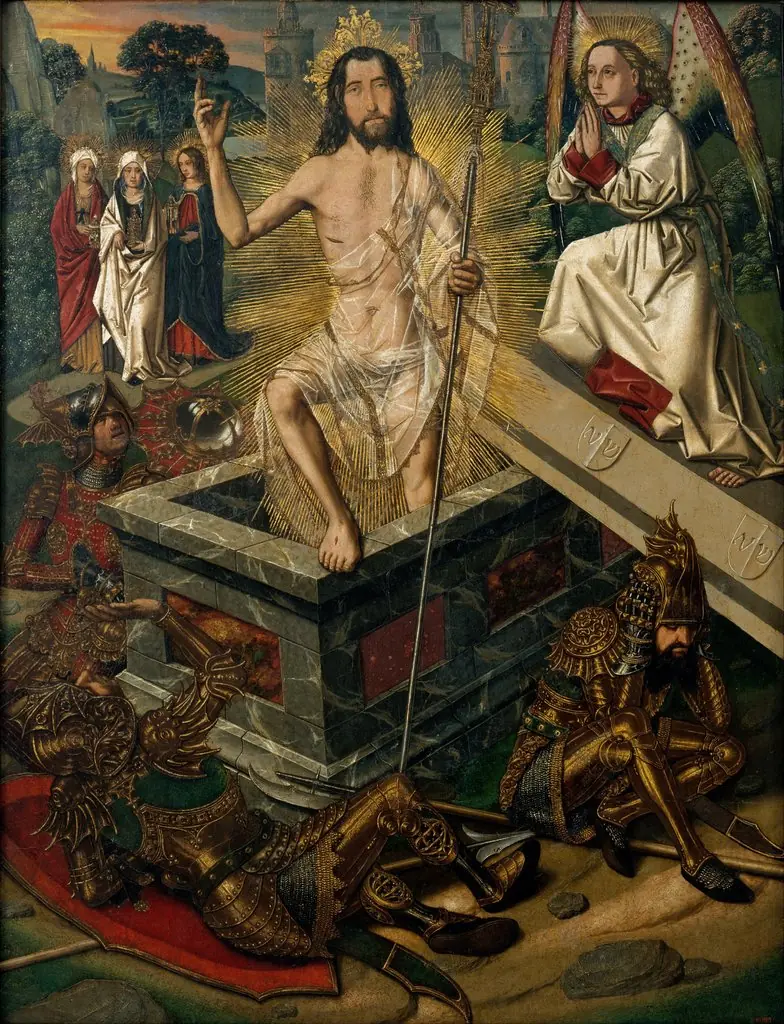
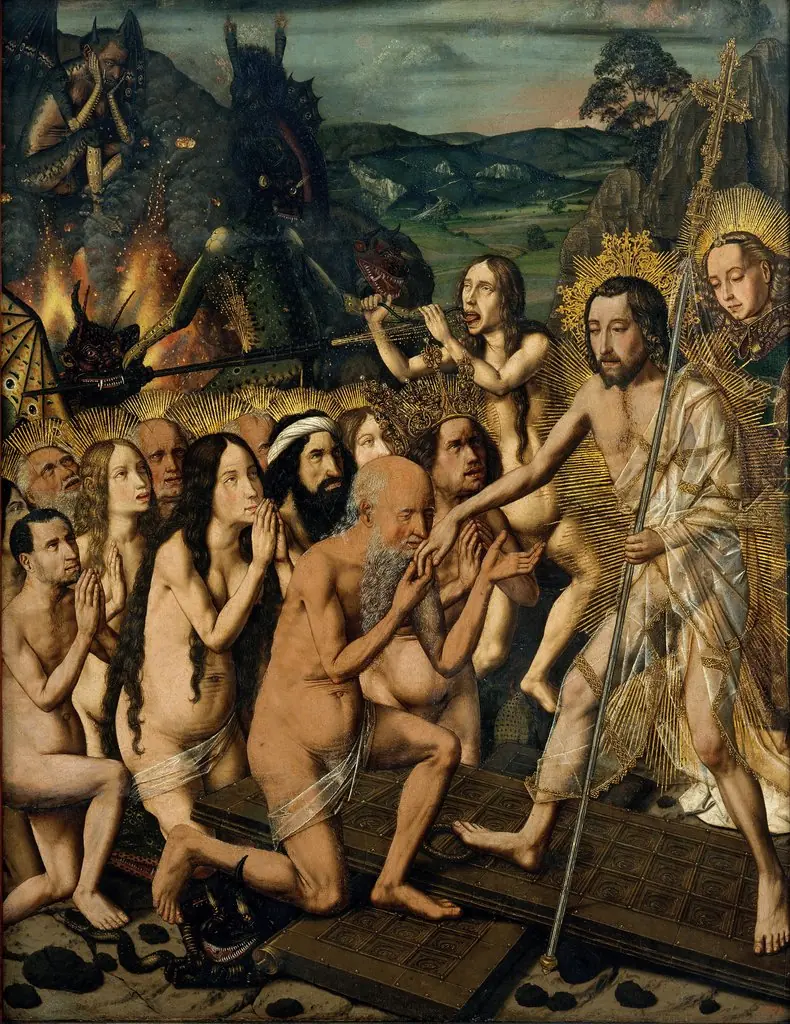
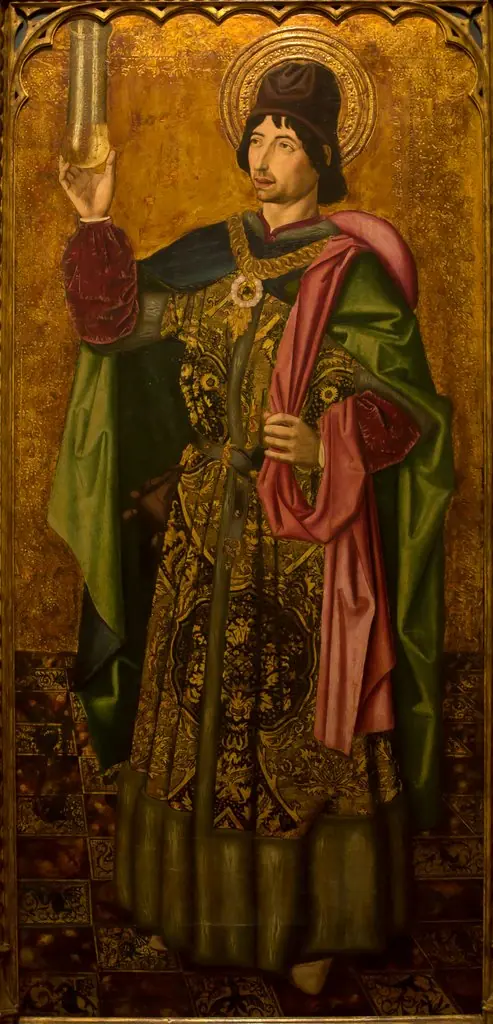
Altarpiece of Santo Domingo de Silos is an oil painting by the High Renaissance artist Bartolomé Bermejo. It dates from 1488 and is held in the collection of the Museo del Prado.
About this work
Overview
Painted in 1488 by Bartolomé Bermejo, the Altarpiece of Santo Domingo de Silos is an oil-on-panel triptych commissioned for a monastic church.
Painted in 1488 by Bartolomé Bermejo, the Altarpiece of Santo Domingo de Silos is an oil-on-panel triptych commissioned for a monastic church. It features a central devotional image flanked by two narrative panels, all enclosed within an elaborate architectural frame. The work reflects the fusion of Northern European detail with Spanish religious tradition, and it remains in the collection of the Museo del Prado in Madrid, where it has been since the 19th century.
Subject & Meaning
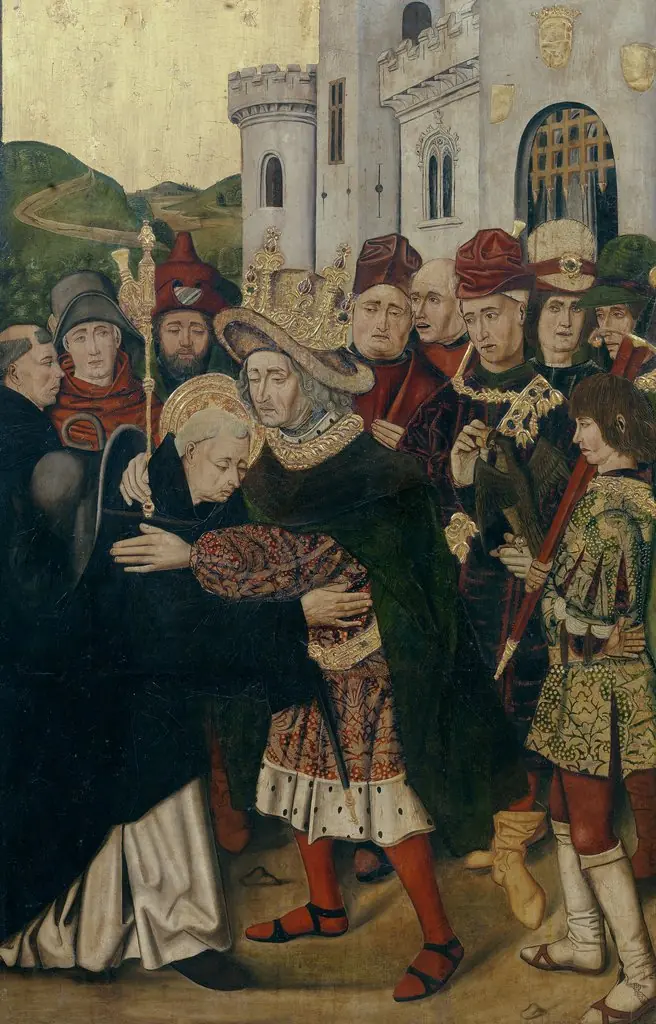
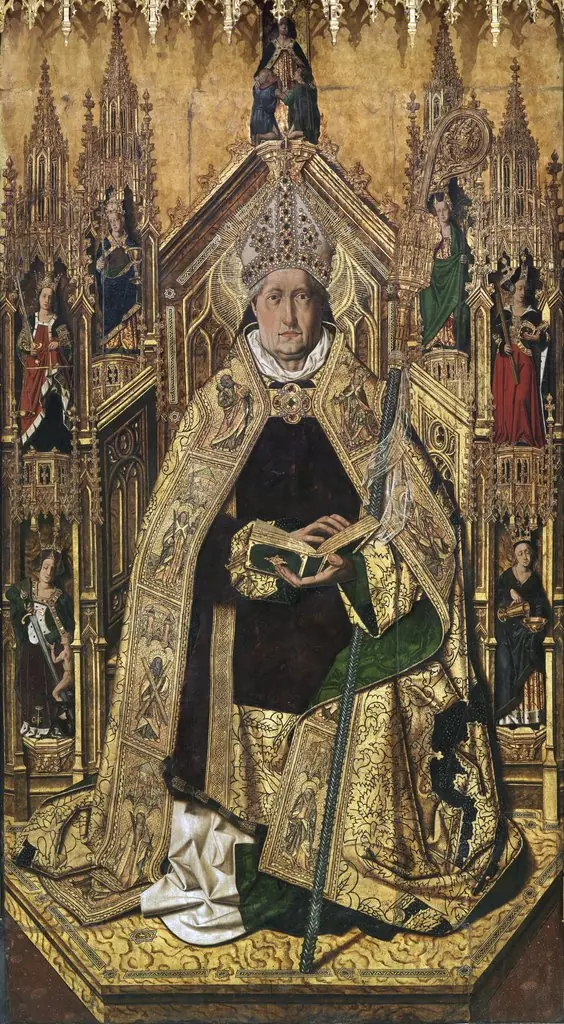
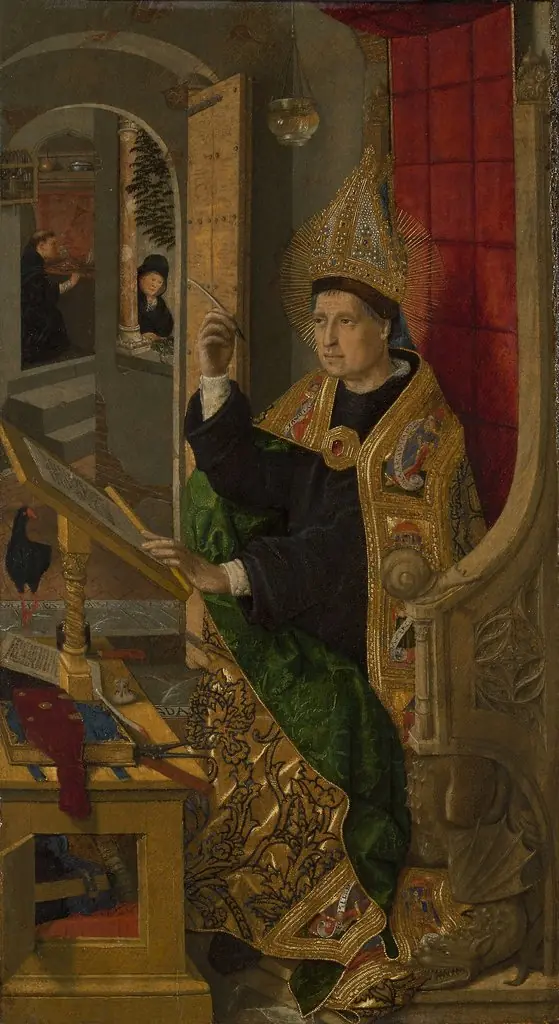
The central panel depicts Saint Dominic of Silos, abbot and patron saint of the monastery, seated on a throne and holding a model of his church, symbolizing his spiritual and institutional authority. Behind him, a luminous, intricately rendered screen suggests divine presence. The side panels illustrate scenes of monastic life and devotion, emphasizing humility, prayer, and the sanctity of the order. The imagery reinforces the saint’s role as intercessor and protector of the community.
Technique & Style
Bermejo employed fine glazing techniques to achieve luminous skin tones and radiant gold surfaces, drawing from Netherlandish methods. The textures of fabric, metal, and stone are rendered with meticulous precision, while the background screen uses layered translucent paint to simulate glowing light. The figures are modeled with subtle gradations, and the spatial depth in the side panels is carefully constructed, blending realism with symbolic hierarchy.
History & Provenance
Commissioned for the Benedictine monastery of Santo Domingo de Silos in northern Spain, the altarpiece remained in situ until the 19th century. It was later transferred to the Museo del Prado during the secularization of religious institutions. Its survival through centuries of political and religious upheaval is notable, and its original frame, though partially altered, retains much of its 15th-century character.
Context
Created during the late 15th century, the altarpiece emerged in a period when Spanish art was absorbing influences from Flemish painting while maintaining strong local devotional traditions. The monastery of Santo Domingo de Silos was a center of liturgical scholarship and manuscript production, and the altarpiece served both as a focus for worship and as a statement of the community’s cultural prestige.
Legacy
Bermejo’s altarpiece is recognized as one of the most refined examples of Spanish Early Renaissance painting. Its technical sophistication and spiritual gravity influenced later Spanish artists, particularly in the use of light and texture to convey sacred presence. Though not widely known outside Spain, it remains a key reference for understanding the evolution of religious imagery in the Iberian Peninsula.
Artist & collection

Artist
Bartolomé Bermejo was a Spanish painter who adopted Flemish painting techniques and conventions and so is considered as an artist of the Hispano-Flemish style.

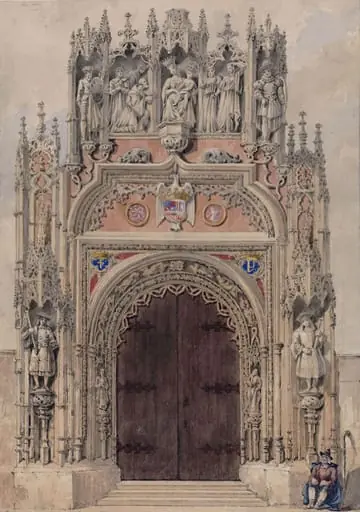 Entrance Gate of the Chapel of Ferdinand and Isabella in the Cathedral of Granada
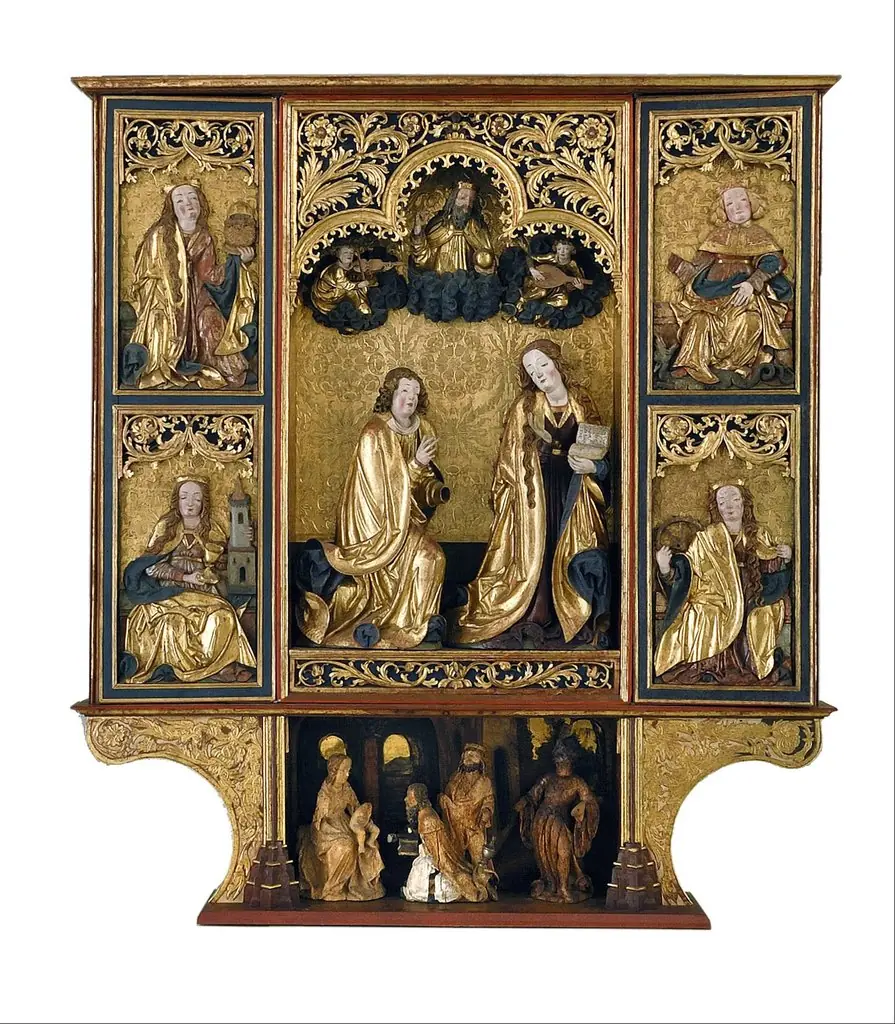 Altarpiece of the Annunciation from Kisszeben
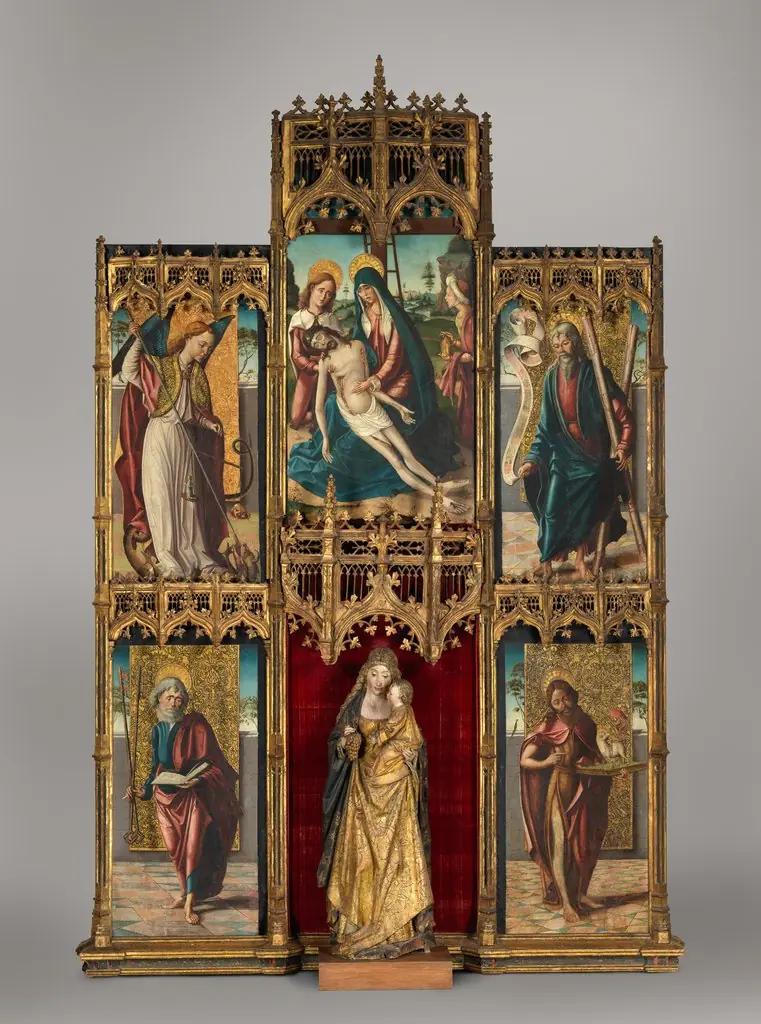 Virgin and Child with the Pietà and Saints
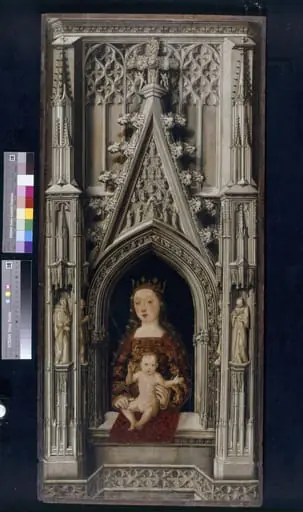 The Virgin and Child in a Gothic architectural setting
 Choir aisle in Amiens Cathedral
 St. Gatiens, Tours
 Untitled
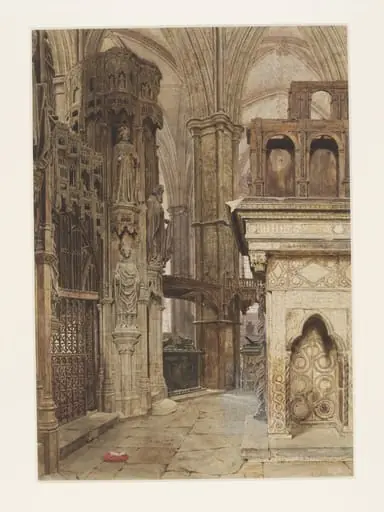 The East End of Edward the Confessor's Chapel and Tomb, As They Now Stand
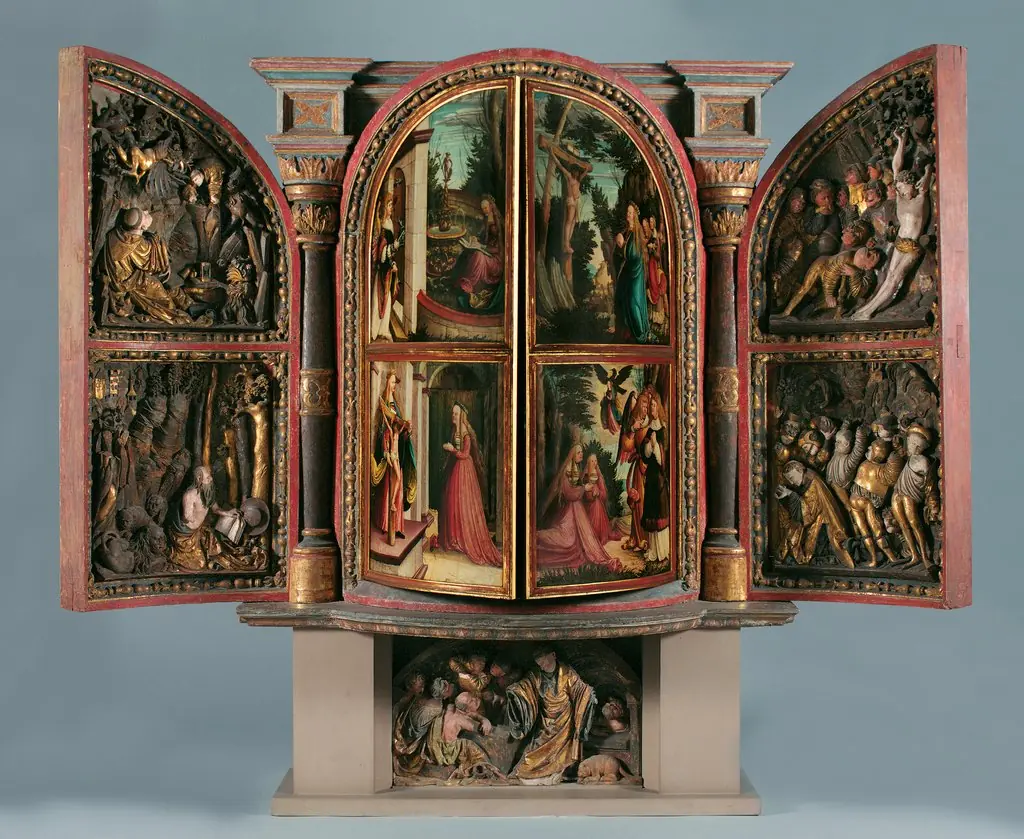 Flügelaltar der Donauschule