Artwork
Altarpiece of the Annunciation from Kisszeben
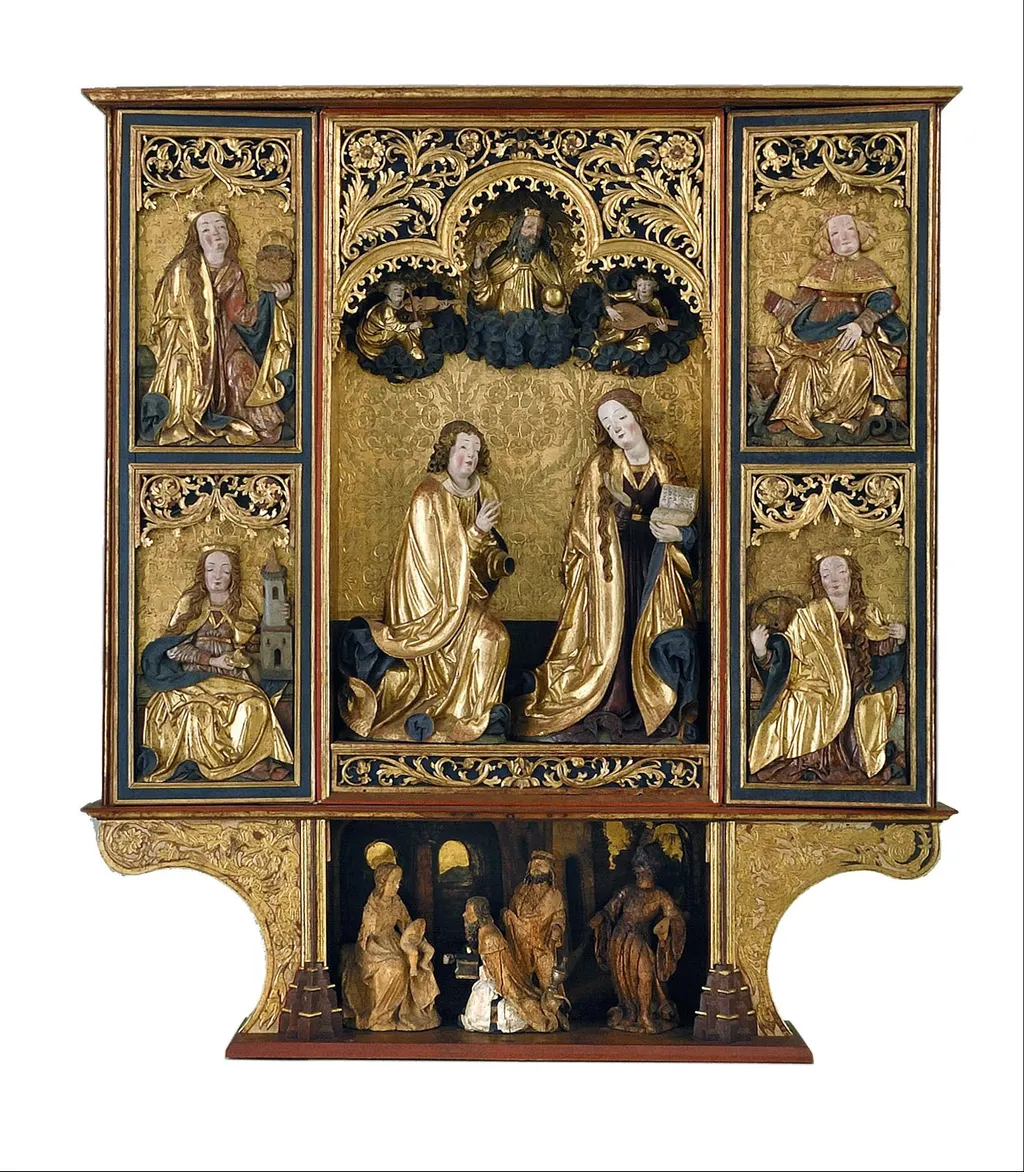
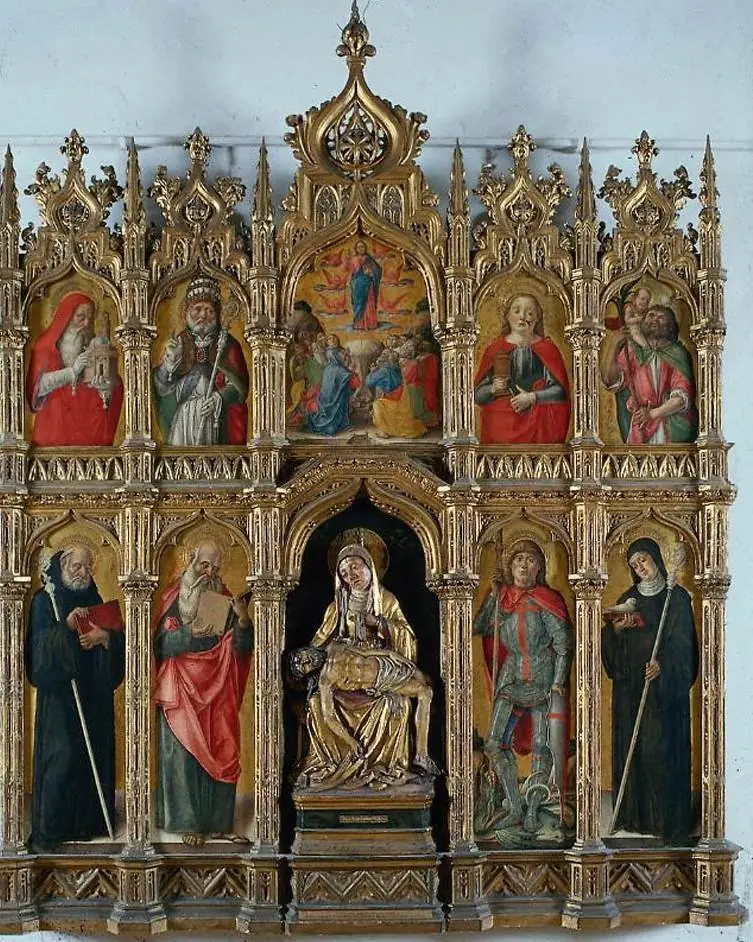
Altarpiece of the Annunciation from Kisszeben is an unspecified painting by the Northern Renaissance artist Unknown. It dates from 1520 and is held in the collection of the Hungarian National Gallery. This multi-panel altarpiece originates from Kisszeben and dates to the late medieval period.
About this work
Overview
Designed for liturgical use, it features a central narrative flanked by subsidiary scenes and figures.
This multi-panel altarpiece originates from Kisszeben and dates to the late medieval period. Designed for liturgical use, it features a central narrative flanked by subsidiary scenes and figures. The extensive use of gold leaf, intricate patterning, and refined figural detail indicate it was commissioned for a significant ecclesiastical setting, reflecting both devotional purpose and artisanal prestige.
Subject & Meaning
The central panel portrays the Annunciation: the kneeling figure, likely the Virgin Mary, holds a book as a symbol of her piety, while the standing figure, the Archangel Gabriel, presents a lily representing purity. Their gold robes signify divine presence. Surrounding saints and angels in the side panels reinforce themes of heavenly intercession, while the lower register may depict a related biblical event, grounding the sacred moment in a broader theological narrative.
Technique & Style
The painting employs tempera and gold leaf on wood, with meticulous attention to textile patterns and halos rendered in fine tooling. The flat, hierarchical composition follows Byzantine conventions, yet the delicate floral motifs in the background and subtle modeling of faces suggest regional Gothic influences. The limited palette—dominated by gold, with accents of ultramarine blue and earth tones—enhances the sacred atmosphere without naturalistic distraction.
History & Provenance
Created in the late 14th or early 15th century in the Kingdom of Hungary, the altarpiece likely adorned an altar in a parish church or monastic chapel in Kisszeben. Its survival through centuries of political and religious change suggests it was preserved due to local veneration. Documentation of its early placement is sparse, but stylistic analysis aligns it with workshops active in Transylvanian ecclesiastical centers of the period.
Context
This work emerged during a time when Hungarian churches sought to align with broader Central European devotional trends, blending Byzantine iconography with Western Gothic detail. The emphasis on gold and hierarchical composition reflects the liturgical emphasis on divine majesty. Such altarpieces served not only as visual aids for worship but also as affirmations of institutional authority and communal faith in a region shaped by both Latin and Orthodox traditions.
Legacy
Though no longer in its original setting, the altarpiece remains a key example of late medieval Hungarian religious art. Its preservation offers insight into regional craftsmanship and devotional practices. Scholars value it for its synthesis of iconographic traditions and its testimony to the material culture of faith in a frontier region of Christendom, where artistic expression served both spiritual and communal identity.
Artist & collection

 Domestic Scene
 Giacomo and Cardinal Marco, investing Andrea, Abbot of San Zeno, with his Benefice
 The Nymph of Fontainebleau
 Portrait of a Woman
 Madonna and Child with Saints in the Enclosed Garden
 Venus and Minerva
 Family Group of Four on Sofa
 Wall painting from Room H of the Villa of P. Fannius Synistor at Boscoreale
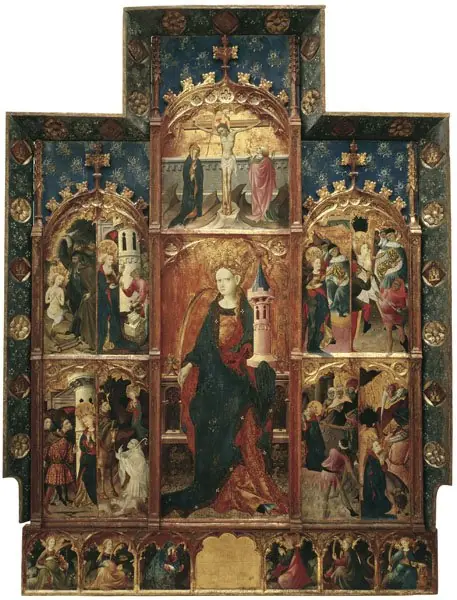 Altarpiece of Saint Barbara
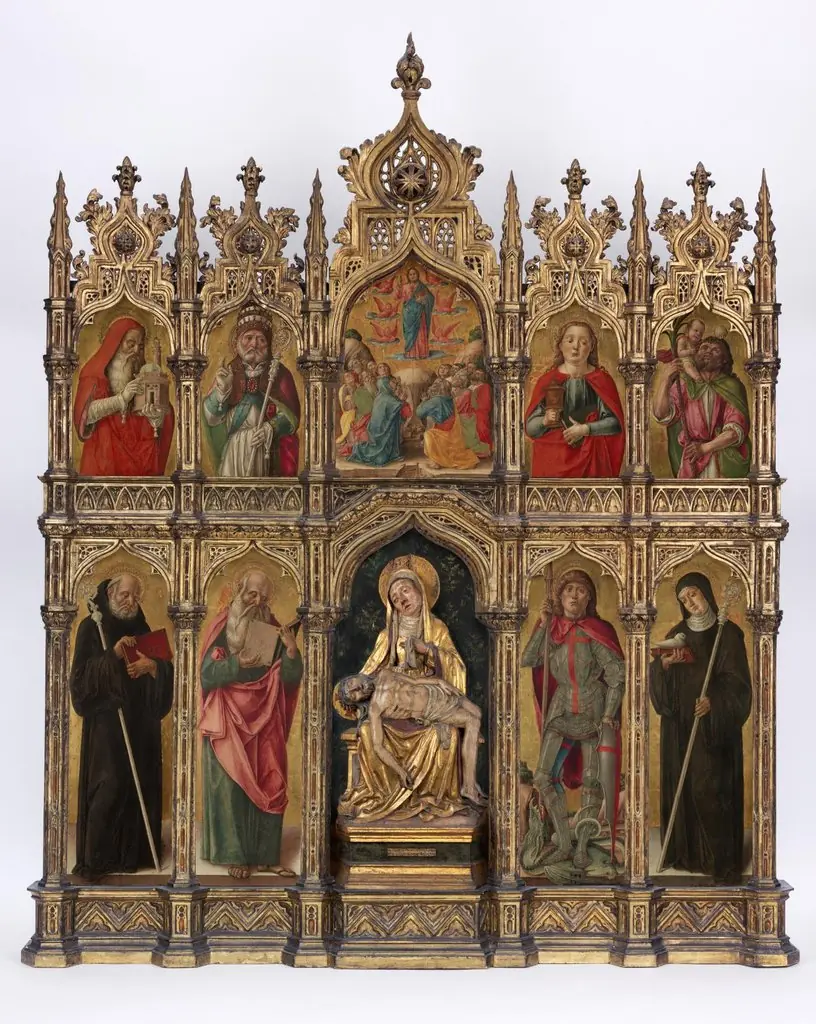 Arbe Polyptich
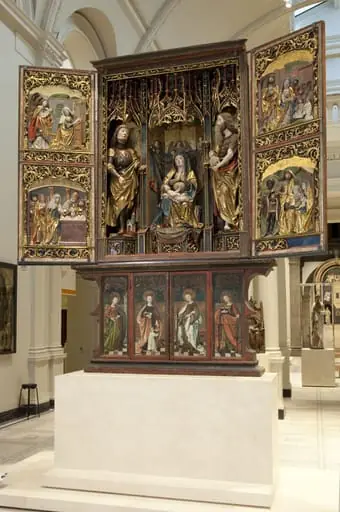 Winged Altarpiece
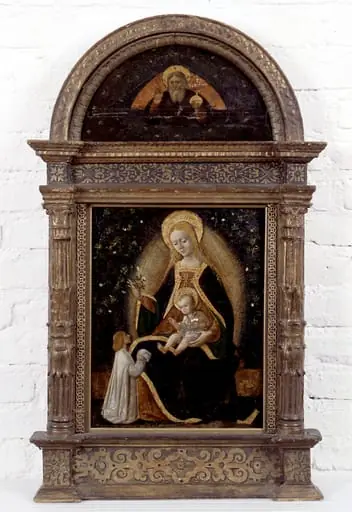 Neitsyt Maria, Jeesus-lapsi ja lahjoittaja
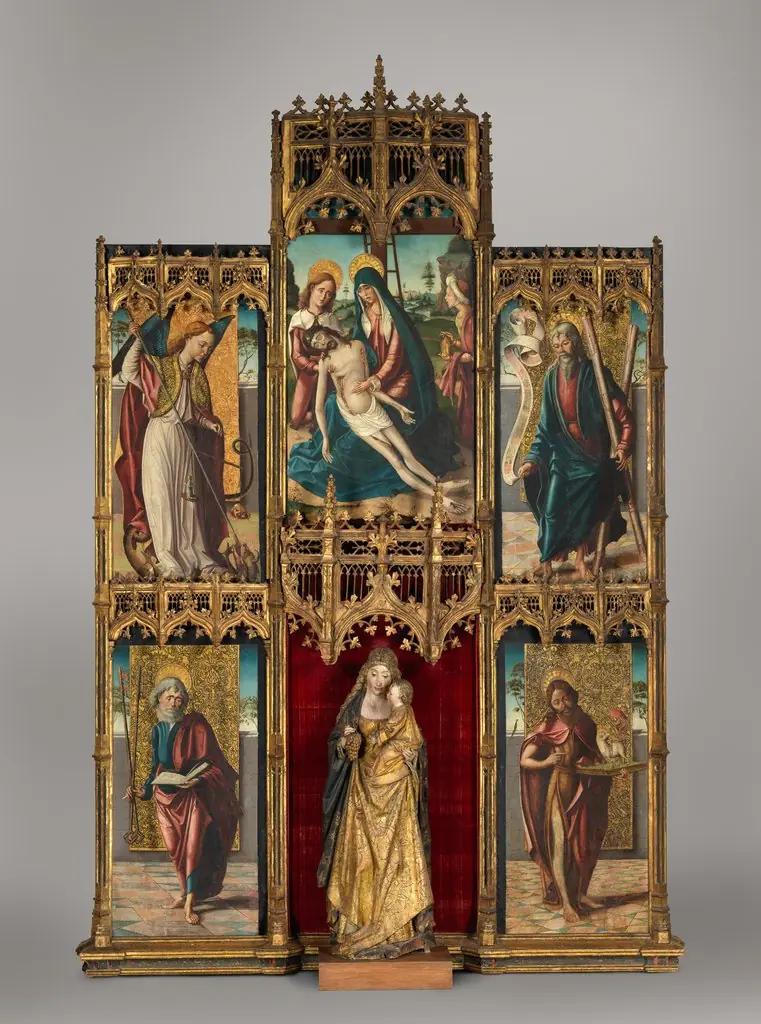 Virgin and Child with the Pietà and Saints
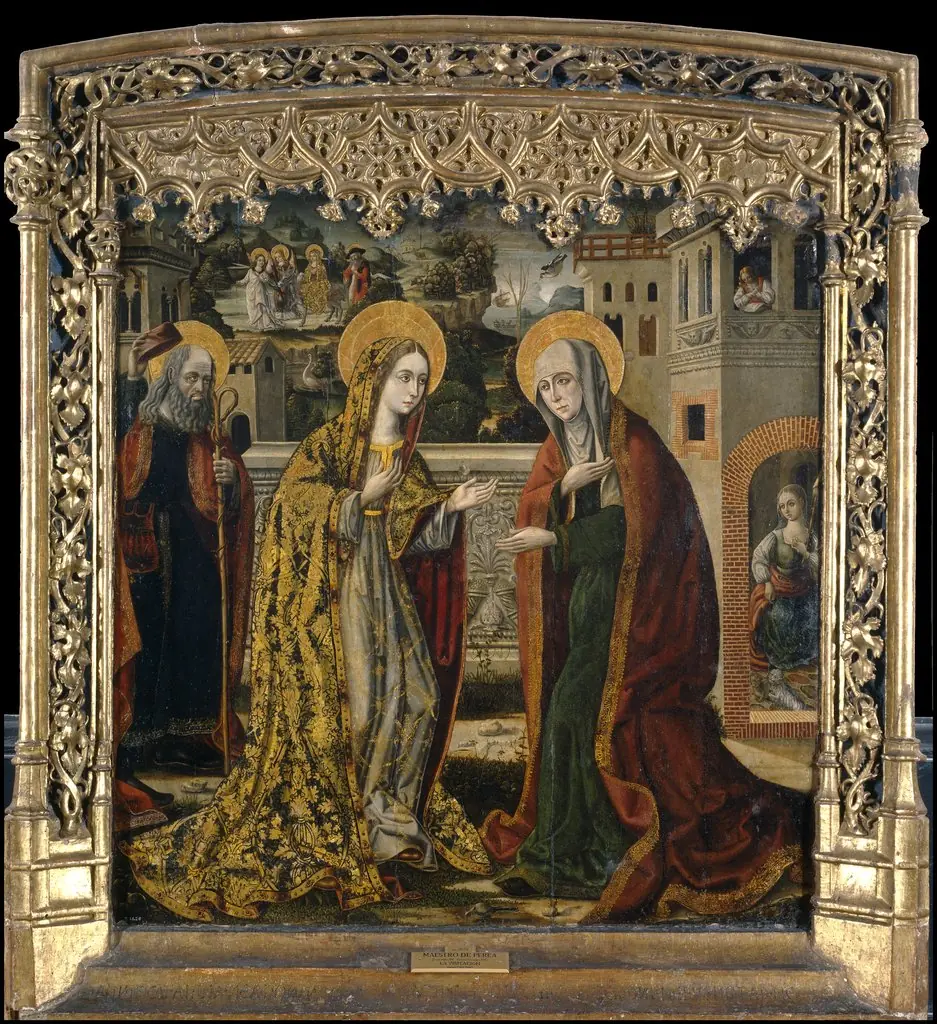 The Visitation
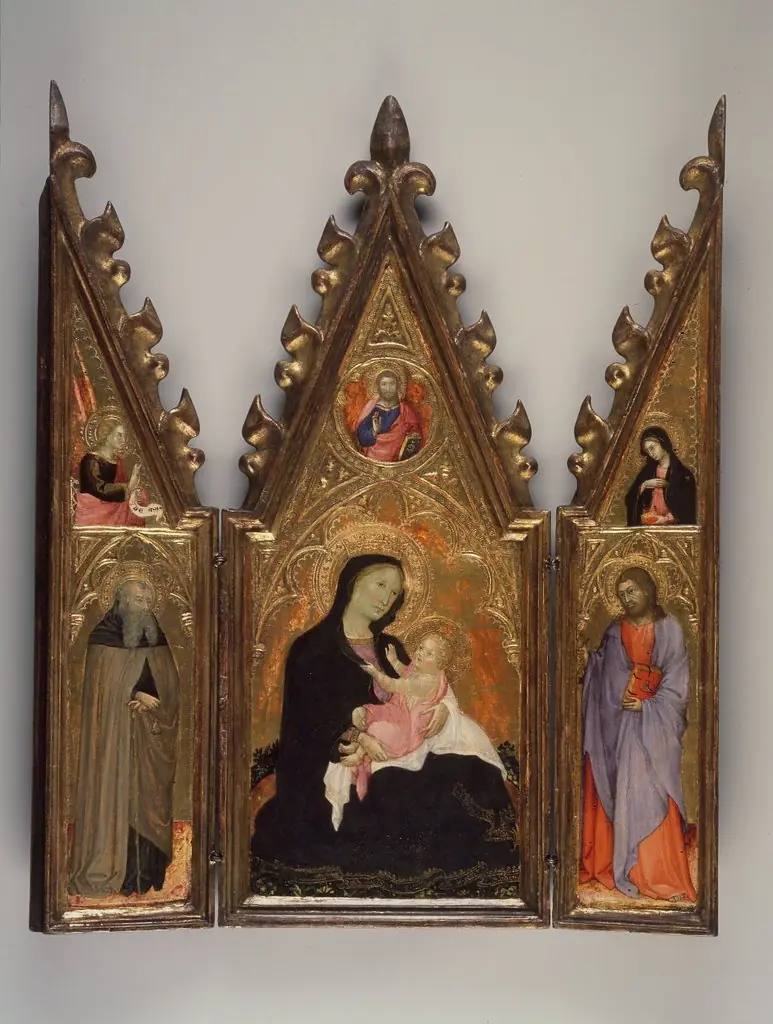 Madonna of Humility, portable altarpiece
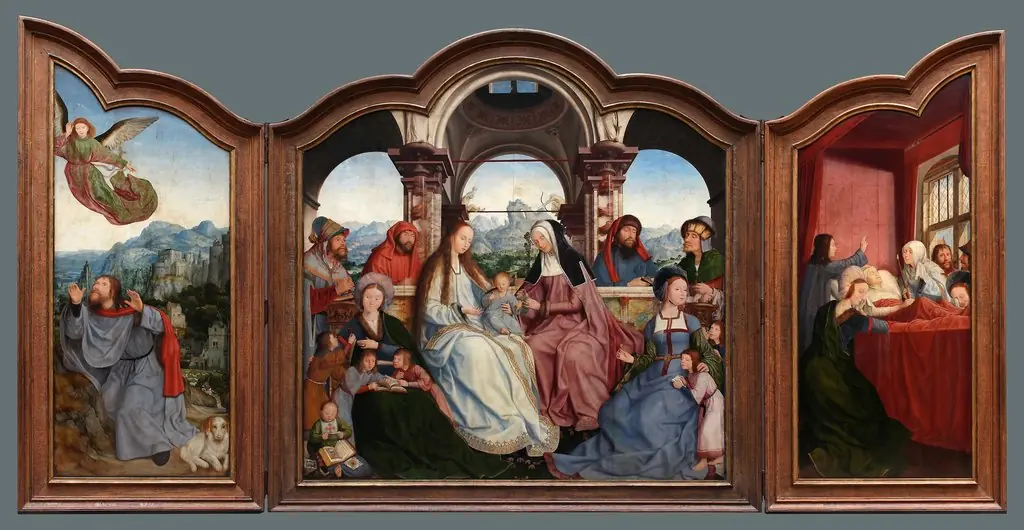 St Anne Altarpiece
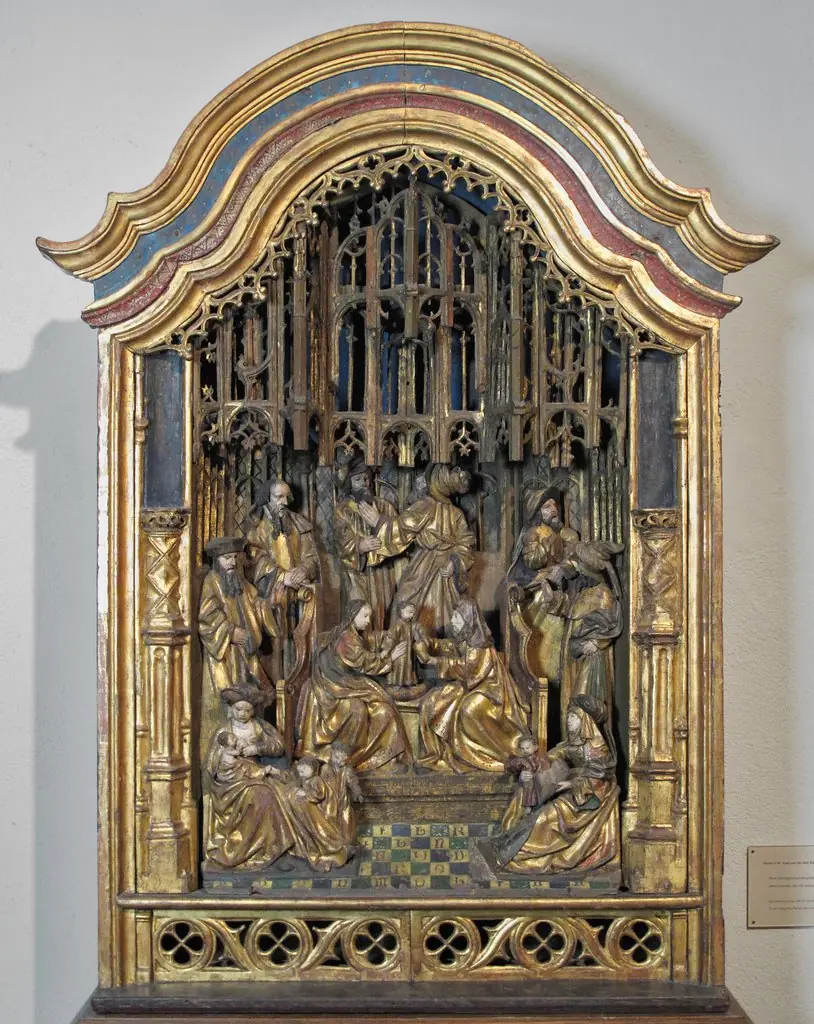 Shrine of Saint Anne and the Holy Kinship
 The Swansea Altarpiece
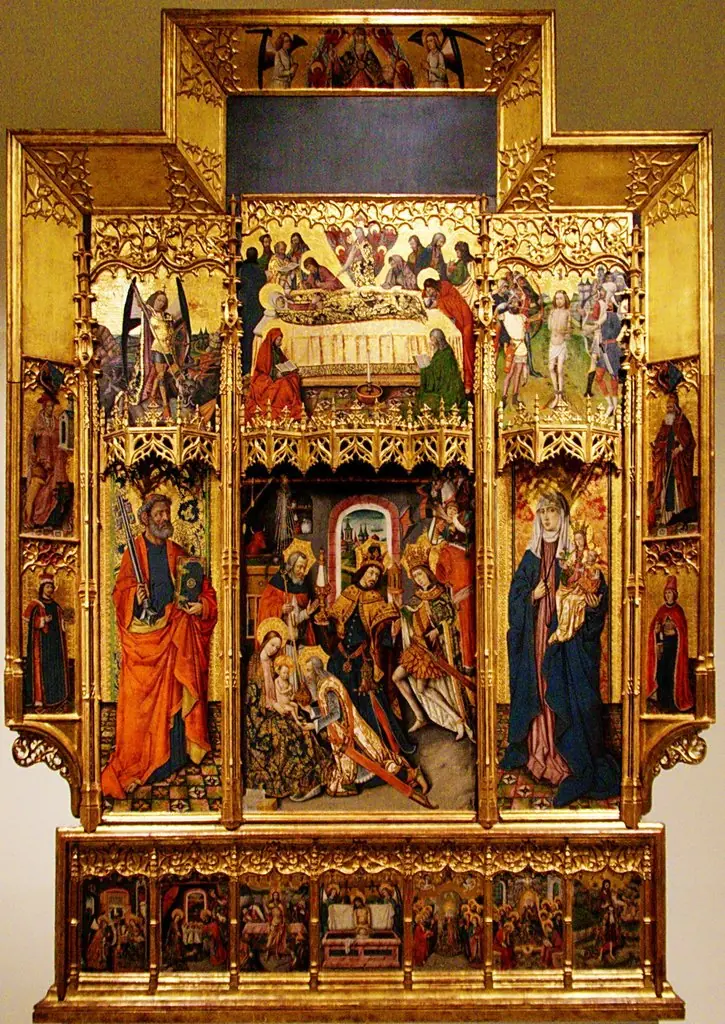 Retablo de la Epifanía
 Virgin and the Dead Christ with the Ascension and Saints