Artwork
Immaculata
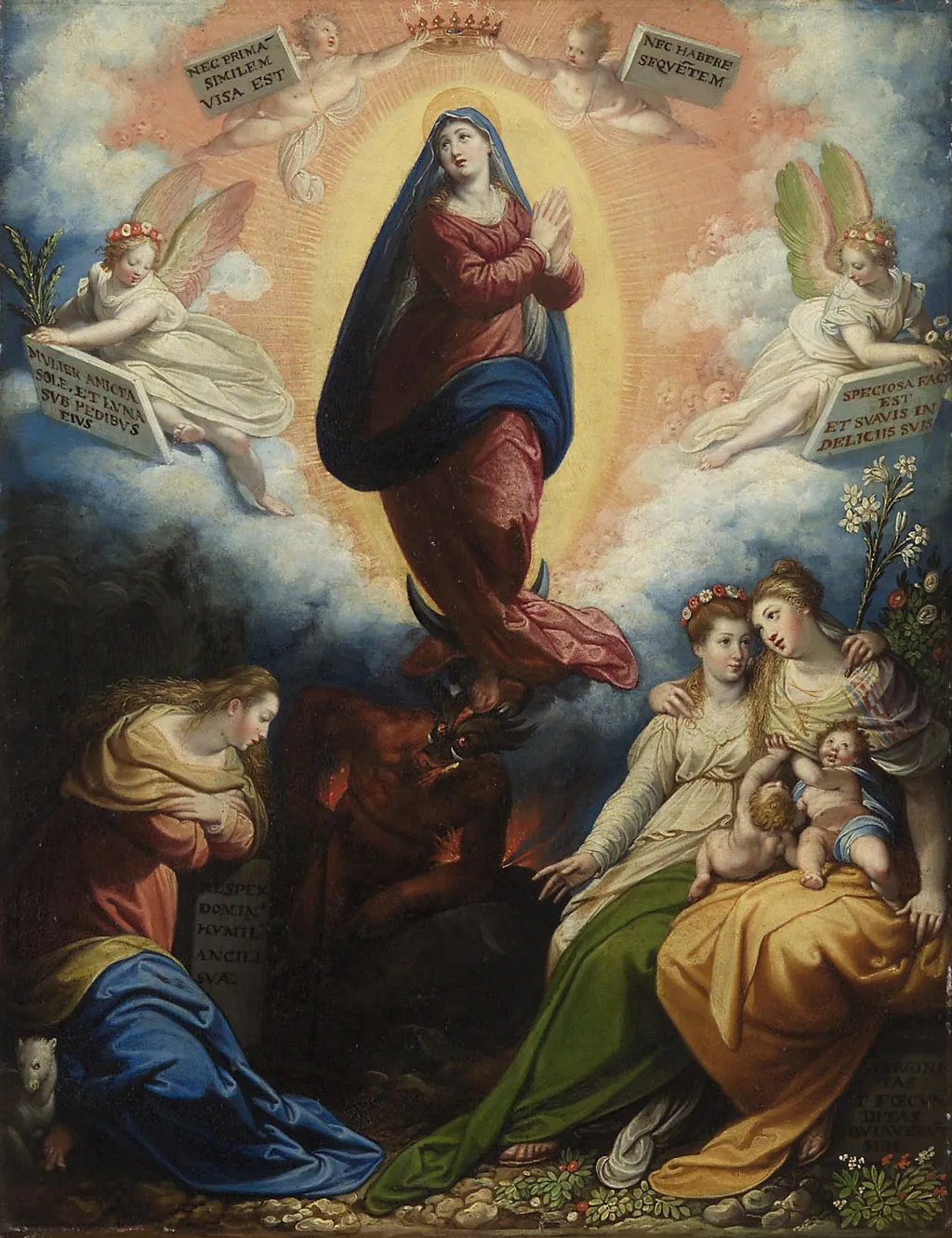
Immaculata is an unspecified painting by the Mannerist artist Jacopo Zucchi. It dates from 1594 and is held in the collection of the Kunsthistorisches Museum.
About this work
Overview
Painted in 1594 by Jacopo Zucchi, an artist trained in Giorgio Vasari’s Florentine workshop, *Immaculata* is a devotional work rooted in the Mannerist style.
Painted in 1594 by Jacopo Zucchi, an artist trained in Giorgio Vasari’s Florentine workshop, *Immaculata* is a devotional work rooted in the Mannerist style. Zucchi, active in both Florence and Rome, participated in significant courtly and ecclesiastical decoration projects. The painting entered the Kunsthistorisches Museum’s collection and reflects the religious visual language favored in late 16th-century Catholic Europe, particularly in contexts tied to Medici patronage.
Subject & Meaning
The Virgin Mary is depicted as the Immaculate Conception, elevated in prayer beneath divine light, her posture emphasizing purity and intercession. Surrounding angels hold inscribed banners, reinforcing doctrinal themes of her sinless nature. In the foreground, a woman with a child may represent the Church or a devotee, anchoring the celestial scene in earthly devotion. The composition aligns with Counter-Reformation ideals, promoting Marian veneration as a spiritual anchor.
Technique & Style
Zucchi employs elongated forms and refined contours typical of Mannerism, with figures arranged in a hierarchical, almost sculptural manner. The palette centers on rich reds, deep blues, and luminous golds, creating a sense of sacred opulence. Chiaroscuro is subtly used to model the Virgin’s drapery and the angels’ wings, while the cloudy sky behind her dissolves into radiant light, directing focus upward without dramatic contrast.
History & Provenance
Commissioned during Zucchi’s Roman period, the painting likely originated in a Medici-associated context, possibly for private devotion or a chapel. It was later acquired by the Habsburgs and entered the Kunsthistorisches Museum’s holdings, where it remains today. Its survival through centuries of political and religious change reflects its status as a respected devotional object rather than a mere decorative piece.
Context
Created during the height of the Counter-Reformation, *Immaculata* responds to the Church’s renewed emphasis on Marian doctrine following the Council of Trent. Similar images proliferated in Catholic territories as visual affirmations of faith. Zucchi’s training under Vasari and his involvement in grand decorative cycles positioned him to translate theological concepts into accessible, emotionally resonant imagery for elite patrons.
Legacy
Though not widely known today, Zucchi’s *Immaculata* exemplifies the quiet sophistication of late Mannerist religious painting. Its restrained elegance and doctrinal clarity distinguish it from more theatrical contemporaries. The work contributes to understanding how devotional art functioned within aristocratic circles, balancing spiritual gravity with refined aesthetic control.
Artist & collection
Artist
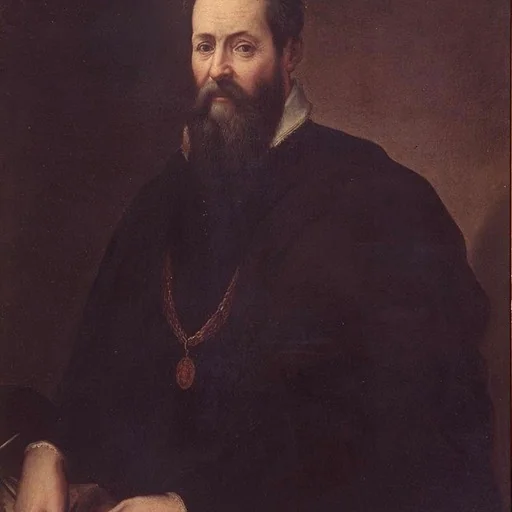
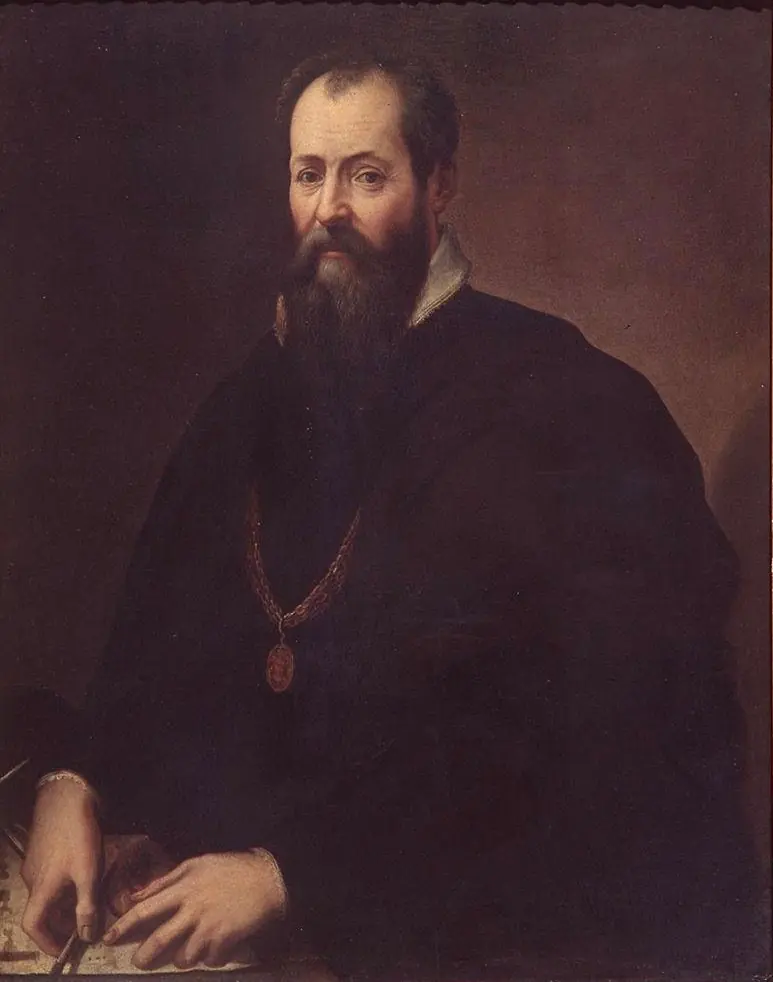
Jacopo Zucchi (c. 1541– c. 1590) was a Florentine painter of the Mannerist style, active in Florence and Rome. His training began in the studio of Giorgio Vasari, and he participated in the decoration of the Studiolo…

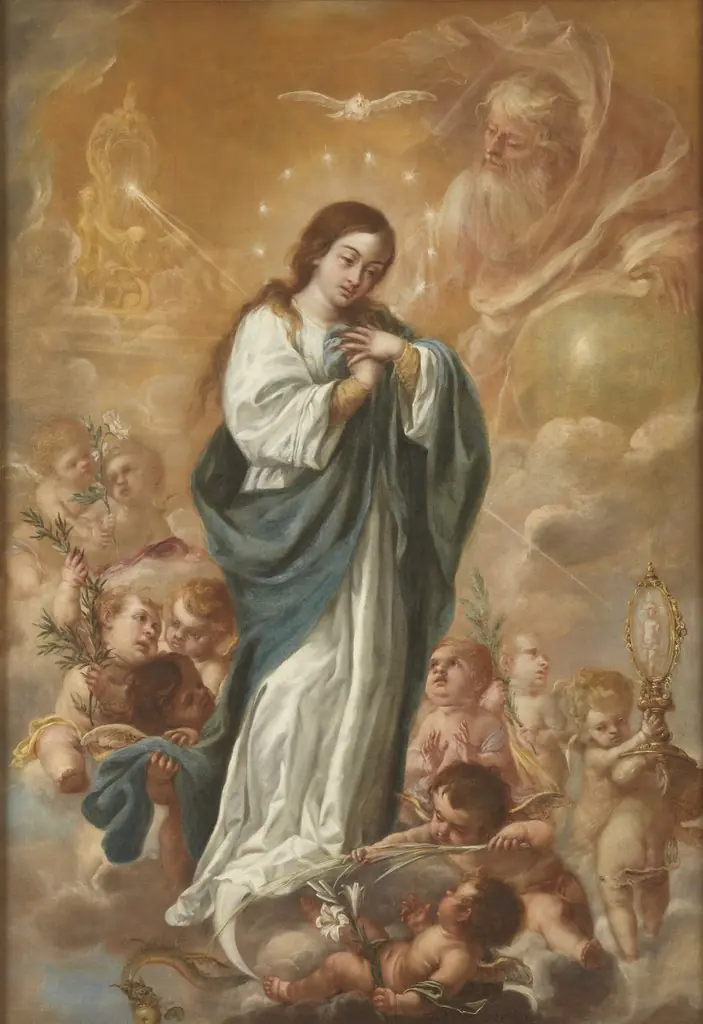 Immaculate Conception
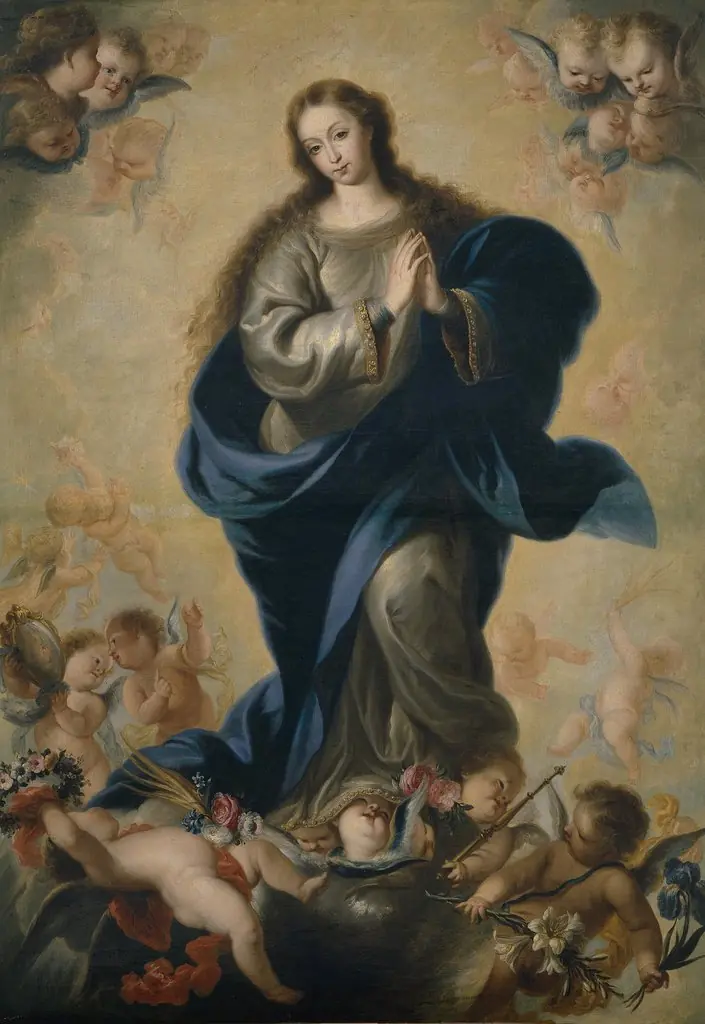 The Immaculate Conception
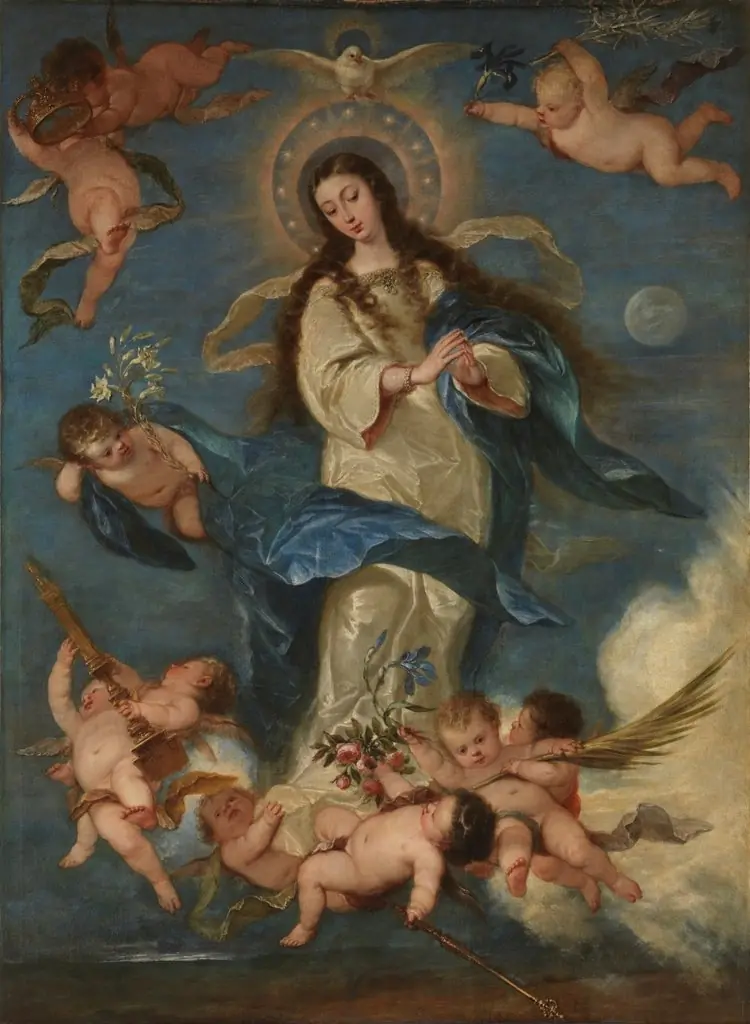 The Immaculate Conception
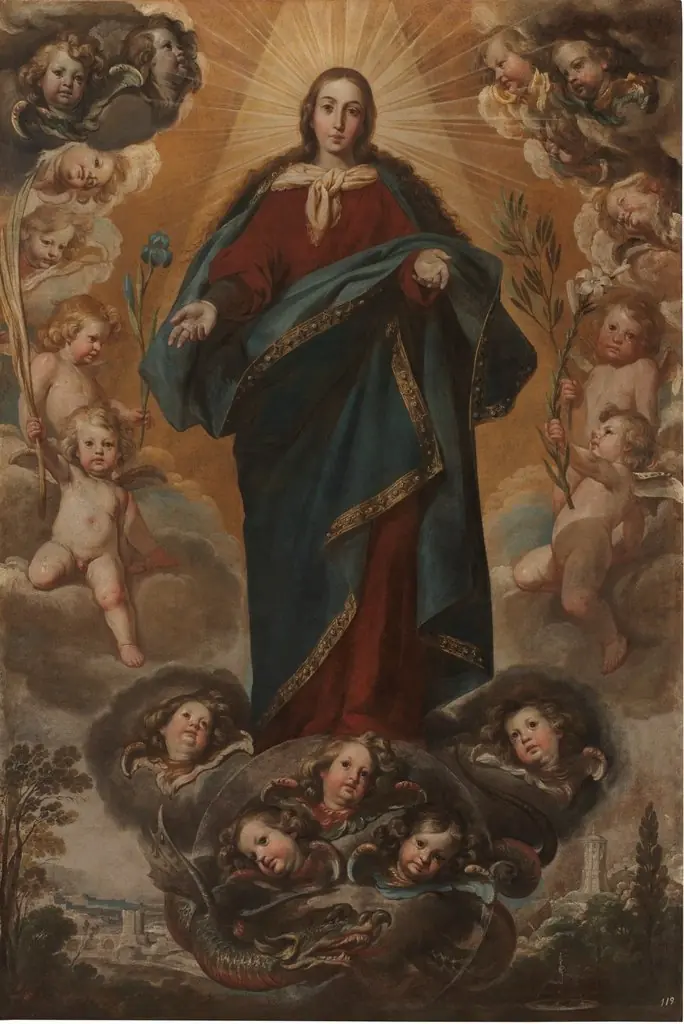 The Immaculate Conception
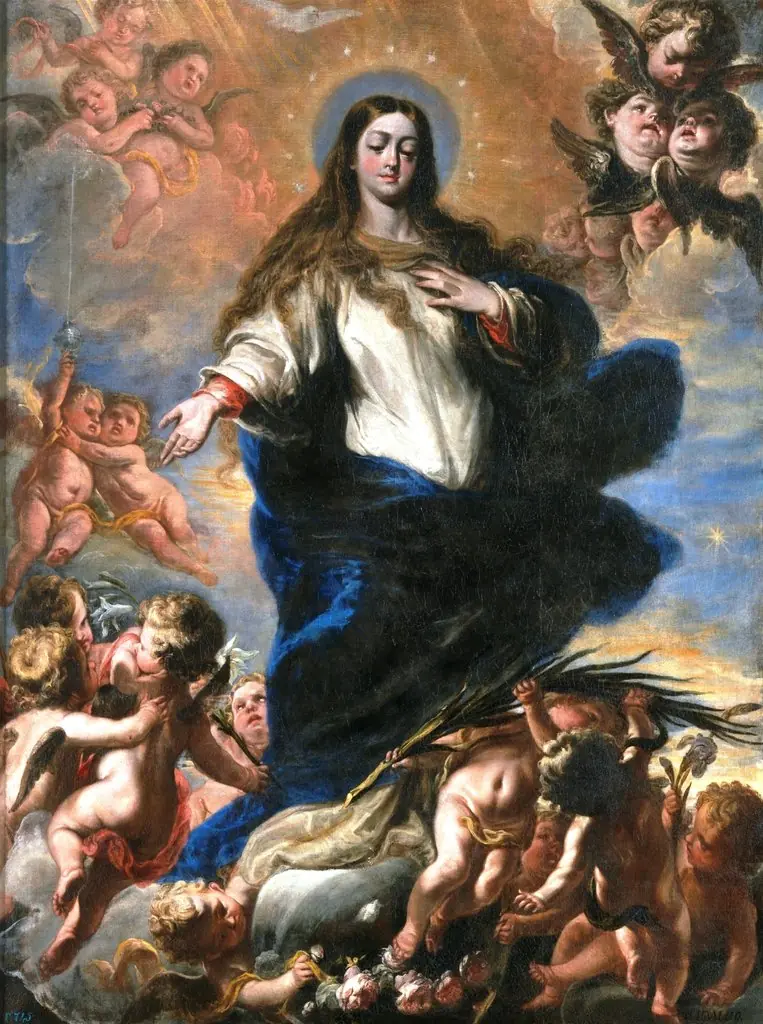 The Immaculate Conception
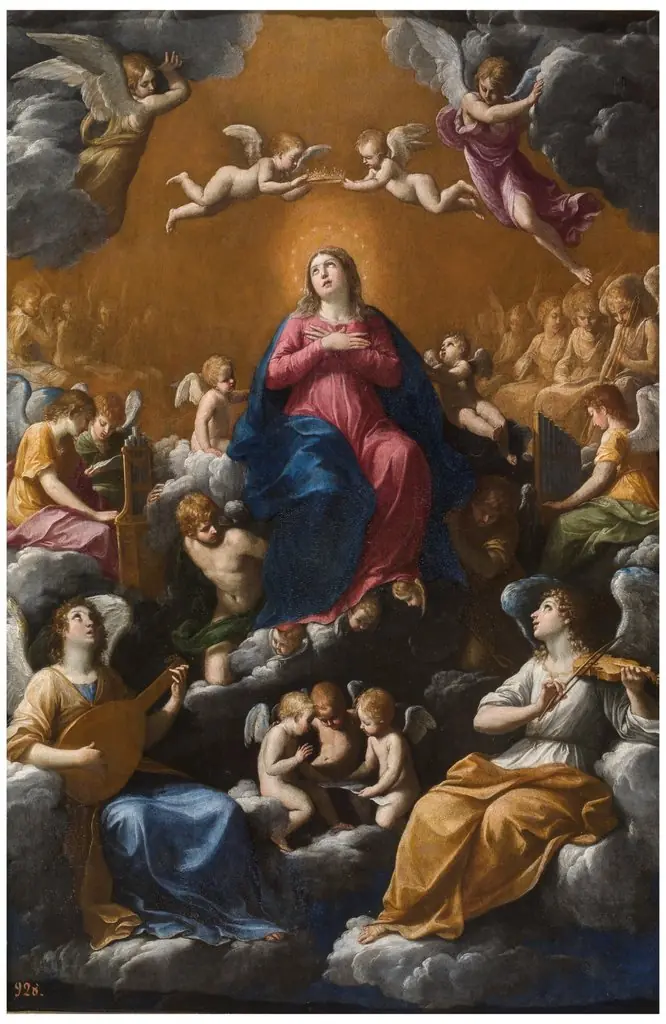 La Asunción y Coronación de la Virgen
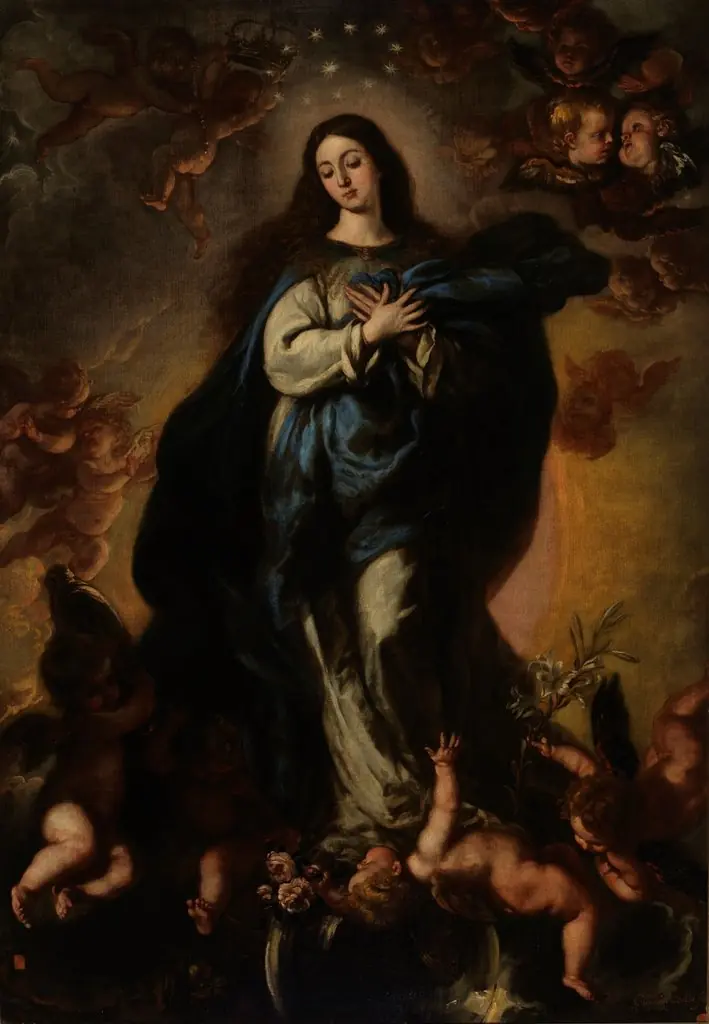 The Immaculate Conception
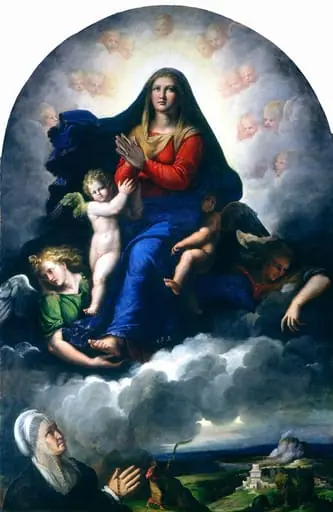 The Apparition of the Virgin
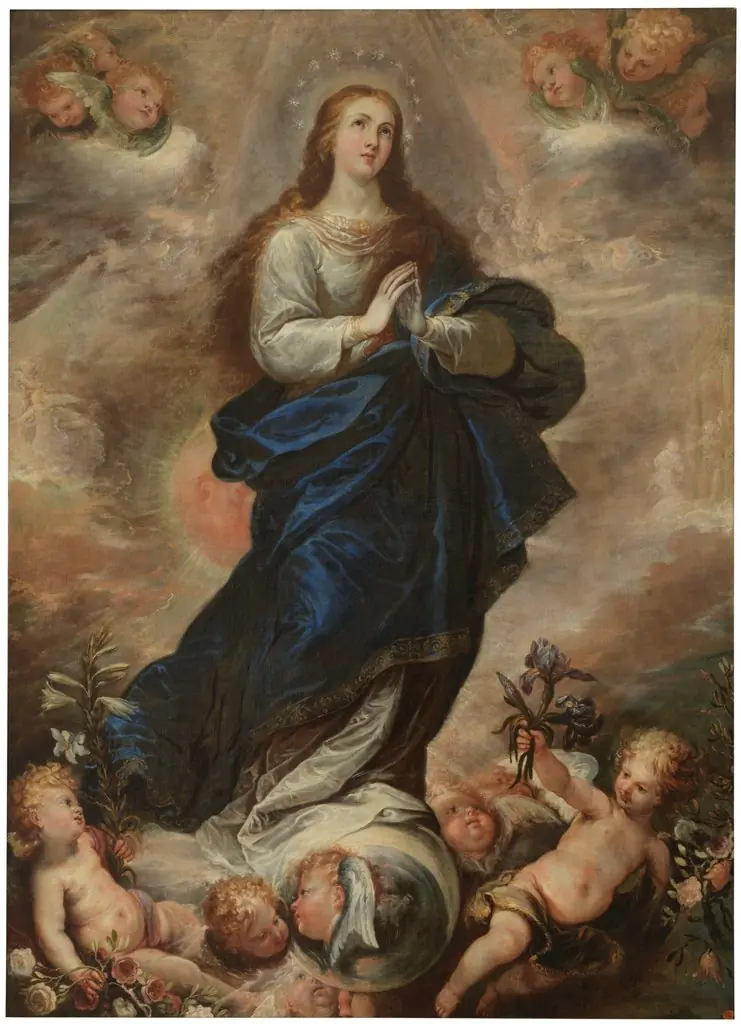 La Purísima Concepción
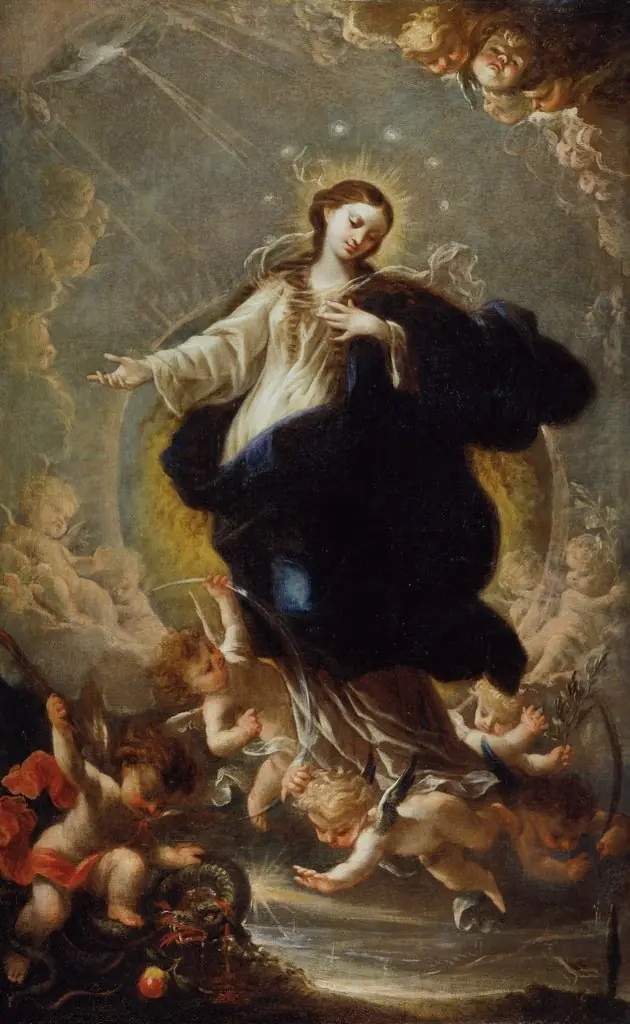 The Immaculate Conception
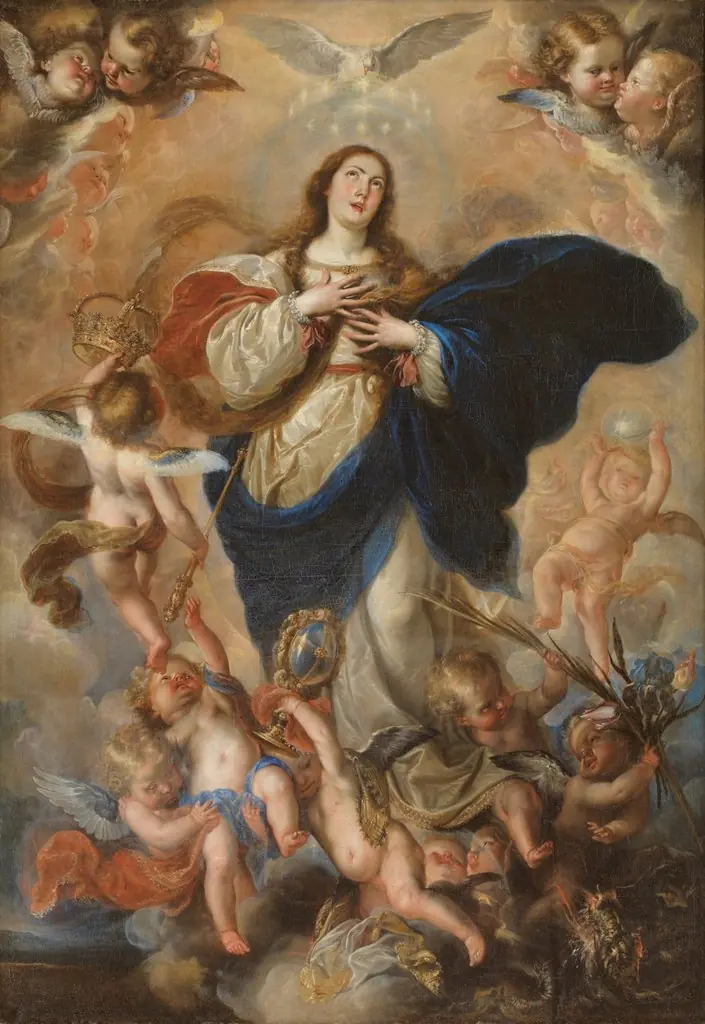 Immaculate Conception
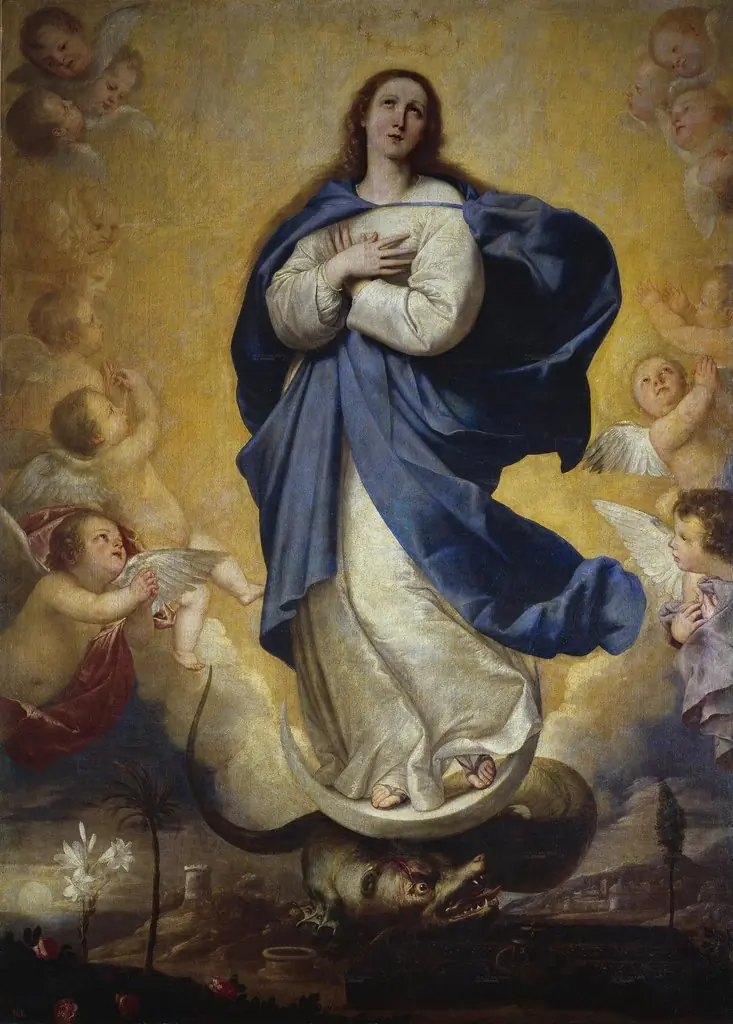 The Immaculate Conception