Artwork
The Anatomy Lesson
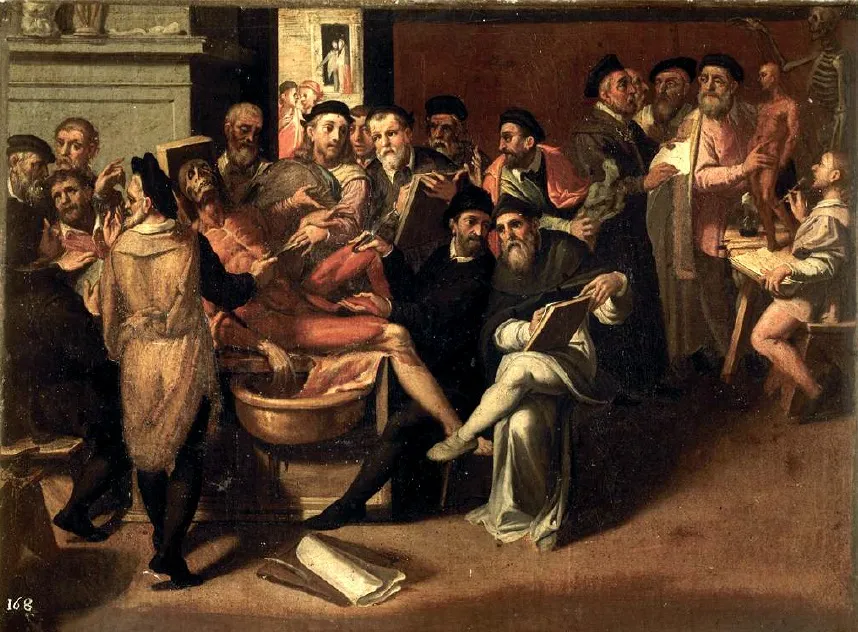
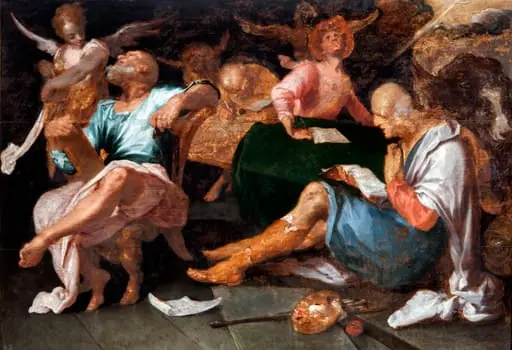
The Anatomy Lesson is an oil painting by the Mannerist artist Bartolomeo Passarotti. It dates from 1550 and is held in the collection of the Galleria Borghese.
About this work
Overview
Painted around 1550 by Bartolomeo Passarotti, this oil-on-canvas work depicts a group of men observing a dissection in a dim interior.
Painted around 1550 by Bartolomeo Passarotti, this oil-on-canvas work depicts a group of men observing a dissection in a dim interior. A central figure lies exposed on a table while others lean in, engaged in quiet study. The composition reflects the intellectual culture of Renaissance Bologna, where medical inquiry and artistic observation intersected. The painting is now held in the Galleria Borghese in Rome.
Subject & Meaning
The scene captures a moment of anatomical study, likely representing a public dissection—a rare and solemn event in 16th-century Europe. The men, dressed in period attire, appear as scholars or physicians, their focus directed toward the body on the table. The work conveys the era’s growing interest in empirical observation, blending scientific curiosity with the ritualized gravity of the occasion.
Technique & Style
Passarotti employs chiaroscuro to model forms and direct attention, with light falling sharply from the left to illuminate faces and the exposed torso while the surroundings recede into shadow. The figures are rendered with precise, somewhat stylized gestures, reflecting Mannerist tendencies toward controlled elegance rather than naturalism. The brushwork is restrained, emphasizing clarity over emotional intensity.
History & Provenance
Created in Bologna during Passarotti’s active years, the painting entered the Borghese collection in the early 17th century, likely through acquisition by Cardinal Scipione Borghese. Its presence in this prestigious Roman collection suggests early recognition of its intellectual and artistic merit, though it remained less prominent than contemporary works by more widely known figures.
Context
In mid-16th-century Italy, anatomical dissections were becoming formalized within university settings, particularly in Bologna, home to one of Europe’s oldest medical schools. Passarotti’s painting reflects this shift, portraying science not as spectacle but as a quiet, reverent practice. It aligns with a broader trend of artists documenting scholarly life, distinct from the theatricality of later Baroque treatments.
Legacy
Though not widely reproduced or studied today, the painting stands as an early example of medical subject matter in Italian painting, predating more famous anatomical scenes by decades. Its restrained tone and use of light anticipate the psychological depth found in later Baroque works, offering a quiet bridge between Mannerist formality and the emerging realism of the 17th century.
Artist & collection
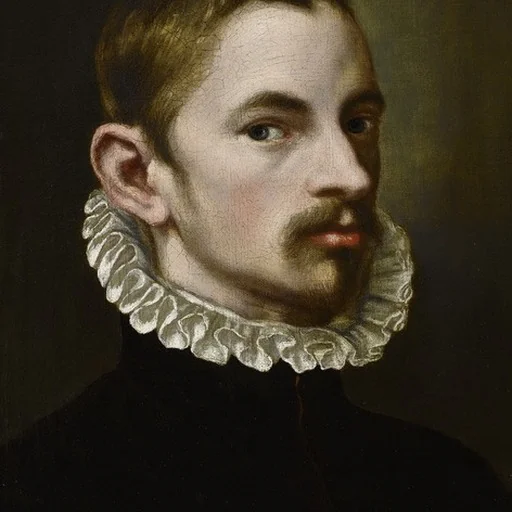
Artist
Bartolomeo Passarotti or Passerotti (1529–1592) was an Italian painter of the mannerist period, who worked mainly in his native Bologna. His family name is also spelled Passerotti or Passarotto.

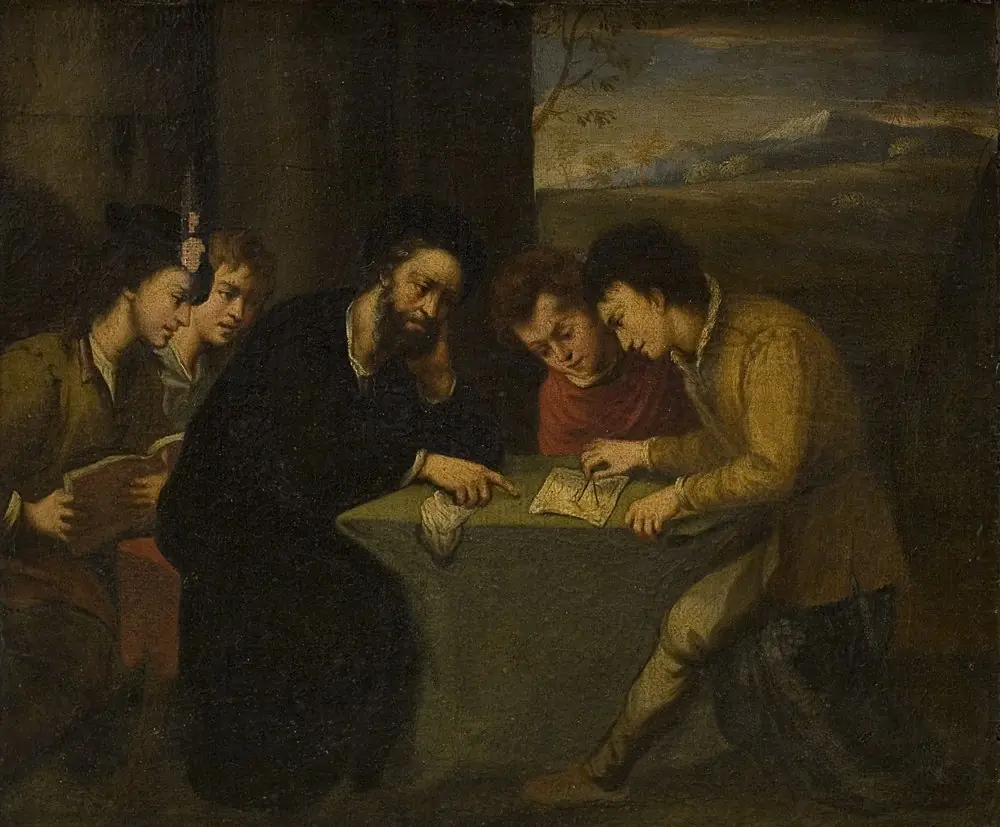 School Teaching, a Teacher with Four Pupils
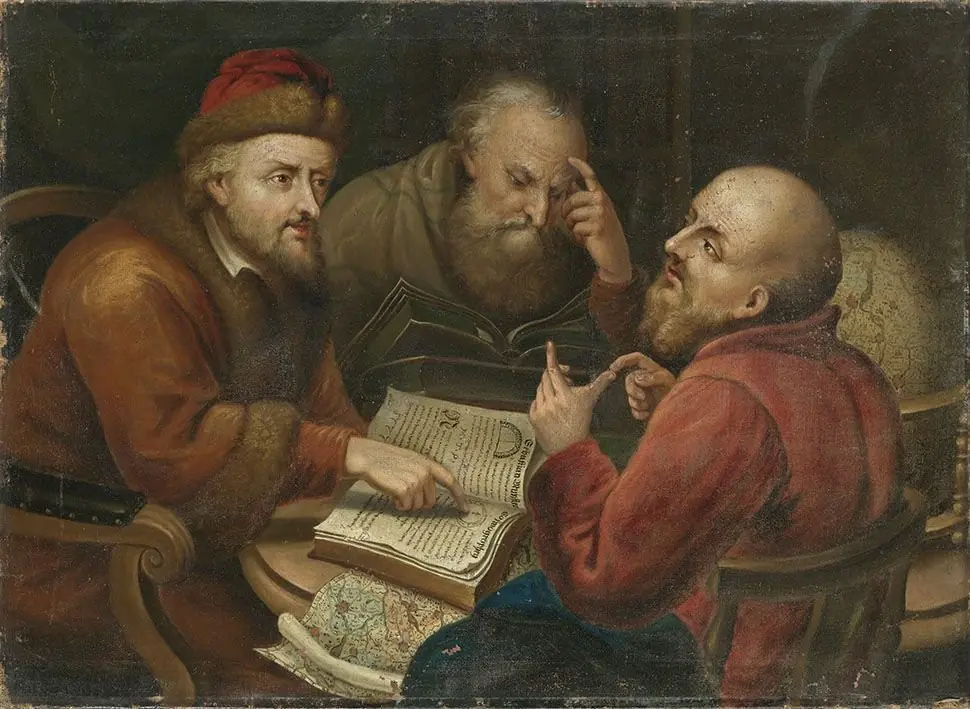 Drei Gelehrte
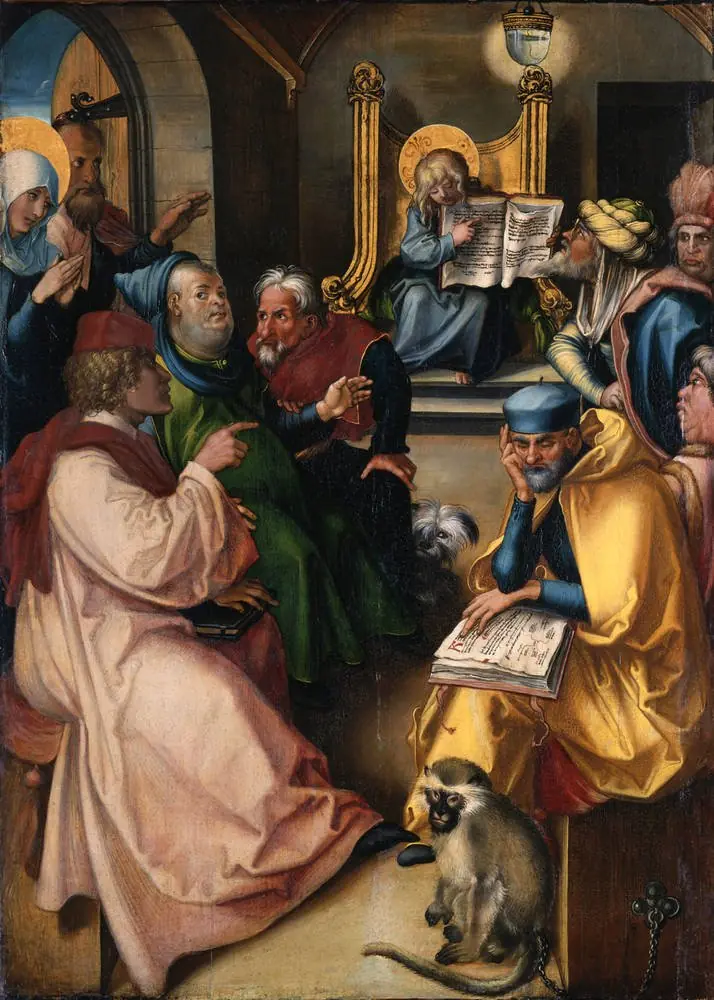 Seven Sorrows Polyptych: Christ among the Doctors
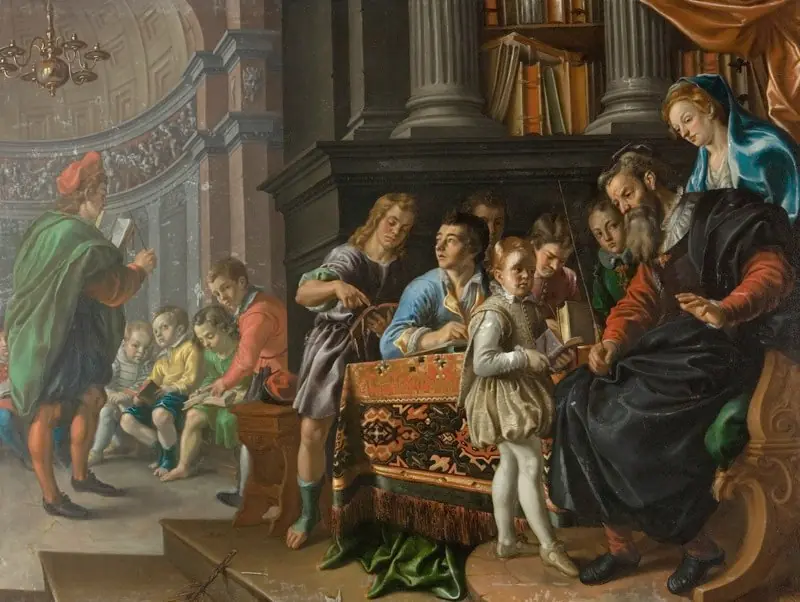 A Boys' School
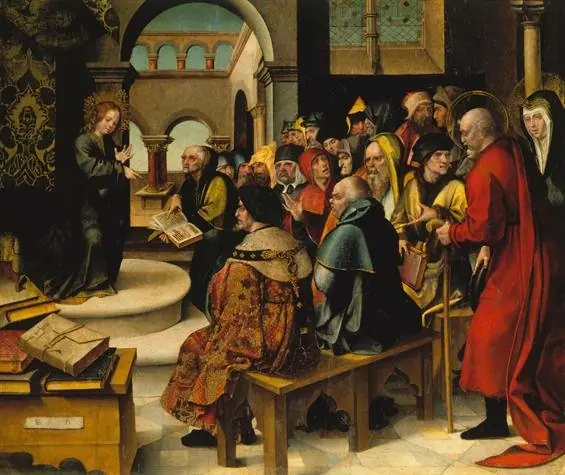 Jesus among the Doctors
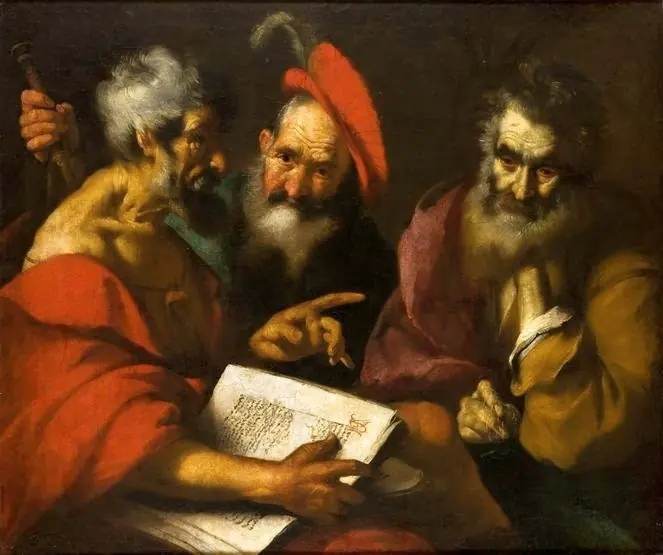 Dispute of the three wise men.
 Bathseba vor David
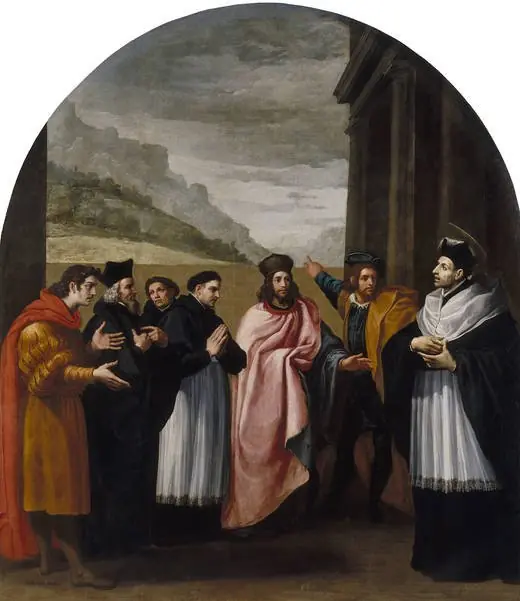 Saint Bruno and His Six Companions Withdraw from Active Life
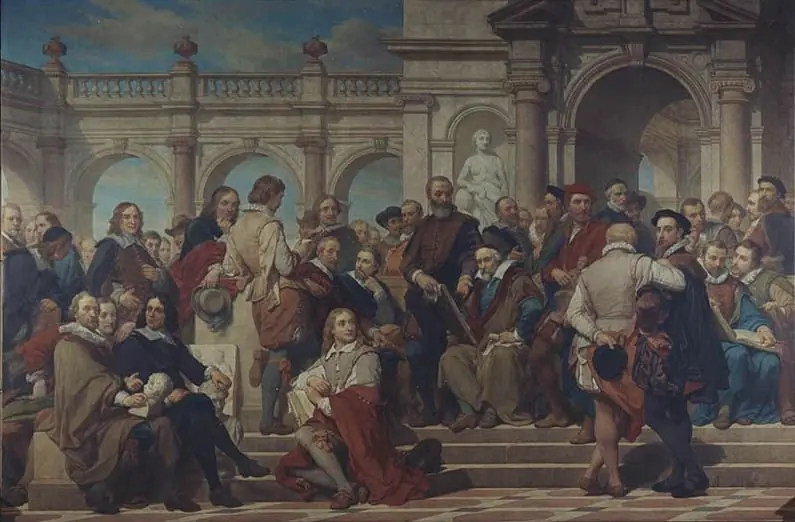 Painters and Sculptors
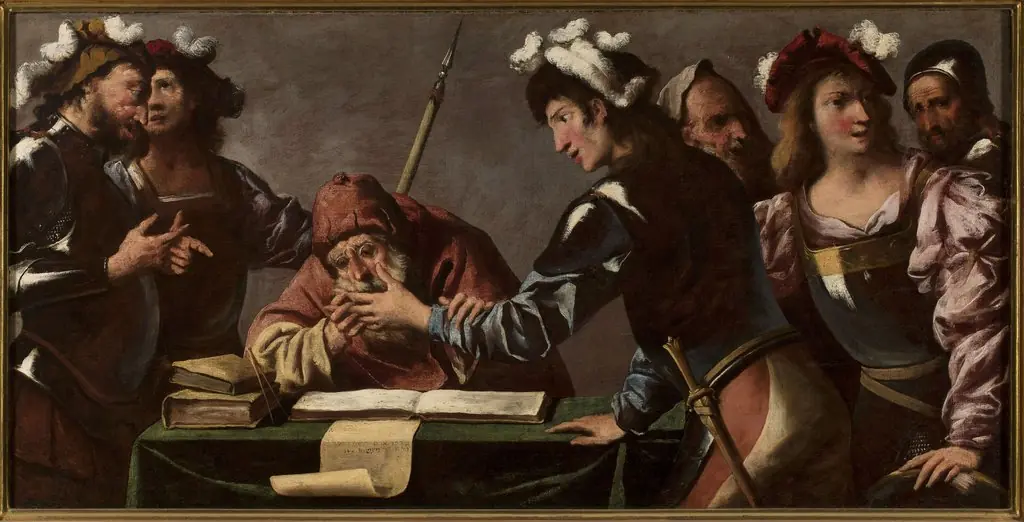 Chiromancer
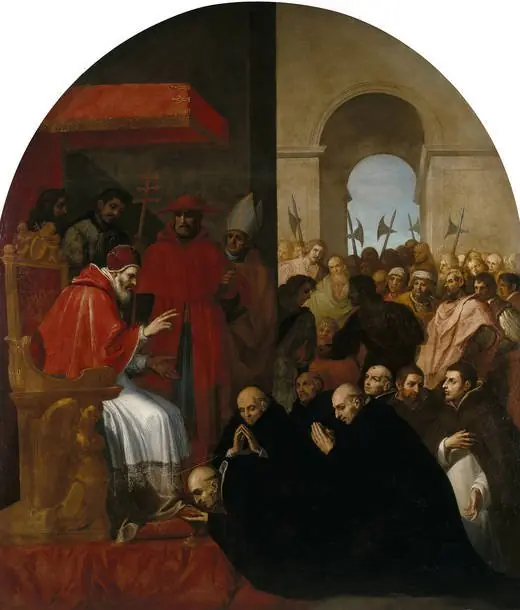 Saint Bruno and his Companions before Urban II
 Cei patru evangheliști