Artwork
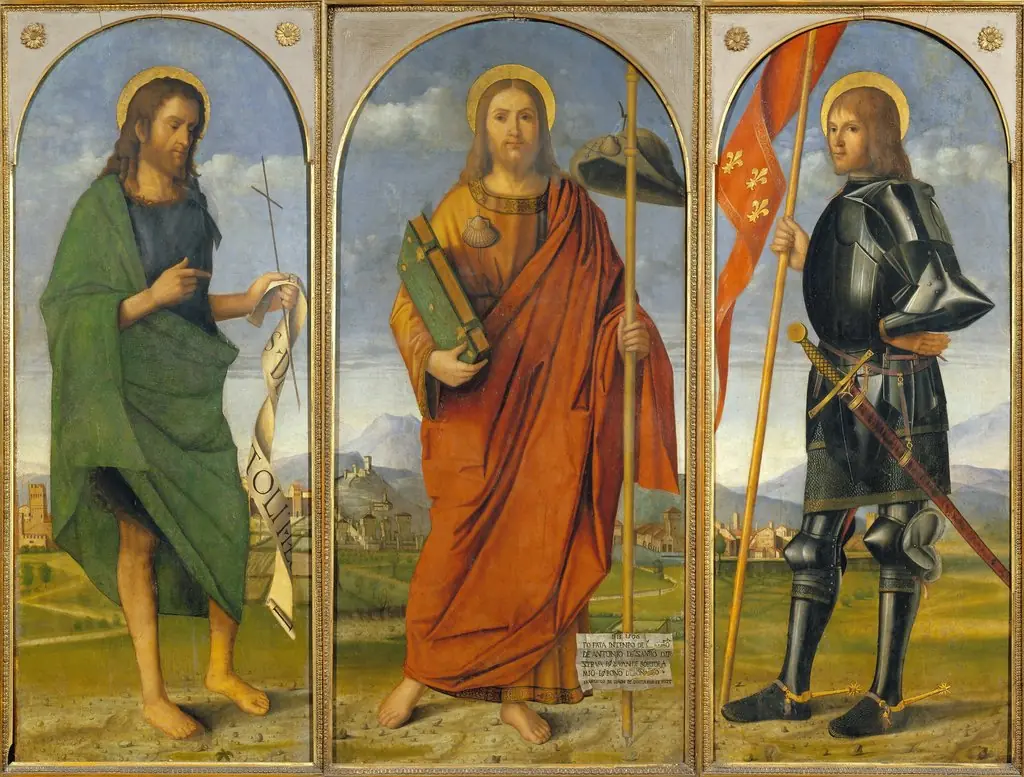
Polyptych of Torre Boldone
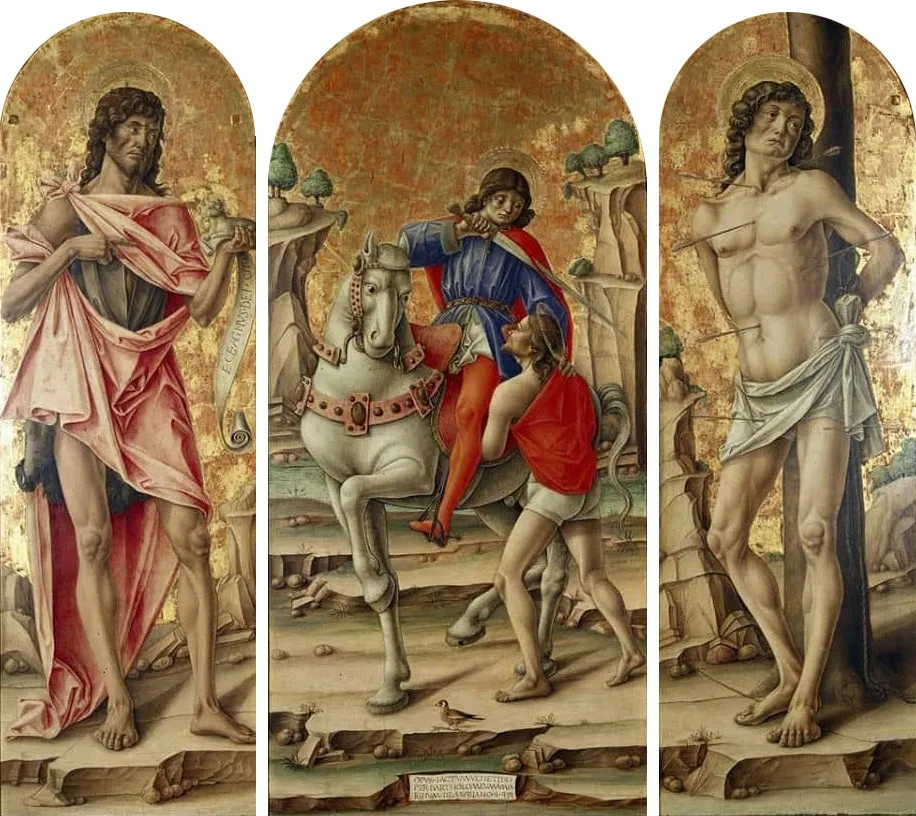
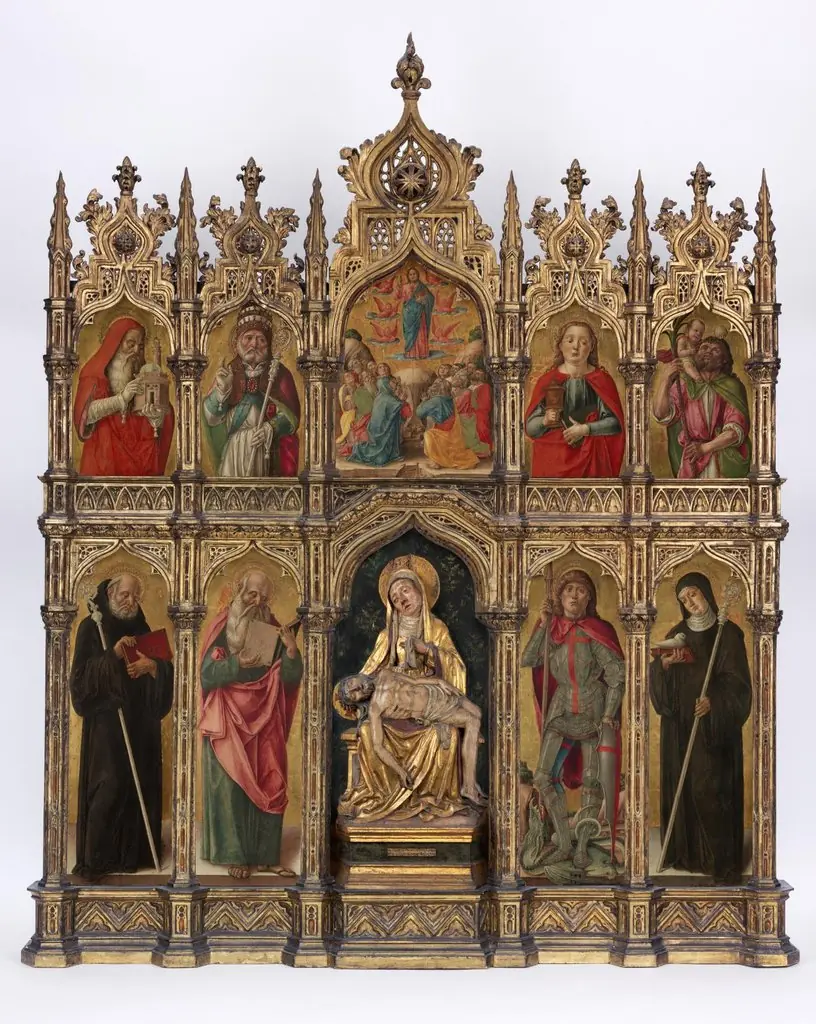
Polyptych of Torre Boldone is a tempera painting by Bartolomeo Vivarini. It dates from 1474 and is held in the collection of the Accademia Carrara.
About this work
Overview
Painted around 1474 by Bartolomeo Vivarini, the Polyptych of Torre Boldone is a three-panel tempera work on wood.
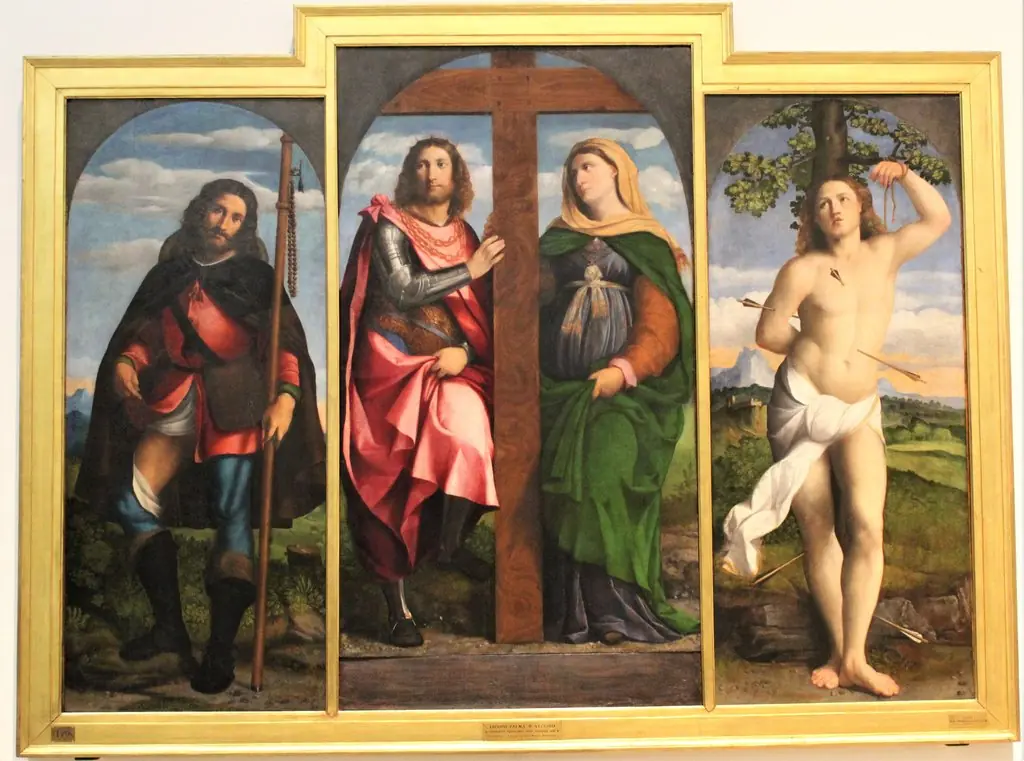
Painted around 1474 by Bartolomeo Vivarini, the Polyptych of Torre Boldone is a three-panel tempera work on wood. It resides in the Accademia Carrara collection in Bergamo, Italy. The composition follows a traditional polyptych structure, with each panel framed by a unified golden background that enhances the formal symmetry of the arrangement. Tempera’s fine, matte finish contributes to the quiet clarity of the figures and their surroundings.
Subject & Meaning
The panels depict three male figures, likely saints or donors, each isolated in their own space. The left panel shows a figure holding a scroll, suggesting scholarly or prophetic authority. The central panel presents a mounted figure, possibly a saint or noble patron, accompanied by a standing companion. The right panel features a figure draped in white, near a tree, evoking contemplation or asceticism. The absence of narrative context invites interpretation as devotional or commemorative.
Technique & Style
Vivarini employed tempera pigment mixed with egg yolk, allowing for precise, luminous detail. The figures are rendered with restrained modeling and clear outlines, typical of late Gothic influences still present in Venetian painting of the period. The golden background, subtly textured, lacks perspective depth, reinforcing a hierarchical, sacred space rather than a naturalistic one. Each panel is balanced and static, emphasizing order over movement.
History & Provenance
The polyptych was originally created for the church of San Giovanni Battista in Torre Boldone, a village near Bergamo. It was later moved to the Accademia Carrara, where it entered the public collection in the 19th century. Its survival in relatively intact condition is uncommon for works of this era, as many polyptychs were dismantled or damaged during later iconoclastic periods.
Context
Created during the transition from Gothic to Renaissance styles in northern Italy, the work reflects regional conventions over emerging humanist ideals. Vivarini, trained in Venice, maintained a conservative approach, favoring clarity and devotional focus over spatial innovation. Similar polyptychs were common in Lombard and Venetian churches, serving as altarpieces for local communities seeking spiritual intercession.
Legacy
The Polyptych of Torre Boldone exemplifies the persistence of medieval compositional principles in 15th-century Venetian art. While not widely known outside regional collections, it remains a valuable reference for understanding how traditional forms endured alongside new artistic currents. Its preservation offers insight into the devotional practices and aesthetic values of small-town ecclesiastical patrons in Renaissance Italy.
Artist & collection
Artist
Bartolomeo or Bartolommeo Vivarini (c. 1432 – c. 1499) was an Italian Renaissance painter, known to have worked from 1450 to 1499.

 Trittico di Lepreno
 Christ Carrying the Cross
 The Baptism of Christ
 Trittico di sant'Elena
 The Annunciation, Saints Anthony Abate, John the Baptist
 Pair of Panels from a Triptych: The Archangel Michael and St. Anthony Abbot
 Petrus heilt einen Lahmen
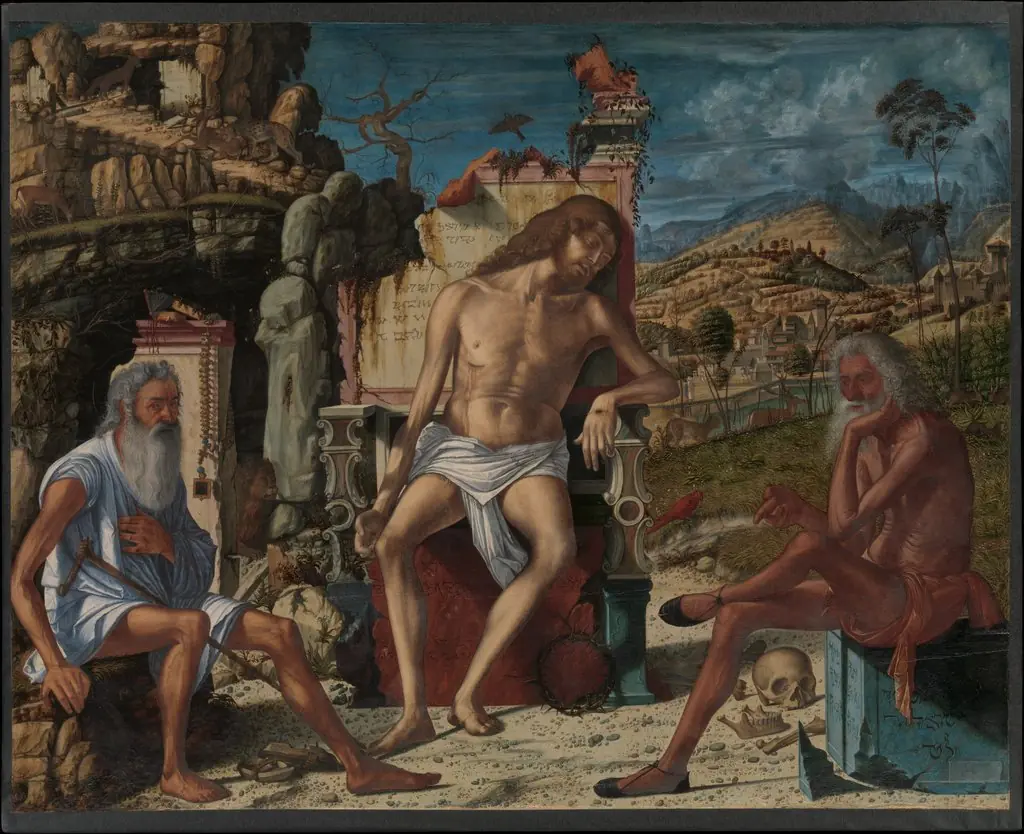 The Meditation on the Passion
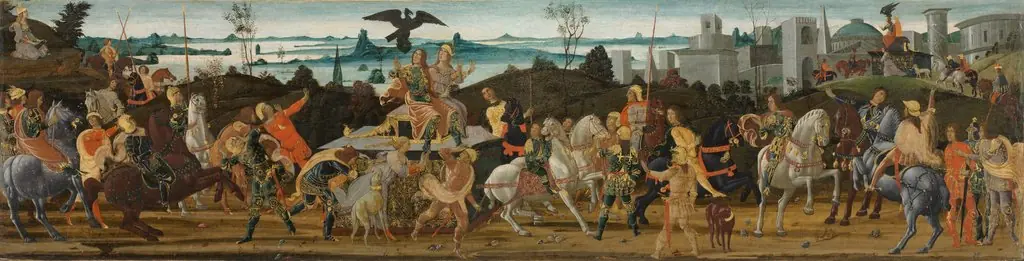 Tarquinius Priscus Entering Rome
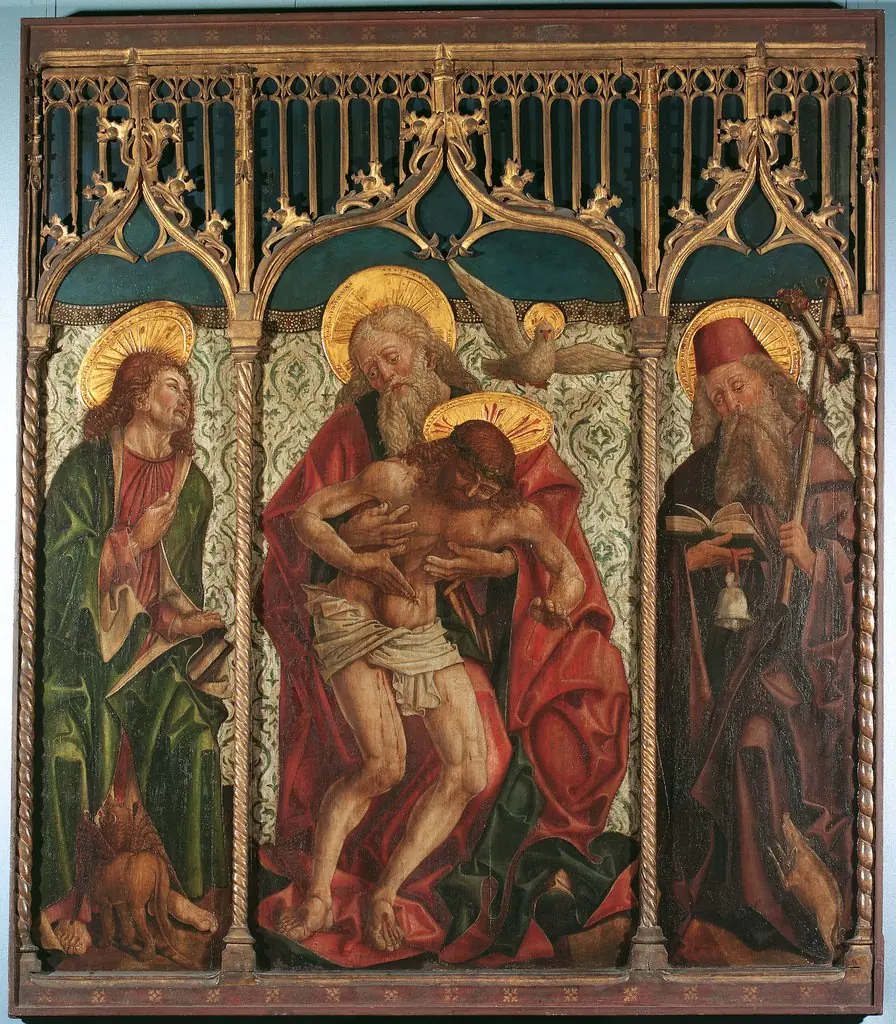 Hl. Dreifaltigkeit zwischen den hll. Markus und Antonius Eremita
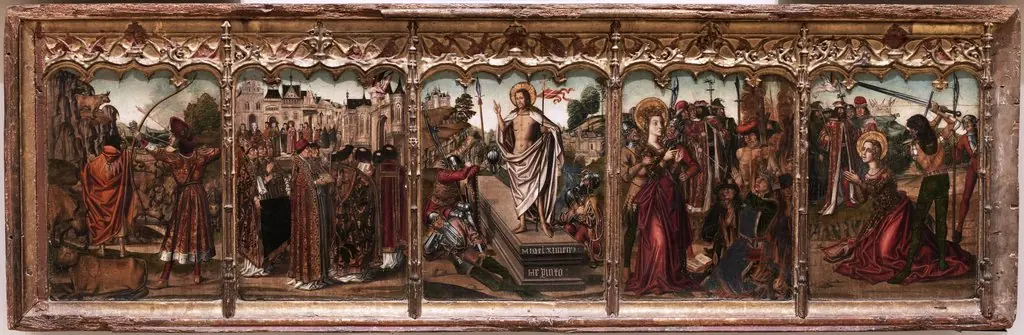 Predella with the Resurrection of Christ
 Three Archangels with Tobias