Artwork
Pair of Panels from a Triptych: The Archangel Michael and St. Anthony Abbot
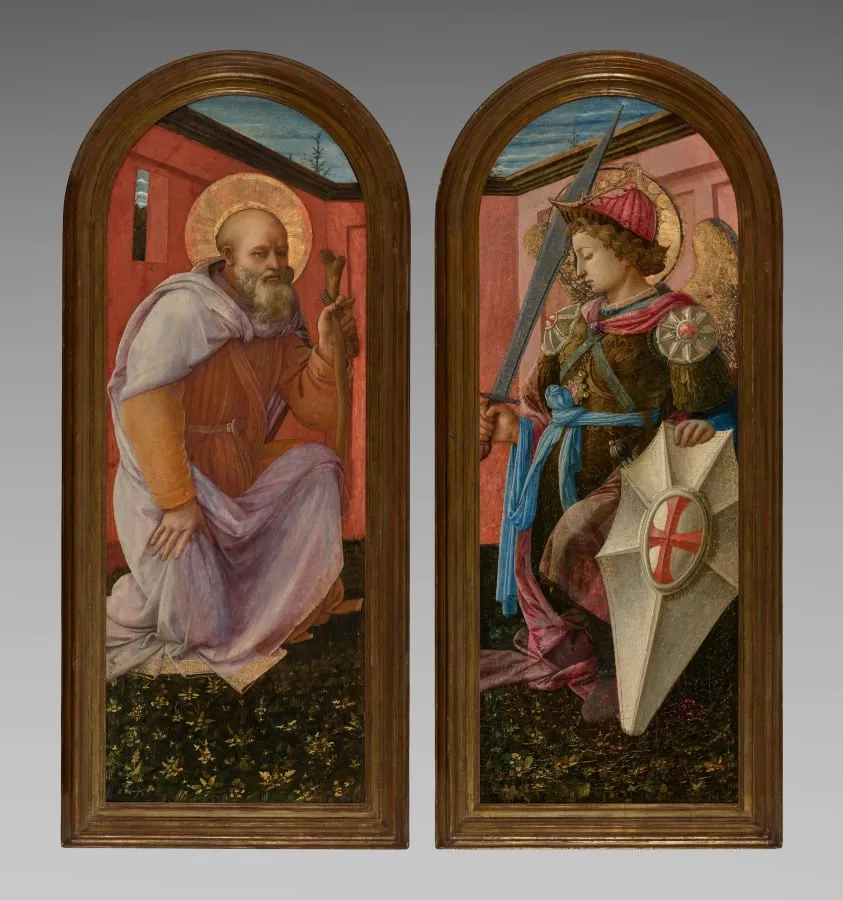
Pair of Panels from a Triptych: The Archangel Michael and St. Anthony Abbot is an unspecified painting by the Early Renaissance artist Filippo Lippi. It dates from 1458 and is held in the collection of the Cleveland Museum of Art. These two painted panels once formed the side wings of a triptych, with a now-lost central panel depicting the Madonna and Child.
About this work
Overview
These two painted panels once formed the side wings of a triptych, with a now-lost central panel depicting the Madonna and Child.
These two painted panels once formed the side wings of a triptych, with a now-lost central panel depicting the Madonna and Child. Commissioned in 1457 by Giovanni di Cosimo de’ Medici, they were intended as a diplomatic offering to Alfonso V of Aragon. Painted by Fra Filippo Lippi, the works exemplify early Renaissance ideals through their spatial depth and naturalistic figures, blending religious symbolism with emerging techniques of perspective and volume.
Subject & Meaning
Saint Anthony the Abbot, shown with a staff and bell, represents the ascetic ideal of desert monasticism, having renounced worldly goods for spiritual solitude. The Archangel Michael, clad in ornate armor and holding a sword and scales, embodies divine justice and protection against evil. Together, they signify spiritual authority and celestial order, reinforcing the devotional purpose of the altarpiece while honoring the recipient’s royal status.
Technique & Style
Lippi employed linear perspective to construct a convincing three-dimensional space, with receding floor tiles and subtle shadows anchoring the figures. The figures possess tangible weight and volume, influenced by Masaccio’s innovations. Gold leaf backgrounds denote sacred space, while refined modeling of drapery and facial features reflects a move toward naturalism. The treatment of form avoids excessive ornamentation, favoring clarity and structural harmony.
History & Provenance
Commissioned in 1457 by a Florentine patron for the Aragonese king, the triptych served a political function as much as a devotional one. Its creation coincided with diplomatic efforts between Florence and Aragon. The central panel, likely destroyed or lost over time, was replaced in later centuries by other works. The surviving panels remained in European collections, eventually entering public museum holdings through documented acquisitions.
Context
In mid-15th century Florence, religious art often doubled as a vehicle for political alliance. The Medici family, though not ruling officially, wielded influence through patronage. Lippi’s style, rooted in the Brancacci Chapel’s innovations, reflected a broader shift toward human-centered sacred imagery. The choice of saints—Anthony for ascetic virtue, Michael for divine power—aligned with royal ideals of piety and authority.
Legacy
These panels illustrate the transition from medieval iconography to Renaissance naturalism in religious painting. Lippi’s integration of perspective and psychological presence influenced later Florentine artists. Though the full triptych is incomplete, the surviving wings remain key examples of how art functioned in diplomatic exchange and how sacred figures were reimagined with physical and emotional realism during the early Renaissance.
Artist & collection
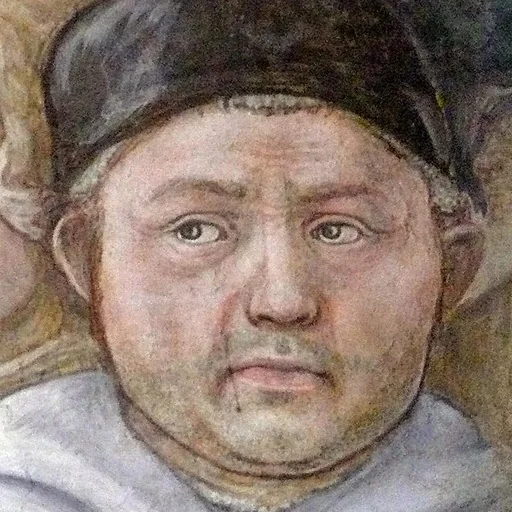
Artist
Filippo Lippi (c. 1406 – 8 October 1469), also known as Lippo Lippi, was an Italian Renaissance painter of the Quattrocento (fifteenth century) and a Carmelite priest. He was an early Renaissance master of a painting…

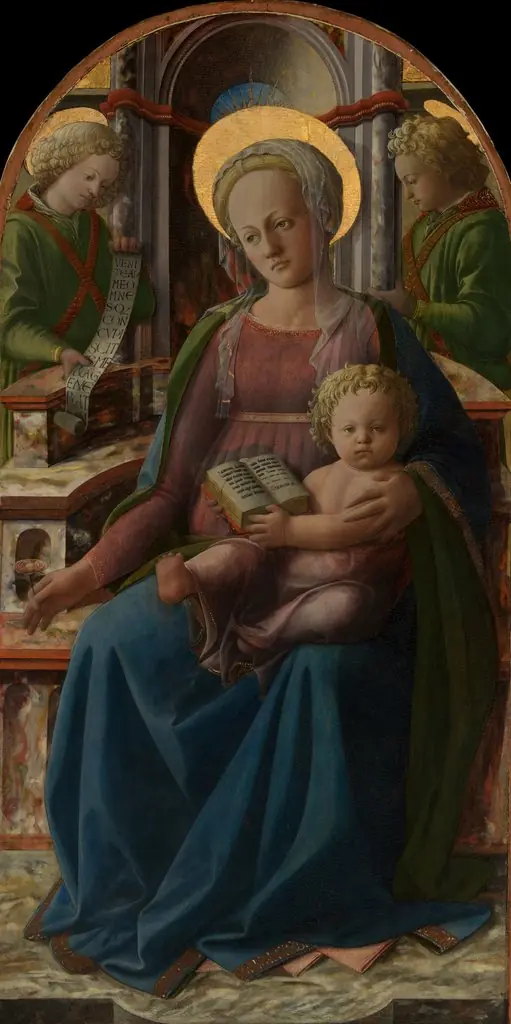 Madonna and Child Enthroned with Two Angels
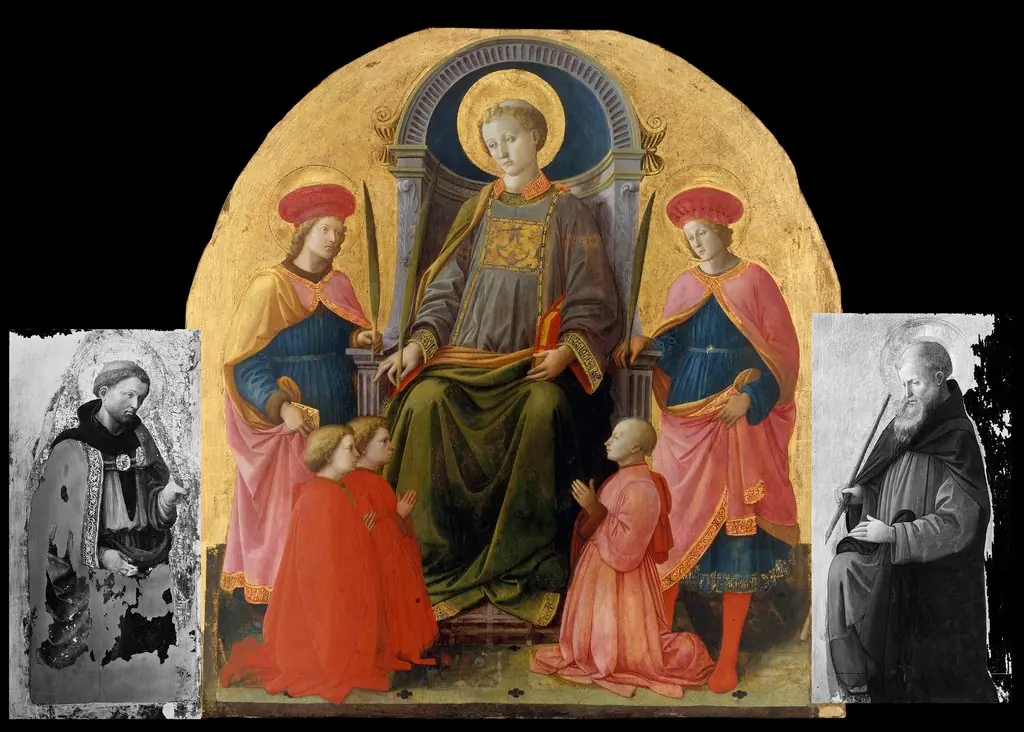 Saint Lawrence Enthroned with Saints and Donors
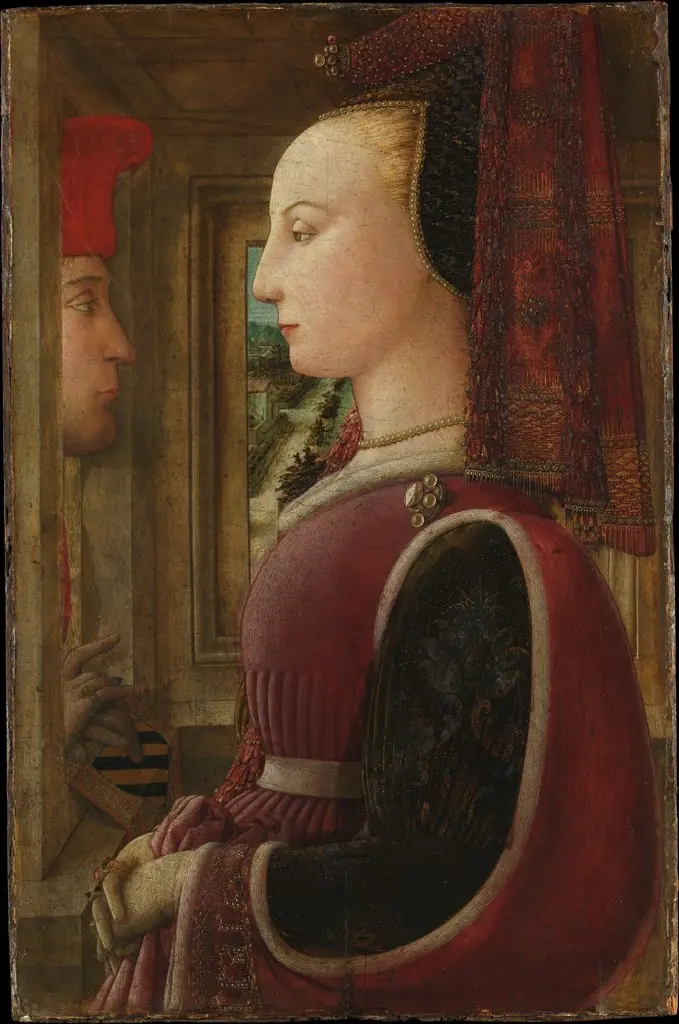 Portrait of a Woman with a Man at a Casement
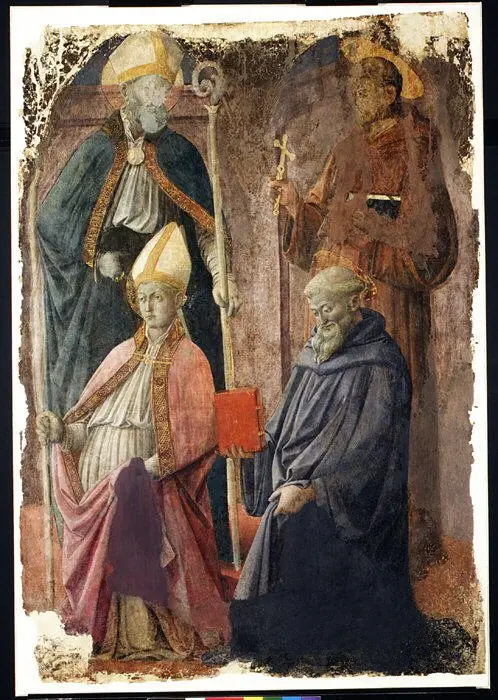 Saints Augustine and Francis, a Bishop Saint, and Saint Benedict
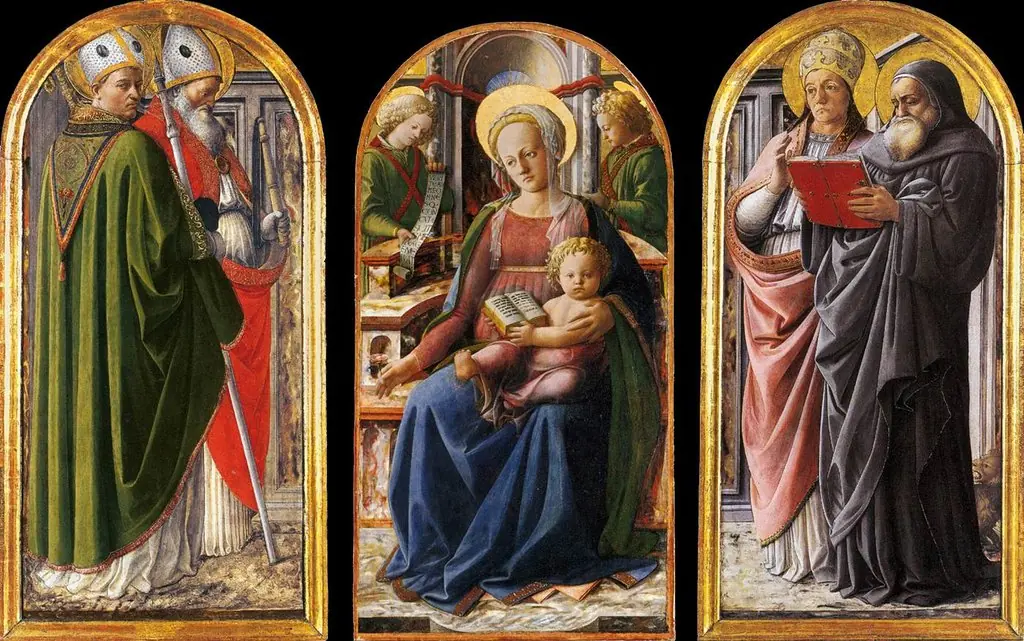 Madonna and Child with Angels and Saints
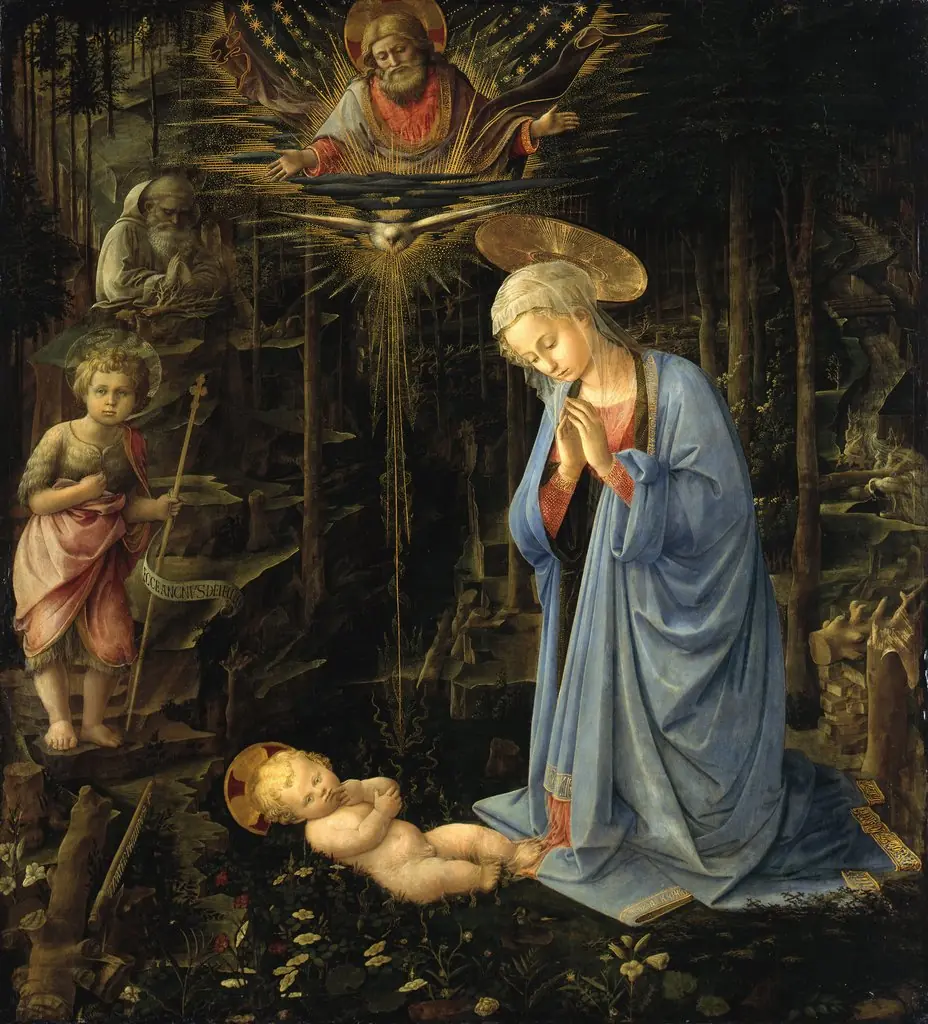 Adoration in the Forest
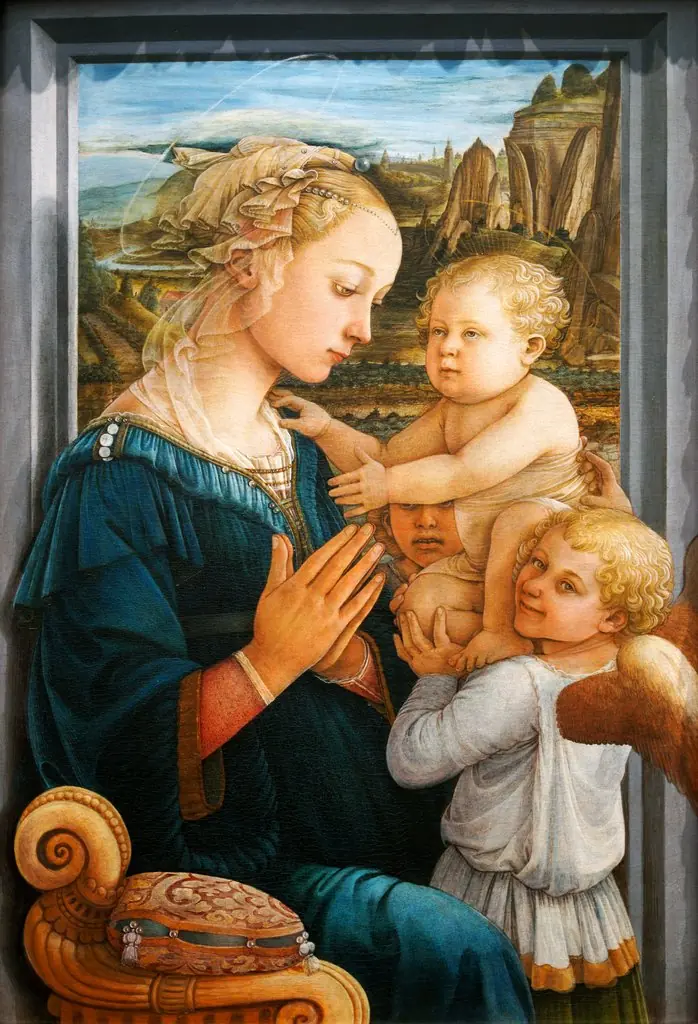 Madonna and Child
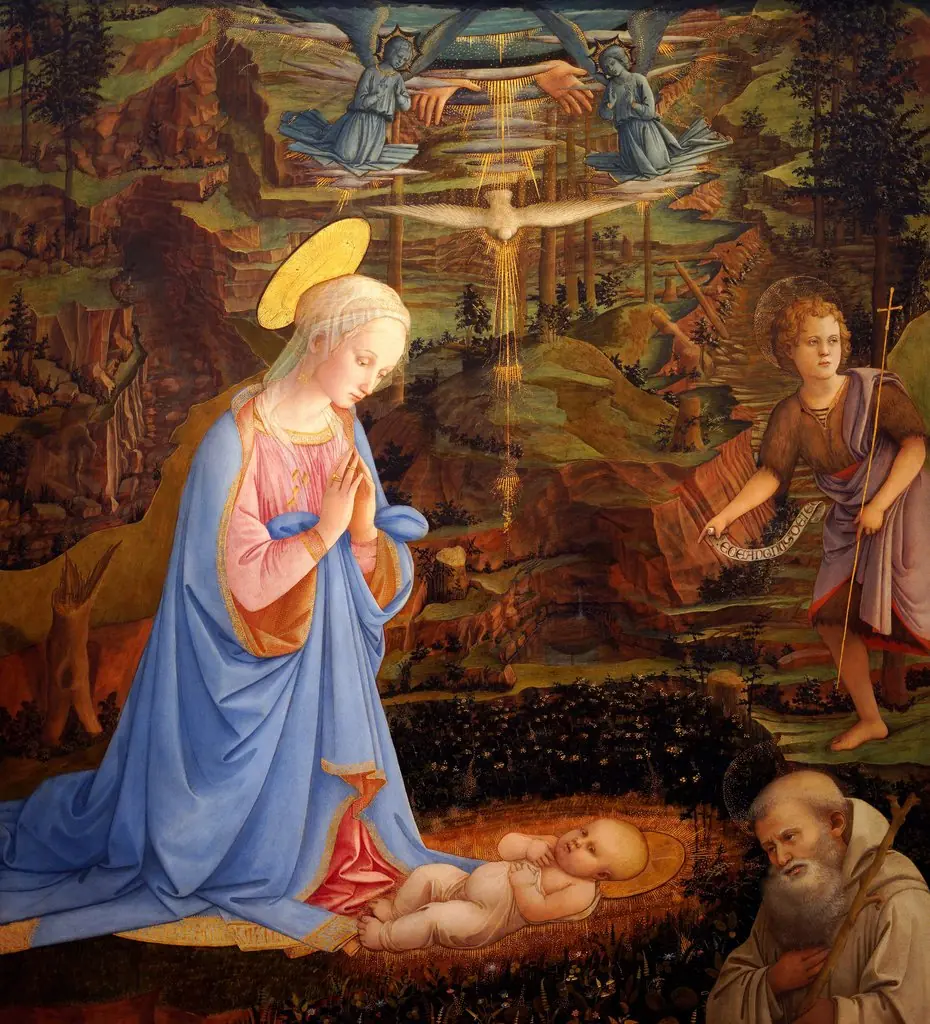 Adoration of Camaldoli
 Botschaft des Engels an Joachim
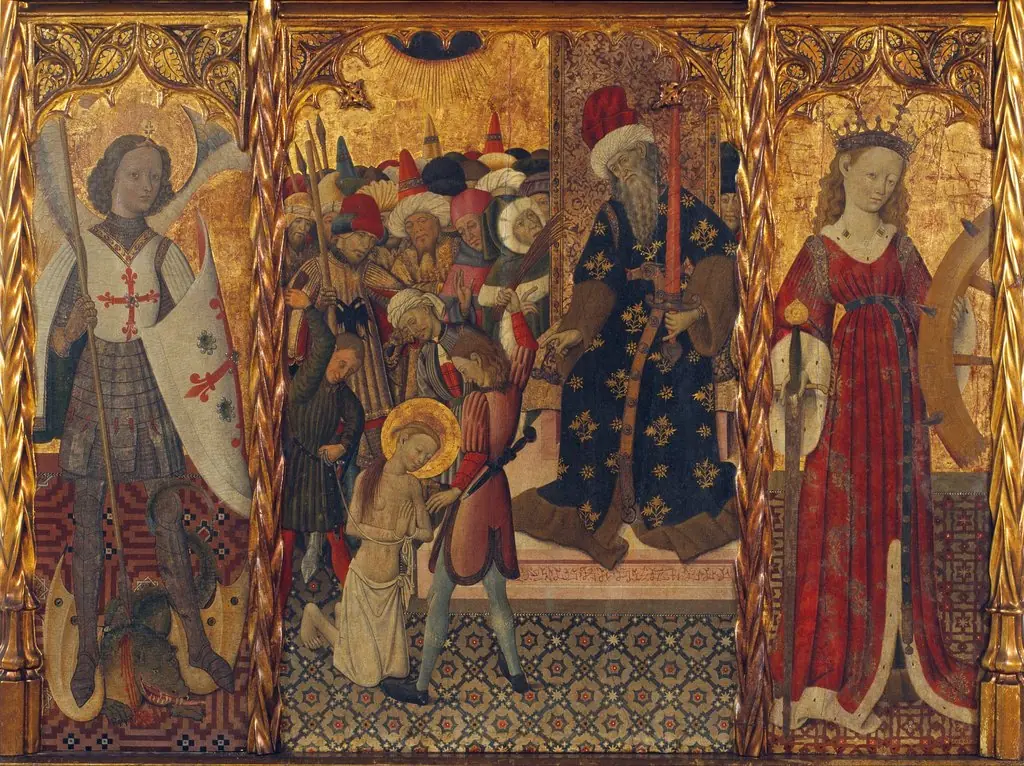 Saint Michael, Martyrdom of Saint Eulalia and Saint Catherine
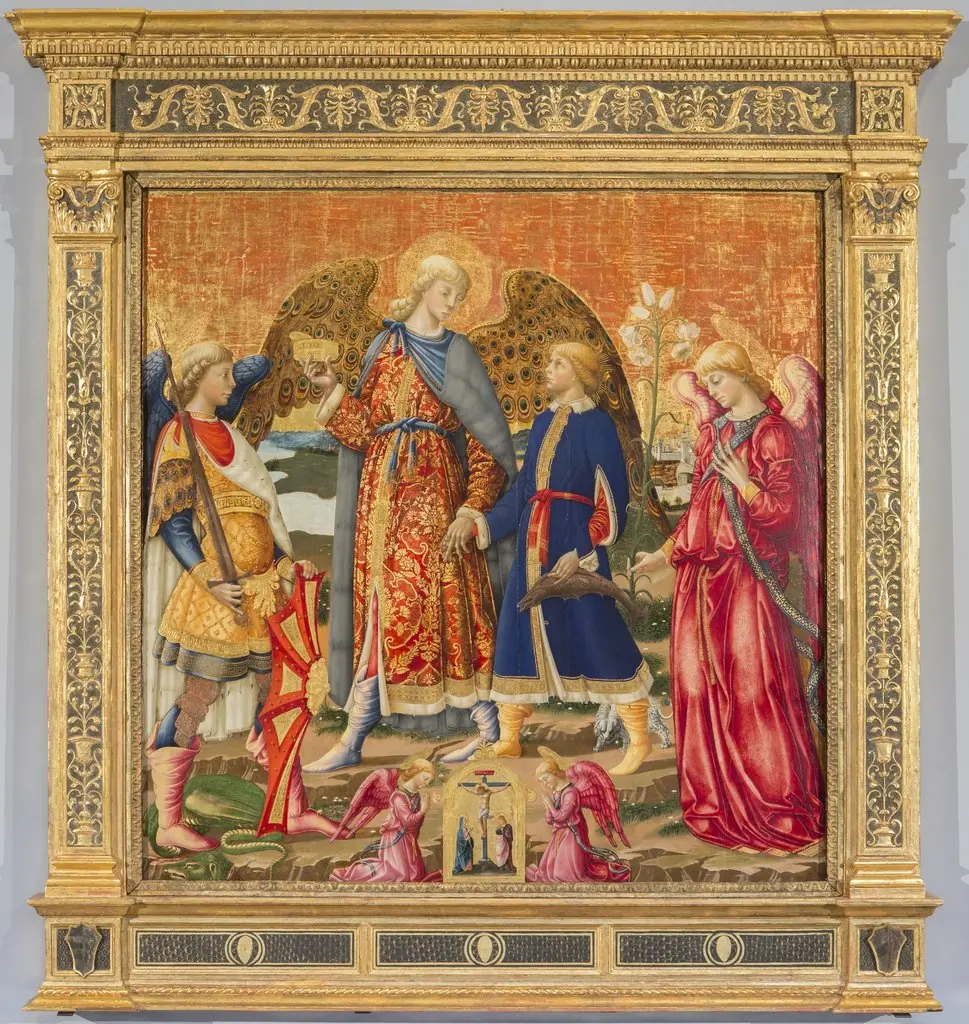 Tobias and Three Archangels
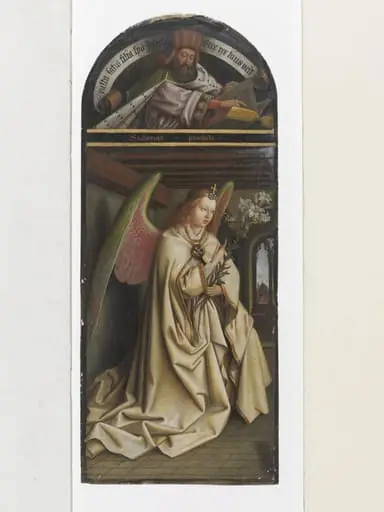 Copy of detail of the Ghent Altarpiece, Virgin Annunciate and Prophet, by Hubert and Jan van Eyck in the church of St Bavon, Ghent.
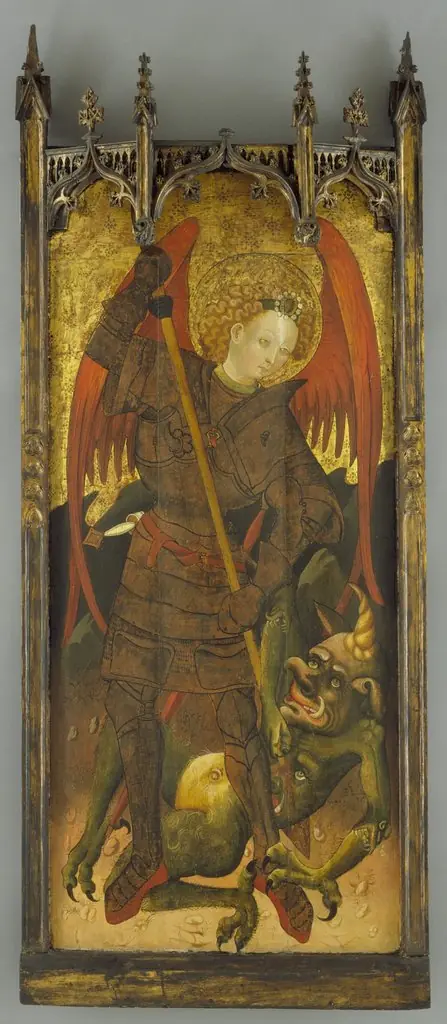 Saint Michael Fighting the Dragon
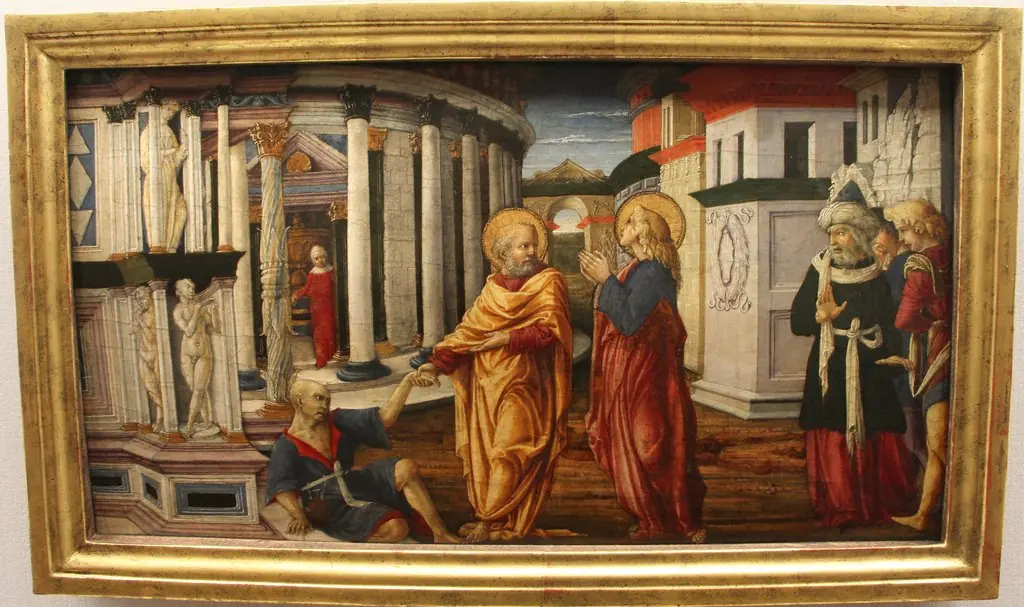 Petrus heilt einen Lahmen
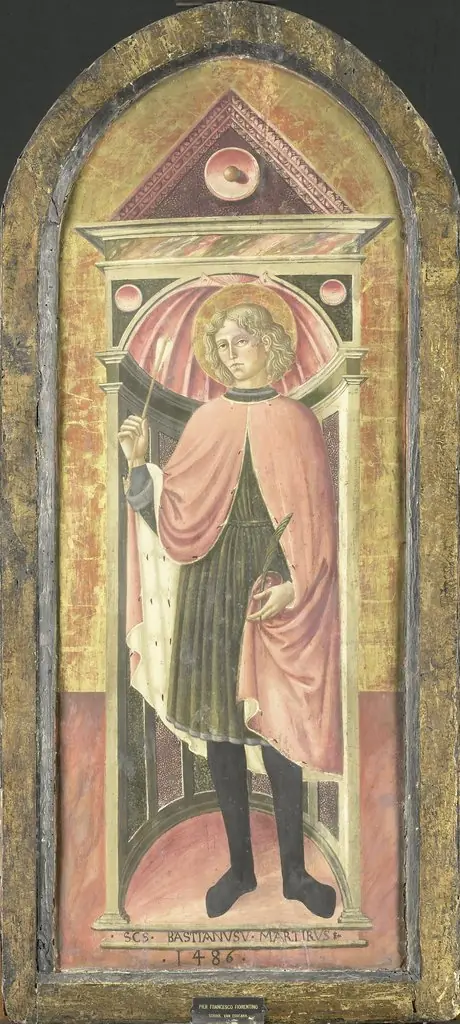 Saint Sebastian
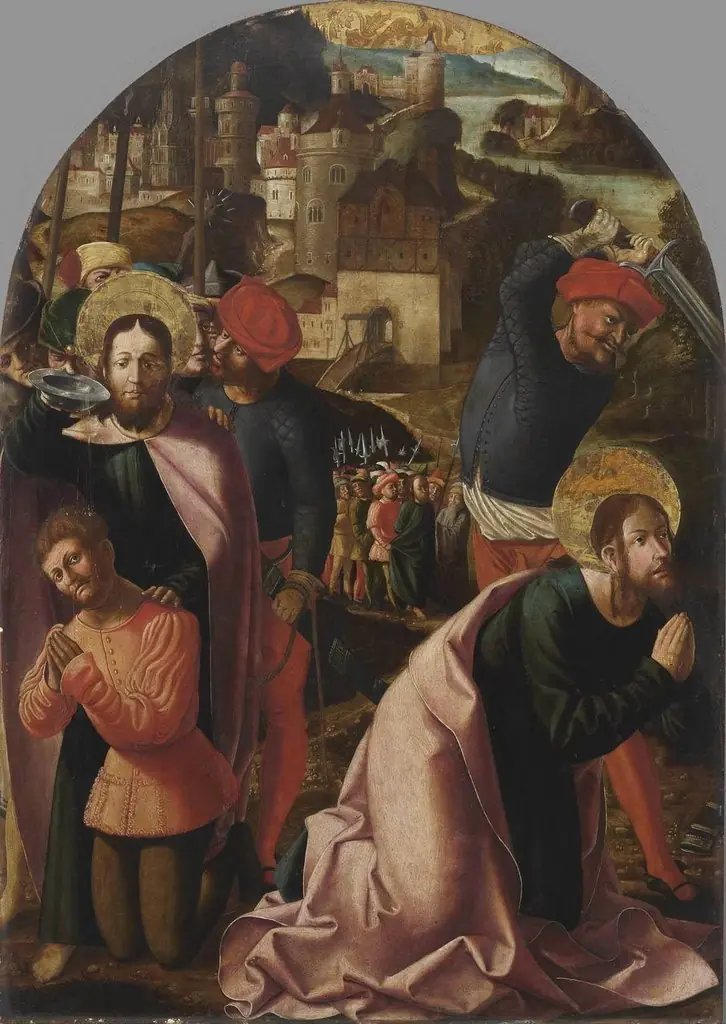 Jakobus-Stephanus-Altar: Der hl. Jakobus tauft Josias und Hinrichtung des Jakobus
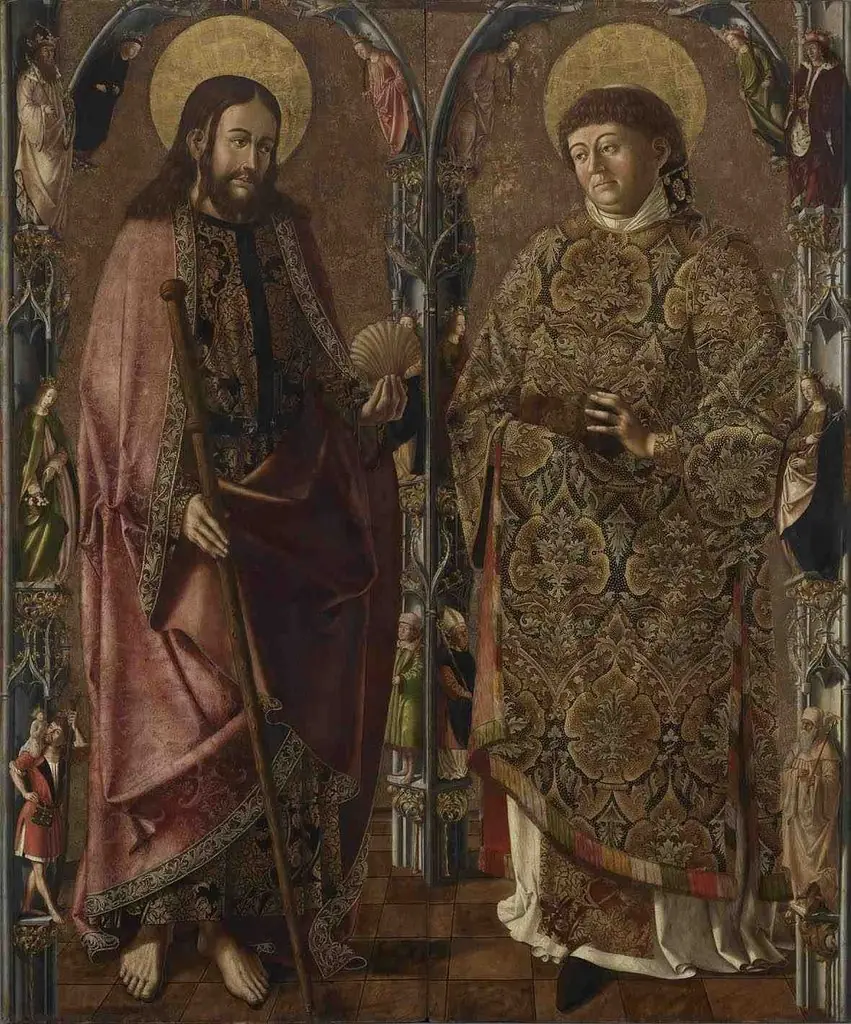 Jakobus-Stephanus-Altar: Die hll. Jakobus und Stephanus
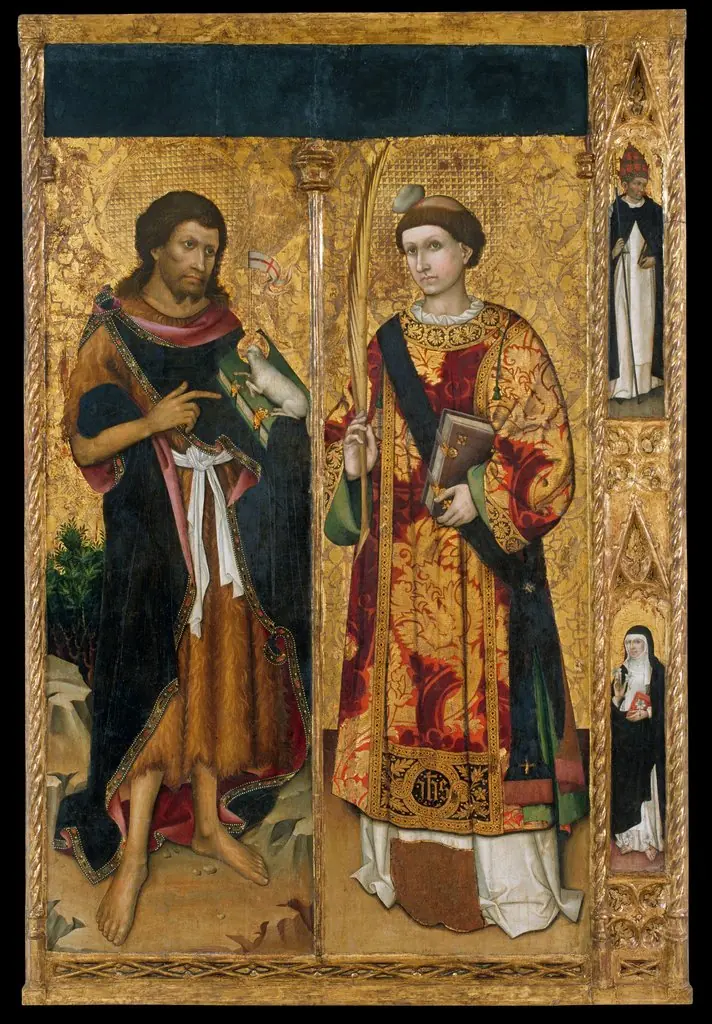 Saint John the Baptist and Saint Stephen