Artwork
Girl in a Plumed Hat
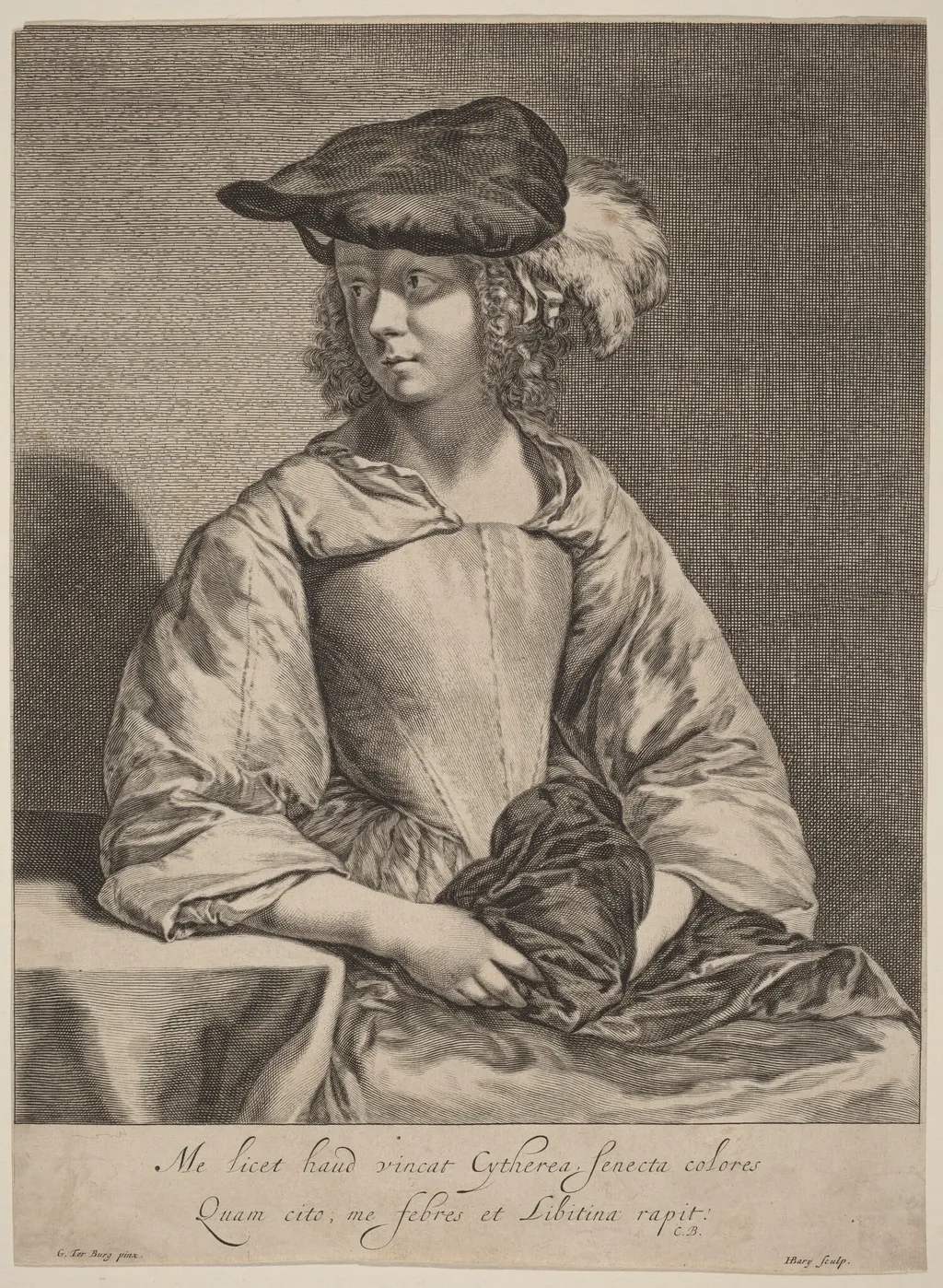
Girl in a Plumed Hat is an ink print by the Baroque artist Hendrick Bary. It dates from 1674 and is held in the collection of the National Gallery of Art.
About this work
Overview
Created in 1674 by Hendrick Bary, this engraving portrays a young woman in a formal seated pose, her hands gently folded in her lap. Rendered in fine, dark lines, the work exemplifies the precision of 17th-century printmaking. The composition centers on the figure’s quiet dignity, framed by elaborate headwear and draped fabric, all rendered with meticulous attention to texture and shadow.
Subject & Meaning
The subject is a woman adorned with a feathered hat, a symbol of status and fashion in the Dutch Golden Age. Her composed posture and direct yet distant gaze suggest introspection or quiet contemplation. Rather than depicting a specific individual, the image likely represents an idealized type—elegant, refined, and grounded in contemporary notions of feminine decorum.
Technique & Style
Bary employed fine cross-hatching and controlled line weight to model form and suggest volume. The dark, tonal contrasts enhance the three-dimensionality of the figure and her garments, while the delicate rendering of the plume and lace reveals technical mastery. The style aligns with Baroque sensibilities, emphasizing texture and emotional restraint over theatricality.
History & Provenance
The engraving was produced during Bary’s active years in the Dutch Republic, a period when printmaking flourished as a medium for both artistic expression and commercial distribution. While its early ownership is undocumented, it entered institutional collections in the 19th or early 20th century, where it remains as part of a broader archive of Dutch graphic art.
Context
In the 1670s, engraved portraits of women were common in the Netherlands, often circulated as decorative prints or used as models for other artists. Bary’s work reflects the era’s interest in domestic elegance and the visual language of social refinement. His prints were part of a market that valued craftsmanship over grand narrative, appealing to middle-class collectors.
Legacy
Hendrick Bary’s engravings, including this one, are recognized for their technical discipline and subtle psychological presence. Though not widely known today, his work contributes to the understanding of how portraiture functioned in print culture. His approach influenced later generations of engravers who prioritized nuance over spectacle in depicting the human form.
Artist & collection

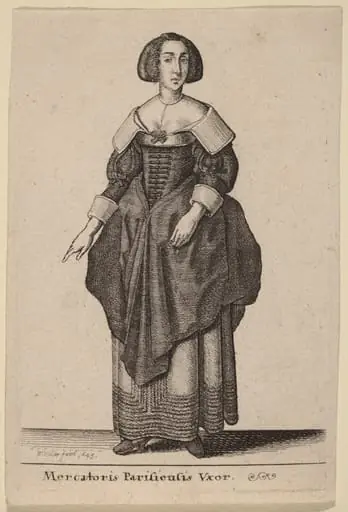 Mercatoris Parisiensis Vxor
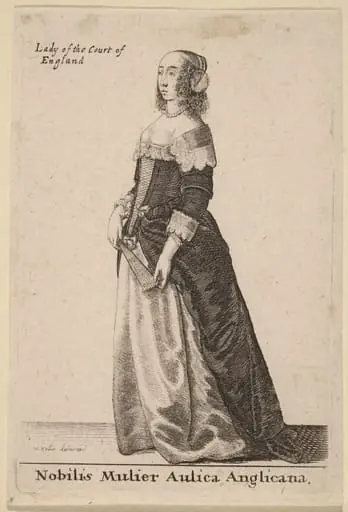 Nobilis Mulier Aulica Anglicana
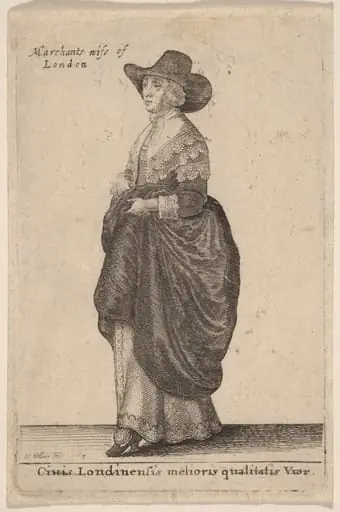 Ciuis Londinensis Melioris Qualitatis Vxor
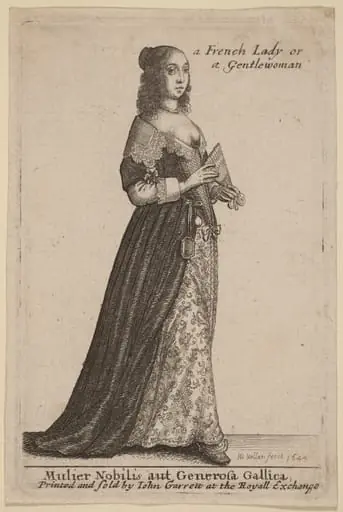 Mulier Nobilis aut Generosa Gallica
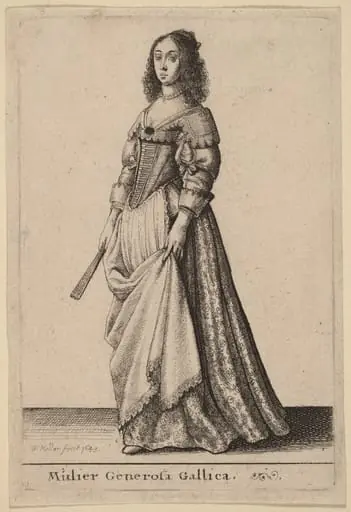 Mulier Generosa Gallica
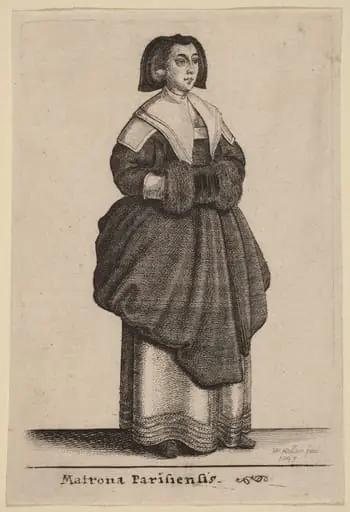 Matrona Parisiensis
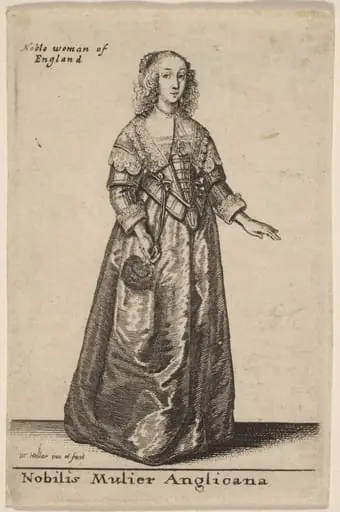 Nobilis Mulier Anglicana
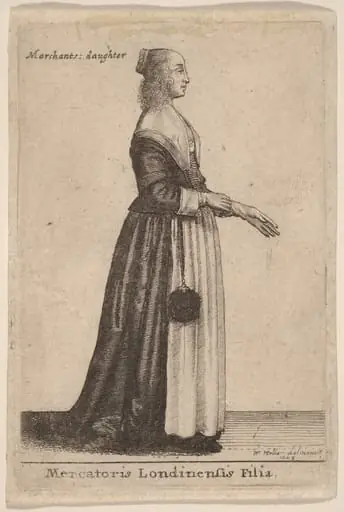 Mercatoris Londinensis Filia
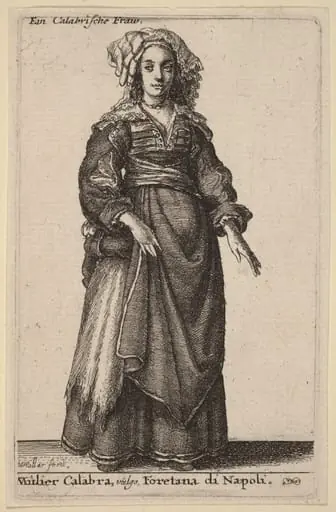 Mulier Calabra, Vulgo, Foretana di Napoli
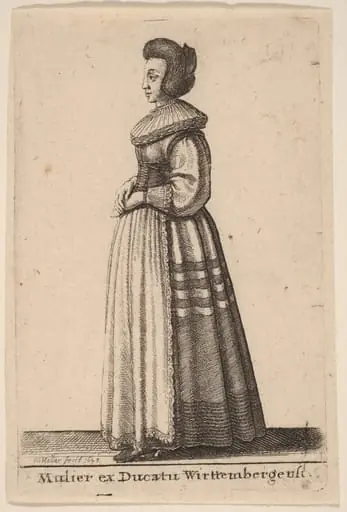 Mulier ex Ducatu Wirttembergensi
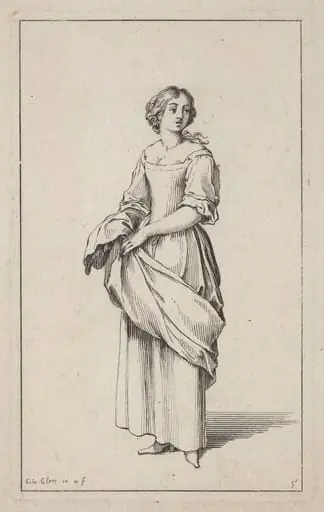 Standing Young Peasant Woman
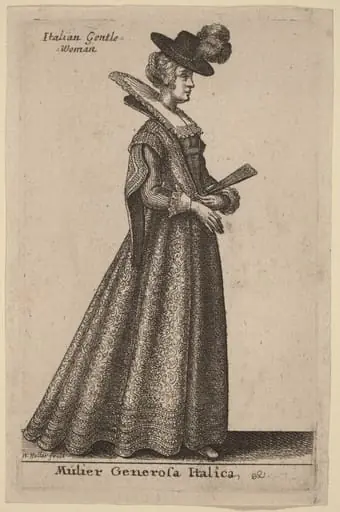 Mulier Generosa Italica