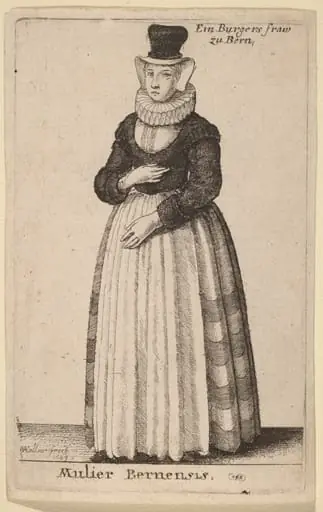
Artwork
Mulier ex Ducatu Wirttembergensi
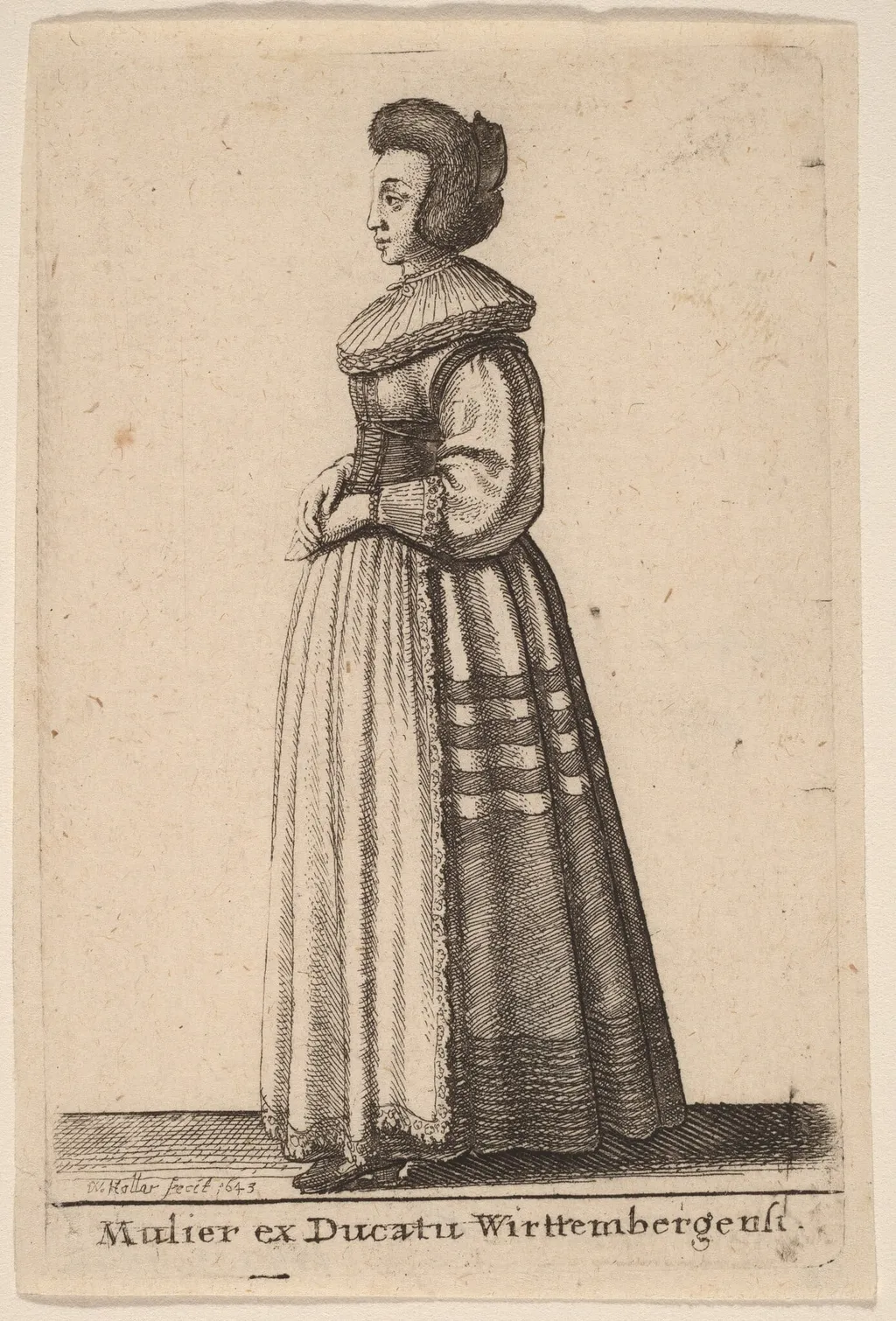
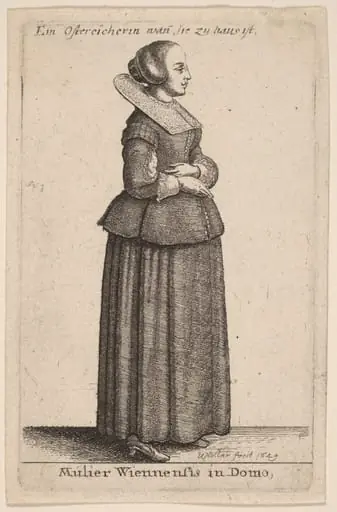
Mulier ex Ducatu Wirttembergensi is an ink print by the Baroque artist Wenceslaus Hollar. It dates from 1643 and is held in the collection of the National Gallery of Art. Created in 1643, this black‑and‑white etching presents a profile portrait of a woman identified as hailing from the Duchy of Württemberg.
About this work
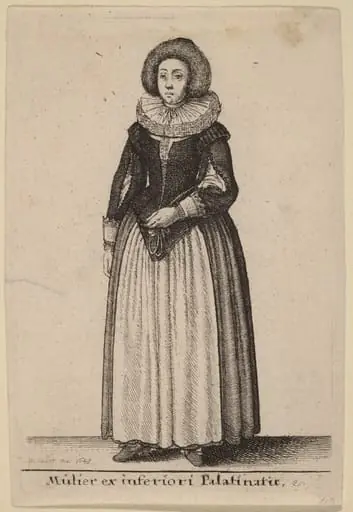
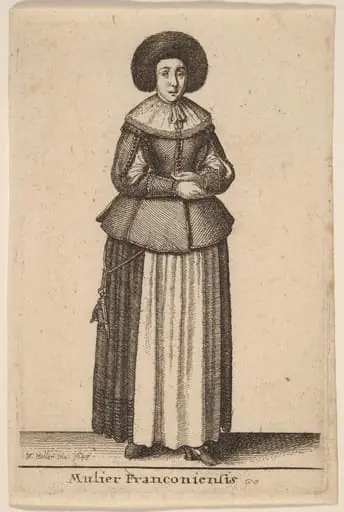
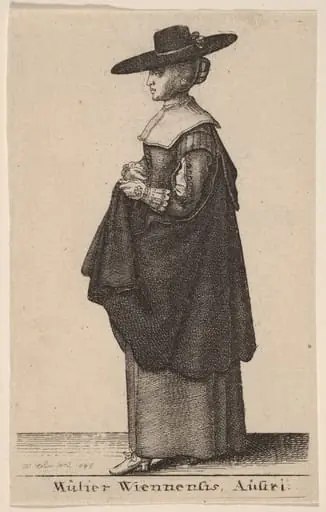
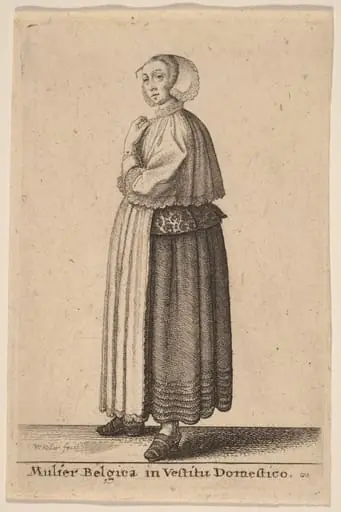
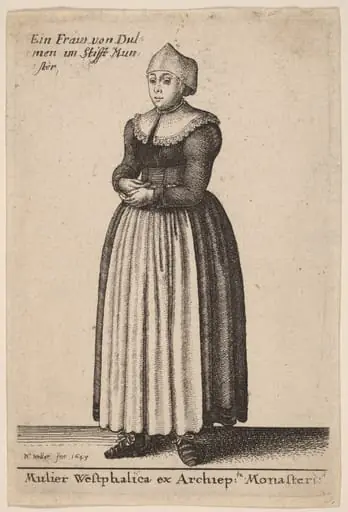
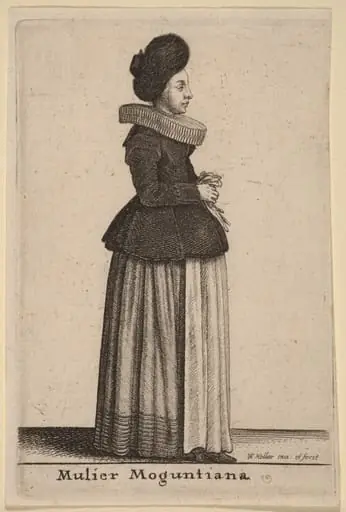
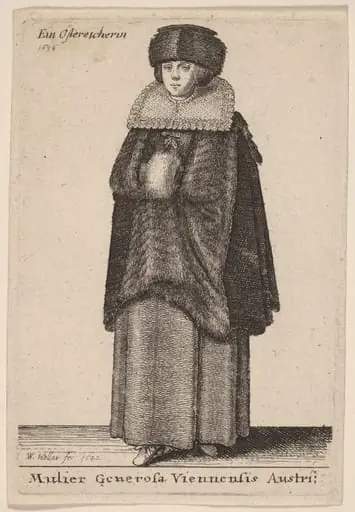
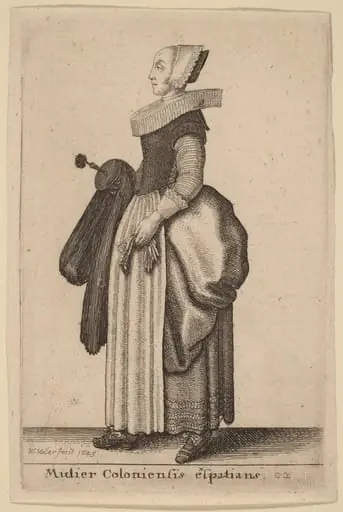
This is a black-and-white etching of a woman standing sideways. She wears a long, flowing dress with a high collar and a puffy sleeve. Her hair is pulled back neatly, and she holds a folded cloth in her hands.
The artist signed it in 1643, and the title means "Woman from the Duchy of Württemberg." This style was common in the 1600s for detailed portraits.
Next, check out the technique: etching.
Overview
Created in 1643, this black‑and‑white etching presents a profile portrait of a woman identified as hailing from the Duchy of Württemberg. The figure stands in a three‑quarter pose, dressed in a long gown with a high collar and puffed sleeve, her hair neatly gathered and a folded cloth clasped in her hands. The work bears the artist’s signature and date, confirming its authorship.
Subject & Meaning
The sitter is portrayed as a representative of Württemberg, a region in southwestern Germany. The title, translating to “Woman from the Duchy of Württemberg,” suggests a documentary intent, emphasizing costume and bearing rather than allegorical content. The portrait functions as a visual record of regional dress and identity in the mid‑seventeenth century.
Technique & Style
Executed by etching, the image relies on lines incised into a metal plate and printed in monochrome. Hollar’s handling of line delivers fine detail in the fabric’s folds, the collar’s edge, and the texture of the hair, reflecting his characteristic precision. The composition is restrained, focusing on the figure without elaborate background, typical of portraiture of the period.
History & Provenance
The piece bears his 1643 signature, and records indicate it remained within European collections before entering museum holdings in the twentieth century.
The print was produced by Wenceslaus Hollar, a Czech‑born engraver who settled in England and built a reputation for meticulous cityscapes and topographical works. Though primarily active in England, Hollar’s output included a range of portrait subjects. The piece bears his 1643 signature, and records indicate it remained within European collections before entering museum holdings in the twentieth century.
Context
In the 1600s, portrait etchings served both as personal likenesses and as ethnographic documents, often circulated among collectors interested in regional costumes. Hollar’s work aligns with this tradition, providing a visual catalogue of attire from a specific German duchy while showcasing the technical possibilities of etching as a reproducible medium.
Artist & collection
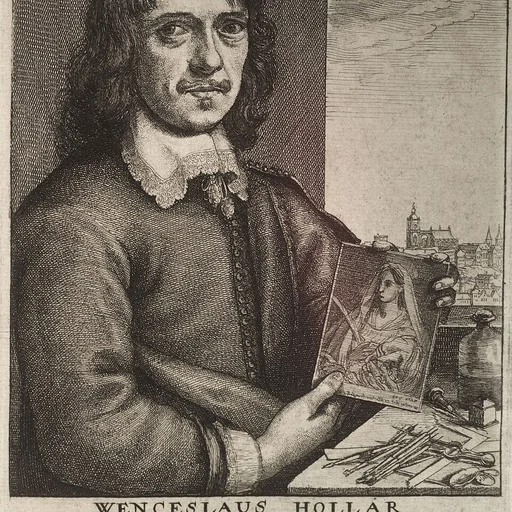
Artist
Wenceslaus Hollar (Czech: Václav Hollar (Czech pronunciation: ), German: Wenzel Hollar; 23 July 1607 – 25 March 1677) was a Czech engraver, etcher and painter.