Artwork
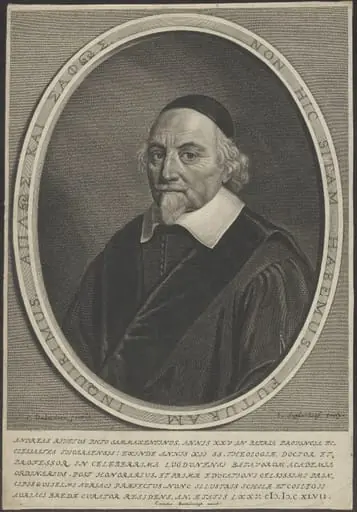
Portrait of J. Batelier, Remonstrant minister in The Hague
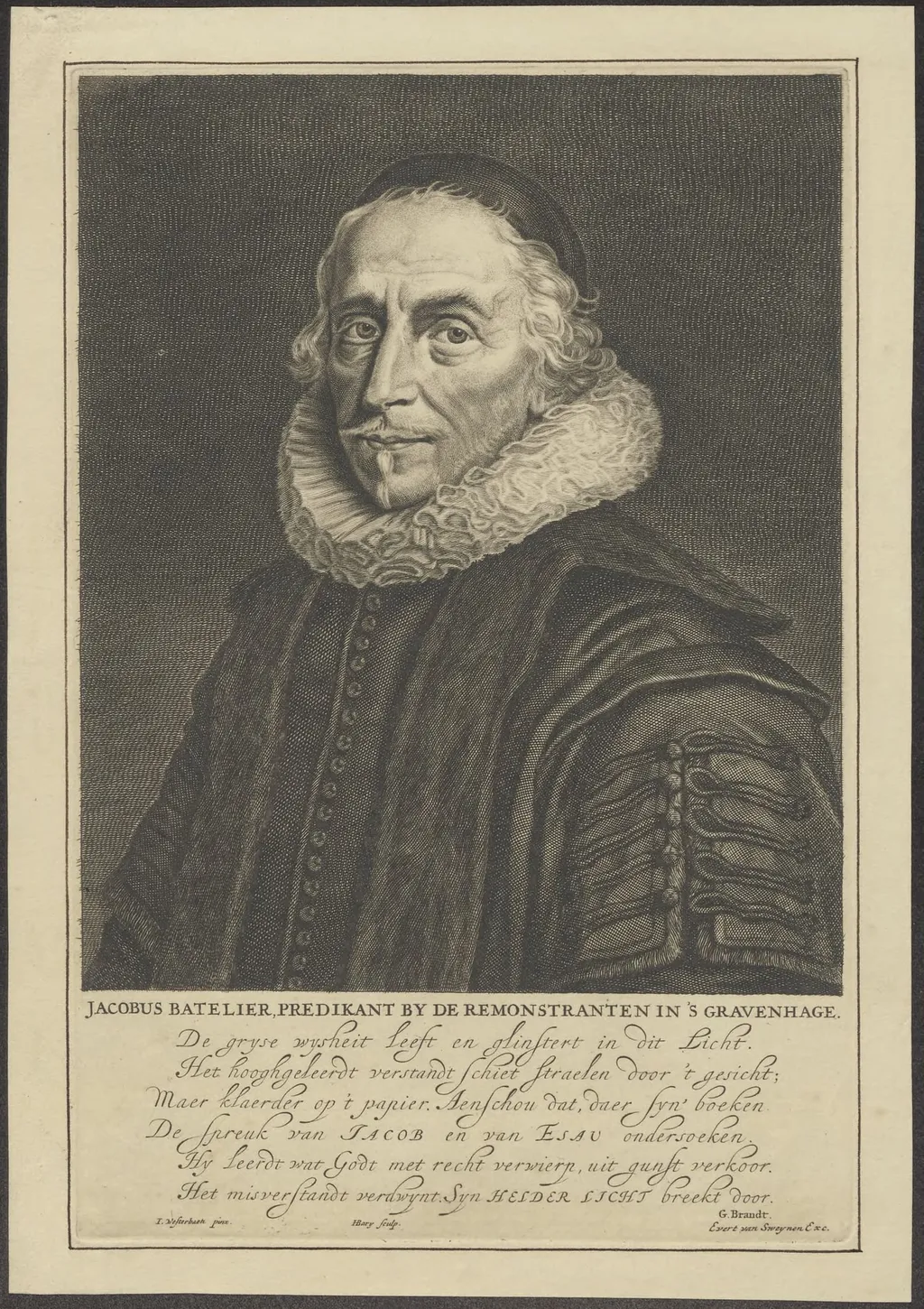
Portrait of J. Batelier, Remonstrant minister in The Hague is an unspecified painting by the Dutch Golden Age artist Hendrik, Bary. It dates from 1650 and is held in the collection of the Leiden University Libraries. This portrait depicts J.
About this work
The painting has a quiet, intimate feel, and it's based on a work by another artist, which is an interesting aspect of its history.
This painting shows a man, J. Batelier, who was a minister.
He's dressed in simple clothing, which was typical for his time. The artist likely wanted to show Batelier's personality through his expression and pose.
The painting has a quiet, intimate feel, and it's based on a work by another artist, which is an interesting aspect of its history.
You can learn more about this style by looking at the work of artist: Bary, Hendrik, (1640-1707)
Overview
This portrait depicts J. Batelier, a Remonstrant minister in The Hague, rendered as a reproductive print after a painting by J. Westerbaen. Accompanied by a Dutch verse from G. Brandt, the image functions as both a likeness and a textual tribute. Its modest scale and restrained composition reflect the devotional and intellectual culture of the Dutch Reformed tradition, emphasizing character over ceremonial display.
Subject & Meaning
Batelier is portrayed in plain, unadorned attire consistent with Remonstrant clerical norms, which rejected ornate vestments in favor of humility. His gaze is direct yet composed, suggesting introspection and quiet authority. The inclusion of Brandt’s verse reinforces his role as a spiritual figure whose influence extended beyond the pulpit, aligning his image with literary and theological values of the time.
Technique & Style
The image is a print, not an original painting, derived from Westerbaen’s portrait. Its tonal subtlety and fine line work convey texture in fabric and skin without theatrical lighting. The composition avoids grandeur, favoring a close-up view that invites quiet contemplation. This approach aligns with mid-17th-century Dutch portraiture that prioritized psychological presence over status symbols.
History & Provenance
The portrait originates from a lost painting by J. Westerbaen, making this print a key surviving record of Batelier’s likeness. The addition of Brandt’s verse suggests it was produced for a limited, literate audience, possibly as part of a devotional or biographical collection. Its transmission through print reflects the circulation of religious figures’ images in early modern Dutch intellectual circles.
Context
As a Remonstrant minister, Batelier belonged to a Protestant group that emphasized tolerance and rational faith, often marginalized by the dominant Calvinist establishment. Portraits like this, paired with poetic commentary, served to affirm the dignity of dissenting clergy. The style echoes contemporaries such as Hendrik Bary, who similarly favored restrained, intimate depictions of religious figures.
Legacy
This print preserves the visual identity of a lesser-known religious figure whose influence was primarily textual and communal. It exemplifies how Dutch print culture sustained the memory of non-elite clergy through accessible, text-integrated imagery. Its survival offers insight into the quiet resilience of Remonstrant identity during a period of theological tension.
Artist & collection
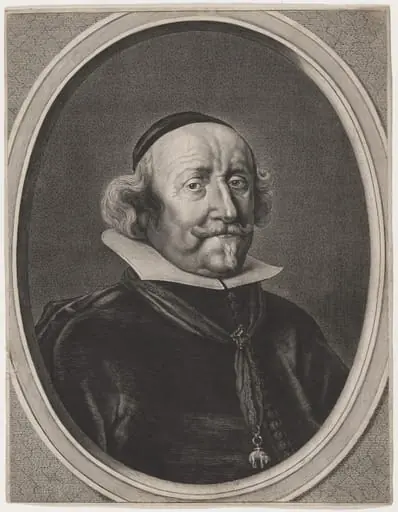 Wolfgang-Wilhelm, Count of Pfalz-Neuburg and Duke of Julich-Berg
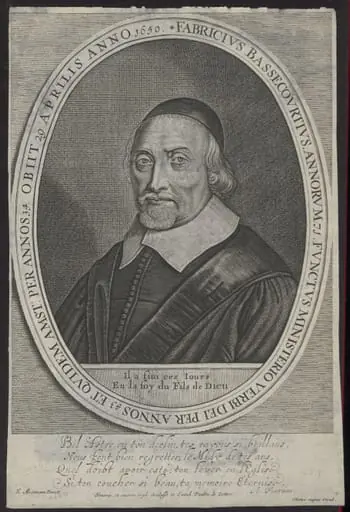 Portrait of Fabricius Bassecourtius
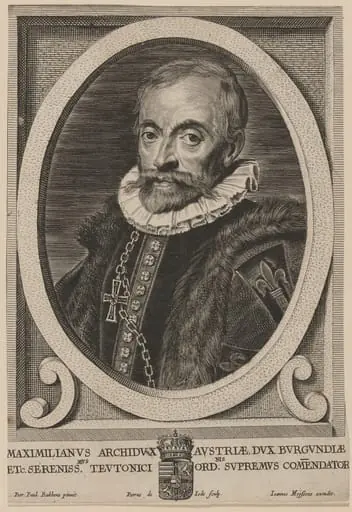 Maximilian II, Archduke of Austria
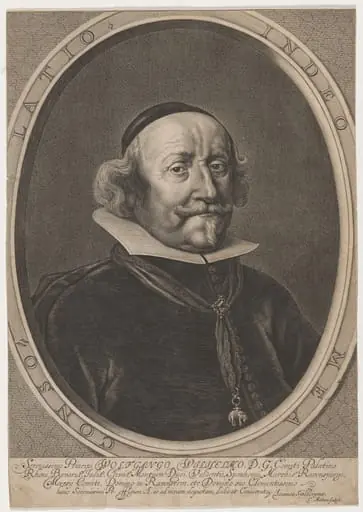 Wolfgang-Wilhelm, Count of Pfalz-Neuburg and Duke of Julich-Berg
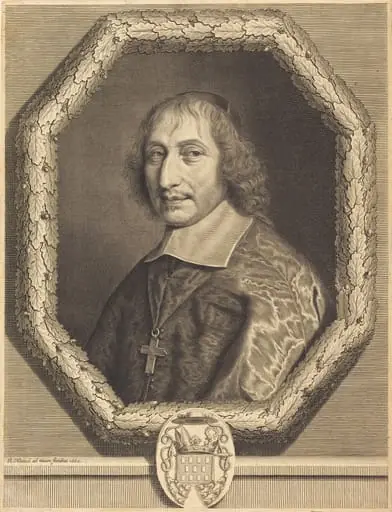 Philibert-Emmanuel de Beaumanoir Lavardin
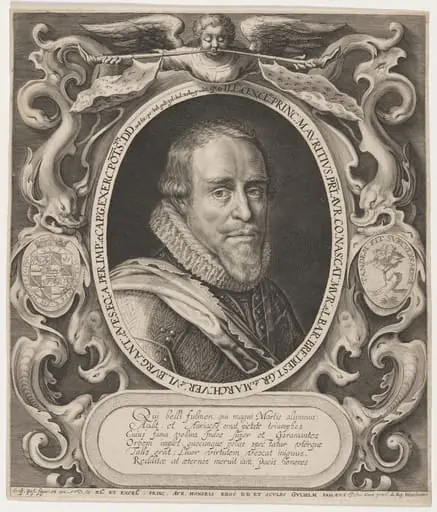 Maurice of Nassau, Prince of Orange
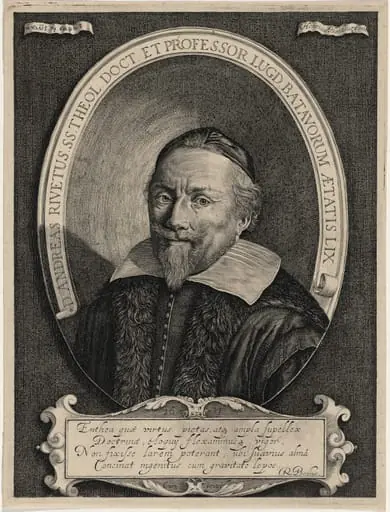 Andreas Rivetus, Doctor of Divinity and Professor
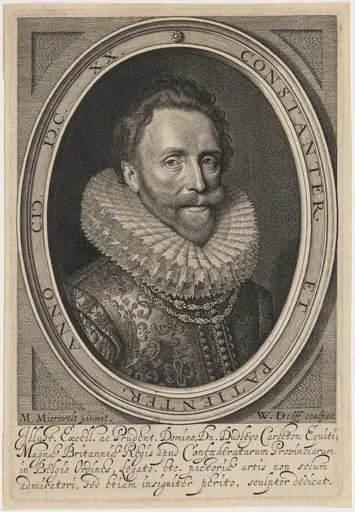 Sir Dudley Carleton, Viscount Dorchester
 Portrait of André Rivet