Artwork
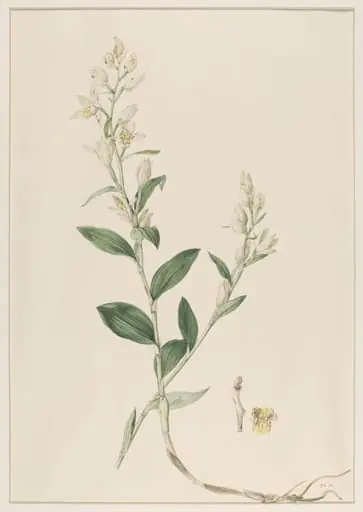
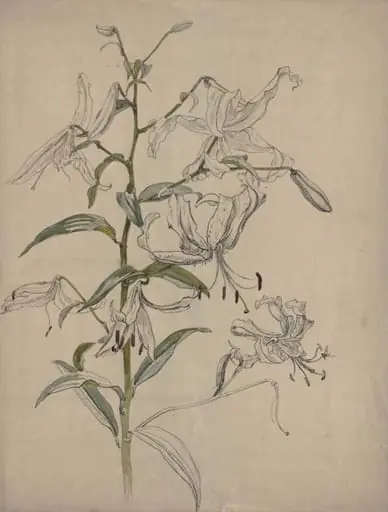
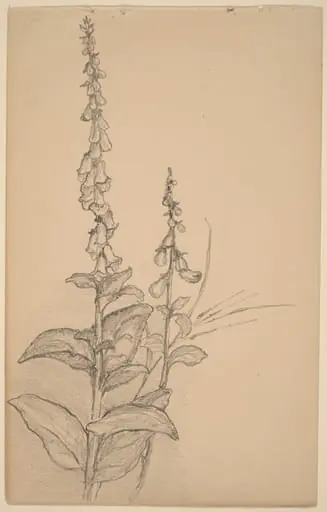
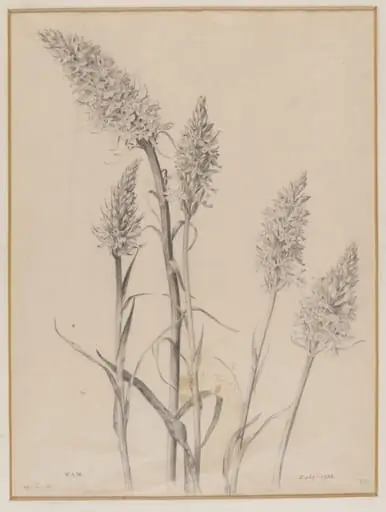
Sketches of marsh helleborine
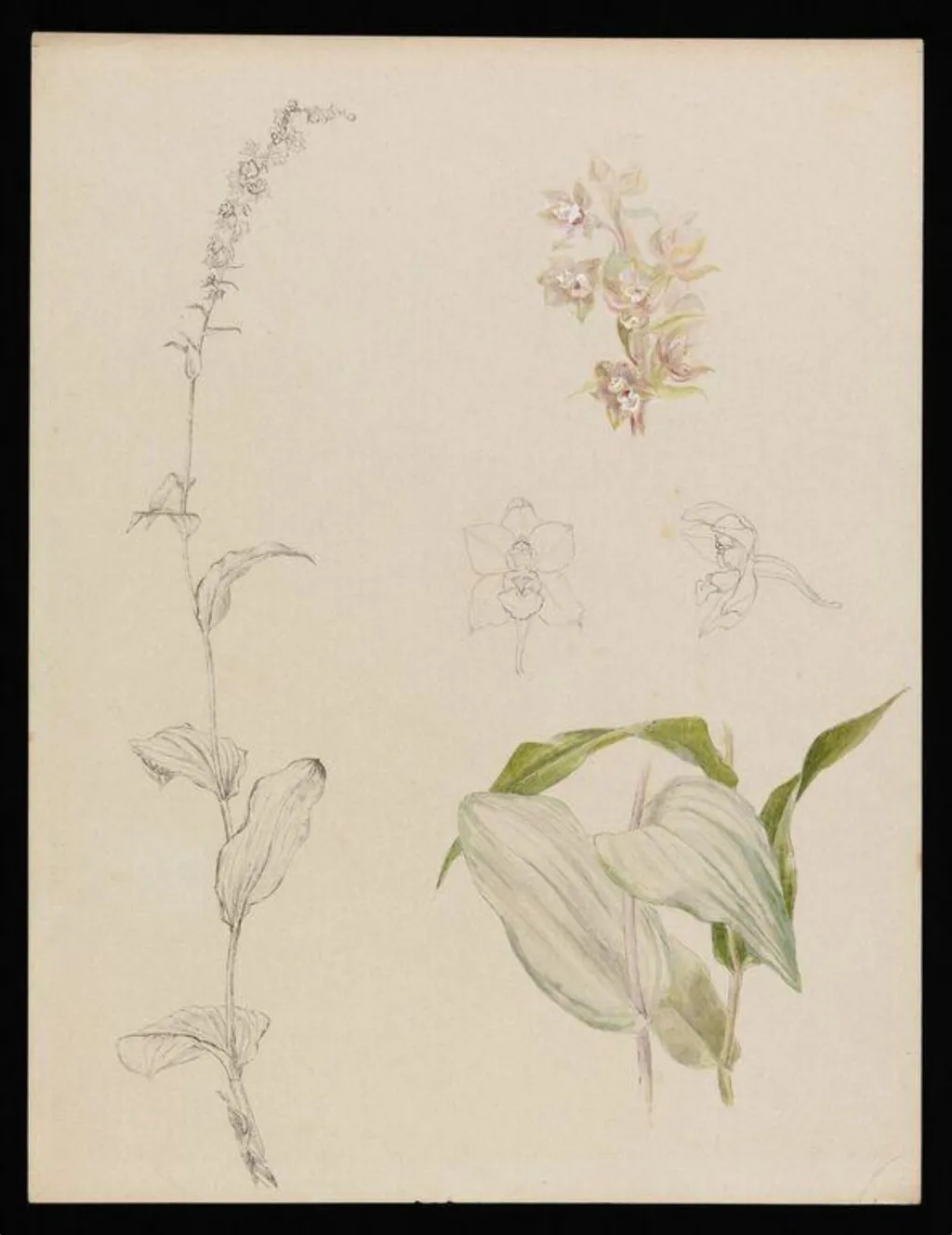
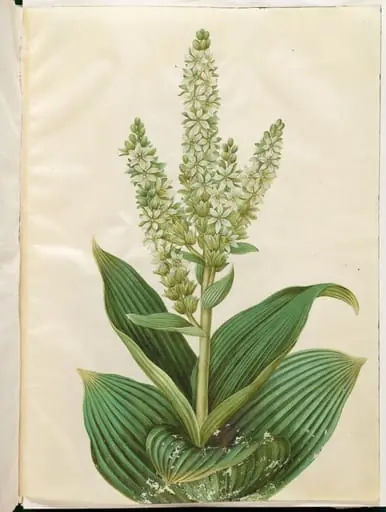
Sketches of marsh helleborine is a watercolor work on paper by the Impressionist artist Beatrix Potter. It dates from 1894 and is held in the collection of the Victoria and Albert Museum.
About this work
Overview
Beatrix Potter created detailed watercolour studies of wildflowers during extended summer visits to the Lake District in the 1880s and 1890s.
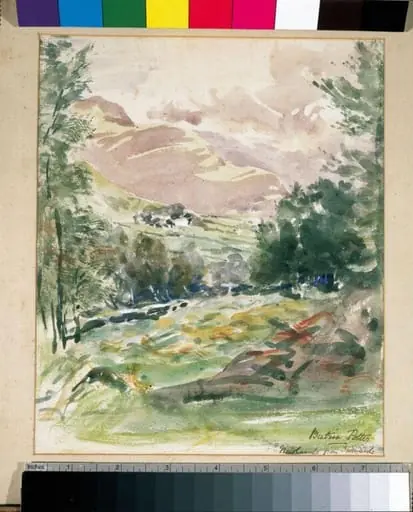
Beatrix Potter created detailed watercolour studies of wildflowers during extended summer visits to the Lake District in the 1880s and 1890s. Among these is a precise depiction of the marsh helleborine, an orchid native to damp, peaty environments. These works reflect her early scientific interest in botany, predating her fame as a children’s author. The sketches were made near Derwentwater, where her family regularly stayed, and demonstrate her disciplined observation of natural forms.
Subject & Meaning
The marsh helleborine, a rare orchid thriving in wetlands, was chosen for its delicate structure and seasonal presence. Potter’s focus on this specific plant reveals her engagement with local flora beyond mere aesthetic interest. Her studies were not decorative but aimed at accurate representation, aligning with the botanical recording practices of the time. The flower’s habitat—moist, shaded margins of lakes and streams—was familiar from her walks around Keswick.
Technique & Style
Using watercolour on paper, Potter rendered the orchid with fine, controlled brushwork and subtle layering to capture its translucent petals and intricate veining. She avoided idealization, preserving the plant’s natural irregularities and the dampness of its surroundings. The composition is tightly framed, isolating the specimen to emphasize anatomical detail. Her technique shows training in observational drawing, influenced by scientific illustration traditions.
History & Provenance
Potter and her family began summering near Derwentwater in 1882, returning annually through the 1890s. These watercolours were produced during that period, before her 1905 purchase of Hill Top Farm. The sketches remained in her personal collection, later preserved by her estate. They are now held as part of her broader archive of natural history studies, separate from her published literary works.
Context
In late Victorian England, amateur naturalists—particularly women—often documented local flora and fauna as a respectable pursuit. Potter’s flower studies fit within this tradition, alongside her fungal illustrations submitted to the Linnean Society. Her attention to botanical accuracy was uncommon among illustrators of her time, who frequently stylized plants. These works reflect a quiet, methodical engagement with nature, distinct from the whimsy of her later tales.
Legacy
Though best known for Peter Rabbit, Potter’s botanical drawings are now recognized as significant contributions to regional natural history. They reveal her scientific curiosity and patience, qualities that informed her later storytelling. These watercolours remain studied by botanists and art historians alike, offering insight into her development as an observer before she became a writer. They stand as quiet testaments to her deep connection with the Lake District landscape.
Artist & collection
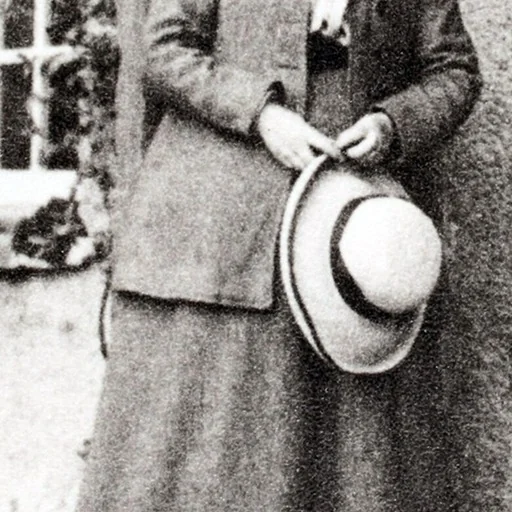
Artist
Helen Beatrix Heelis (née Potter; 28 July 1866 – 22 December 1943), usually known as Beatrix Potter ( BEE-ə-triks), was an English writer, illustrator, natural scientist, and conservationist.