Artwork
Cleopatra
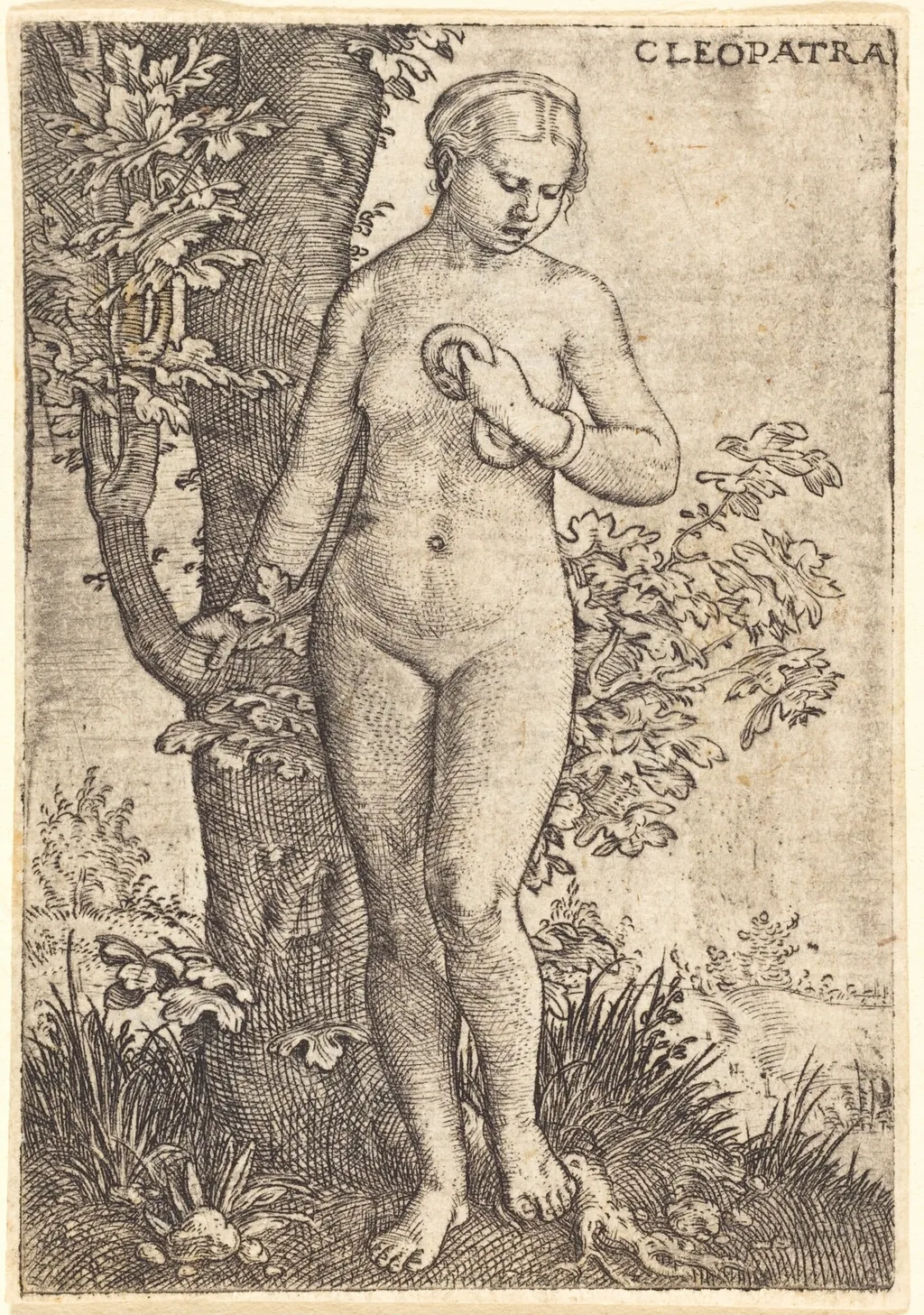
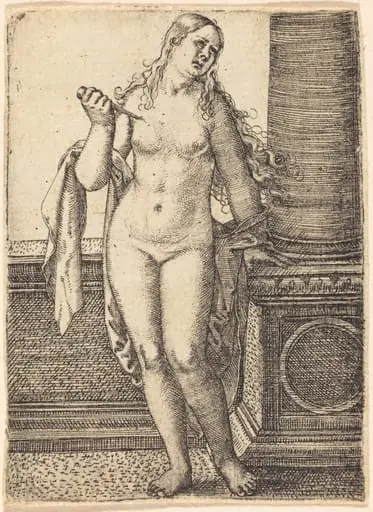
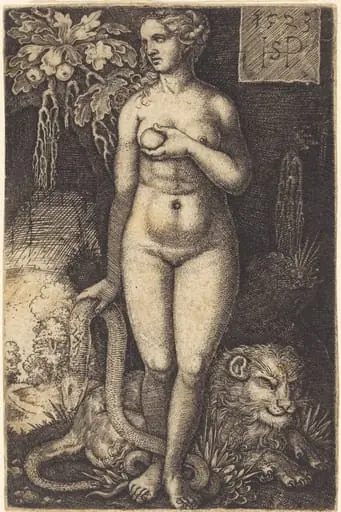
Cleopatra is an ink print by the Renaissance artist Barthel Beham. It dates from 1524 and is held in the collection of the National Gallery of Art.
About this work
Overview
Barthel Beham’s 1524 engraving, titled Cleopatra, presents a solitary female figure in a wooded setting. Rendered on laid paper, the print measures the delicate balance between human form and natural elements, using the medium’s capacity for fine line work to convey texture and depth.
Subject & Meaning
The central figure stands barefoot, nude above the waist, clutching a coiled snake in one hand and a sprig of vine in the other. Though labeled Cleopatra, the scene does not depict a historical portrait; instead it evokes mythic associations of the Egyptian queen with danger, sensuality, and the natural world.
Technique & Style
Beham employs precise, incised lines and cross‑hatching to model the figure’s skin, the snake’s scales, and the surrounding foliage. The engraving’s tonal range emerges from varied line density, allowing subtle shading of foliage, bark, and small fauna such as birds and a rabbit that populate the background.
History & Provenance
Created in the early sixteenth century, the print reflects the Northern Renaissance interest in classical and exotic subjects. It survives in several museum collections, documented in catalogues of Beham’s oeuvre, and is noted for its early exploration of Cleopatra as an allegorical figure rather than a literal portrait.
Context
During the 1520s, German engravers like Beham often merged humanist themes with detailed natural observation. The work aligns with contemporary fascination with antiquity and the moral symbolism attached to serpents and vines, common motifs in Renaissance allegory.
Artist & collection

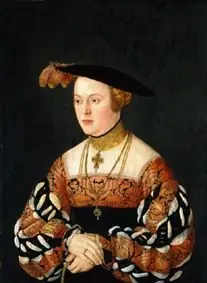 Portrait of Marie of Baden
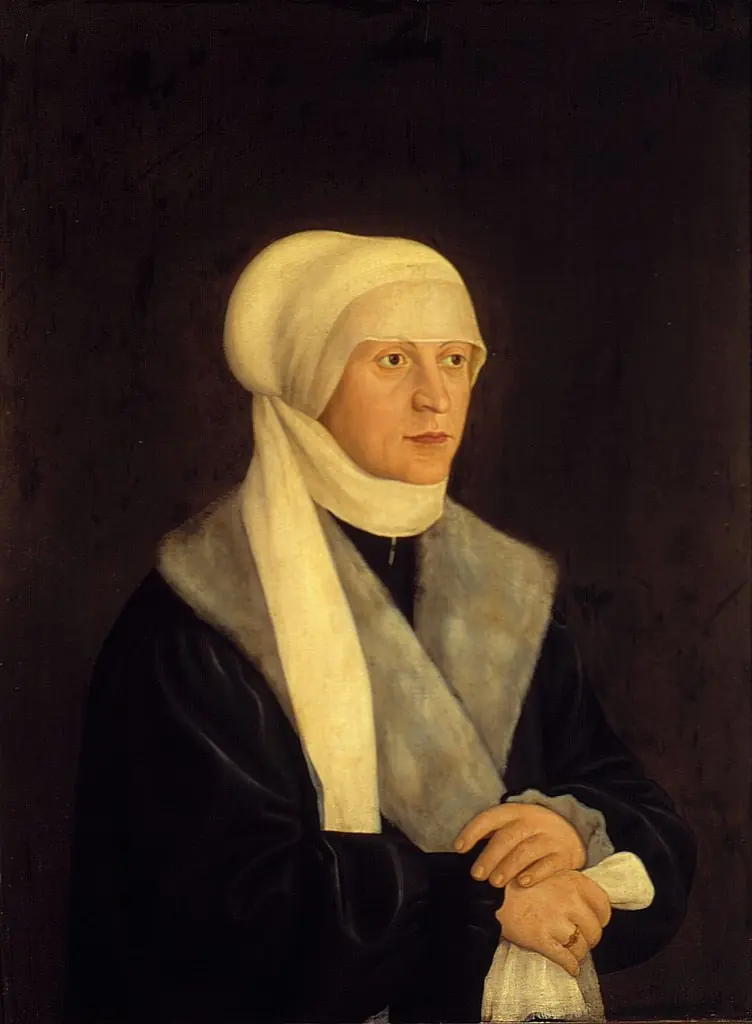 Portrait of Sabina of Bavaria
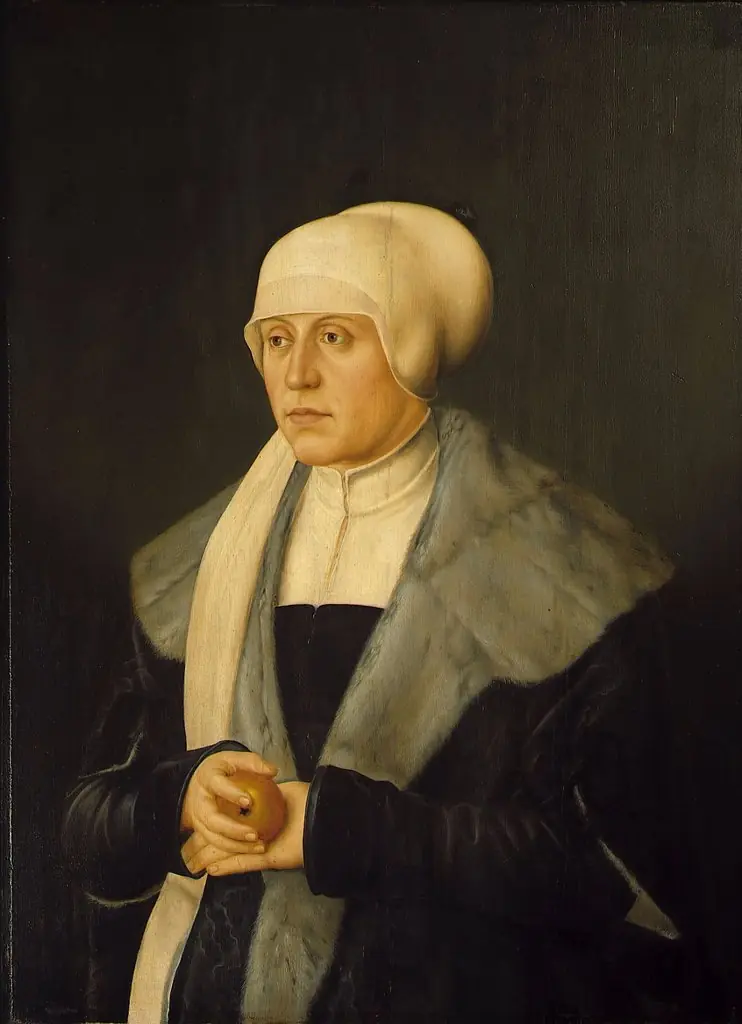 Kunigunde of Austria, wife of Duke Albrecht IV of Bavaria
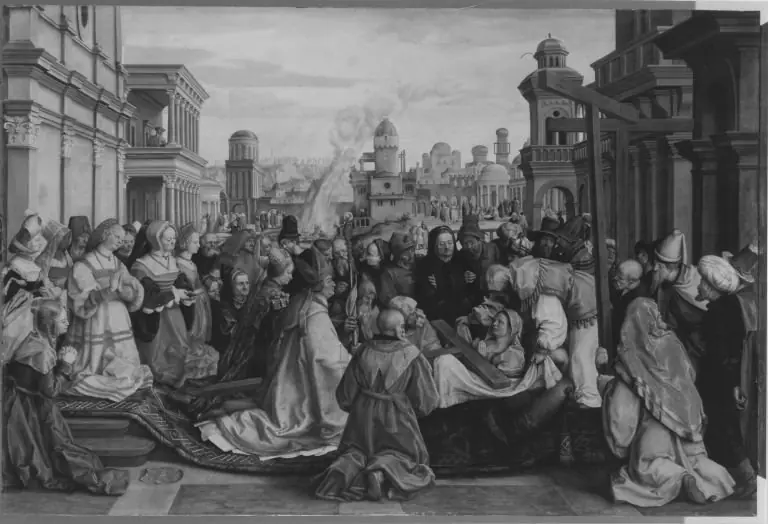 Historienzyklus: Kreuzauffindung der hl. Helena
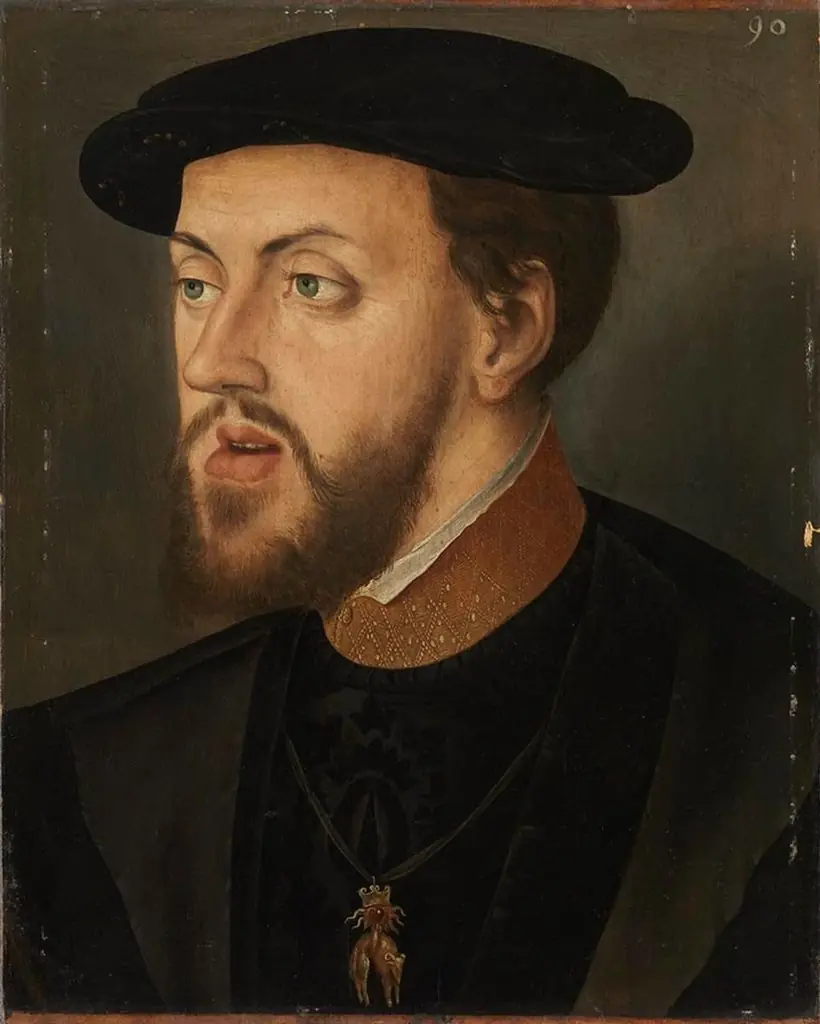 Emperor Charles V
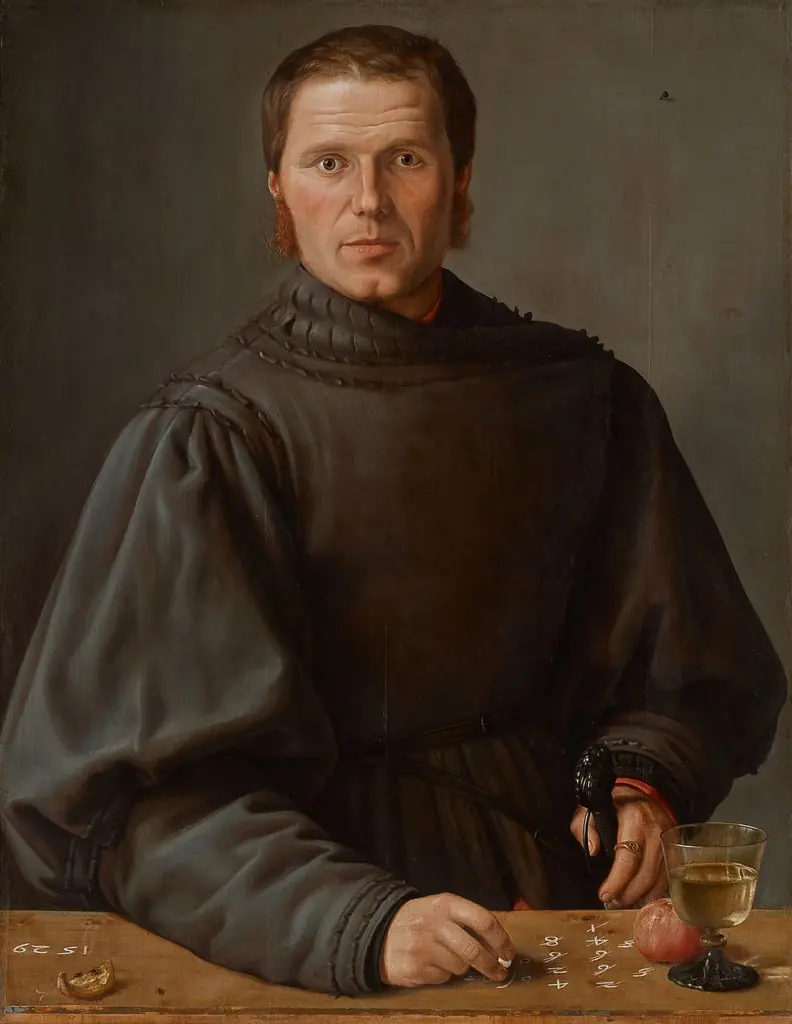 Portrait of a Man
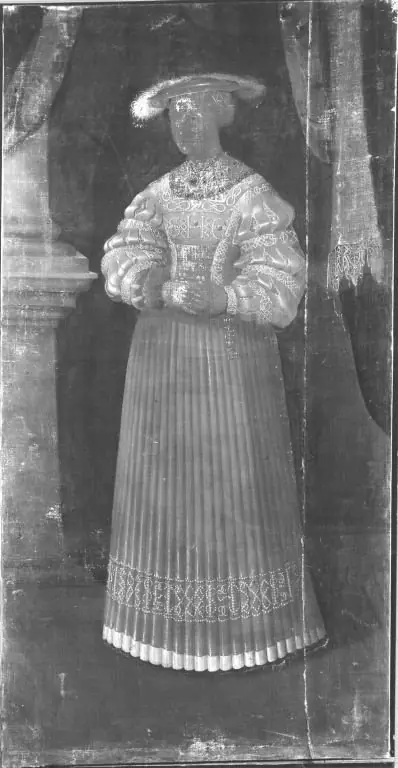 Susanna von Brandenburg, Gemahlin Ottheinrichs (Seitenverkehrte Kopie nach Inv.-Nr. 2450) (Kopie nach)
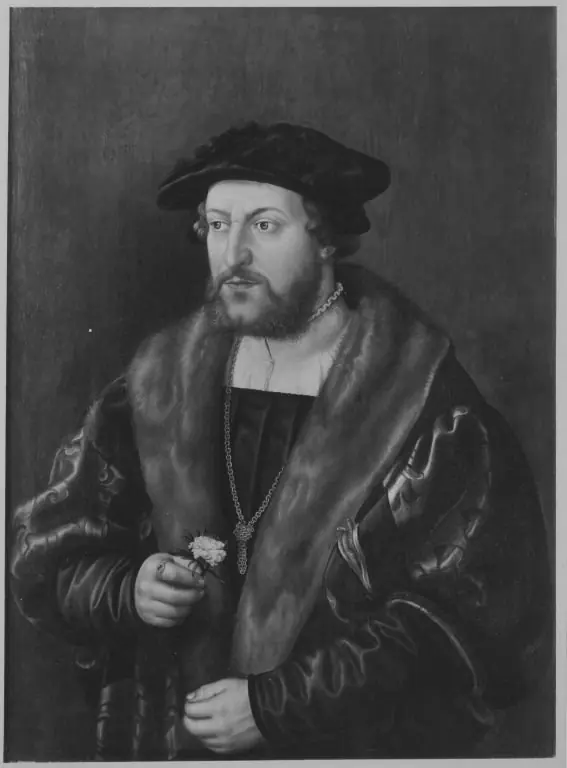 Portrait of Herzog Johann III, Paltzgraf bei Rhein (1488-1538)