Artwork
Memento Mori
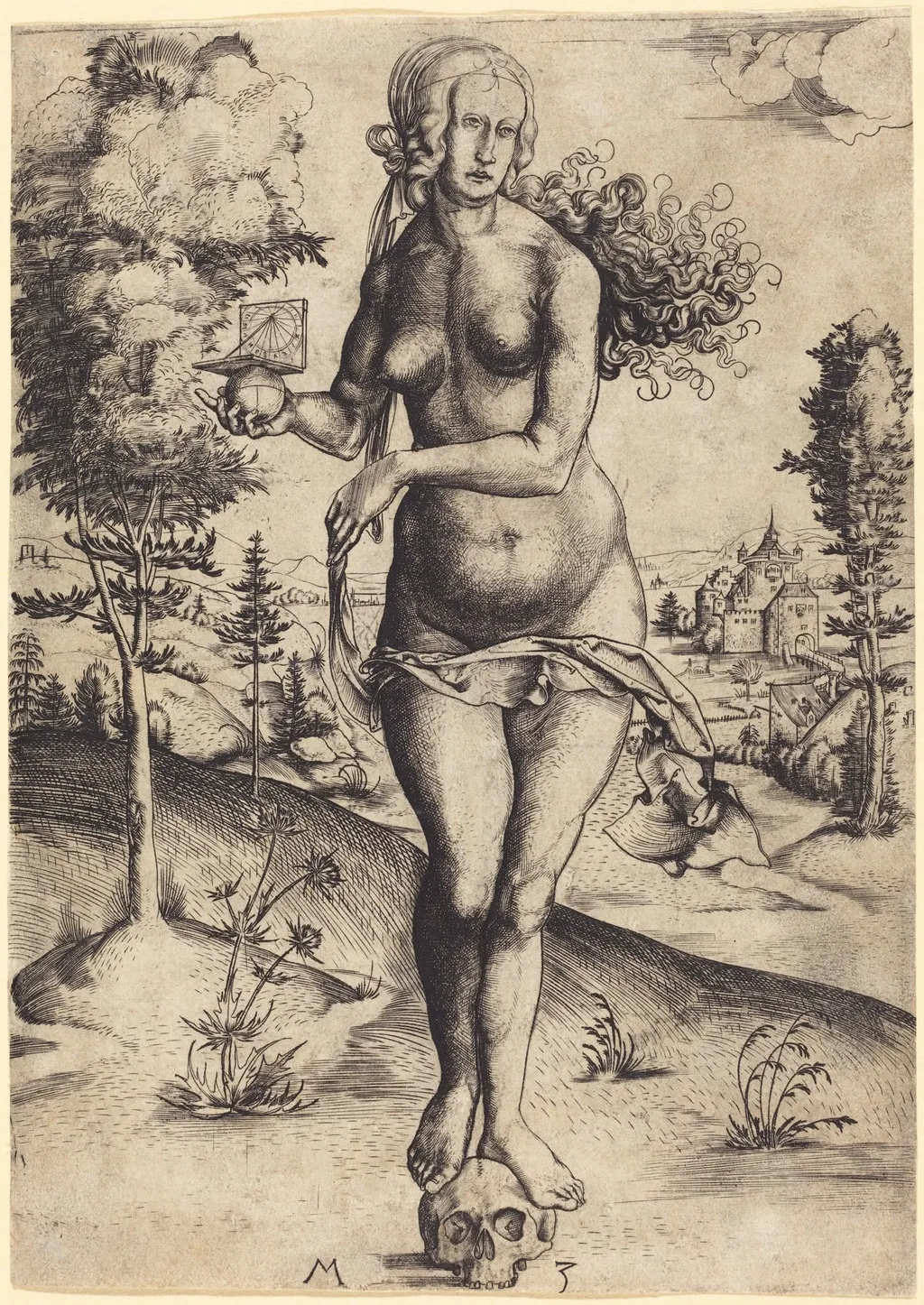
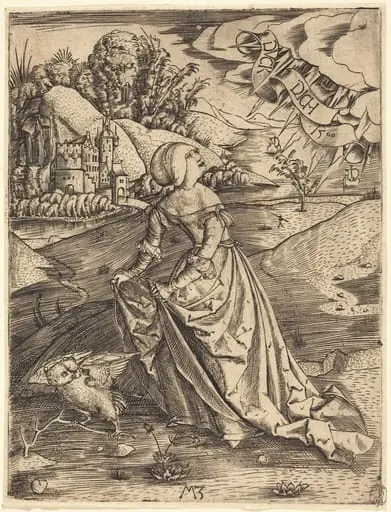
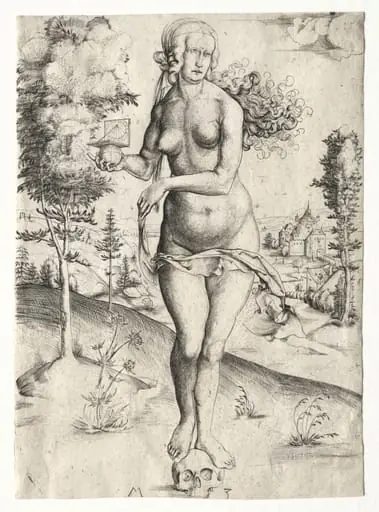
Memento Mori is an ink print by the Renaissance artist Master MZ. It dates from 1501 and is held in the collection of the National Gallery of Art.
About this work
Overview
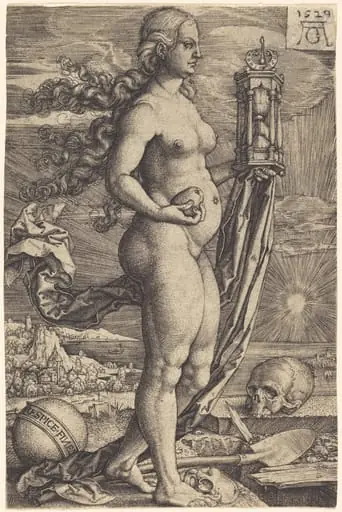
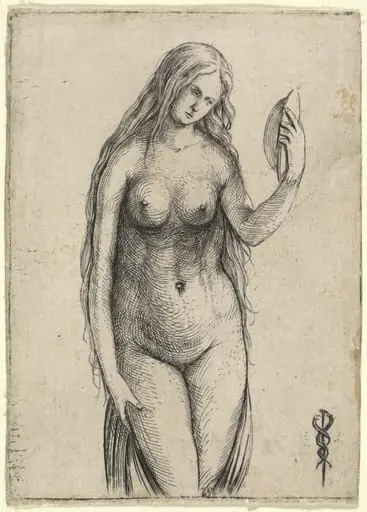
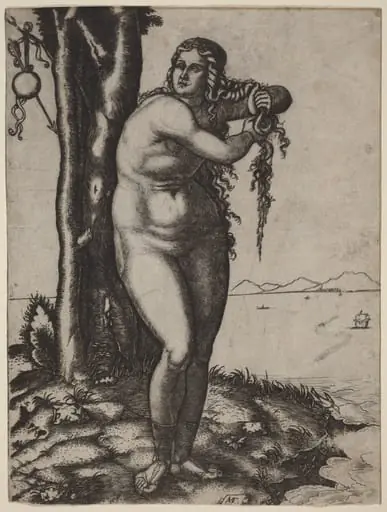
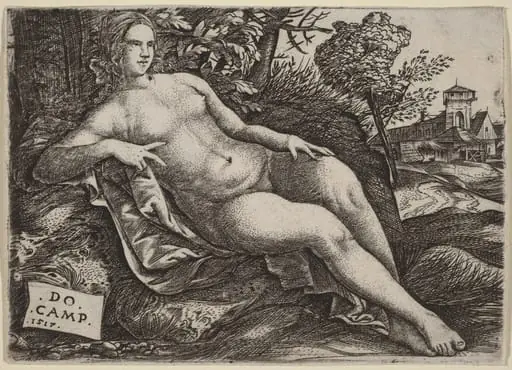
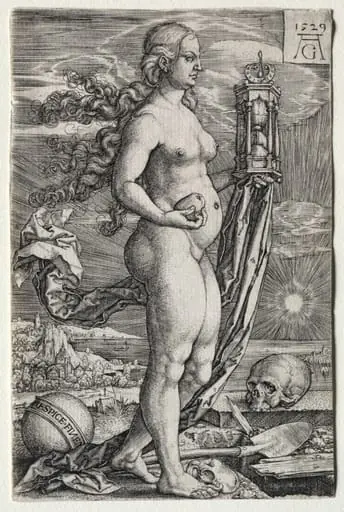
Memento Mori, an engraving on laid paper attributed to the anonymous Master MZ, dates to roughly 1501. The print presents a solitary nude female figure set within a wooded landscape, holding a small mirror in one hand and a skull in the other, while a distant castle crowns a hill beyond the trees.
Subject & Meaning
The juxtaposition of the youthful, unclothed woman with the emblematic skull and reflective glass evokes the traditional vanitas theme, reminding viewers of life's transience and the inevitability of death. The mirror suggests self‑contemplation, while the skull serves as a stark memento of mortality.
Technique & Style
Executed as a fine line engraving, the work demonstrates meticulous incising on laid paper, allowing for delicate textures in foliage, feathered birds, and the winding path. The contrast between the smooth, luminous skin of the figure and the intricate background details highlights the artist’s command of tonal variation.
History & Provenance
The print emerged in the early sixteenth century, a period when Northern European printmakers frequently explored moralizing subjects. Though the identity of Master MZ remains uncertain, the work is catalogued among his known oeuvre and has circulated in collections of early prints since the 19th century.
Context
Memento Mori belongs to a broader tradition of Renaissance prints that combined allegorical content with technical virtuosity. Its imagery aligns with contemporary emblem books and sermons that employed the skull as a visual reminder of the fleeting nature of earthly pleasures.
Artist & collection