Artwork
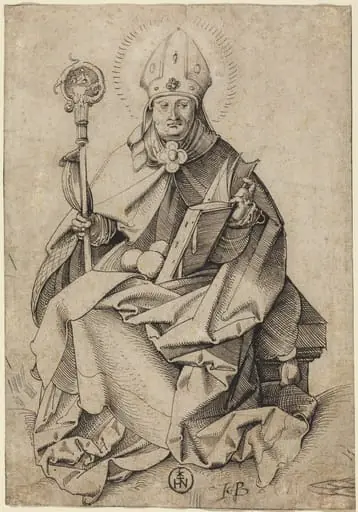
Saint John
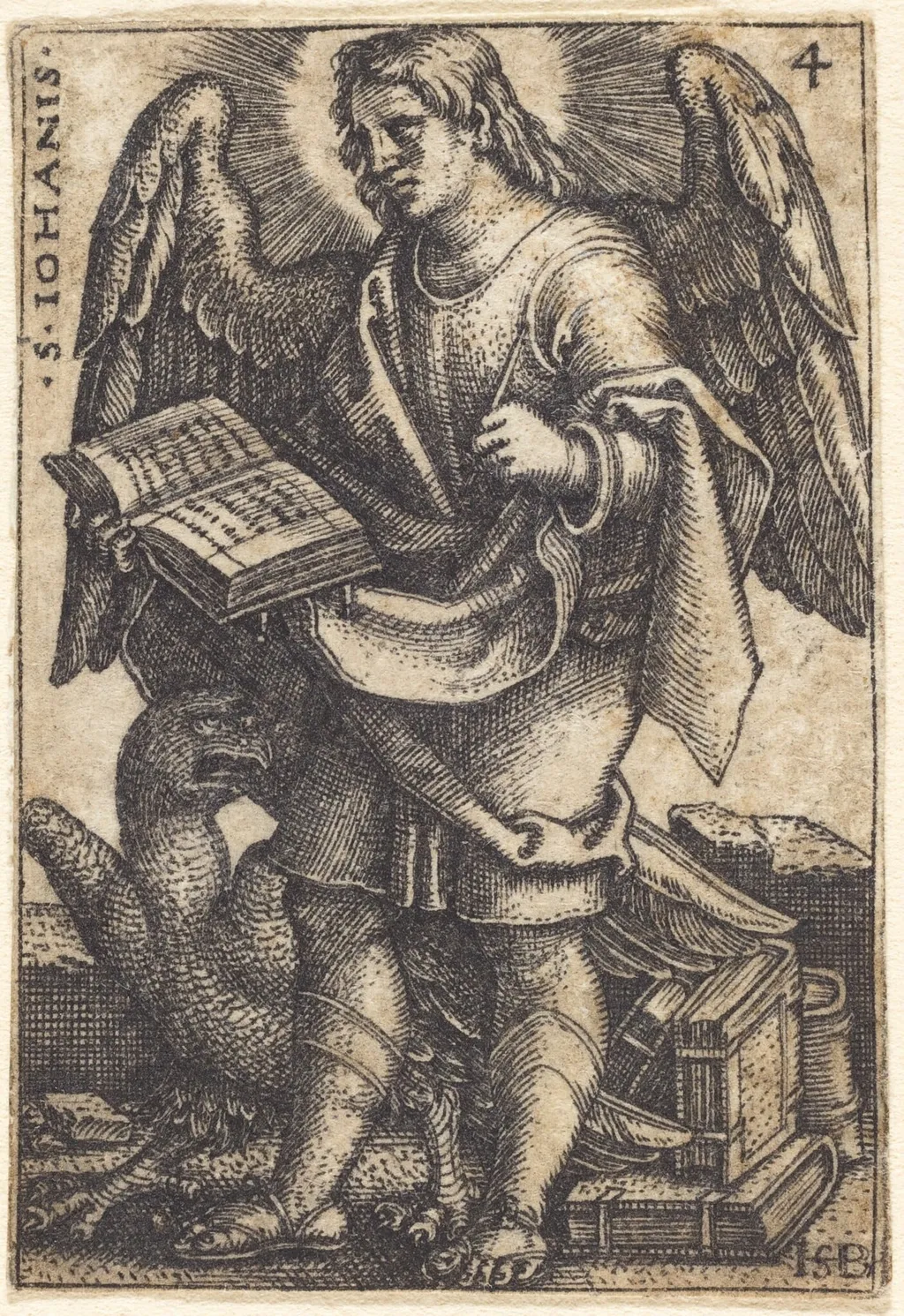
Saint John is an ink print by the Renaissance artist Sebald Beham. It dates from 1541 and is held in the collection of the National Gallery of Art.
About this work
Overview
As a member of the Little Masters, he focused on small, intricately detailed prints that appealed to collectors seeking refined, intimate imagery.
Sebald Beham, a Nuremberg-based artist active in the early 16th century, produced this engraving of Saint John in 1541. As a member of the Little Masters, he focused on small, intricately detailed prints that appealed to collectors seeking refined, intimate imagery. His work emerged in the wake of Albrecht Dürer’s influence, continuing a tradition of technical precision in printmaking during a period of religious and artistic transformation in Germany.
Subject & Meaning
The engraving portrays Saint John the Evangelist in a quiet, unadorned manner, dressed in modest garments and rendered with a calm expression. Unlike dramatic depictions of saints common in the era, Beham emphasizes humility and introspection. The absence of symbolic attributes like a chalice or eagle suggests a focus on the figure’s spiritual presence rather than narrative context, inviting contemplation over doctrinal reference.
Technique & Style
Beham employed fine-line engraving to achieve remarkable detail within a compact format. The surface is marked with delicate cross-hatching and controlled burin strokes that model form and texture with subtlety. This method required exceptional hand control and patience, reflecting the Little Masters’ commitment to craftsmanship over scale. The result is a highly resolved image that rewards close viewing, characteristic of prints designed for private devotion or collection.
History & Provenance
Created in 1541, the engraving was produced during a time of religious upheaval in the Holy Roman Empire. Though Beham was briefly exiled for radical views, his prints remained widely circulated. This work likely entered private collections in southern Germany or the Low Countries, where demand for small religious prints endured despite Reformation iconoclasm. Its survival reflects the resilience of devotional imagery in domestic settings.
Context
In the decades following Dürer, German printmakers like Beham turned to intimate religious subjects as large-scale altarpieces declined in popularity. The Little Masters catered to urban elites who valued technical mastery and personal piety. Engravings such as this one served both devotional and aesthetic functions, bridging the gap between sacred imagery and the growing market for collectible art in Protestant regions.
Legacy
Beham’s engraving exemplifies the enduring appeal of small-scale printmaking in early modern Europe. His meticulous technique influenced later generations of engravers and contributed to the canon of Northern Renaissance graphic art. Though less celebrated than his predecessors, his work remains a testament to the quiet power of detail and the role of prints in shaping private religious experience during a turbulent century.
Artist & collection
Artist
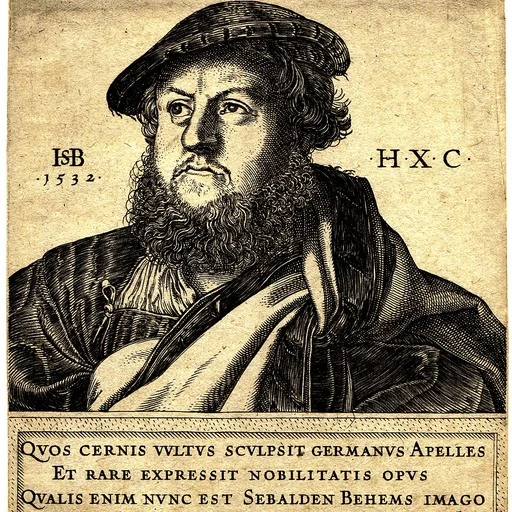
Sebald Beham (1500–1550) was a German painter and printmaker, mainly known for his very small engravings.


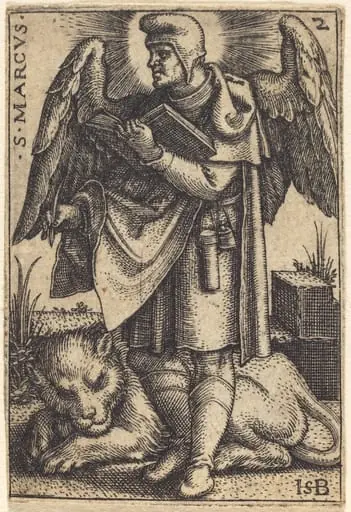 Saint Mark
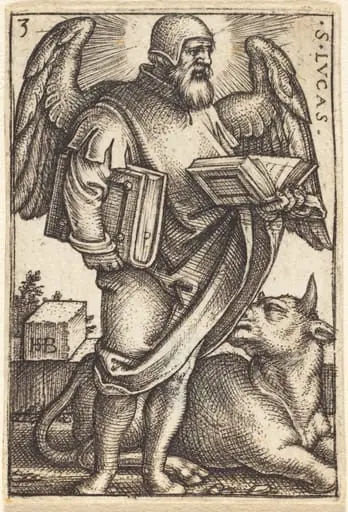 Saint Luke
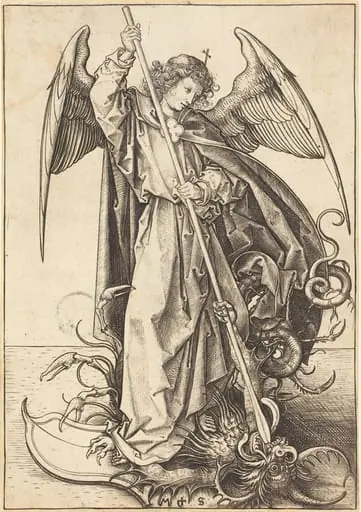 Saint Michael Slaying the Dragon
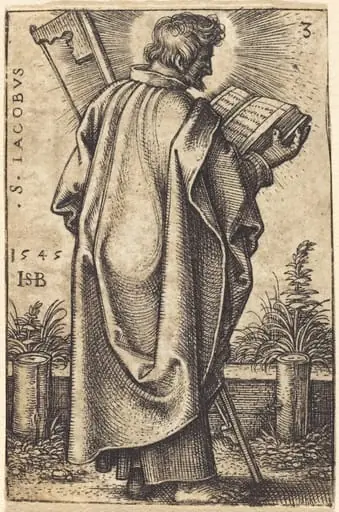 Saint James the Less
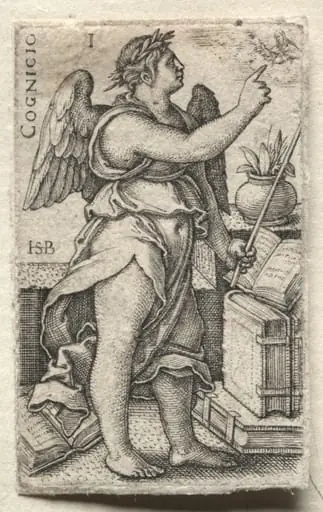 The Knowledge of God and the Seven Cardinal Virtues: Knowledge of God - Cognicio
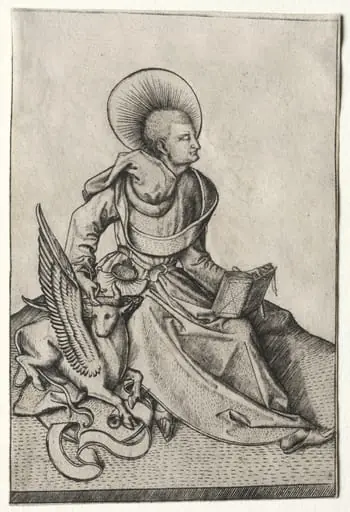 The Evangelists: St. Luke
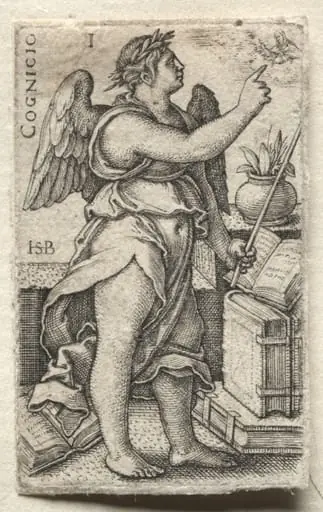 The Knowledge of God and the Seven Cardinal Virtues
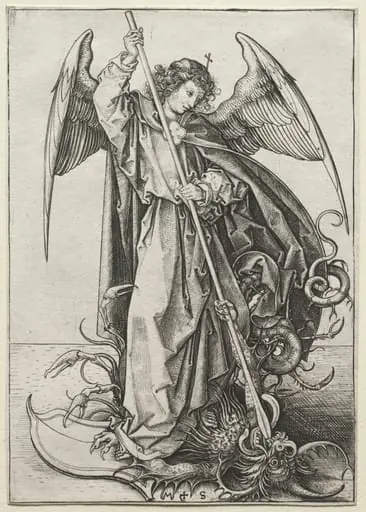 The Archangel Michael Piercing the Dragon
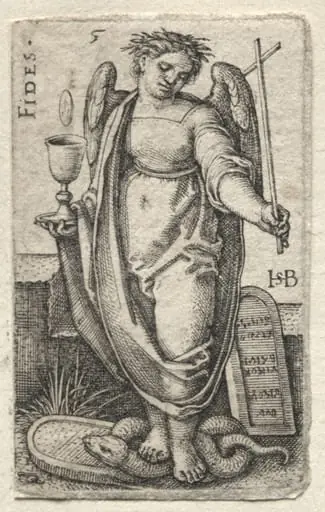 The Knowledge of God and the Seven Cardinal Virtues: Fidelity - Fides
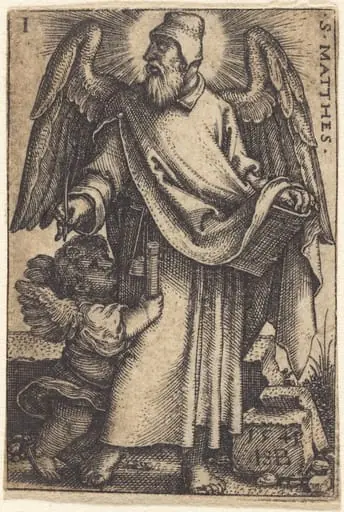 Saint Matthew