Artwork
A Bust
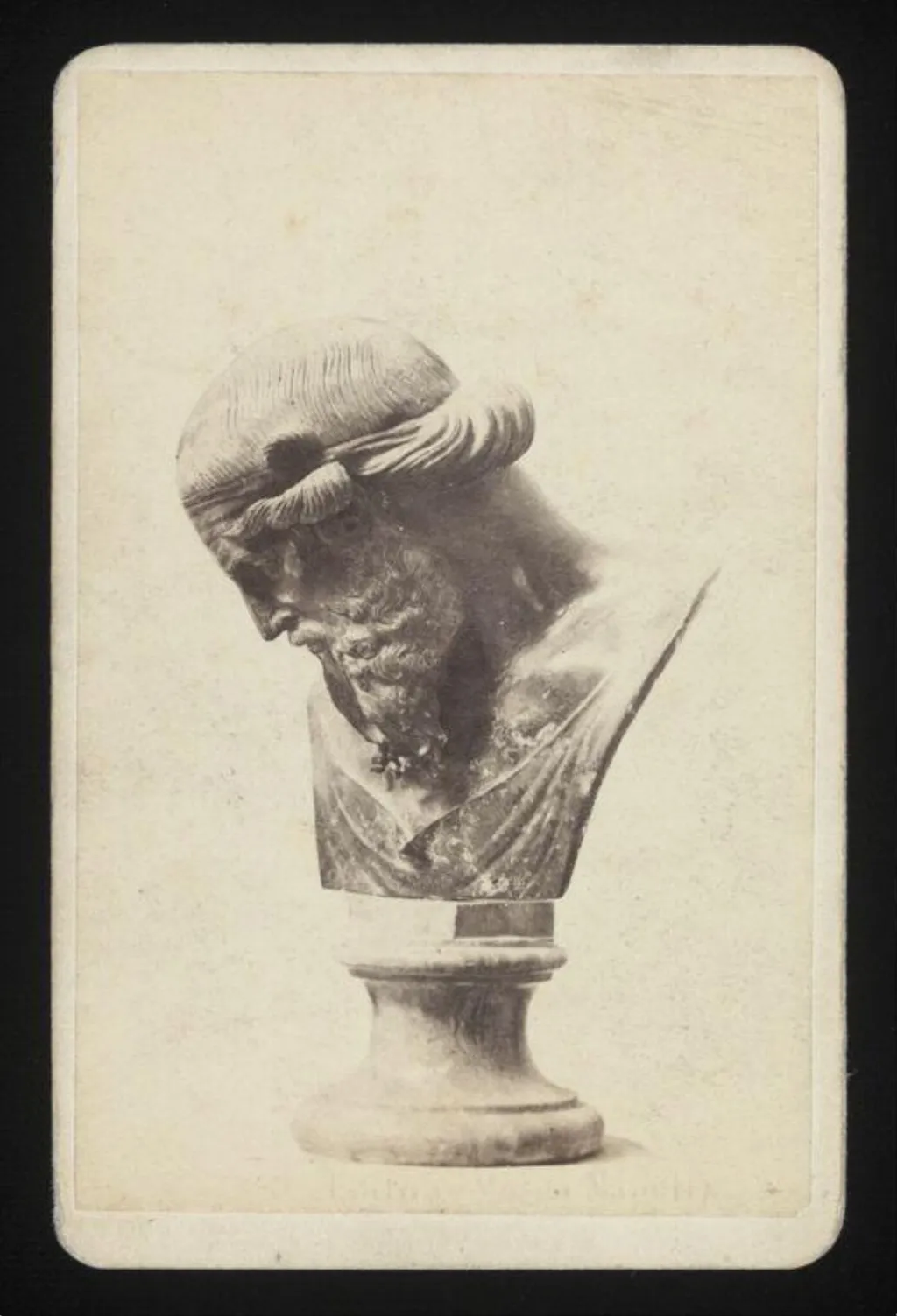
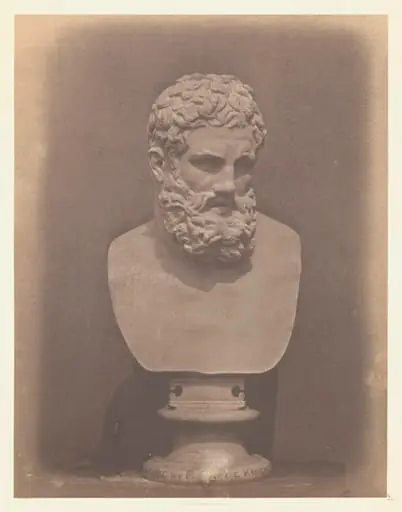
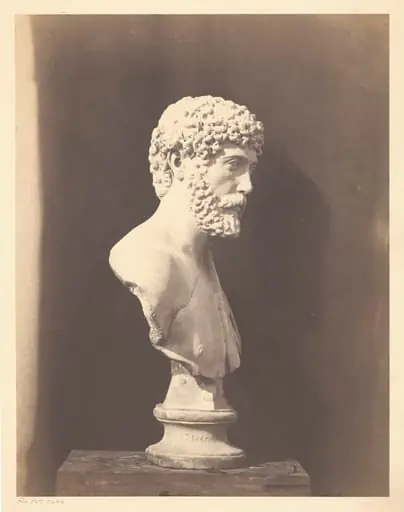
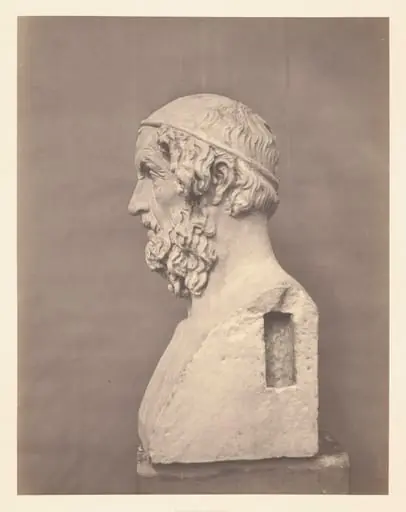
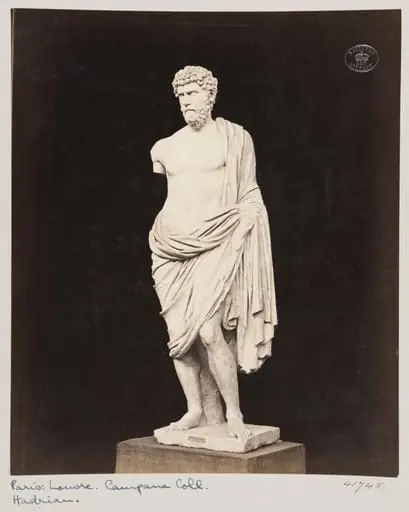
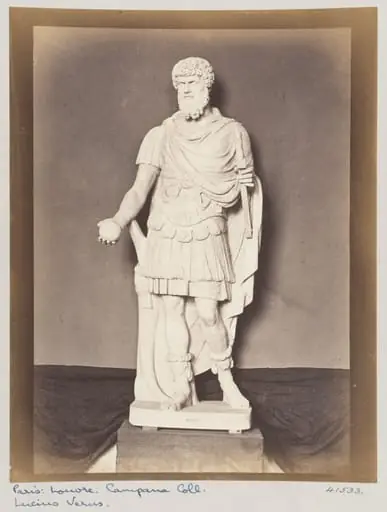
A Bust is a photographic photography by Edmundo Behles. It dates from 1850 and is held in the collection of the Victoria and Albert Museum.
About this work
Overview
The image preserves the delicate texture of stone and the subtle play of light across its surface, emphasizing form over detail.
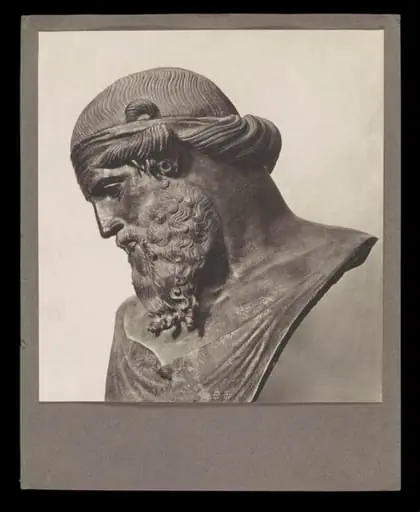
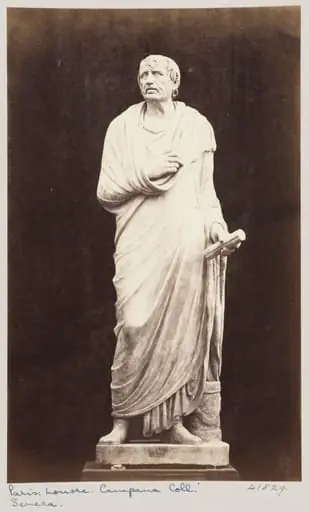
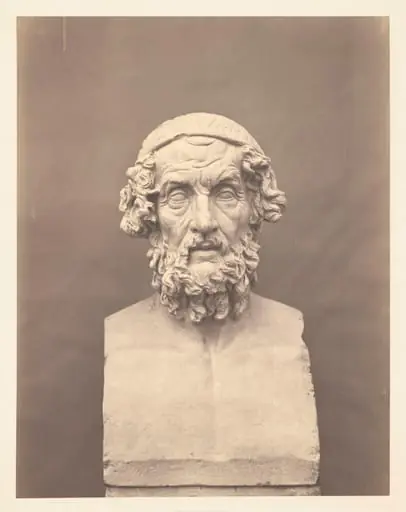
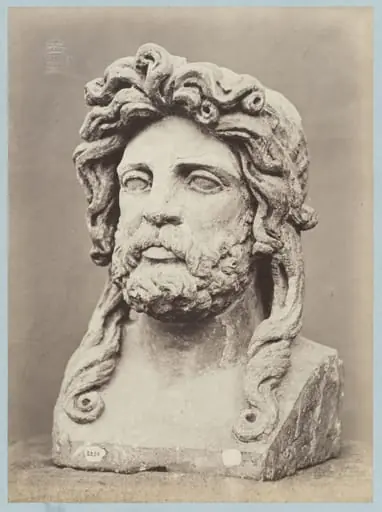
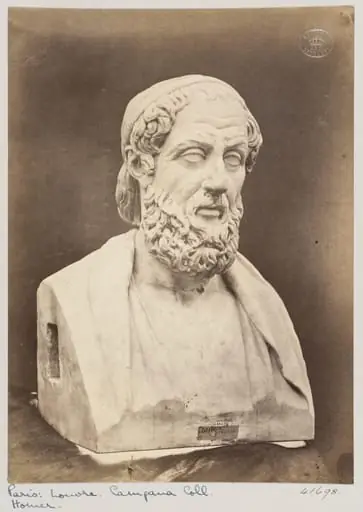
A black-and-white carte-de-visite photograph captures a sculptural bust in profile, rendered with the soft tonal gradations typical of early photographic processes. The image preserves the delicate texture of stone and the subtle play of light across its surface, emphasizing form over detail. Its modest scale and faded appearance suggest it was produced for personal or commercial distribution in the mid-19th century.
Subject & Meaning
The bust depicts an anonymous figure wearing a low-draped hat that conceals most of the face, leaving only the forehead and a strand of hair visible. A slender object, possibly a feather or stylus, rests on the shoulder, hinting at intellectual or artistic identity. The obscured features invite contemplation rather than identification, suggesting a symbolic representation of thought or creativity.
Technique & Style
The photograph employs the carte-de-visite format, known for its small size and mass reproducibility. The image’s soft focus and muted contrast reflect the limitations of early photographic emulsions, yet the lighting carefully models the bust’s contours. Fine details in the hat’s folds and the neckline are preserved, revealing the photographer’s attention to sculptural texture.
History & Provenance
Produced during the height of carte-de-visite popularity in the 1850s–1870s, this image likely served as a keepsake or collector’s item. Such photographs often reproduced sculptures in private collections or public exhibitions, bridging art and emerging photographic culture. Its current location is unconfirmed, but similar examples are held in institutions like the Victoria and Albert Museum.
Context
In the mid-19th century, photographs of sculptures became common as a means of disseminating art beyond galleries. This image reflects a broader trend of using photography to document and democratize access to classical and contemporary sculpture. The choice of a veiled, enigmatic figure aligns with Romantic-era ideals that valued mystery and introspection over literal representation.
Legacy
Though the identity of the subject remains unknown, the photograph endures as an example of how early photography engaged with sculpture as both subject and medium. Its quiet composition and faded state evoke the passage of time, offering a quiet meditation on the relationship between physical form, its reproduction, and memory.
Artist & collection
Artist
Edmundo Behles kept a darkroom in a cramped Buenos Aires apartment where he mixed paints and chemicals until his hands stayed yellow for days.