Artwork
Portret de bărbat
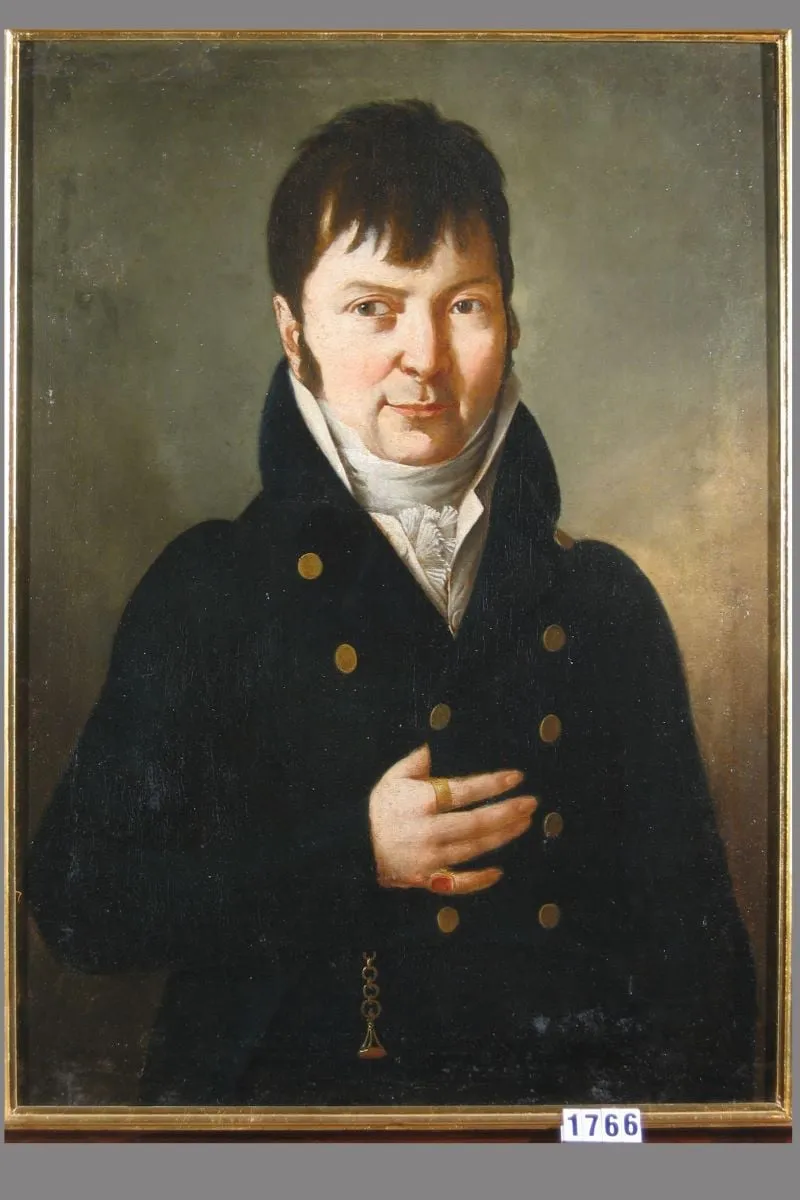
Portret de bărbat is an unspecified painting by Franz Anton Bergmann. It is held in the collection of the Brukenthal National Museum.
About this work
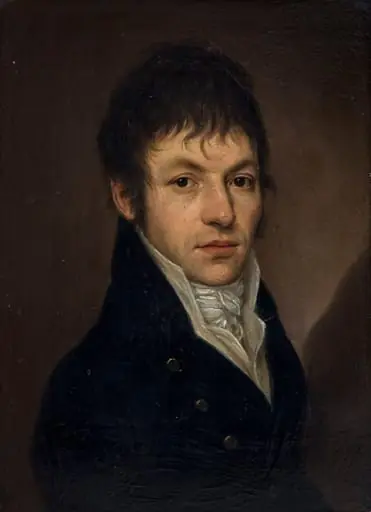
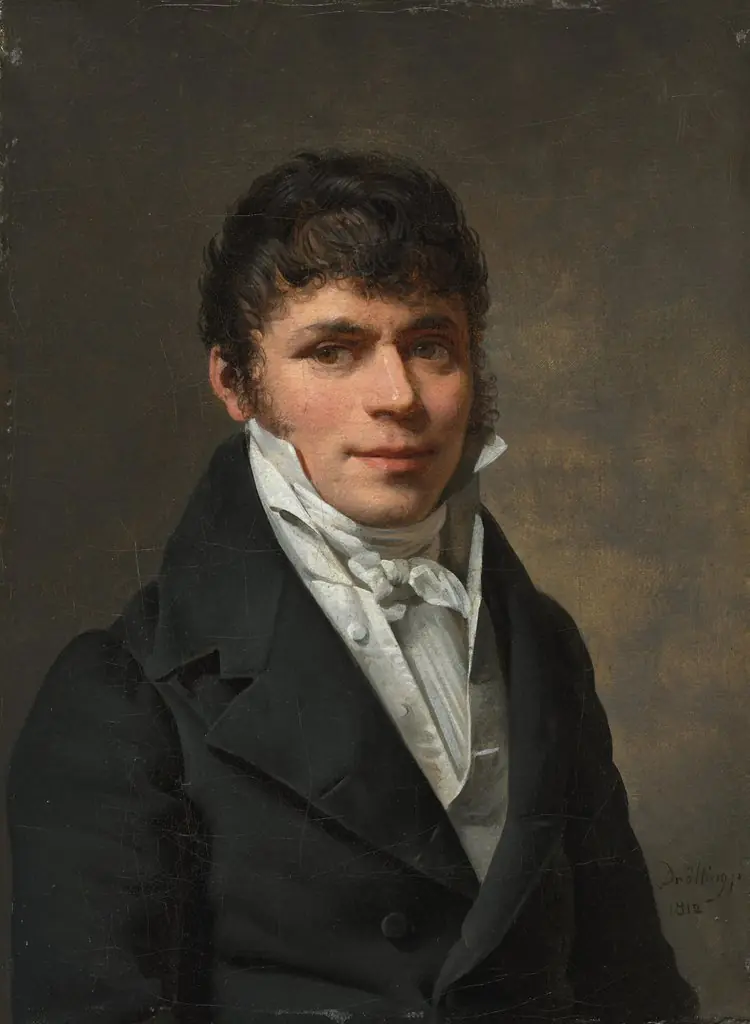
This painting depicts a man dressed in a black coat with gold buttons, adorned with a white cravat and a ring on his right hand.
This painting depicts a man dressed in a black coat with gold buttons, adorned with a white cravat and a ring on his right hand. The man's dark hair is styled in a short cut, and he wears a serious expression. His gaze is directed straight ahead, exuding a sense of confidence.
The man's attire suggests a formal or professional setting, possibly from the 18th or 19th century. The artist's use of chiaroscuro creates a sense of depth and dimensionality in the portrait.
The painting is a portrait of a man, executed in a realistic style. To learn more about the artist's technique, explore the concept of chiaroscuro.
Overview
Portret de bărbat is a realistic portrait of a man, characterized by formal attire and a serious demeanor, suggesting a subject of professional or social standing from the 18th or 19th century.
Subject & Meaning
The subject, a man with dark, short-styled hair, conveys confidence through his direct gaze. His black coat with gold buttons and white cravat indicate a formal or professional context, though his specific identity and occupation remain unspecified.
Technique & Style
The artist employed chiaroscuro to achieve depth and dimensionality, emphasizing contrasts between light and dark to create a three-dimensional effect in the portrait.
Context
The painting reflects the artistic and societal norms of its time, likely 18th or 19th century, where such formal portraits served to project the subject's status and character.
Legacy
While the painting's impact or influence on subsequent art movements is not detailed here, its use of chiaroscuro highlights a technique common in European portraiture of the era.
Artist & collection
Artist
Franz Anton Bergmann painted small-scale portraits in oil and print during the late 1700s.

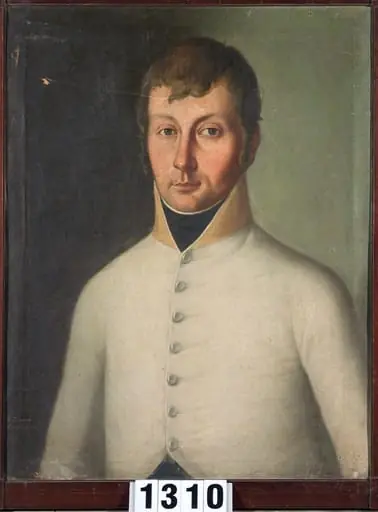 Maiorul von Kokh
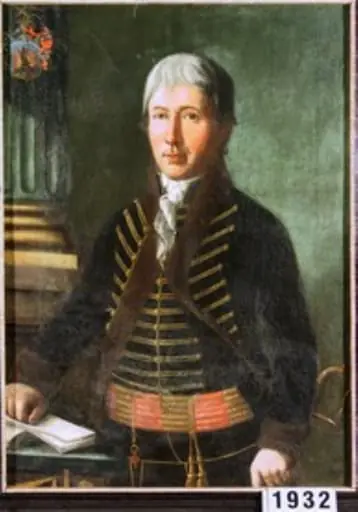 Andreas Traugott Krauss, primar din Mediaș (în Registrul inventar, înregistrat ca: Anton Traugott Kraus, primar din Mediaș)
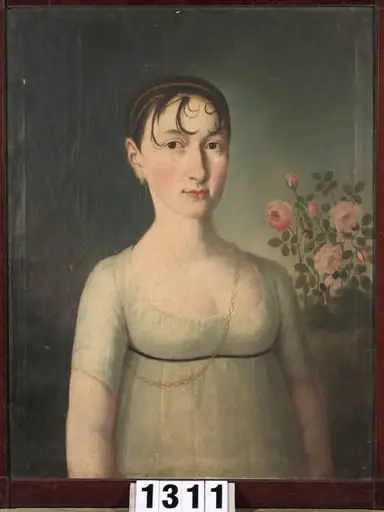 Therese Klein von Traussenburg, soția maiorului von Kokh
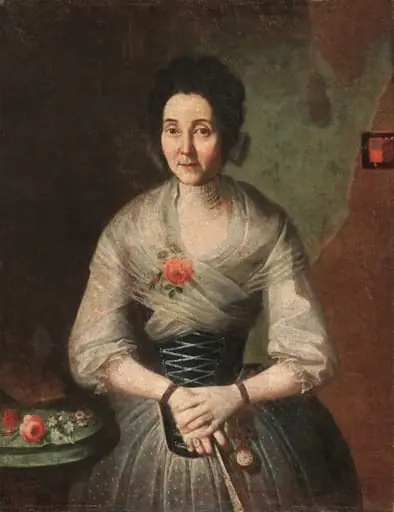 Soția medicului Pataki Samuel II (Szatmari Papp Sára) (În RI: Pataki Sámuelné Szatmari Papp Sára)
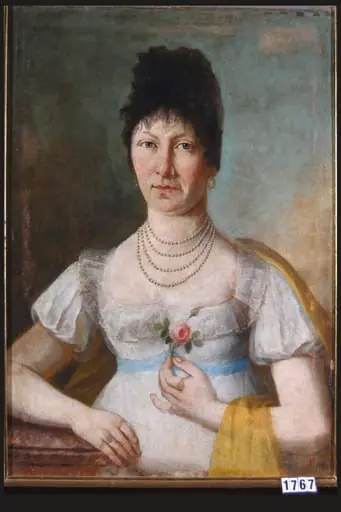 Portret de femeie
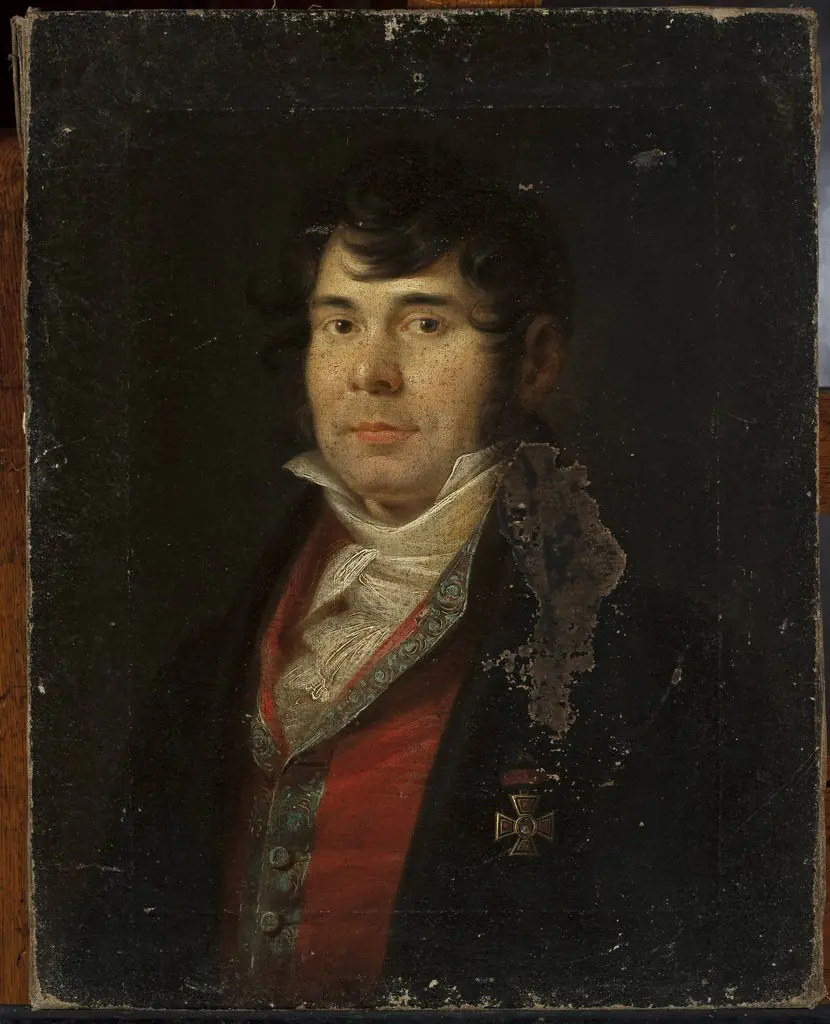 Male portrait
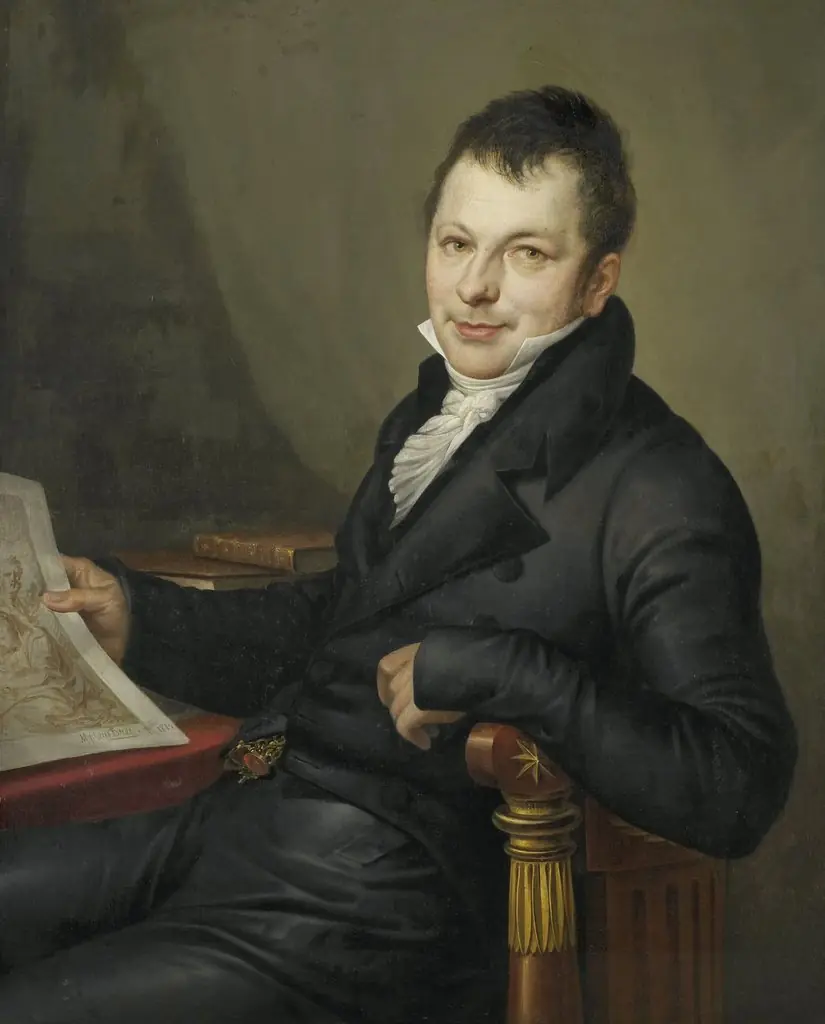 Johannes Hermanus Molkenboer(1773-1834). Art Collector
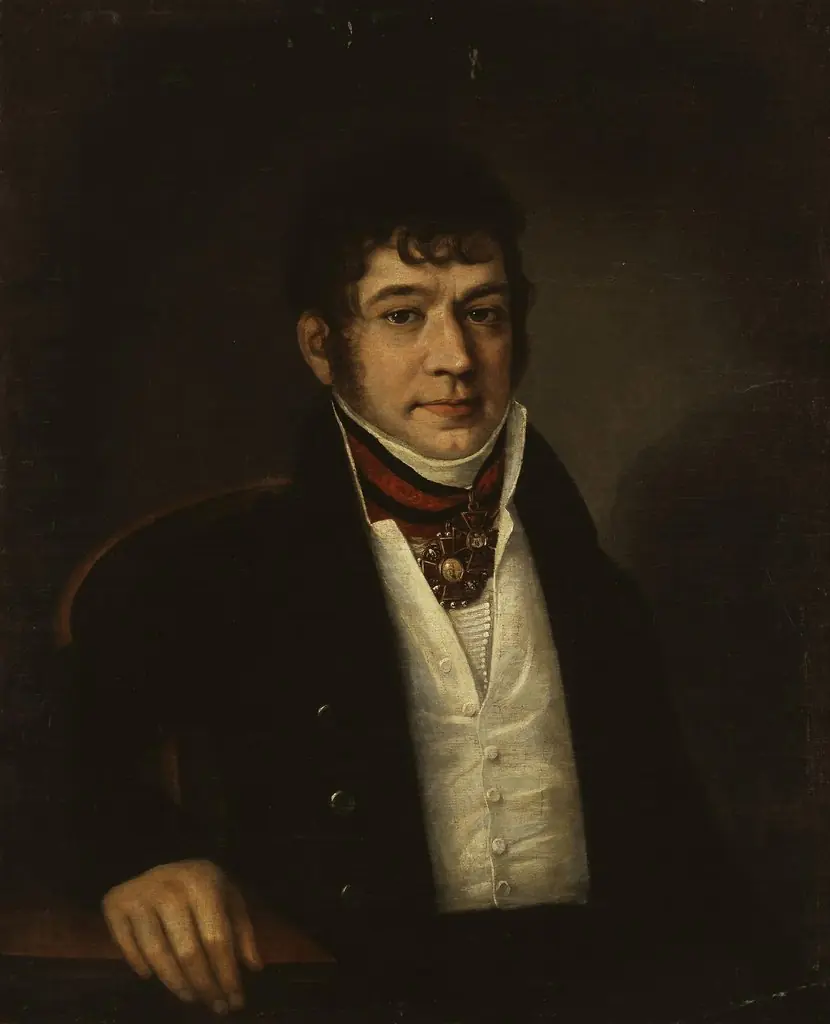 "Portrait of an Unknown Man from the Ogariov Family" (Platon Bogdanovich Ogariov?)
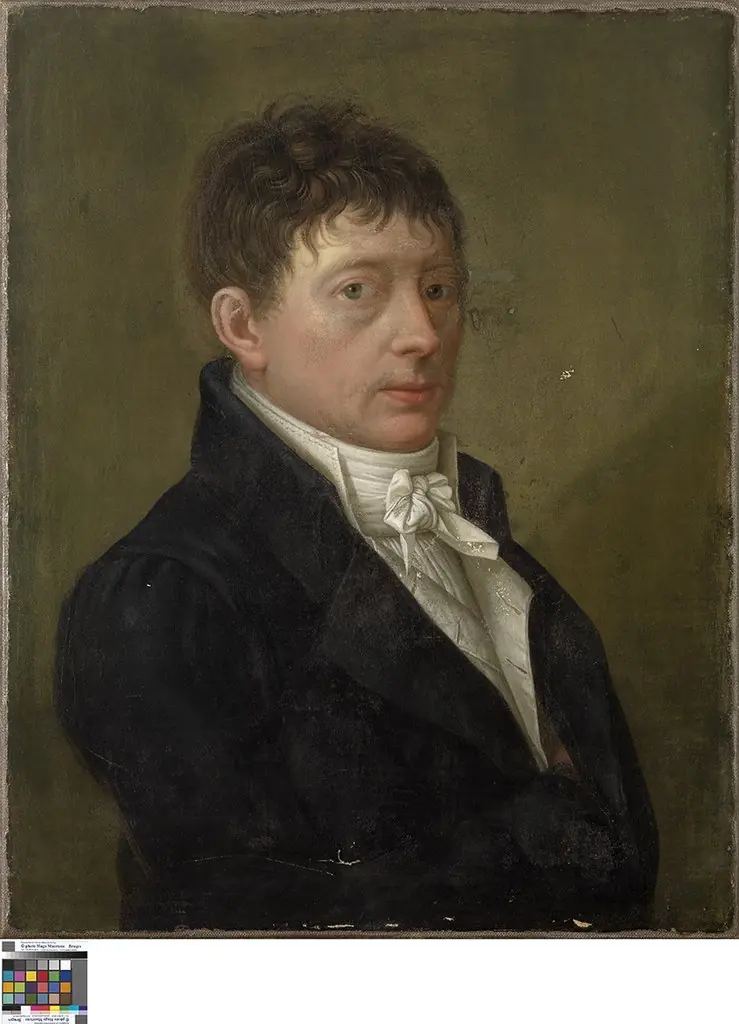 Portret van een man
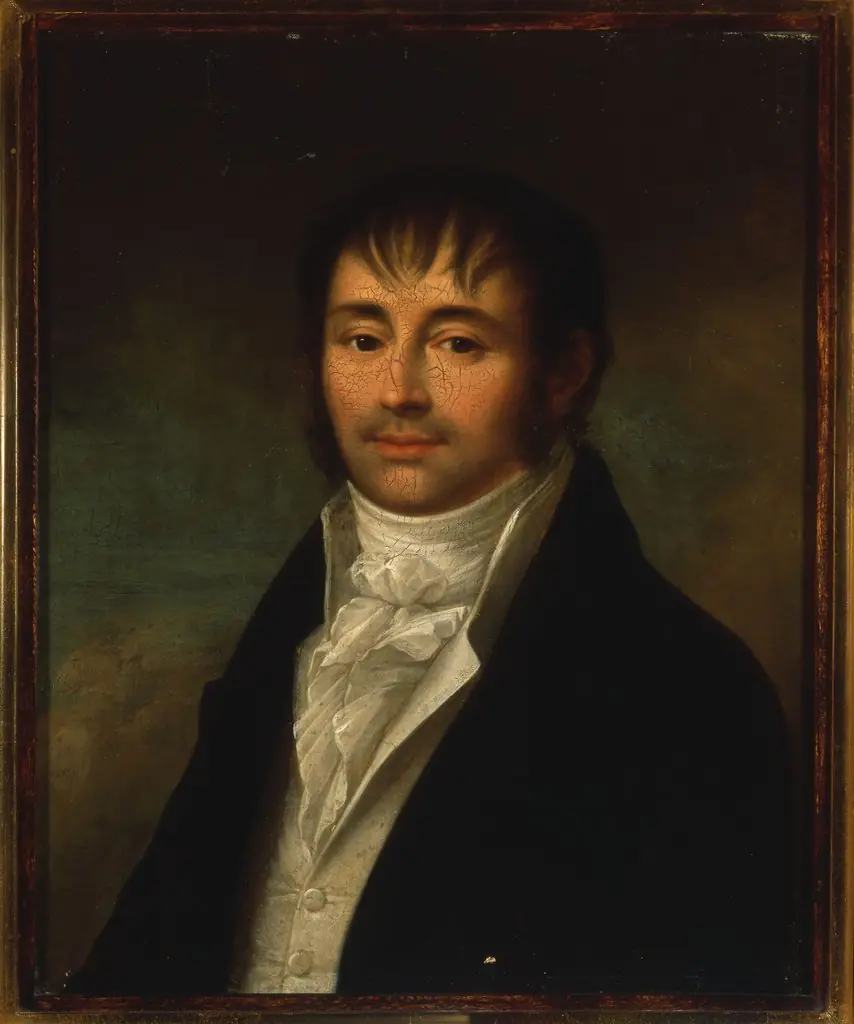 Portrait of Euzebiusz Słowacki
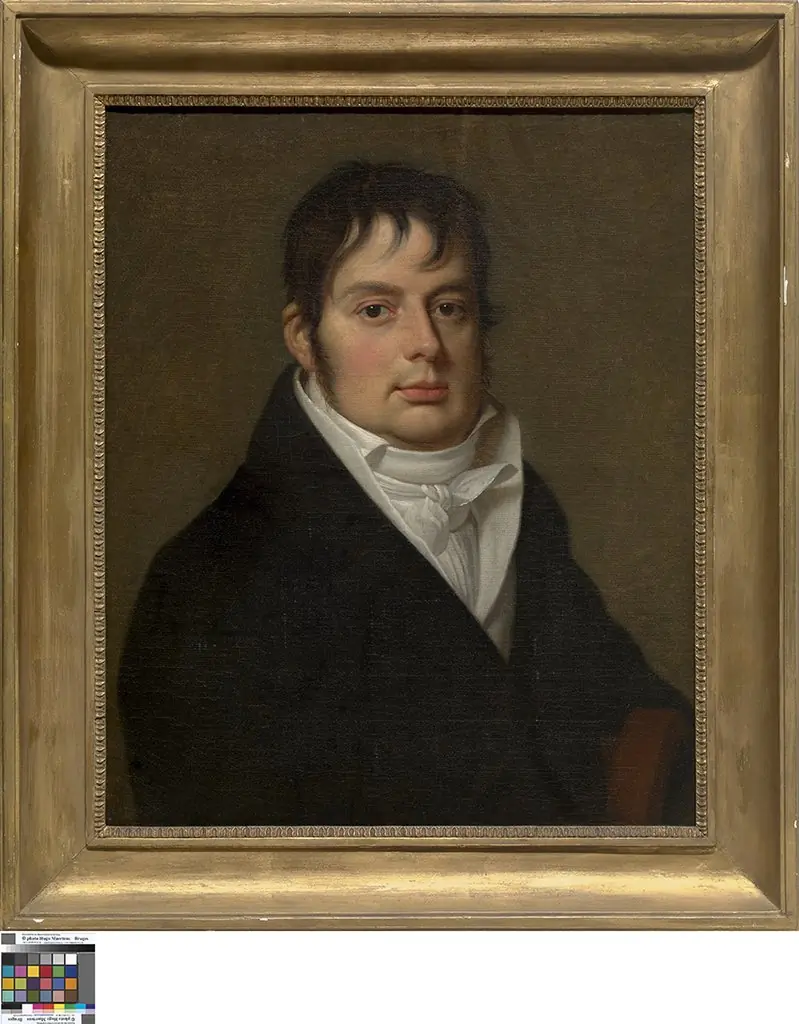 Portret van Geerebaert
 Adolph Friedrich Theodor Gritzner
 Portret
 Nicolas Louis Faret
 Tatăl
Tatăl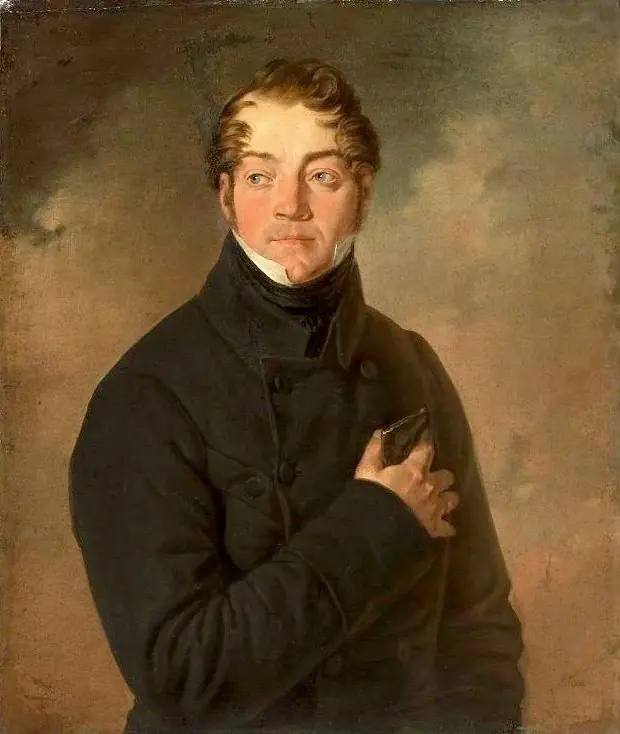 Portrait of Jeremi Korybut Woroniecki
 Nicolas Louis Faret