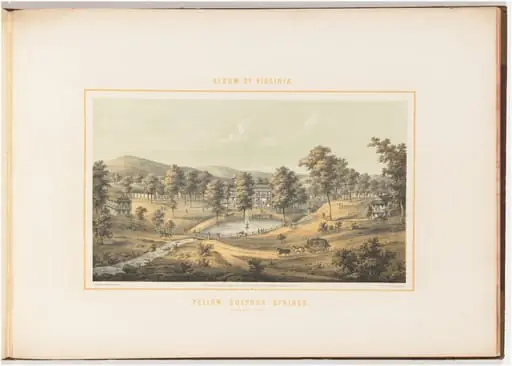
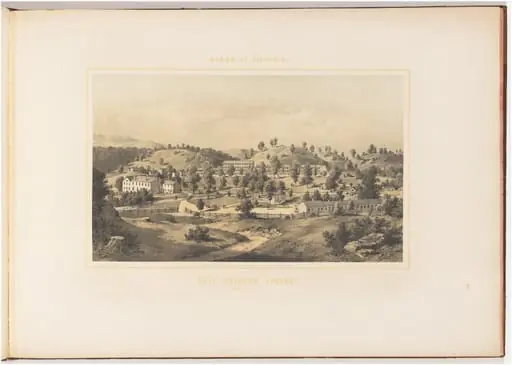
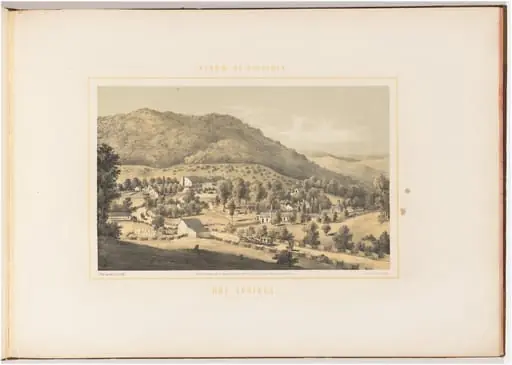
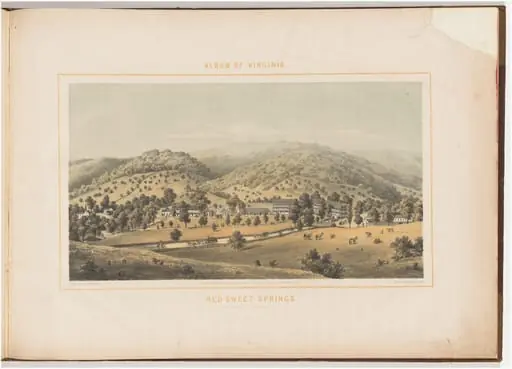
Artwork
Rockbridge Alum Spring
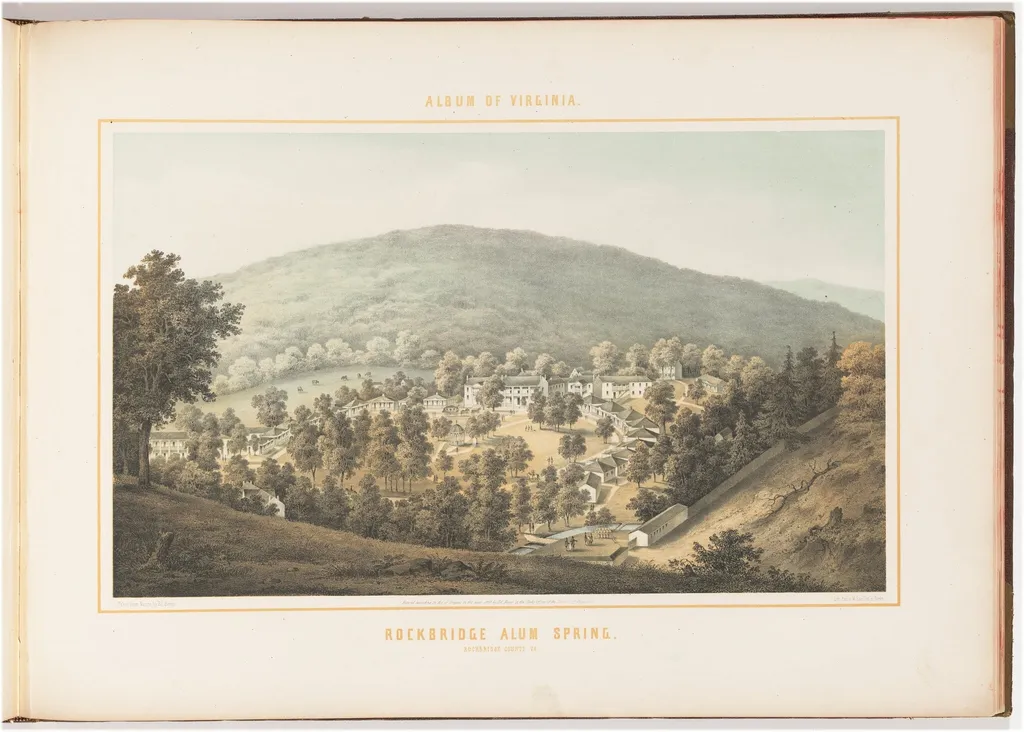
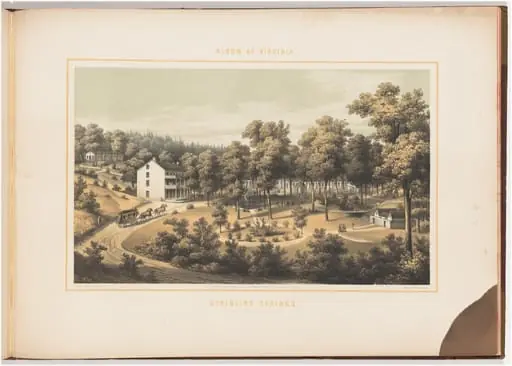
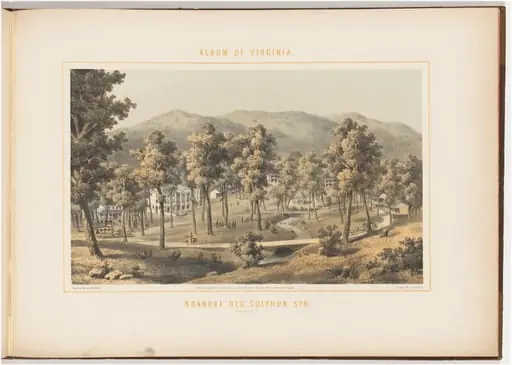
Rockbridge Alum Spring is an ink print by the Impressionist artist Edward Beyer. It dates from 1857 and is held in the collection of the National Gallery of Art.
About this work
Overview
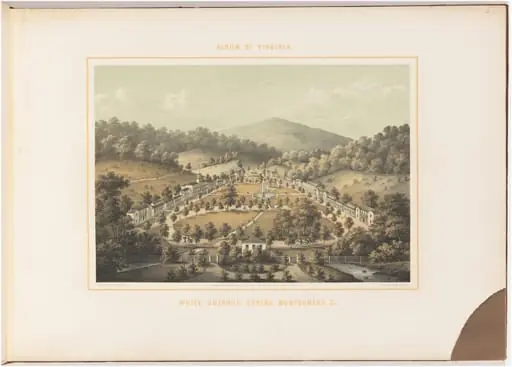
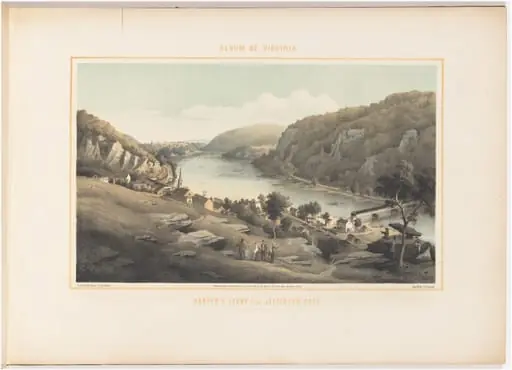
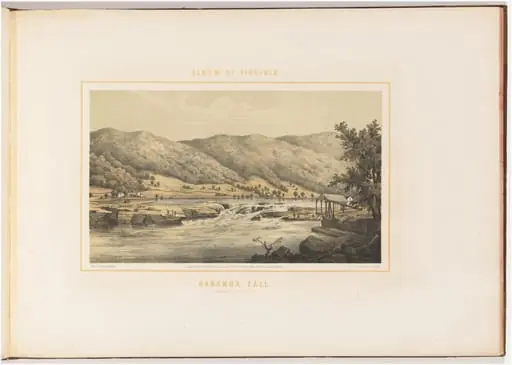
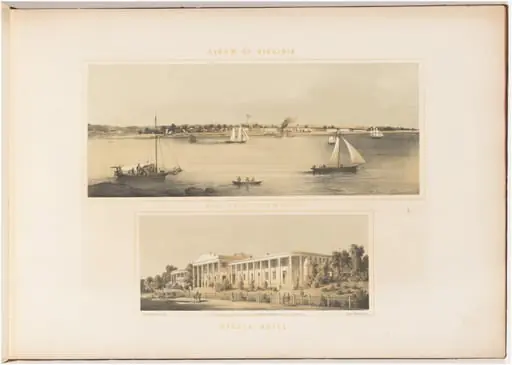
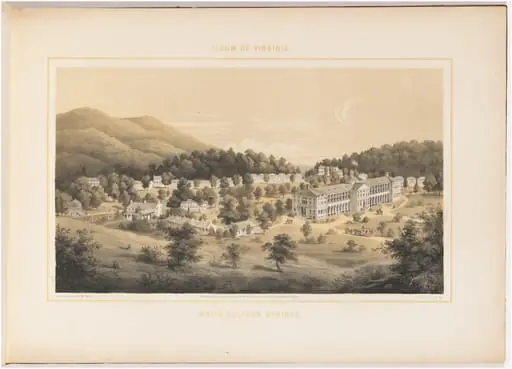
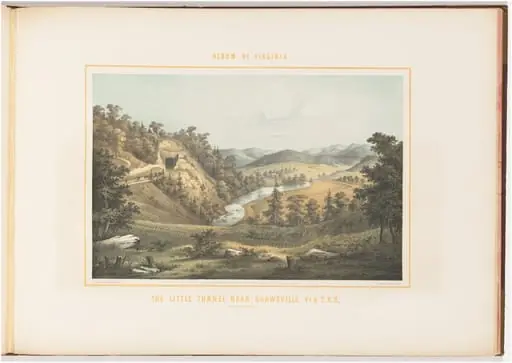
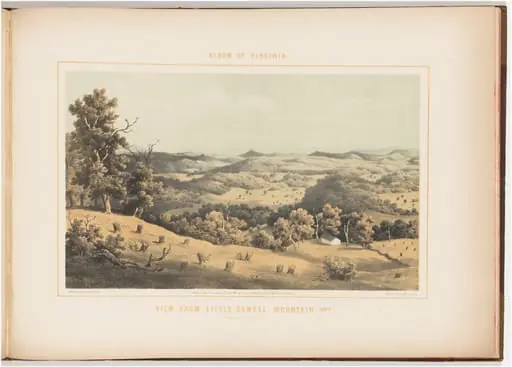
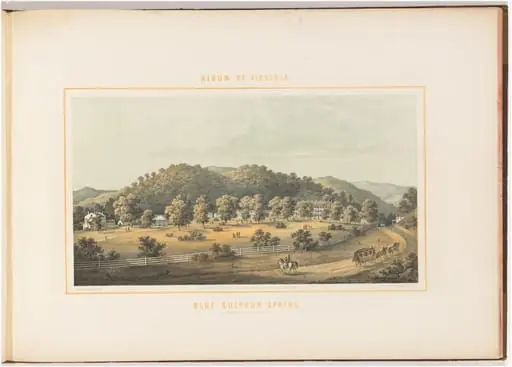
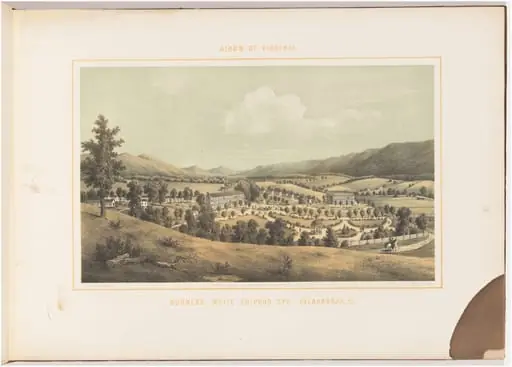
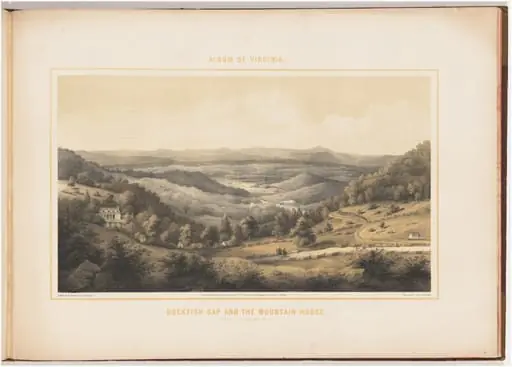
Rockbridge Alum Spring is a 1857 color lithograph on wove paper by Edward Beyer, a German-born landscape painter active in the United States. The work depicts a serene Virginia landscape centered on a natural spring.
Subject & Meaning
The lithograph captures a specific Antebellum South location, showcasing a tranquil valley with a small town, a wooded hill, and a winding road. The scene highlights everyday life in a regional American setting, reflecting the era’s documentary approach to landscape art.
Technique & Style
Executed in soft colors with meticulous detail, the piece exemplifies the lithographic technique popular for landscape documentation during this period. Beyer’s careful rendering conveys a sense of realism, characteristic of mid-19th-century American landscape art.
History & Provenance
Created in 1857, Rockbridge Alum Spring is part of Beyer’s broader project to document American scenery, particularly the Antebellum South. Specific provenance details are not provided.
Context
The work aligns with the mid-19th-century interest in recording regional American landscapes. Beyer’s contribution reflects the broader artistic movement of documenting the U.S. geography and everyday life during this era.
Artist & collection
Artist
Edward Beyer (1820–1865) was a German landscape painter who was active in the United States and became known for his depiction of the Antebellum South.