Artwork
Portrait of Raja Jagat Singh of Nurpur (reigned 1618–46)
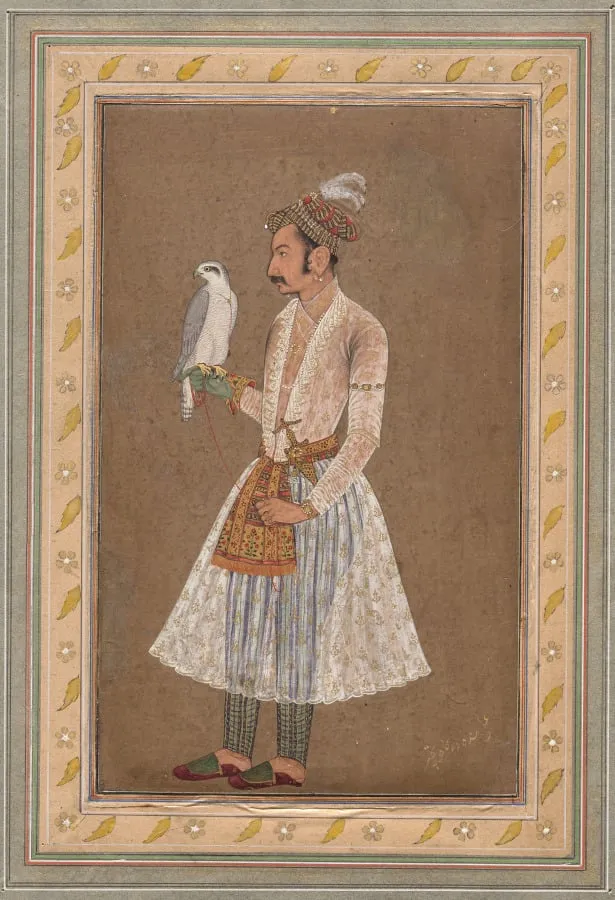
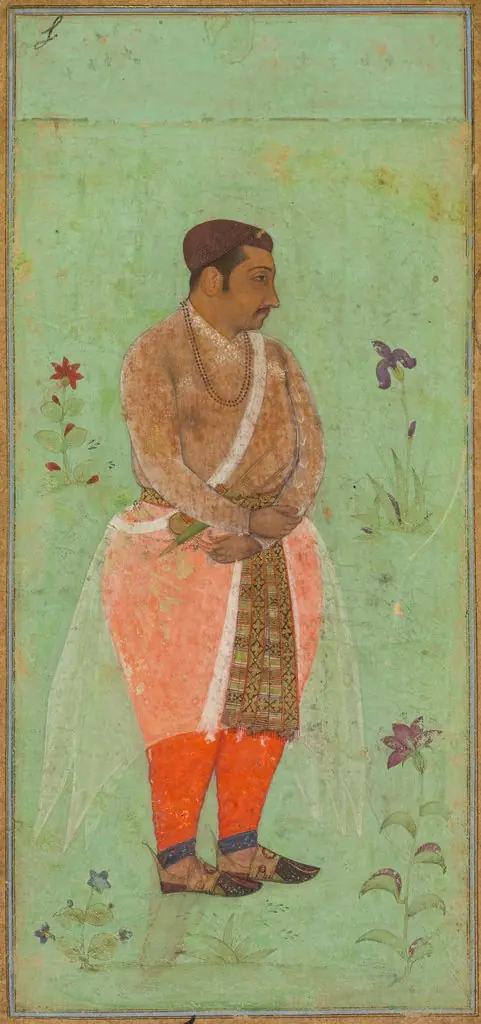
Portrait of Raja Jagat Singh of Nurpur (reigned 1618–46) is an unspecified painting by the Baroque artist Bichitr. It dates from 1619 and is held in the collection of the Cleveland Museum of Art. This portrait depicts Raja Jagat Singh of Nurpur, a minor Himalayan ruler raised at the Mughal court during Emperor Jahangir’s reign.
About this work
To see more of this world, look up Mughal India, court of Jahangir (reigned 1605 - 27), possibly Lahore, Indian art.
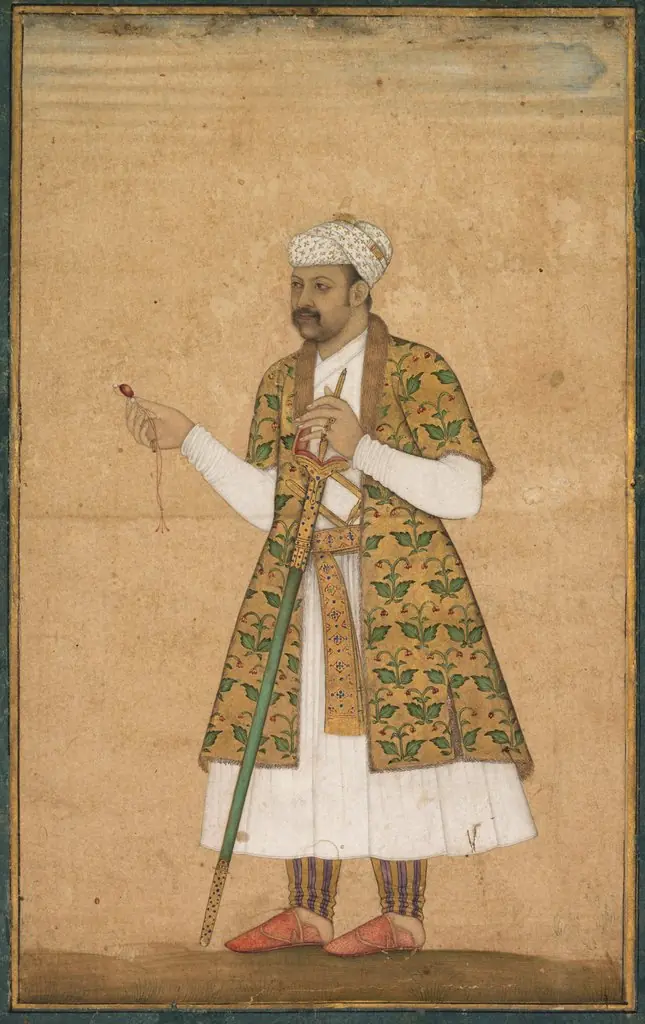
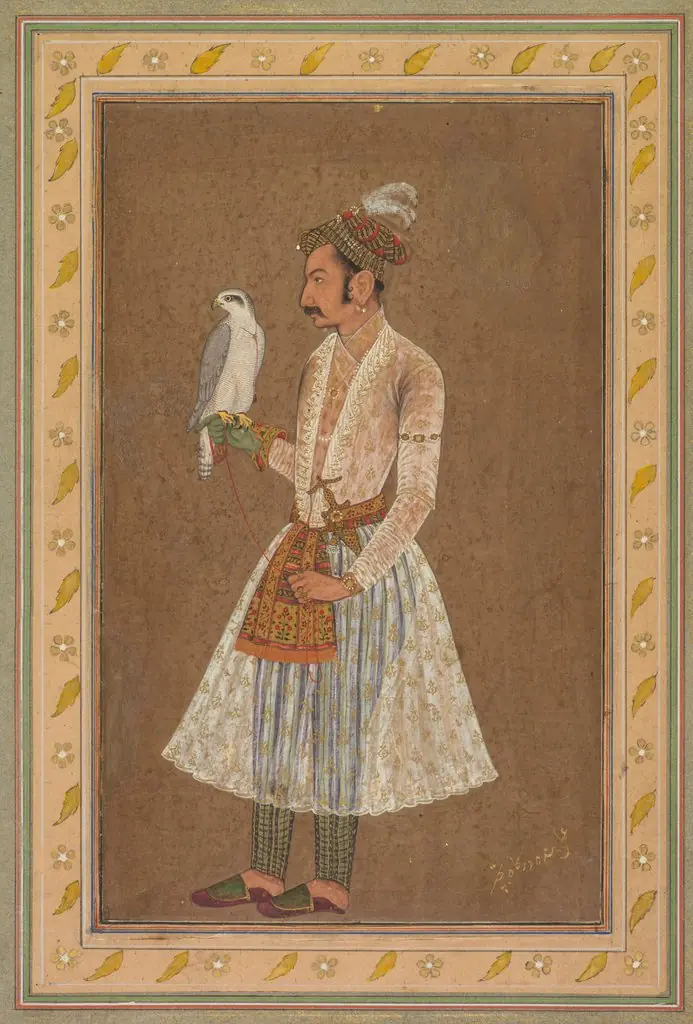
You see a young prince in a red robe, gold jewelry, and a turban with a feather. He stands against a plain green background, holding a flower.
This painting marks a rare moment—a prince from a small Himalayan kingdom honored at the Mughal court. Jagat Singh grew up there, far from home, and this portrait might celebrate his new title. The court artist, Bichitr, painted it with tiny, precise brushstrokes, a style the emperor loved.
To see more of this world, look up Mughal India, court of Jahangir (reigned 1605 - 27), possibly Lahore, Indian art.
Overview
This portrait depicts Raja Jagat Singh of Nurpur, a minor Himalayan ruler raised at the Mughal court during Emperor Jahangir’s reign. Painted around 1619, it likely commemorates his formal recognition as a prince. The work stands out as one of the few Mughal court paintings honoring a hill-state noble, reflecting his unusual proximity to imperial power and the personal favor he enjoyed from Queen Nur Jahan.
Subject & Meaning
Jagat Singh, depicted in youthful vigor, holds a flower—a symbol of refinement and courtly grace—against a flat green backdrop that isolates him as the sole focus. His red robe and ornate jewelry signal status, while his turban’s feather hints at imperial association. The portrait conveys not just identity but integration: a regional prince transformed into a figure of Mughal elegance, his presence affirming the court’s reach beyond its core territories.
Technique & Style
Executed by the court artist Bichitr, the painting employs fine, controlled brushwork characteristic of Jahangiri aesthetics. Details in the fabric, jewelry, and facial features are rendered with meticulous precision, reflecting the emperor’s preference for naturalism and delicate execution. The absence of landscape or architectural context emphasizes the subject’s personal significance over spatial narrative, aligning with courtly portraiture of the period.
History & Provenance
Jagat Singh spent his formative years at the Mughal court, where he gained favor with Queen Nur Jahan, who later defended him after his involvement in a 1624 rebellion against Jahangir. The painting’s timing suggests it was commissioned to mark his elevation to princely status in 1619. Its survival indicates continued recognition of his unique position, even after political turmoil, possibly preserved within royal or noble collections.
Context
During Jahangir’s reign, the Mughal court absorbed select regional elites to reinforce political alliances. Hill-state rulers like Jagat Singh were rare at court, making his presence noteworthy. The emperor and queen frequently visited Nurpur, which they renamed in their honor, underscoring the symbolic value of this relationship. The portrait thus reflects a broader strategy of cultural integration through personal patronage.
Legacy
This portrait remains a singular testament to the fluid boundaries between imperial center and regional periphery in early 17th-century India. It captures a moment when a minor ruler was elevated through personal connection rather than military or territorial power. As one of the few surviving images of a hill prince in Mughal style, it offers insight into the court’s inclusive yet hierarchical social architecture.
Artist & collection

Artist
Bichitr was an Indian painter during the Mughal period, patronized by the emperors Jahangir and Shah Jahan. The earliest known painting of his is a mature work from c. 1615.

 Portrait of Raja Jagat Singh of Nurpur (reigned 1618-46)
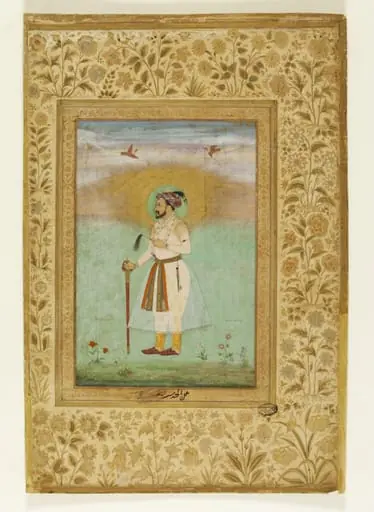
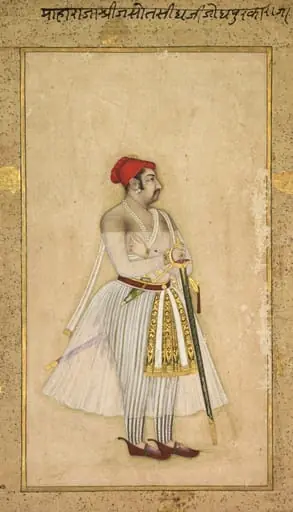 Jaswant Singh of Jodhpur (reigned 1635–1678)
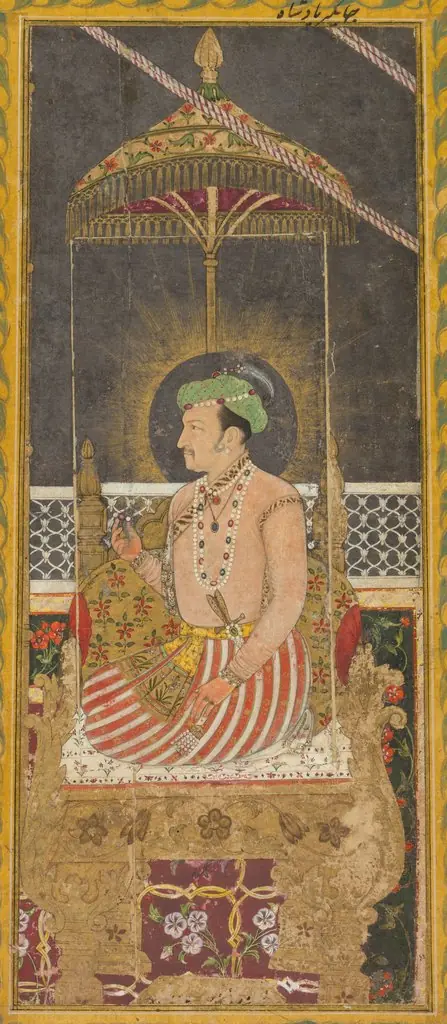
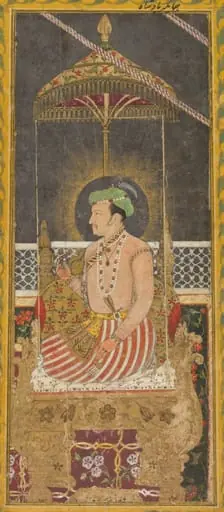 Posthumous portrait of Emperor Jahangir under a canopy (recto)
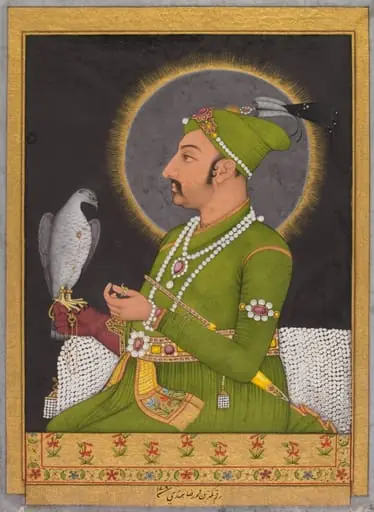
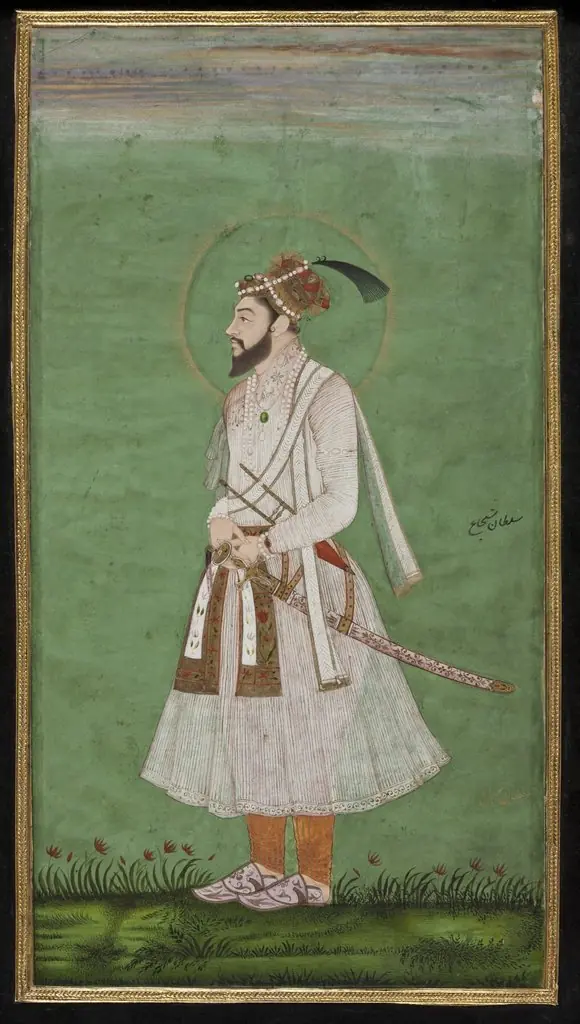 Portrait of a Mughal Prince, possibly a copy of a portrait of Sultan Shuja (1616-1659)
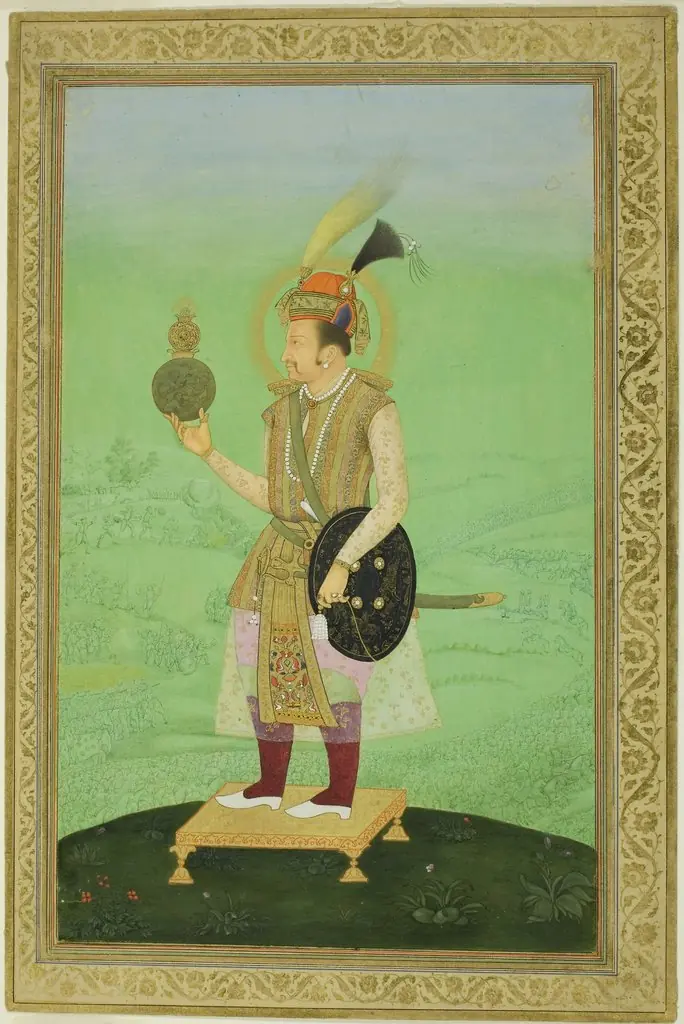 Portrait of Emperor Jahangir
 Portrait of Suraj Singh Rathor, Raja of Marwar and Maternal Uncle of Shah Jahan: A Page from the Prince Khurram Album