Artwork
Refectorio de las Cárceles de San Francisco en Asís
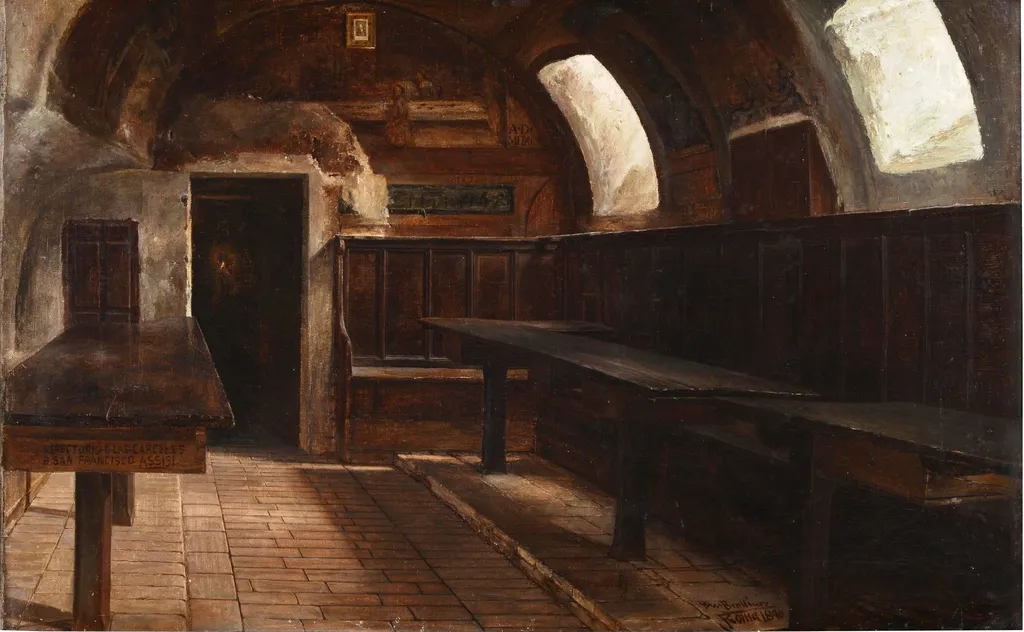
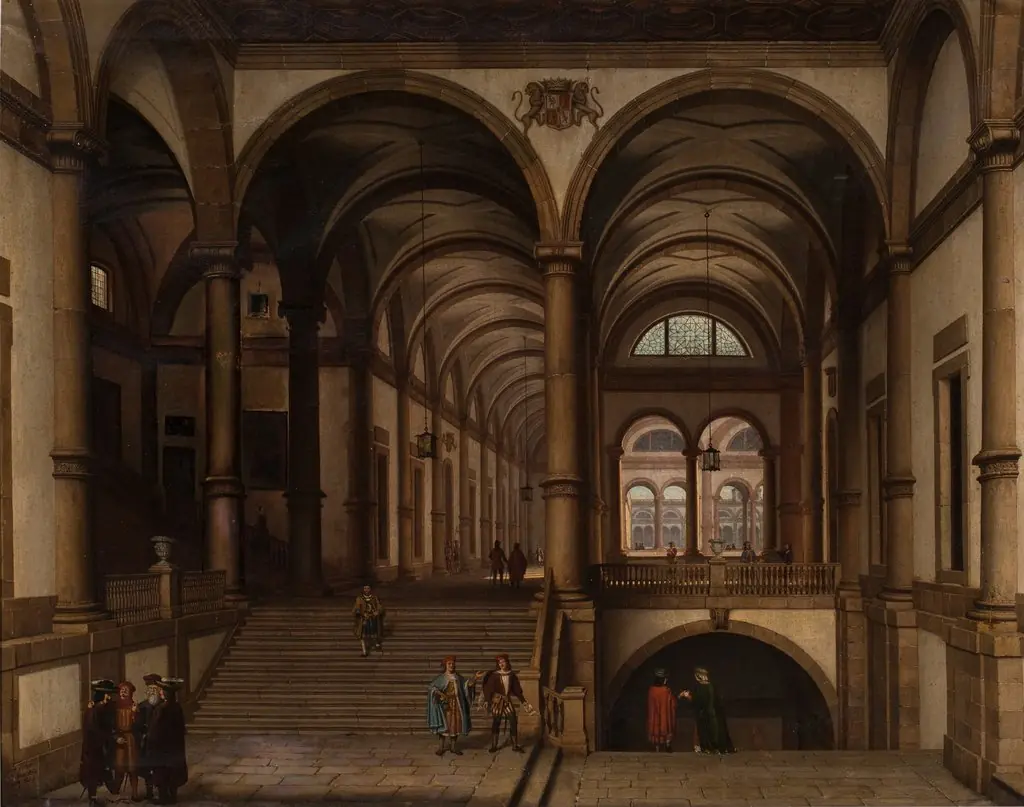
Refectorio de las Cárceles de San Francisco en Asís is an oil painting by the Post-Impressionist artist Blas Benlliure y Gil. It dates from 1896 and is held in the collection of the Museo del Prado.
About this work
Overview
The composition is restrained, focusing on architectural elements and the interplay of natural light within a monastic space.
Painted in 1896 by Blas Benlliure y Gil, this oil on canvas depicts the refectory of the Franciscan convent in Assisi. The work is held in the Museo del Prado’s collection. It presents an empty, quiet interior with minimal furnishings, emphasizing atmosphere over narrative. The composition is restrained, focusing on architectural elements and the interplay of natural light within a monastic space.
Subject & Meaning
The scene portrays the dining hall once used by Franciscan monks, now vacant and still. The simple wooden table and rough-hewn benches suggest a life of austerity. The slightly ajar door and slanted sunlight imply a momentary pause, as if the community had just left. The inscription in the foreground anchors the space in its historical context, evoking silence and contemplation rather than religious symbolism.
Technique & Style
Benlliure y Gil employed a muted palette and careful chiaroscuro to model the stone walls, tiled floor, and wooden surfaces. Light enters through two arched windows, casting long shadows that define the room’s depth and texture. Forms are simplified, with no figures or ornamentation, allowing light and shadow to structure the composition and convey a sense of stillness and time passed.
History & Provenance
The painting was completed in 1896 and entered the Museo del Prado’s collection shortly thereafter. It reflects late 19th-century Spanish interest in historical and religious architecture, often rendered with documentary precision. While not part of a larger series, it aligns with contemporary trends favoring quiet, interior scenes that evoke spiritual solitude through environmental detail.
Context
In the late 1800s, Spanish artists increasingly turned to monastic and medieval spaces as subjects, drawn to their simplicity and historical weight. Benlliure y Gil’s work responds to this trend, avoiding dramatic religious imagery in favor of atmospheric realism. The painting mirrors broader cultural inquiries into faith, memory, and the physical traces of religious life in a secularizing society.
Legacy
The painting remains a quiet example of 19th-century Spanish realism, valued for its restraint and sensitivity to light. It contributes to a genre of architectural interiors that prioritize mood over event, influencing later artists interested in the spiritual potential of empty spaces. Its presence in the Prado underscores its role as a thoughtful record of a sacred, abandoned environment.
Own this work as a print
Artist & collection

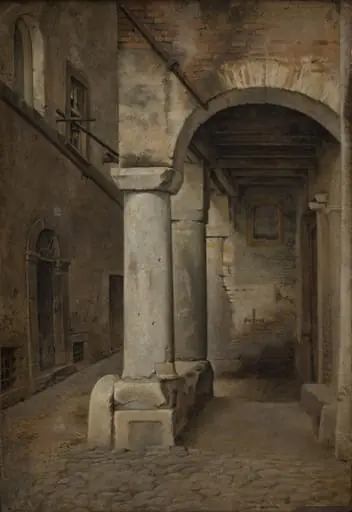 A Roman Alley
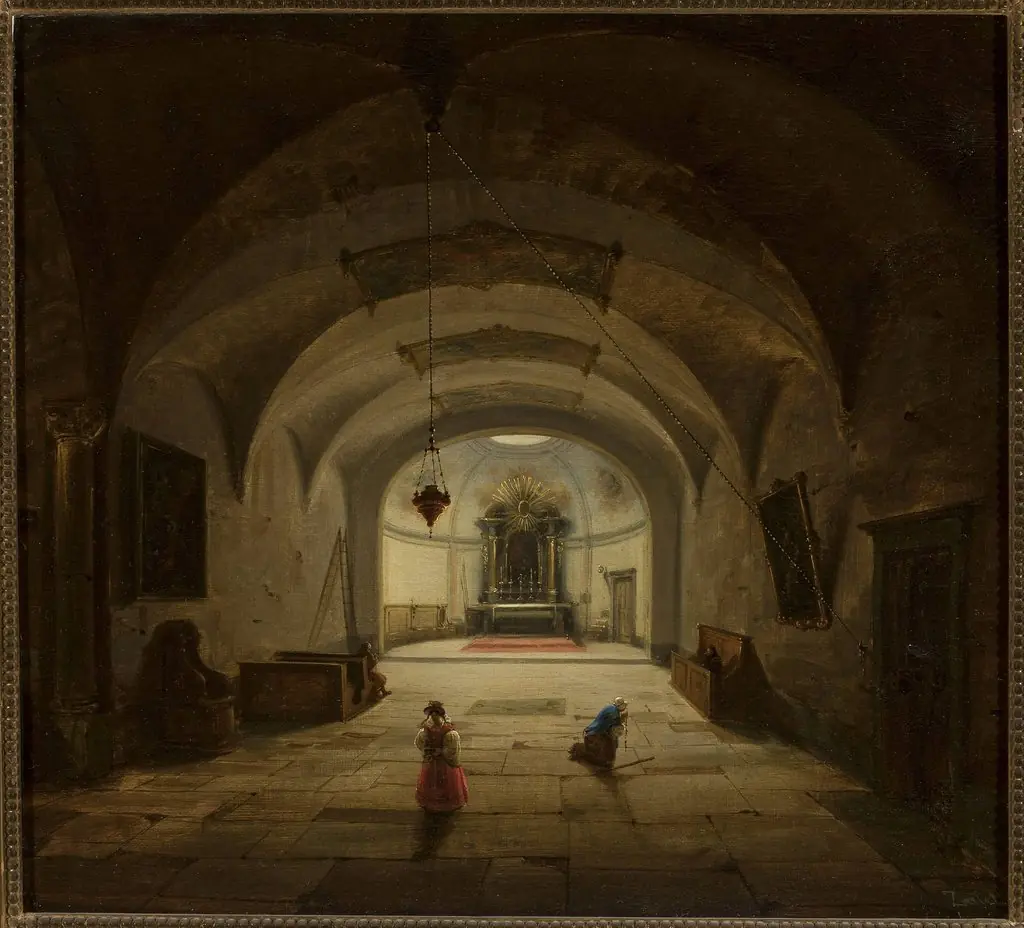 Interior of the subterranean chapel
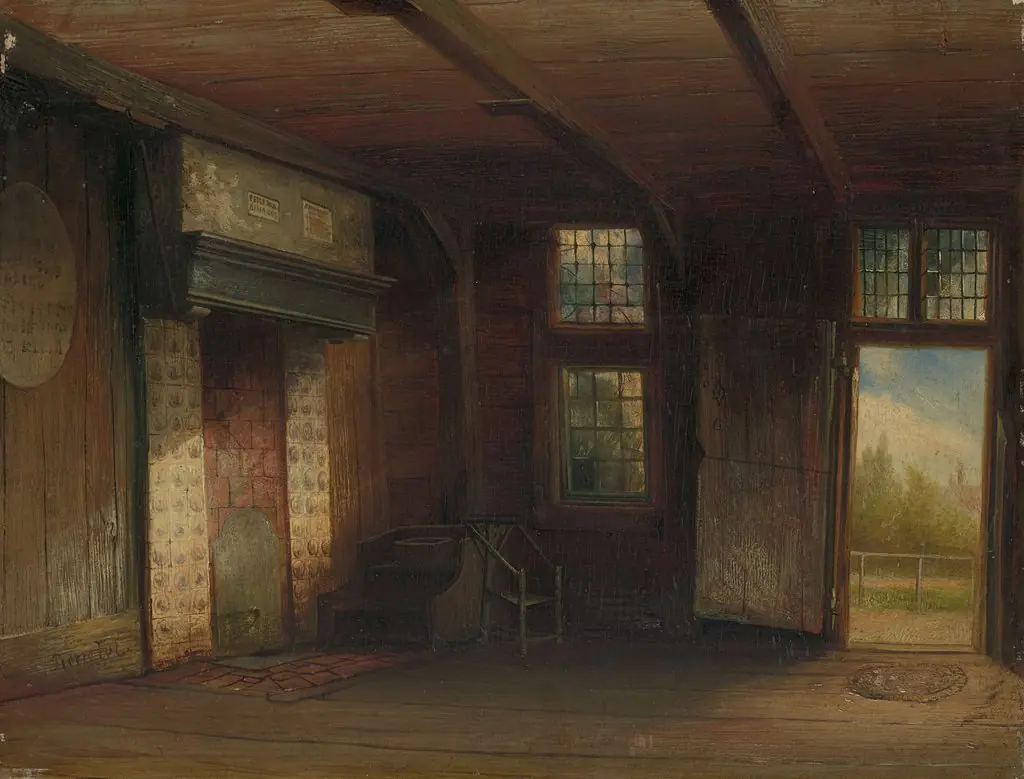 Interieur van het Tsaar Peterhuisje te Zaandam
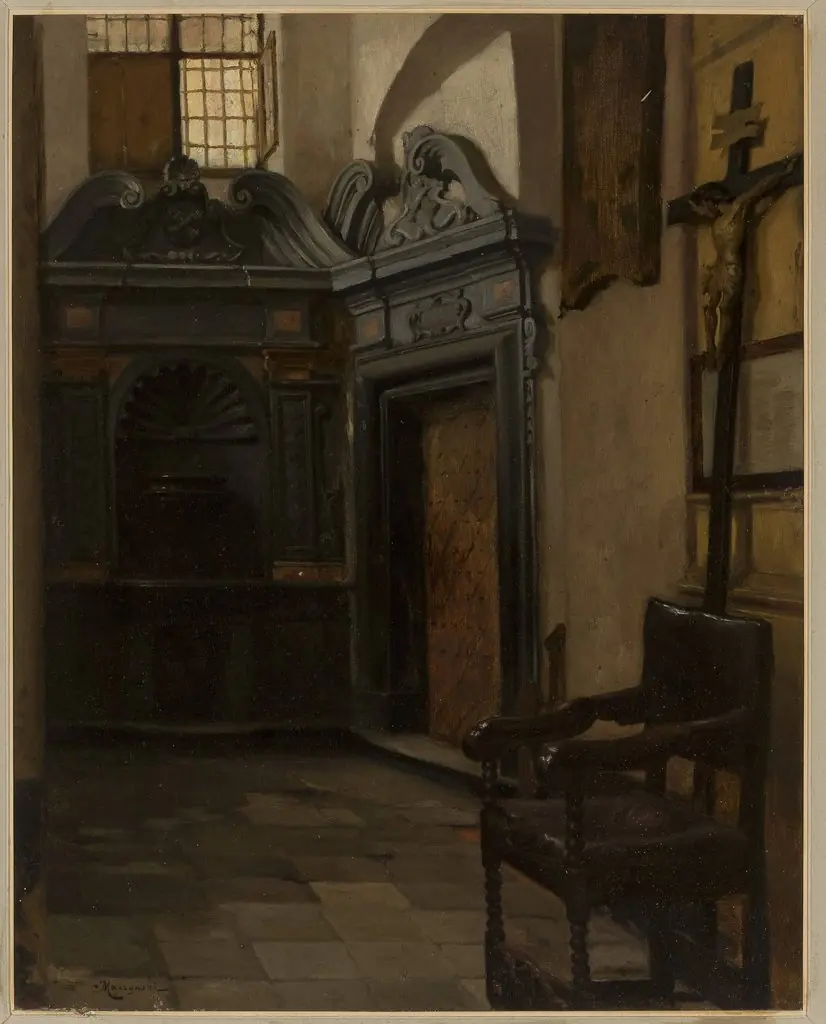 Sacristy
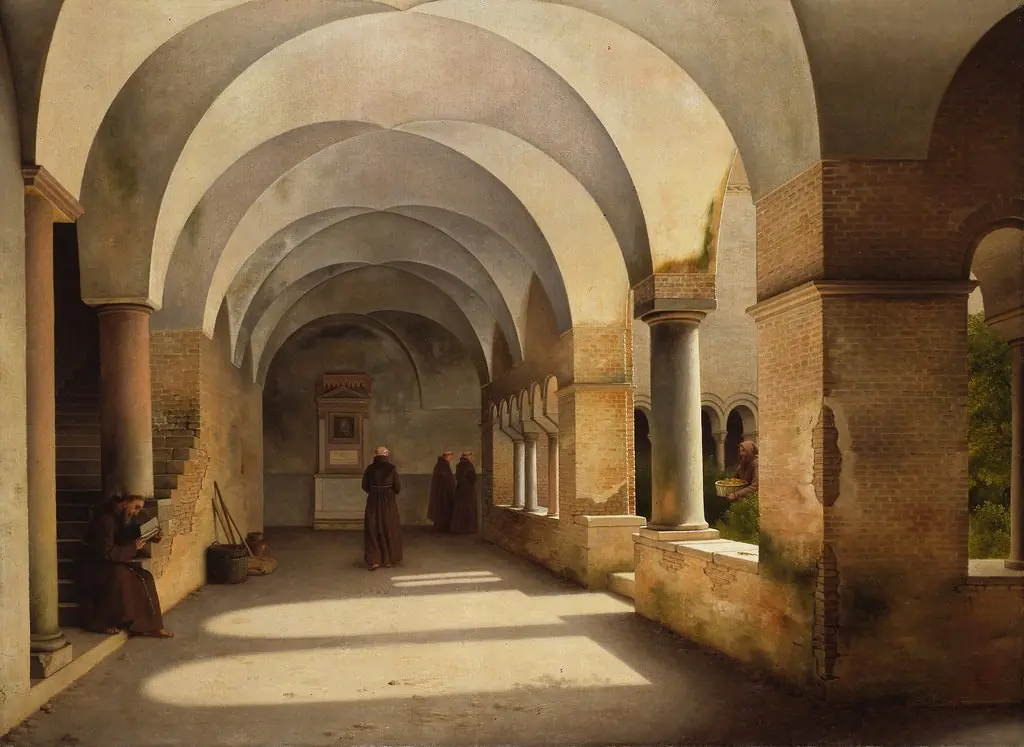 The Cloisters, San Lorenzo fuori le mura
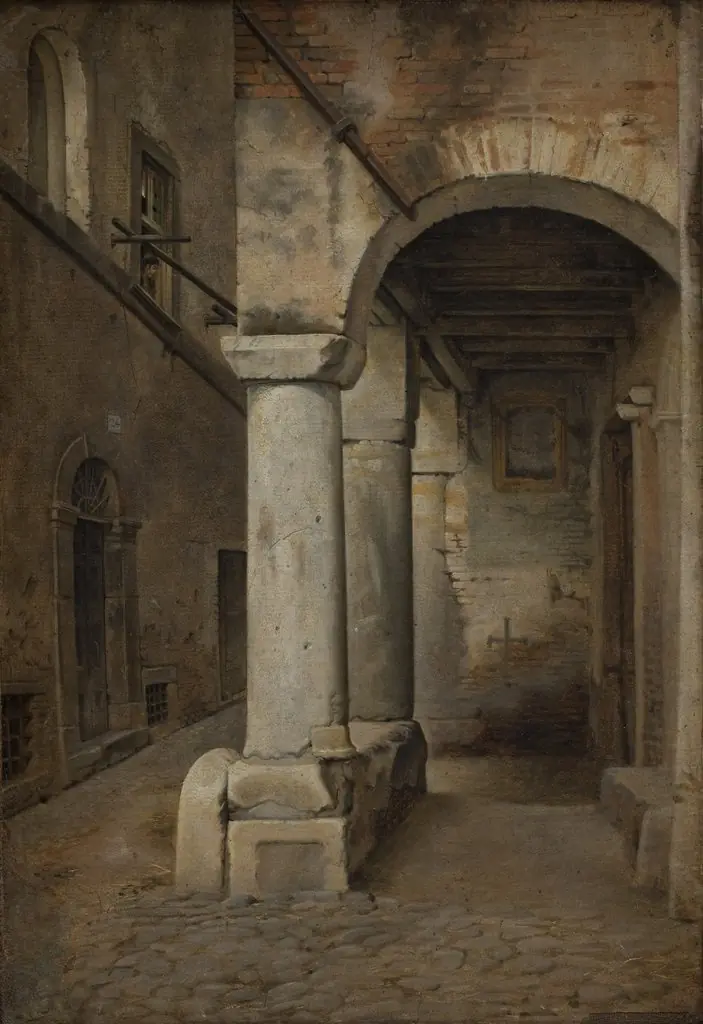 A Roman Alley
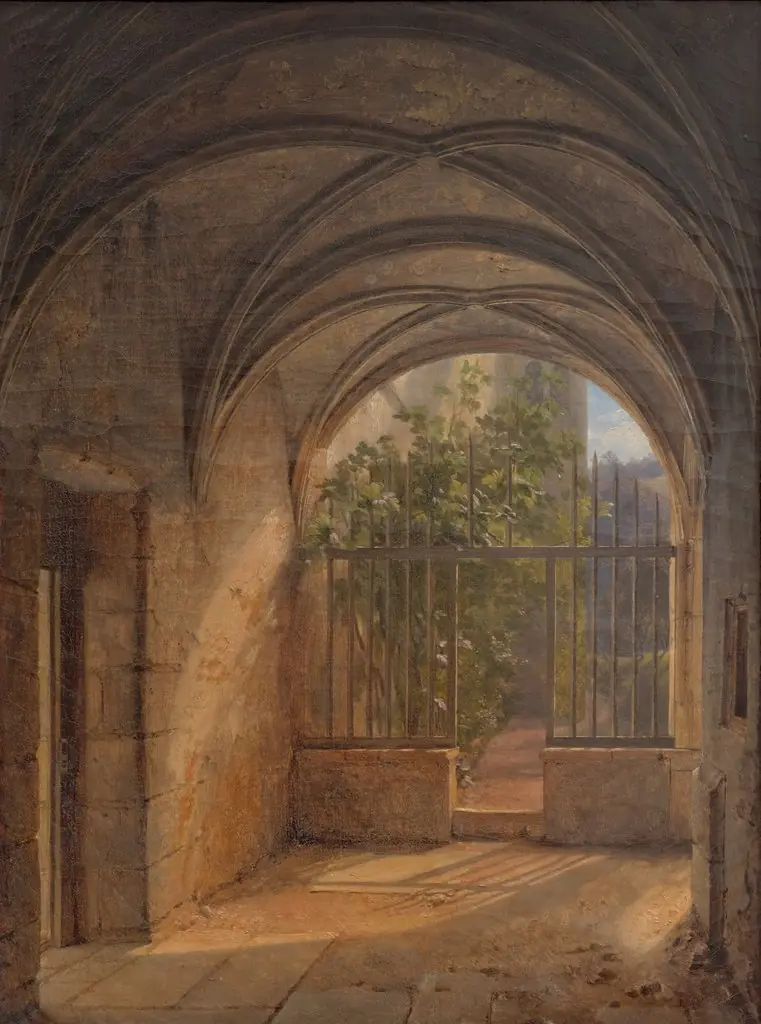 Monastery Interior
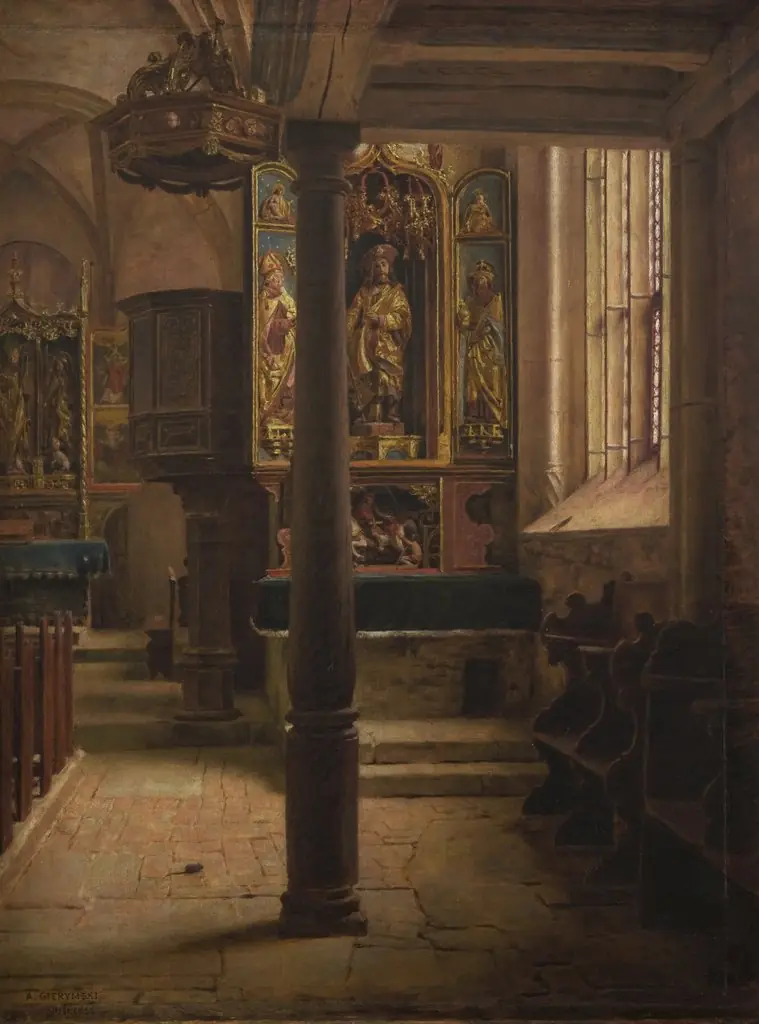 Interior of St Wolfgang's Church in Rothenburg
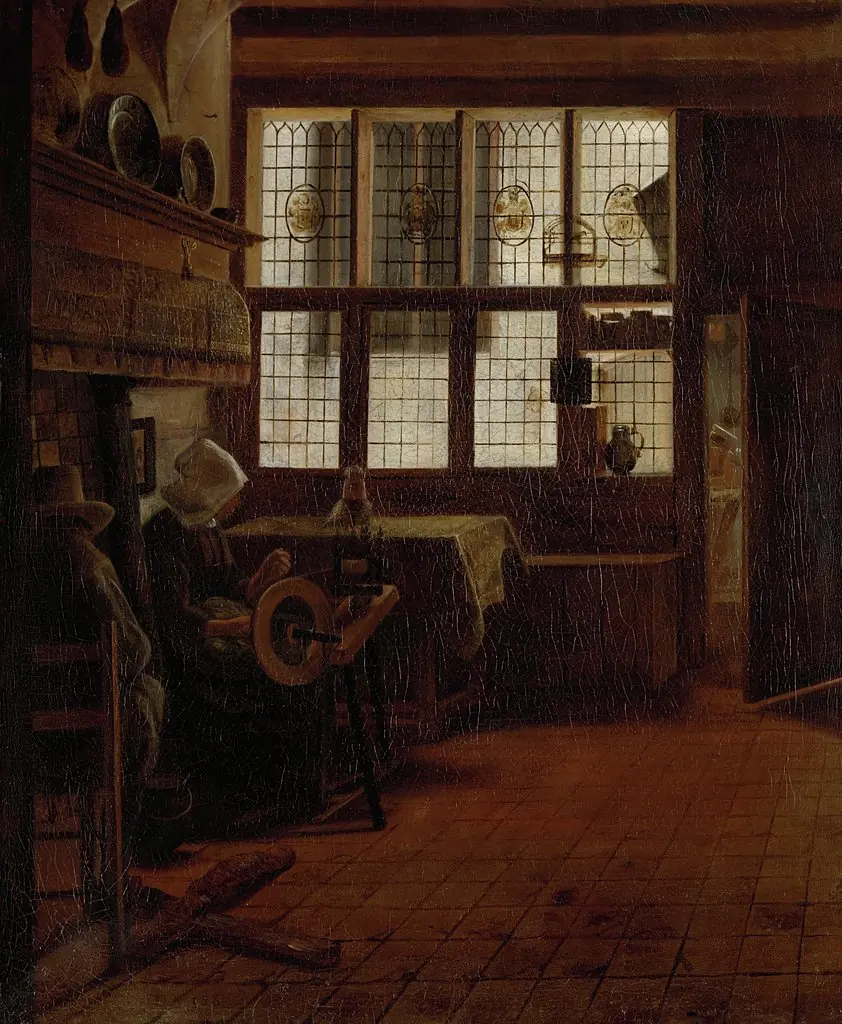 Interior with Woman at the Spinning Wheel
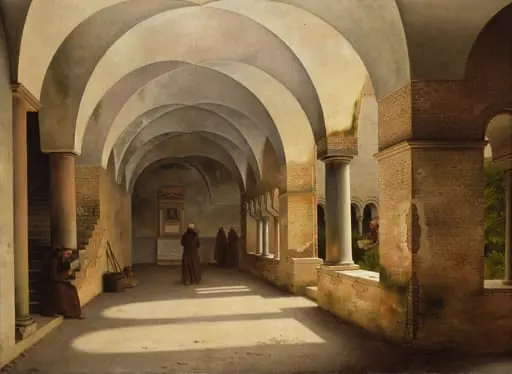 The Cloisters, San Lorenzo fuori le mura
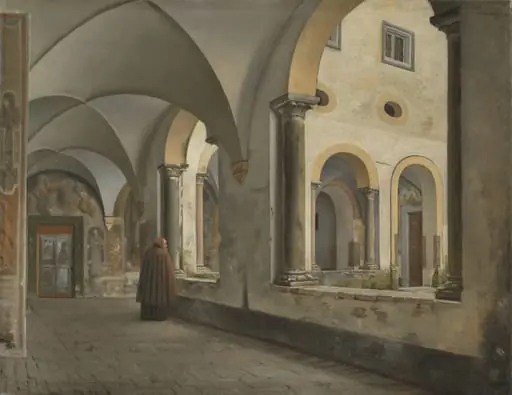 The Cloisters of the Franciscan Monastery Santa Maria in Aracoeli in Rome
 Palacio con galería y espaciosa escalinata de carácter grecorromano