Artwork
a Equisetum hiemale; b Hosta japonica; c Equisetum hiemale
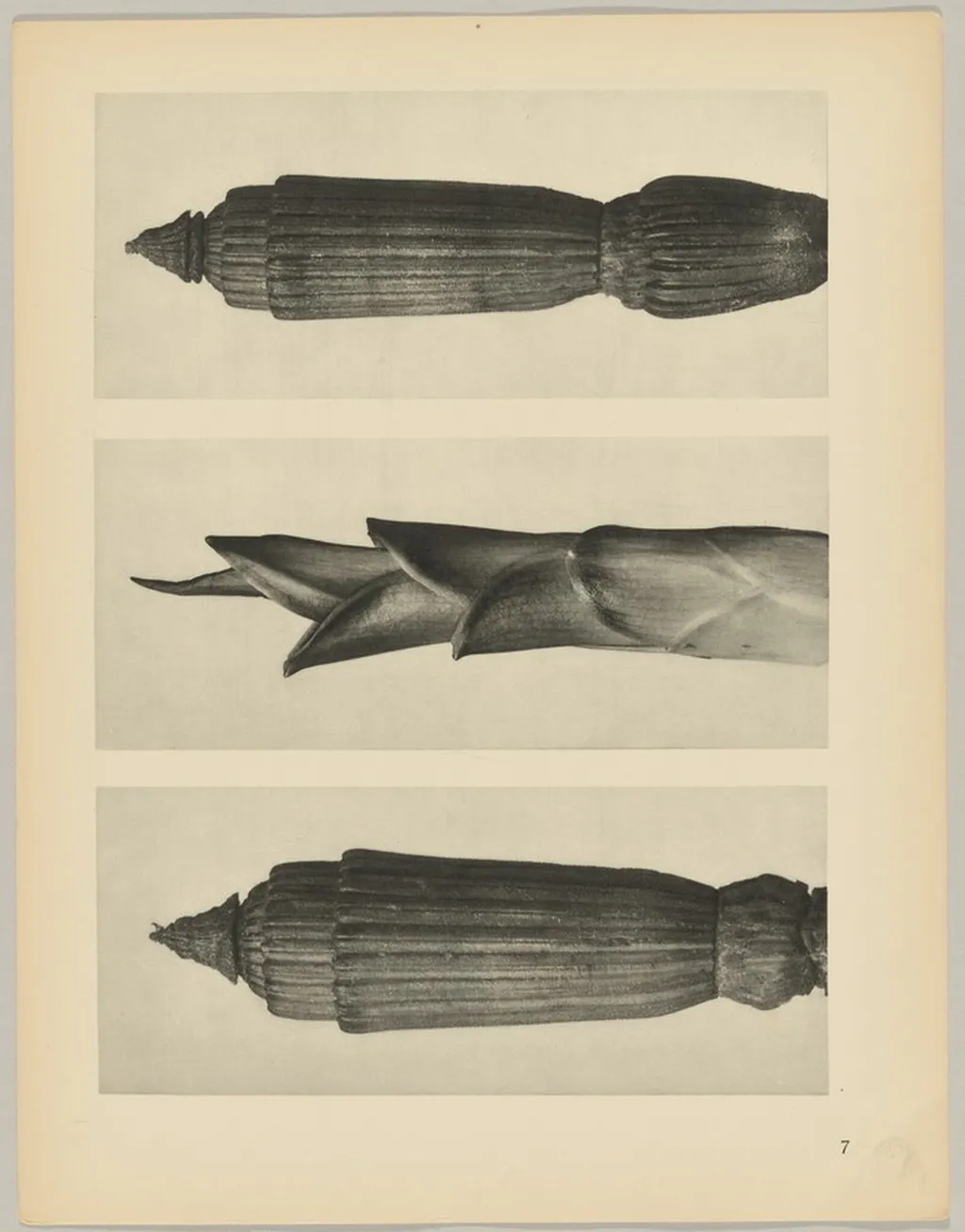
a Equisetum hiemale; b Hosta japonica; c Equisetum hiemale is a print by Karl Blossfeldt. It dates from 1928 and is held in the collection of the National Gallery of Art.
About this work
Overview
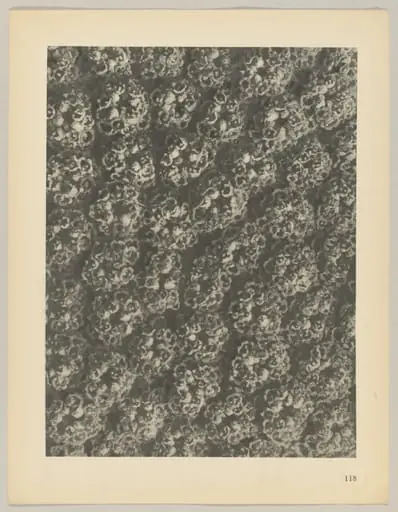
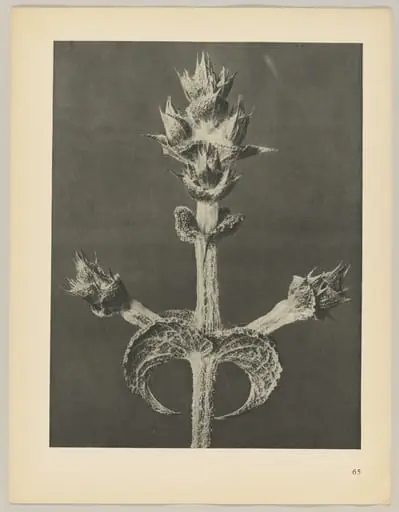
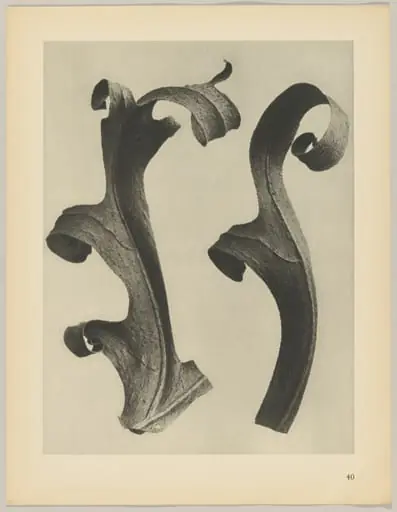
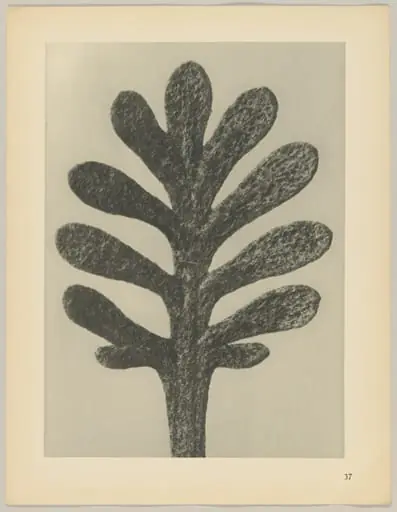
Created in 1928, this photogravure print presents three magnified botanical specimens: two sections of Equisetum hiemale framing a central image of Hosta japonica. Rendered in stark black and white, the work isolates the intricate textures of the plants, emphasizing their linear forms and minute surface details.
Subject & Meaning
The composition juxtaposes the slender, ribbed stems of the horsetail species with the broader, leaf‑like structure of the hosta, inviting close inspection of natural geometry. By isolating these forms from their surroundings, the image highlights the inherent aesthetic qualities of plant anatomy.
Technique & Style
Blossfeldt employed the photogravure process, which transfers a photographic image onto a copper plate for intaglio printing. This method allows for subtle tonal gradations and exceptional sharpness, rendering the specimens with a crisp, almost sculptural quality that blurs the line between photograph and relief.
History & Provenance
The print forms part of Blossfeldt’s systematic study of organic structures that culminated in the 1929 volume *Urformen der Kunst*. Produced during his early career, it reflects the influence of his father’s horticultural interests and Blossfeldt’s lifelong engagement with the natural world.
Context
Emerging in the interwar period, the work aligns with contemporary interests in form, function, and the scientific documentation of nature. It also resonates with the Bauhaus emphasis on the unity of art and industry, where precise visual analysis served both aesthetic and educational purposes.
Artist & collection
Artist
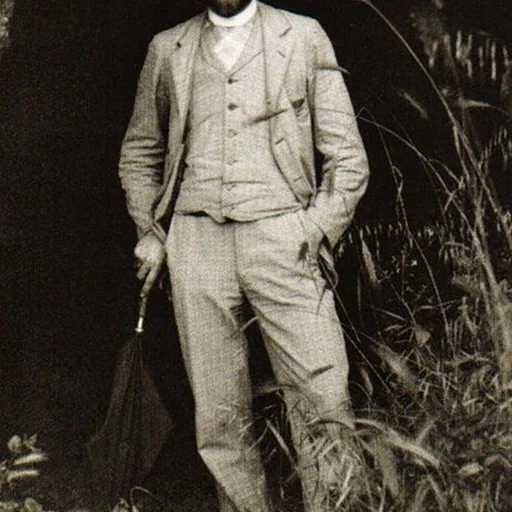
Karl Blossfeldt (13 June 1865 – 9 December 1932) was a German photographer and sculptor.

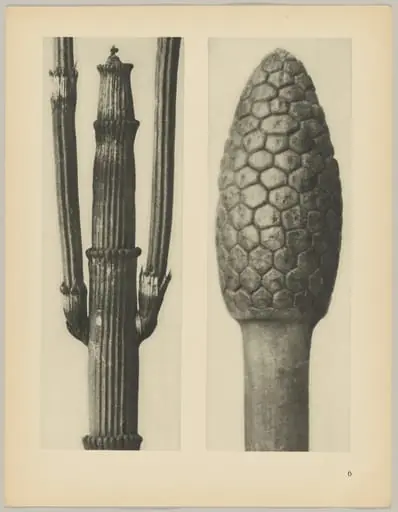 a Equisetum hiemale; b Equisetum arvense
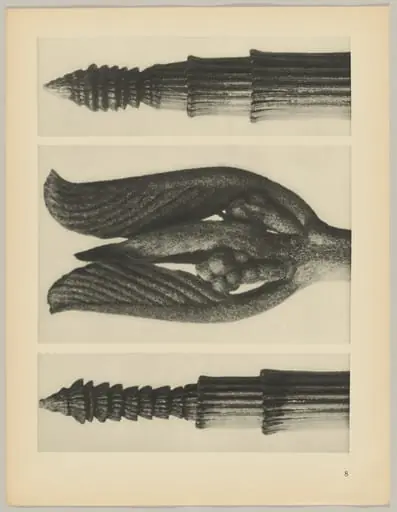 a Equisetum hiemale; b Rhamnus Purshiana; c Equisetum hiemale
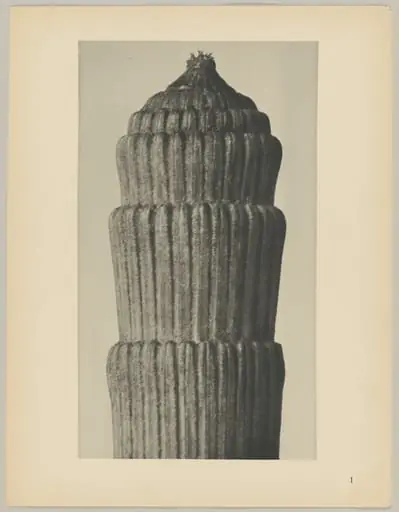 Equisetum hiemale
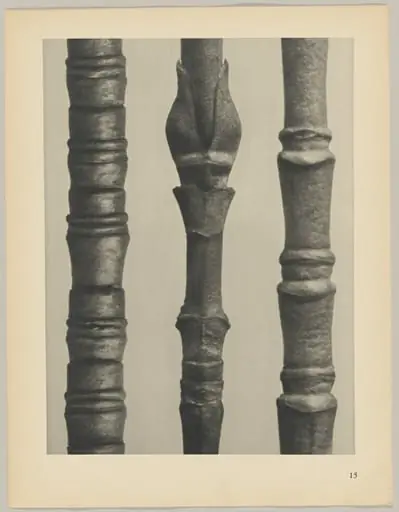 a Cornus Nuttallii; b Cornus Nuttallii; c Cornus florida
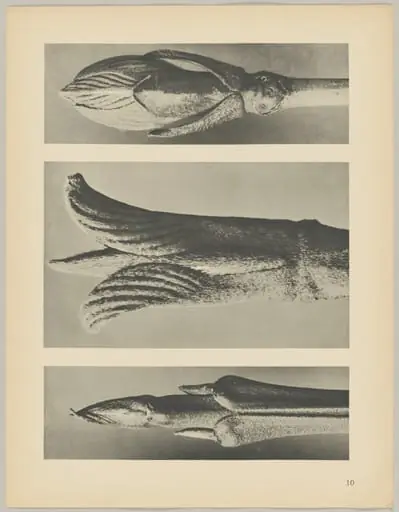 a Cornus brachypoda; b Cornus pubescens; c Viburnum
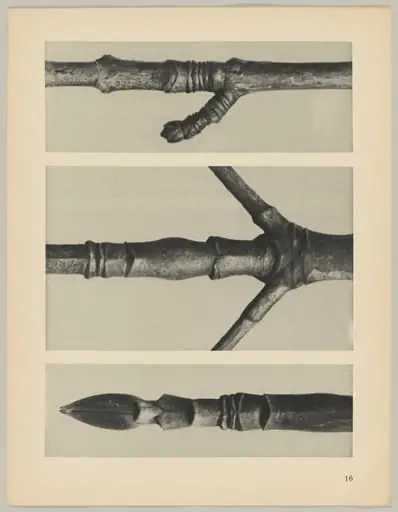 a Cornus Nuttallii; b Cornus Nuttallii; c Acer
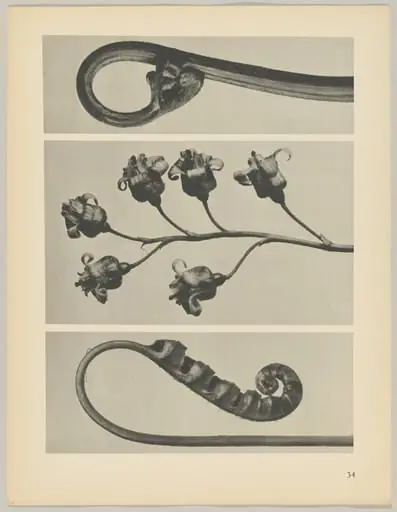
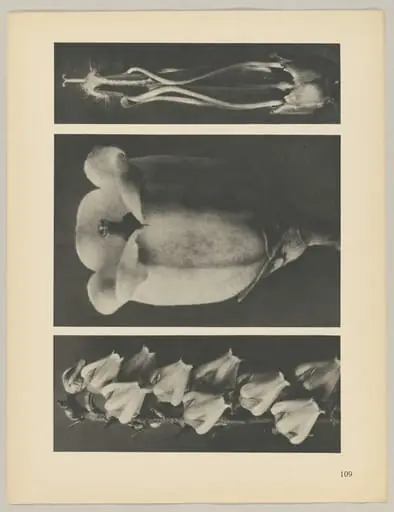 a Andromeda floribunda; b Vaccinium corymbosum; c Acanthus mollis
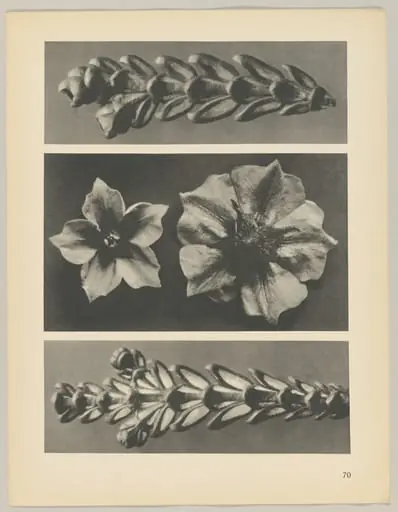 a u. c Thujopsis dolabrata; b Solanum tuberosum
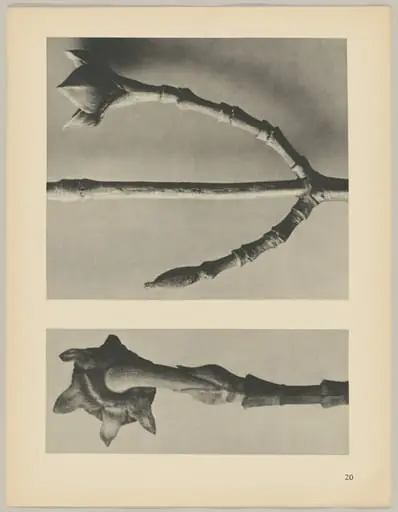 a Cornus Nuttallii; b Cornus officinalis