Artwork
a Equisetum hiemale; b Equisetum arvense
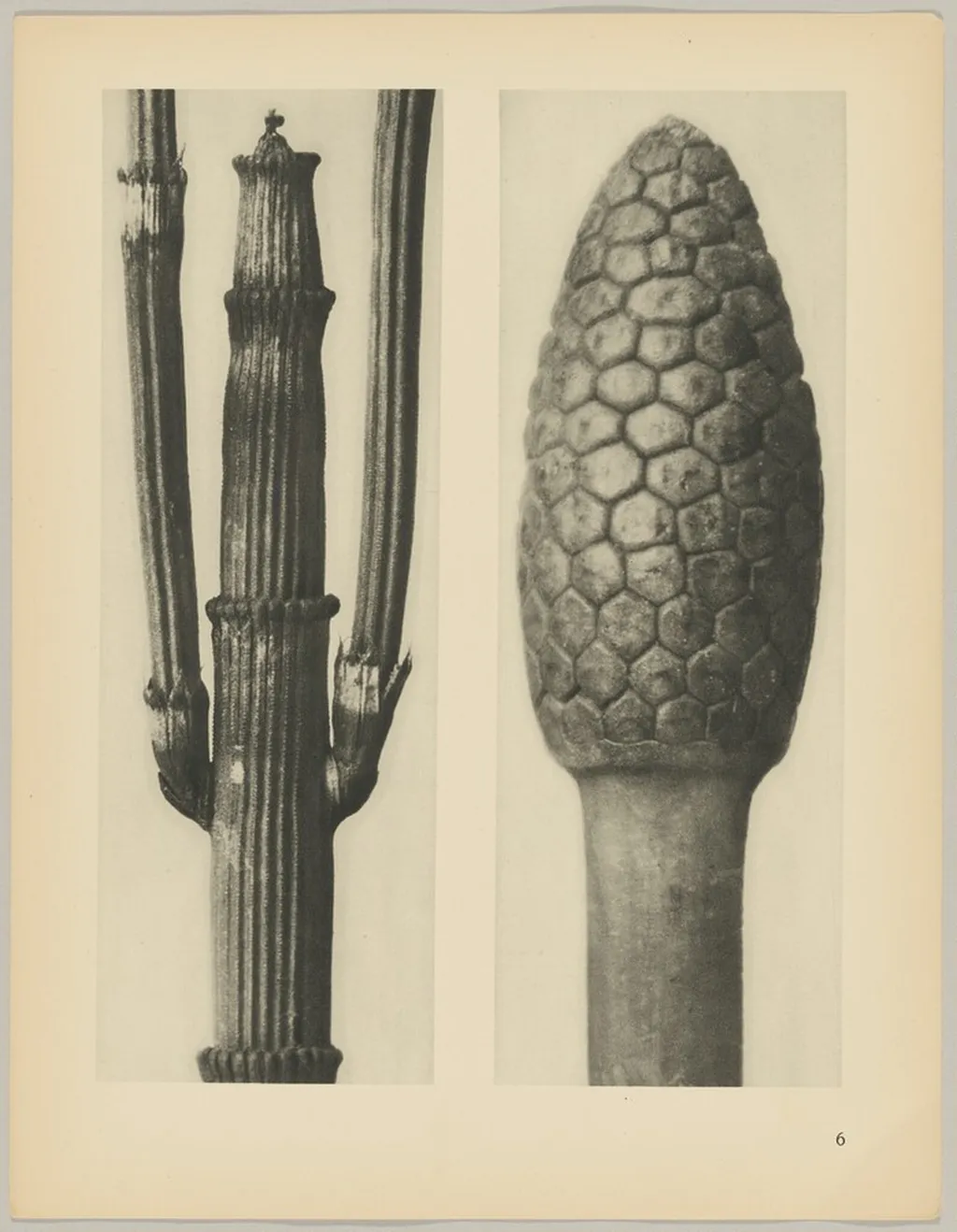
a Equisetum hiemale; b Equisetum arvense is a print by Karl Blossfeldt. It dates from 1928 and is held in the collection of the National Gallery of Art.
About this work
Overview
Created in 1928 by German photographer and sculptor Karl Blossfeldt, the pair of prints titled *Equisetum hiemale* and *Equisetum arvense* present close‑up studies of two horsetail species. Executed in the photogravure process, the images appear as stark black‑and‑white compositions that isolate the plants’ intricate forms from any surrounding context.
Subject & Meaning
The left image captures the slender, segmented stem of *Equisetum hiemale* branching into three fine offshoots topped by a minute knob, while the right depicts the rounded, knobby seed head of *Equisetum arvense* perched on a robust stalk. By magnifying these details, Blossfeldt draws attention to the underlying geometry and structural logic of living organisms, inviting viewers to consider the architectural qualities of plant growth.
Technique & Style
Blossfeldt employed photogravure, a intaglio printing method that translates photographic negatives into richly textured plates.
Blossfeldt employed photogravure, a intaglio printing method that translates photographic negatives into richly textured plates. This technique renders the plant surfaces with a metallic sheen and fine tonal gradations, emphasizing the crisp lines and repetitive patterns that characterize the horsetails. The resulting prints resemble drawings in their precision, yet retain the depth of photographic detail.
History & Provenance
After their creation, the two prints were included in Blossfeldt’s seminal 1929 publication *Urformen der Kunst* (Forms of Art), a volume that assembled his systematic investigations of natural forms. The images have since been held in several museum collections that focus on early 20th‑century photography and design, reflecting their role in the artist’s broader oeuvre.
Context
Blossfeldt’s work emerged during a period when modernist artists and architects were seeking inspiration from organic structures. His scientific‑like approach to plant morphology paralleled contemporary interests in functionalism and the Bauhaus emphasis on the unity of art, craft, and technology.
Legacy
The prints continue to be cited as exemplars of how photographic processes can serve as tools for visual analysis rather than mere representation. Their influence extends to design, architecture, and botanical illustration, where the balance of aesthetic clarity and structural insight remains a guiding principle.
Artist & collection
Artist
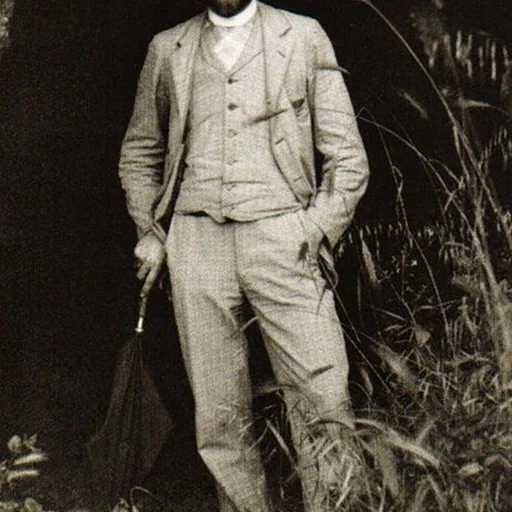
Karl Blossfeldt (13 June 1865 – 9 December 1932) was a German photographer and sculptor.

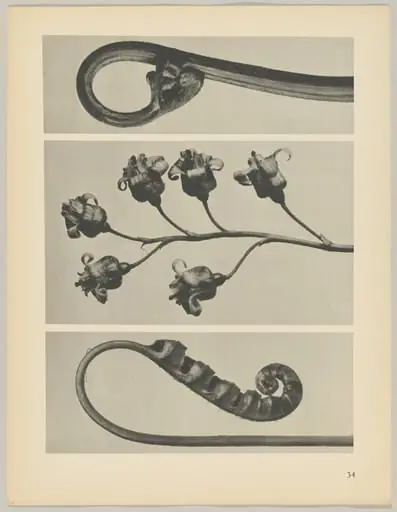
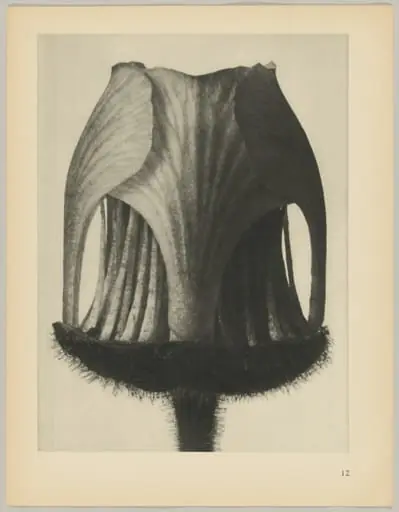
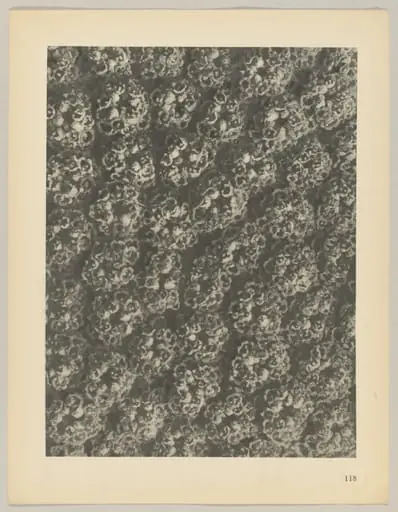
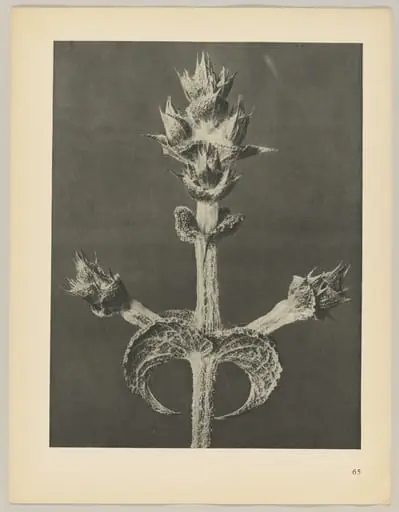
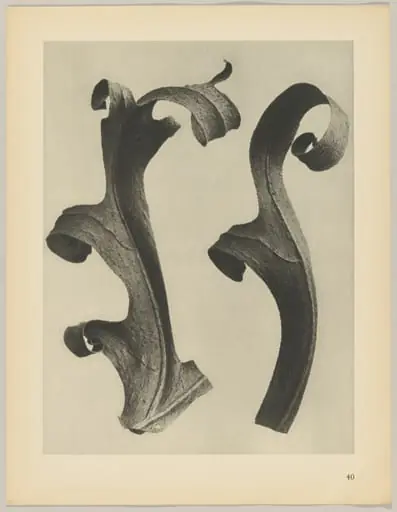
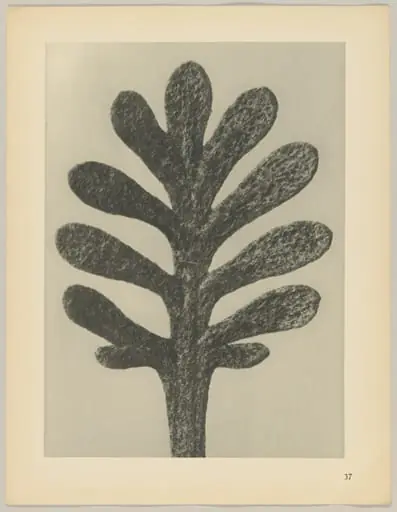
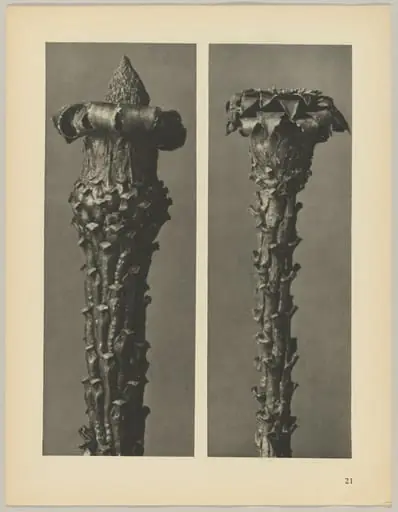
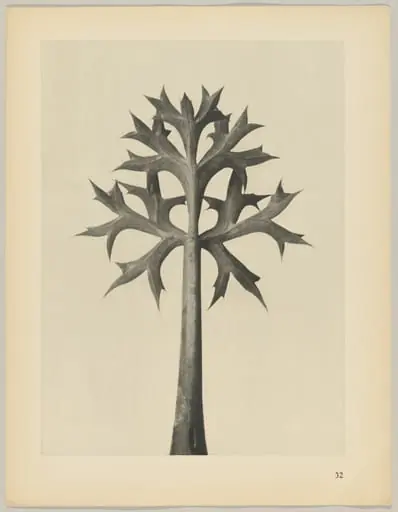
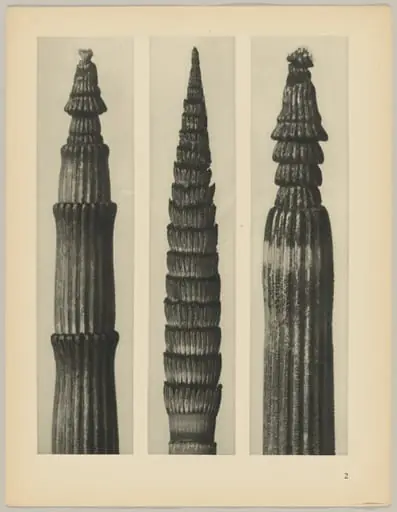 a Equisetum hiemale; b Equisetum maximum; c Equisetum hiemale
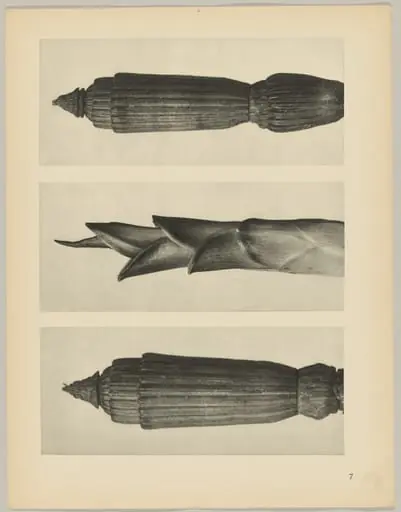 a Equisetum hiemale; b Hosta japonica; c Equisetum hiemale
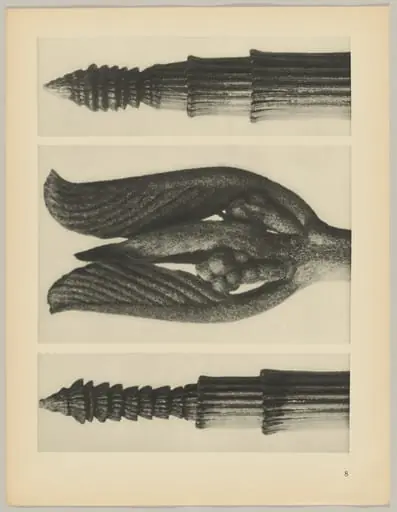 a Equisetum hiemale; b Rhamnus Purshiana; c Equisetum hiemale
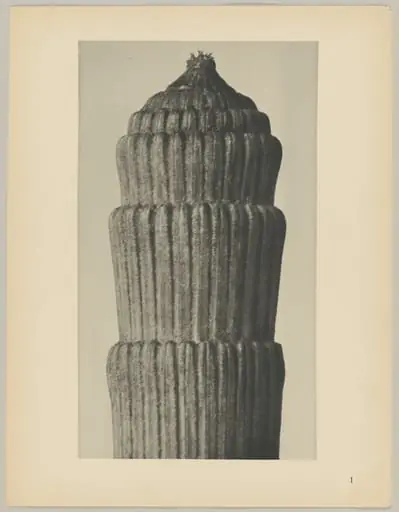 Equisetum hiemale
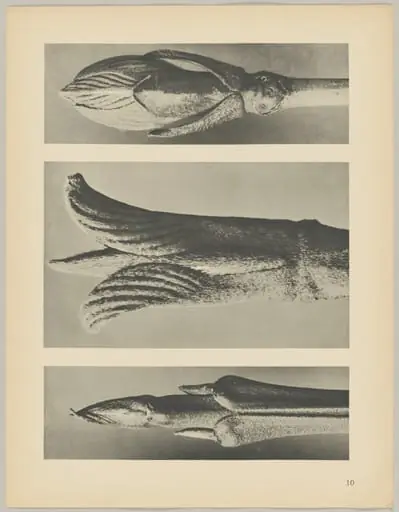 a Cornus brachypoda; b Cornus pubescens; c Viburnum
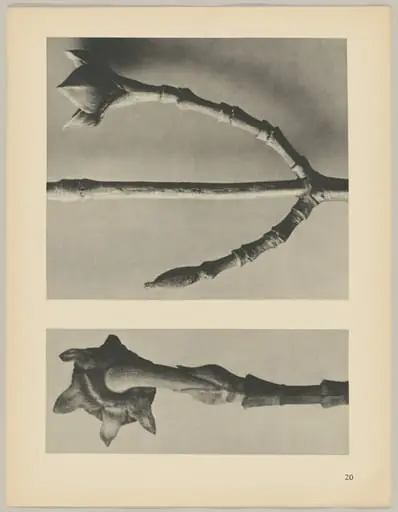 a Cornus Nuttallii; b Cornus officinalis
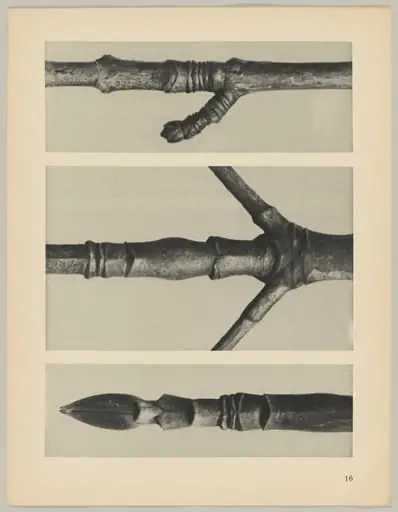 a Cornus Nuttallii; b Cornus Nuttallii; c Acer